Matsumoto City

#Matsumoto Castle: The Centerpiece
Matsumoto City is Japan's overlooked treasure. While tourists crowd Kyoto temples and Tokyo streets, Matsumoto remains authentically Japanese, stunning castle framed by Alpine mountains, functioning castle town with genuine culture, escape from tourism masses.
Matsumoto offers what travelers seek: beauty, authenticity, accessibility. Stunning castle considered among Japan's finest. Mountain scenery extraordinary. Local community genuine (not performing for tourists). Food excellent. Transportation convenient. Visiting Matsumoto reveals Japan beyond tourist circuits a place where tradition persists because meaningful, not preserved.
This guide navigates Matsumoto completely—attraction, neighborhoods, practical information. Matsumoto rewards deliberate exploration.
Location: Nagano Prefecture, Japanese Alps (Central Japan)
Population: 240,000 (manageable size)
Elevation: 610 meters (alpine setting)
Distance from Tokyo: 260 km (2.5-3 hours by train)
Character: Historic castle town, mountain town, authentic Japan
Why Special: Matsumoto Castle (UNESCO National Treasure), Alpine scenery, less touristy than Kyoto, more authentic than major cities
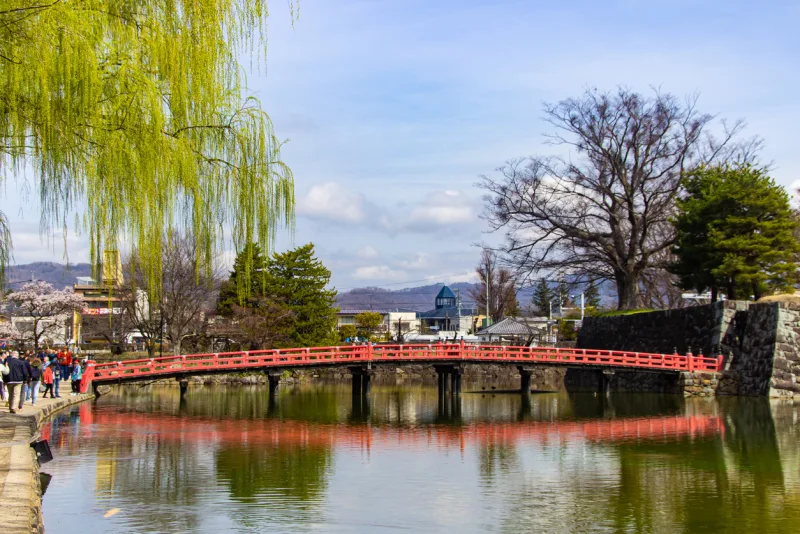
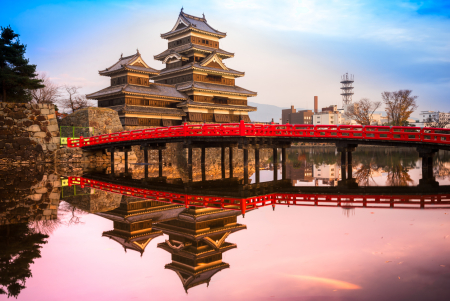
Matsumoto Castle built 1594. One of Japan's finest existing castles (many are reconstructions). Five-story wooden structure with black walls (hence "Crow Castle"—karasu-jo). National Treasure. Sits in flat plain surrounded by moat, framed by mountains.
What to Expect:
Entrance Fee: €8 (reasonable)
Visiting Tips:
Best Photography:
Surrounding castle town maintains historical charm. Narrow streets, traditional wooden buildings, small shops, local restaurants. Walking around castle reveals authentic neighborhood—locals shopping, children playing, daily life continuing.
Nearby Attractions:
Get in touch with our local experts for an unforgettable journey.
Plan Your TripCharacter: Historic, touristy but manageable, castle-focused
What's There:
Dining: Mix of tourist restaurants and local eateries. Expect €12-25 meals.
Best For: Castle visiting, photography, tourist core
Character: Peaceful, spiritual, less touristy
What's There:
Dining: Casual local restaurants, fewer tourists
Best For: Spiritual experience, authentic neighborhood, peaceful exploration
Character: Preserved traditional buildings, shopping, authentic
What's There:
Dining: Traditional restaurants, tea houses, local sweets
Best For: Shopping, photography, historical atmosphere
Character: Relaxation, alpine scenery, local atmosphere
What's There:
Dining: Kaiseki dinners at ryokans, local restaurants
Best For: Onsen experience, relaxation, mountain scenery
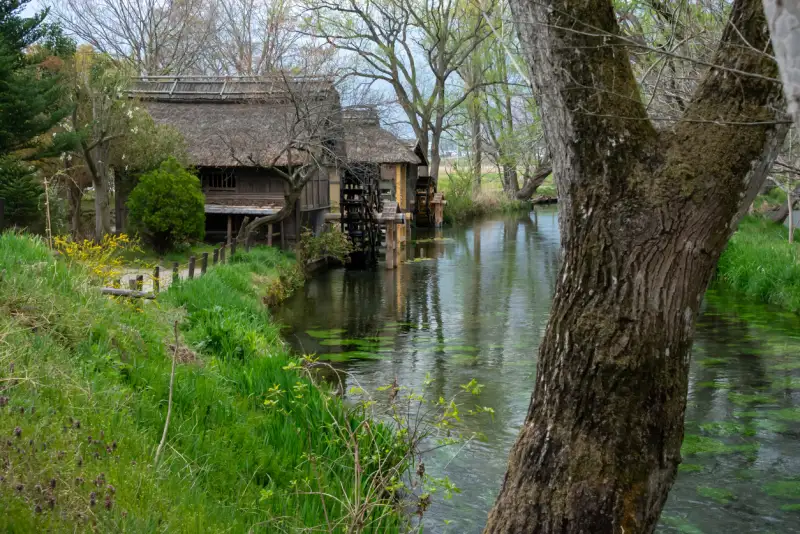
What It Is: Working wasabi (Japanese horseradish) farm with underground springs. Unique attraction showcasing traditional farming.
Experience:
Cost: Free (restaurants and shopping optional)
Why Visit: Unique Japanese agricultural experience, beautiful spring setting
Character: Historic Shinto shrine dating 1500+ years
Setting: Mountain location with steps leading upward, forest surroundings
Experience: Peaceful worship space, spiritual atmosphere, hiking component
Cost: Free
Best For: Spiritual practice, hiking, mountain views
What It Is: Museum showcasing Japanese folk crafts, textiles, traditional items
Experience: Understanding Japanese cultural traditions, craft appreciation
Cost: €5-8 entry
Duration: 1-2 hours
Why Visit: Cultural understanding, craft appreciation
What It Is: Museum dedicated to traditional woodblock prints (ukiyoe)
Experience: Appreciating historical art form, beautiful prints, Japanese aesthetics
Cost: €6 entry
Duration: 1-1.5 hours
Why Visit: Art lovers, cultural appreciation, historical understanding
1. Basashi (Horse Meat):
2. Soba (Buckwheat Noodles):
3. Shinshu Apples:
1. Casual Restaurants:
2. Mid-Range:
3. Depachika (Department Store Food Courts):
Matsumoto Market:
From Tokyo:
From Kyoto:
Around Matsumoto:
Train Pass:
Ryokan (Traditional Inn):
Hotels:
Guesthouses:
Best Areas:
Spring (April-May):
Summer (June-August):
Fall (September-November):
Winter (December-February):
Recommendation: October-November (autumn colors, perfect weather, manageable crowds)
Minimum: 1-2 days (see castle, main attractions)
Recommended: 2-3 days (explore neighborhoods, experience fully)
Luxury: 3-4 days (include onsen, mountain exploration, relaxation)
Matsumoto proves that Japan's greatest treasures aren't always most famous. While millions visit Kyoto, Matsumoto remains relatively undiscovered. Castle equally stunning. Mountains more spectacular. Culture more authentic. Tourism less oppressive.
Visiting Matsumoto reveals something beautiful: places maintaining character because locals value it, not because marketers promoted it. Community-centered tourism where visitors participate in actual town life rather than touring attractions. Restaurants serving locals coincidentally have tourists. Markets functioning daily rather than performing.
1 day: castle and main attractions (rushed). 2 days: comfortable pace, neighborhoods explored, genuine experience. 3 days: relaxation, mountain exploration, onsen. Recommend minimum 2 days. 1 day insufficient for appreciating town's charm and pace.
Possible but rushed. 3-hour train ride each way leaves limited time (4-5 hours in Matsumoto). Better: overnight stay. Day trip sacrifices experience quality. Consider 2-night trip minimum if visiting from Tokyo.
Significantly less crowded. Castle busy morning/afternoon but manageable. Kyoto overwhelming. Matsumoto retains authentic feel. Crowds don't dominate experience. Perfect compromise: cultural destination without tourism overload.
Spring: mild, rainy sometimes. Summer: warm (altitude cooler than lowlands). Fall: pleasant, cool mornings. Winter: cold, possible snow. Bring layers always (mountain weather changes). Best weather: September-October. Pack rain gear (Japanese weather unpredictable).
2 days sufficient for main attractions. 3+ days if: relaxing focus, onsen interest, mountain hiking, photography. Extended stay reveals authentic pace, local neighborhoods. Longer stays recommended for intentional travelers seeking depth.
Excellent hiking. Japanese Alps accessible. Various difficulty levels. Day hikes possible. Yohashira Shrine hike (moderate). Mountain trails throughout region. Summer best season. Bring proper footwear, water. Hiking reveals mountain beauty surrounding Matsumoto.
Takayama (1.5 hours): mountain town, similar character. Kanazawa (3 hours): culture, crafts. Kyoto (5-6 hours): temples, history. Tokyo (2.5 hours): urban culture. Perfect multi-destination trip: Tokyo → Matsumoto → Takayama → Tokyo. Creates Central Japan mountain loop.
From ancient temples to neon-lit streets, this Tokyo wiki covers everything — history, culture, food, districts & tips to help you explore Japan's capital.
Kyoto is more than Instagram temples. Experience authentic geisha traditions, quiet neighborhoods, seasonal beauty, local food culture. Real ancient Japan.
Osaka is Japan's real heartbeat. Incredible street food, affordable luxury, genuine hospitality, vibrant nightlife. Skip Tokyo crowds, experience authentic Japan.
Shibuya is Tokyo's party capital. World-famous crossing, vibrant nightlife, trendy shopping, youth energy. Stay up late, shop, eat, dance, live.
Matsumoto is hidden gem. Stunning castle, mountain backdrop, authentic culture. Less crowded than Kyoto, more accessible than remote destinations. Worth visiting.