Ryukyuan heritage
#Ryukyuan History: Independence to Integration
#Ryukyuan Language: Living Distinct Identity
#Okinawan Food: Distinct Cuisine
#Experiencing Ryukyuan Culture
#Cultural Preservation Challenges
Japan has unique regions—Hokkaido's northern culture, Kyoto's ancient traditions, Hiroshima's historical significance. But Okinawa's Ryukyuan heritage stands apart. Ryukyu wasn't Japanese until 1879. It was independent kingdom with distinct culture, language, spirituality, traditions. That history persists.
Visiting Okinawa, you experience Japan's cultural diversity—not homogeneous country but collection of distinct identities. Ryukyuan culture preserved alongside Japanese influence. Island heritage survives centuries of integration.
Understanding Ryukyuan heritage reveals Japan's complexity. It's not single country but various peoples coexisting, maintaining distinct identities while being Japanese.
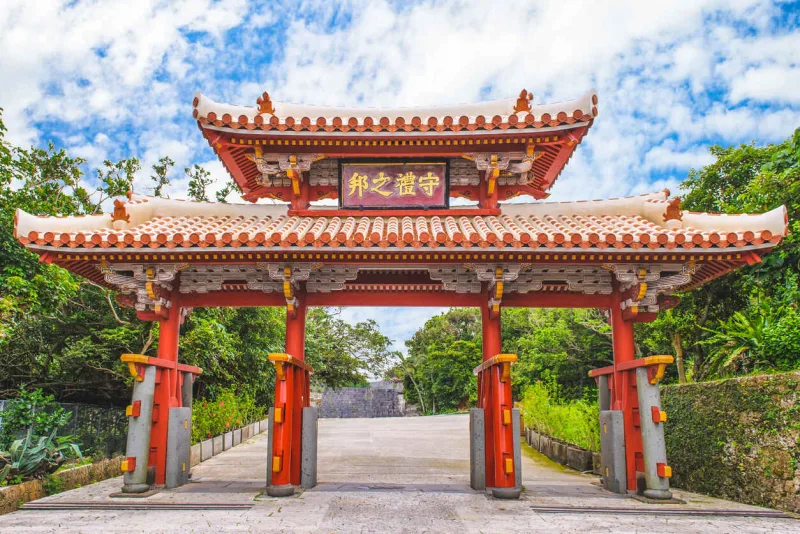
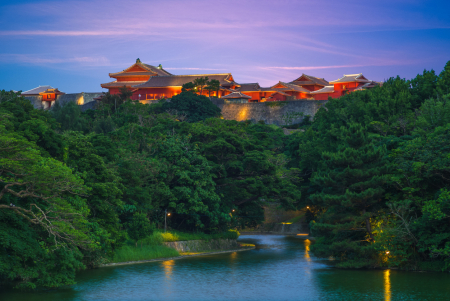
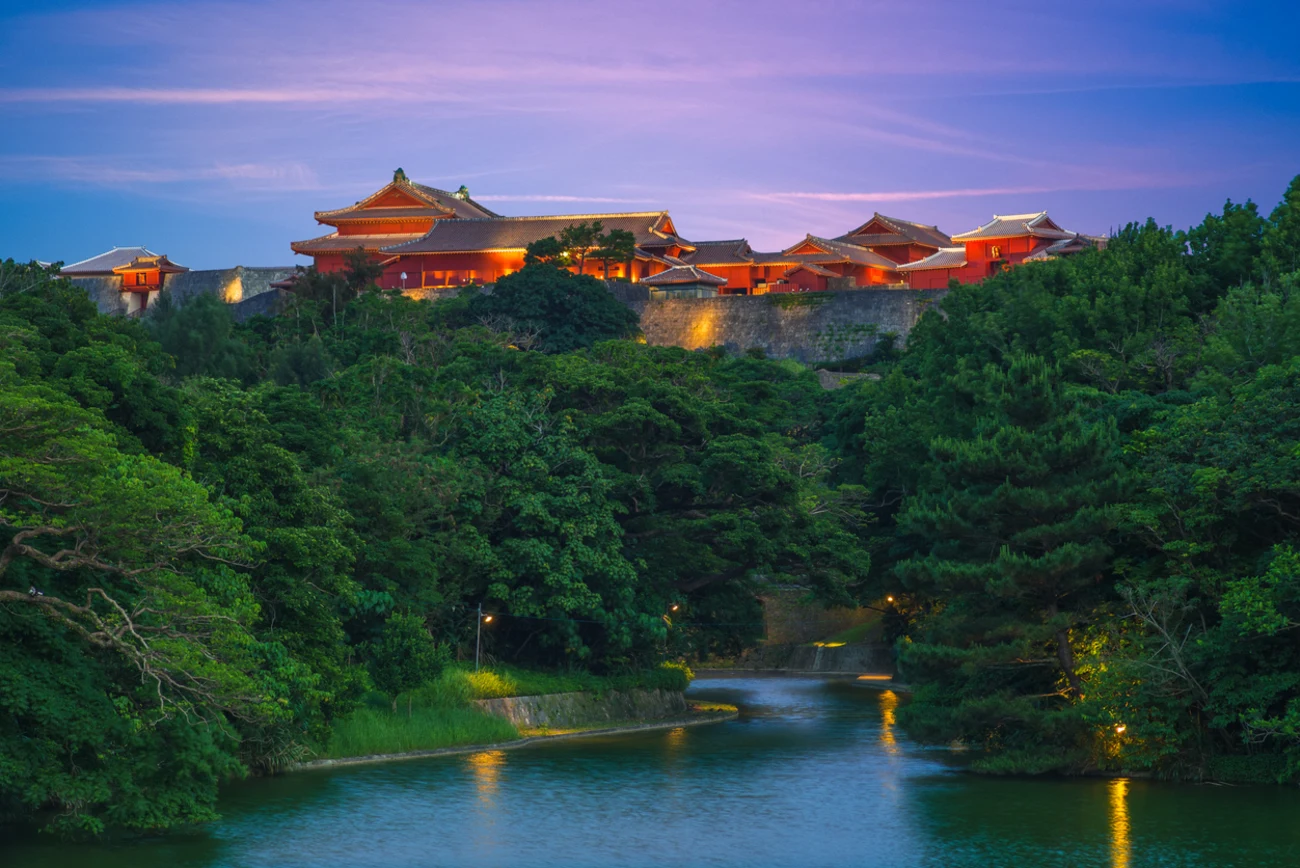
Ryukyu existed as independent kingdom for 450 years. Separate from Japan. Traded with China, Southeast Asia, maintained distinct culture. King ruled from Shuri Castle. Culture developed distinctly—different language, customs, spirituality.
Key Characteristics:
1879: Japan annexed Ryukyu. Kingdom ended. Okinawa became Japanese prefecture. Over 140+ years, integration occurred—gradually, sometimes forcefully. Indigenous culture suppressed, then preserved, now celebrated.
Modern Reality: Ryukyuan culture officially Japanese but maintaining distinct identity. Locals identify as Ryukyuan first, Japanese second—sometimes. Cultural pride strong. Heritage preservation conscious effort.
Ryukyuan (Uchinaguchi) is distinct language—not Japanese dialect but separate language. Related to Japanese historically but evolved differently. Similar to how Italian and Spanish are related Romance languages but distinct.
Why It Matters: Language carries culture. Preserving Ryukyuan preserves worldview, history, identity. Without language, culture disappears. Locals conscious of preservation need.
Experiencing It: Hearing Ryukyuan spoken reveals distinctness. Locals switch between Japanese (with outsiders) and Ryukyuan (among themselves). Observing code-switching reveals dual identity.
Get in touch with our local experts for an unforgettable journey.
Plan Your Trip
Ryukyuan food differs from Japanese cuisine. Island geography, Chinese influence, indigenous ingredients create unique culinary tradition.
Champuru: Stir-fried vegetables with eggs, sometimes meat. Variety of combinations (goya champuru using bitter melon most famous). Simple, flavorful.
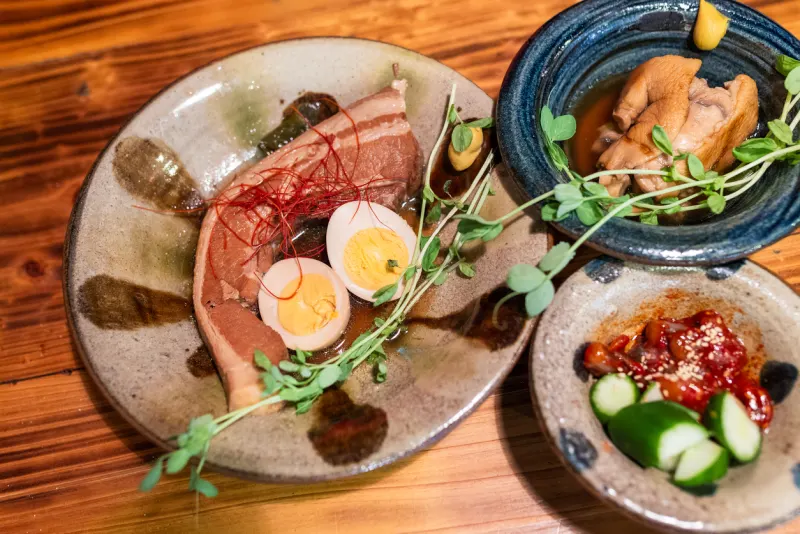
Rafute: Braised pork belly. Chinese influence. Tender, rich, deeply flavored.
Goya: Bitter melon. Acquired taste. Healthy, used extensively.
Okinawa Soba: Noodle soup (thicker noodles than ramen). Different broth base. Distinctly Okinawan.
Awamori: Distilled spirits. Higher alcohol content than sake. Strong taste. Culturally significant drink.
Okinawan cuisine emphasizes longevity. Heavy on vegetables, moderate meat, appreciation for bitter flavors. Result: Okinawa has highest life expectancy globally. Food isn't just nourishment but preventative medicine culturally.
Where to Eat: Local restaurants serving traditional food (€10-20). Street vendors. Markets (Makishi Market). Food experiences authentic when eating where locals eat.
Bingata: Traditional resist-dye textile. Starch paste prevents dye penetration, creating patterns. Vibrant colors, intricate designs. Technique centuries-old, still practiced.
Bashofu: Banana-fiber textile. Lightweight, breathable. Historically practical (cooling in heat). Now artistic and traditional craft.
Both recognized as Important Intangible Cultural Properties. Master craftspeople continue traditions. Workshops available for experiencing process.
Where to See: Textile museums, artisan studios (€50-100 for classes).
Distinctive pottery style. Hand-thrown (no wheel traditionally), naturally glazed (leaves and branches create patterns). Organic, imperfect beauty. Reflects Ryukyuan aesthetic—embracing imperfection.
Where to Experience: Pottery studios throughout Okinawa. Classes available (€40-80).
Eisa: Energetic folk dance performed during Obon festival. Rhythmic movements, group coordination, celebration of ancestors. Festival spectacle with spiritual meaning.
Sanshin: Three-string instrument. Unique sound. Music genre (Awamori song) accompanies sanshin. Traditional music still performed, recorded.
Where to Experience: Eisa festival (August), cultural centers, traditional performances (€20-40).
Ryukyuan spirituality distinct from mainland Japanese. Animistic traditions strong—belief in spirits inhabiting natural places (rocks, trees, water). Shamanic practices historically significant.
Key Spiritual Elements:
Modern Practice: Spiritual traditions continue but changed. Fewer shamans, more casual practice. But spiritual awareness persists—locals maintain relationships with nature, perform rituals, respect sacred spaces.
Where to Experience: Sacred sites (utaki), shrines, cultural demonstrations. Respectful observation appreciated.
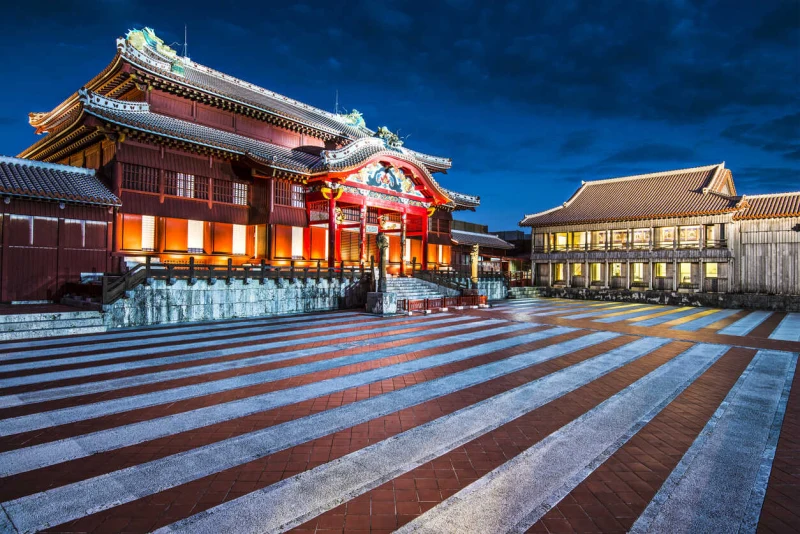
Former royal residence. Reconstructed (1992). Represents Ryukyuan architectural and political center. Museum inside. €9 entry. Walking through feels stepping into kingdom's past.
Why Visit: Understanding royal history. Seeing cultural artifacts. Impressive architecture. Castle grounds peaceful (not crowded like mainland castles).
Okinawa World village recreates traditional settlement. Craftspeople demonstrate techniques. Traditional houses preserved. Tourist-oriented but educational. €20 entry.
Alternative: Exploring actual villages (not museums). Wandering smaller towns seeing genuine daily life. Less curated, more authentic.
Multiple museums dedicated to Ryukyuan culture. Okinawa Prefectural Museum (€600/300 entry), traditional craft centers, textile museums. Varied price and accessibility.
What's Available: Artifacts, explanations, craft demonstrations, sometimes classes.
Eisa Festival (August): Largest festival. Thousands participating. Dancing, music, spiritual celebration. Tourist-friendly but genuinely local. €0 (free street performances).
Nakijin Cherry Blossom Festival (January-February): Different from mainland—Okinawa's blooming season different. Festival includes traditional performances. €0 (free).
Shoyu Festival (June): Celebrating shoyu (soy sauce). Food-focused festival. Tasting, cultural performances.
Former royal residence. Reconstructed (1992). Represents Ryukyuan architectural and political center. Museum inside. €9 entry. Walking through feels stepping into kingdom's past.
Why Visit: Understanding royal history. Seeing cultural artifacts. Impressive architecture. Castle grounds peaceful (not crowded like mainland castles).
Okinawa World village recreates traditional settlement. Craftspeople demonstrate techniques. Traditional houses preserved. Tourist-oriented but educational. €20 entry.
Alternative: Exploring actual villages (not museums). Wandering smaller towns seeing genuine daily life. Less curated, more authentic.
Multiple museums dedicated to Ryukyuan culture. Okinawa Prefectural Museum (€600/300 entry), traditional craft centers, textile museums. Varied price and accessibility.
What's Available: Artifacts, explanations, craft demonstrations, sometimes classes.
Eisa Festival (August): Largest festival. Thousands participating. Dancing, music, spiritual celebration. Tourist-friendly but genuinely local. €0 (free street performances).
Nakijin Cherry Blossom Festival (January-February): Different from mainland—Okinawa's blooming season different. Festival includes traditional performances. €0 (free).
Shoyu Festival (June): Celebrating shoyu (soy sauce). Food-focused festival. Tasting, cultural performances.
Ryukyuan culture faces preservation challenges. Younger generations assimilate to mainland culture. Language declining (only elderly fluent). Traditional crafts economically unviable.
Preservation Efforts:
Why It Matters: Cultural diversity strengthens societies. Without Ryukyuan preservation, Japan loses distinct heritage. Global importance: indigenous cultures everywhere face similar threats. Ryukyuan preservation relevant globally.
Experiencing Ryukyuan heritage reveals Japan's complexity. Not monolithic nation but diverse peoples coexisting. Respecting this diversity strengthens understanding. Supporting cultural preservation (through tourism, learning, appreciation) helps endangered traditions survive.
Visiting Okinawa is visiting Japan's distinct heritage. Understanding Ryukyuan culture is understanding Japan's true nature—diversity, history, resilience.
Yes, distinctly. Different history (independent kingdom), language (Ryukyuan separate language), traditions, spirituality, food. Japanese since 1879 politically. Culturally Ryukyuan identity strong—especially among older generations and those conscious of heritage. Younger generations more assimilated. Distinct identity real and important to locals.
Museums and festivals tourist-oriented but real. Eating at local restaurants (€10-20) with locals present. Exploring small villages. Visiting craftspeople in studios. Attending smaller local festivals. Combining both approaches: museums for context, local exploration for authenticity. Respectful, curious interaction opens doors.
Japanese sufficient for visiting (English minimally spoken). Ryukyuan useful for cultural understanding, respect. Basic phrases appreciated (hello, thank you). Few tourists learn Ryukyuan—effort shows respect. Classes available but not necessary. Demonstrating cultural interest through attempting communication matters more than fluency.
Comparable to mainland Japan. Museums €5-10. Classes €40-100. Food €10-20. Hotels €50-100. Overall budget similar or slightly cheaper (less touristy). Visiting Ryukyuan sites doesn't require premium spending. Budget travel possible. Value excellent.
Respectful curiosity matters most. Approaching culture as learning, not consuming. Eating food thoughtfully (understanding significance), visiting sites respectfully, asking questions genuinely. Ryukyuans appreciate outside interest in heritage. Respect opens conversations. Arrogance or dismissiveness shuts doors. Genuine interest matters more than detailed knowledge.
Yes and no. Outsiders welcome, especially respectful ones. Locals appreciate cultural interest. Understanding requires effort (research, asking questions, observing). Perfect understanding unlikely—cultural nuance takes years. But genuine appreciation possible for visitors. Approaching humbly opens experiences.
Superficial but meaningful. 2-3 days allows visiting major sites (Shuri Castle, village, museums), attending festival potentially, tasting food. Deeper understanding requires longer (1-2 weeks). But short visits valuable—tourist introduction worthwhile.
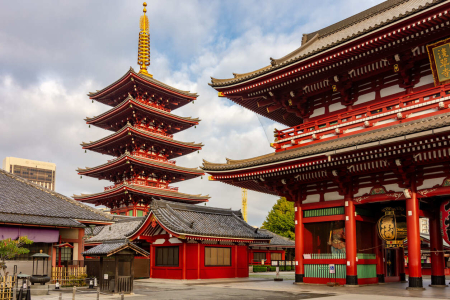
Sensoji is Tokyo's most famous temple but madly crowded. Master visiting times, understand rituals, explore beyond tourists. Real temple experience awaits.
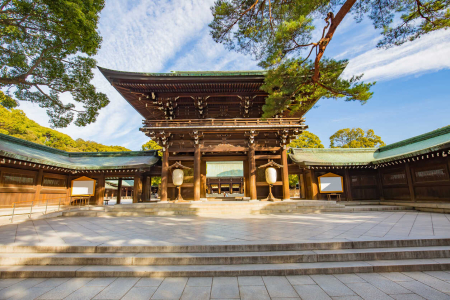
Meiji Shrine offers Tokyo's most peaceful spiritual experience. Forest sanctuary, authentic rituals, no crowds, free entry. Escape the city's chaos here.
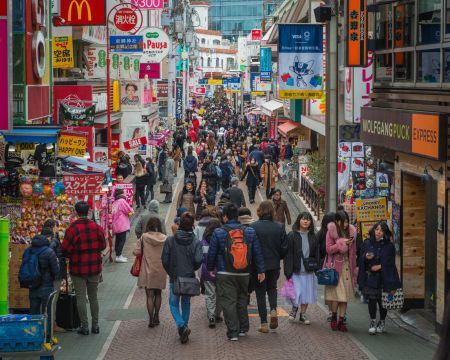
Harajuku is a bustling district in Tokyo famous for its cutting-edge fashion, diverse street styles, youth culture, quirky shops, and vibrant atmosphere that attracts millions of visitors annually.
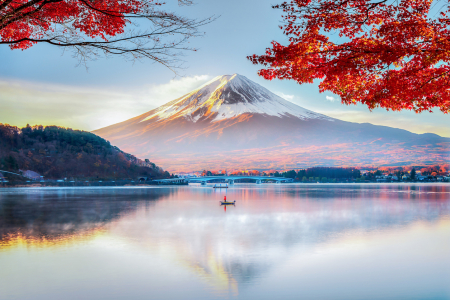
Mount Fuji is more than icon. Sacred mountain, spiritual experience, challenging climb. View from trains or climb summit. Japan's soul embodied in one peak.
Ryukyuan culture isn't Japanese—it's distinct. Island heritage, different language, unique traditions, spiritual practices. Okinawa's soul revealed.
Toji Temple stands as one of Japan's most iconic Buddhist temples in Kyoto, famous for its five-story pagoda, monthly flea markets, and profound spiritual significance.