Shibuya
#The Crossing: Icon and Reality
#Neighborhoods: Different Shibuya Vibes
#Eating and drinking in Shibuya
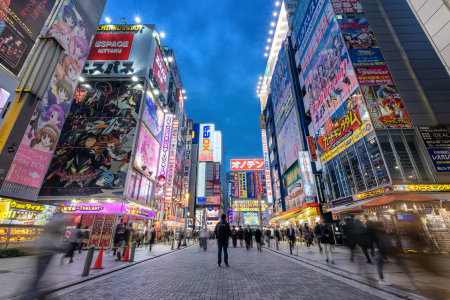
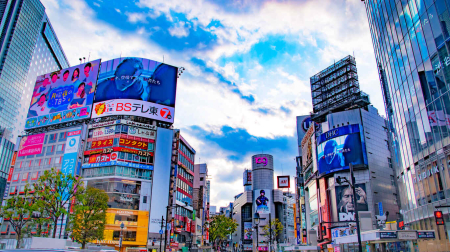
Shibuya is Tokyo at its loudest, wildest, most energetic. If Harajuku is youth culture's fashion center, Shibuya is youth culture's party headquarters. Thousands gather nightly. Energy visible, felt, heard. This is Tokyo's entertainment epicenter—nightlife pulsing, shopping competitive, social atmosphere electric.
Shibuya isn't for everyone. Peaceful travelers exhausted by noise should stay away. But if seeking Tokyo's nightlife, energy, contemporary culture, youth meeting spots—Shibuya is essential. Understanding Shibuya means understanding modern Tokyo's evening life.
The famous Shibuya Crossing is just beginning. Real Shibuya exists in neighborhoods, bars, clubs, streets late at night.
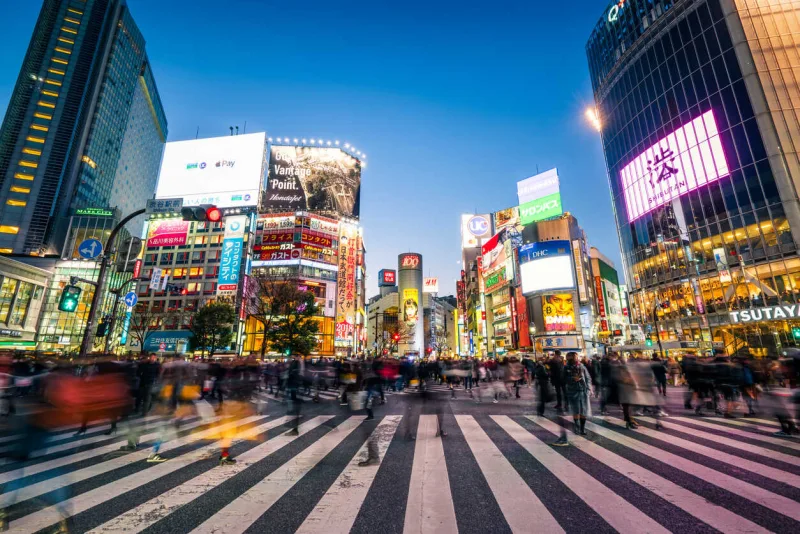
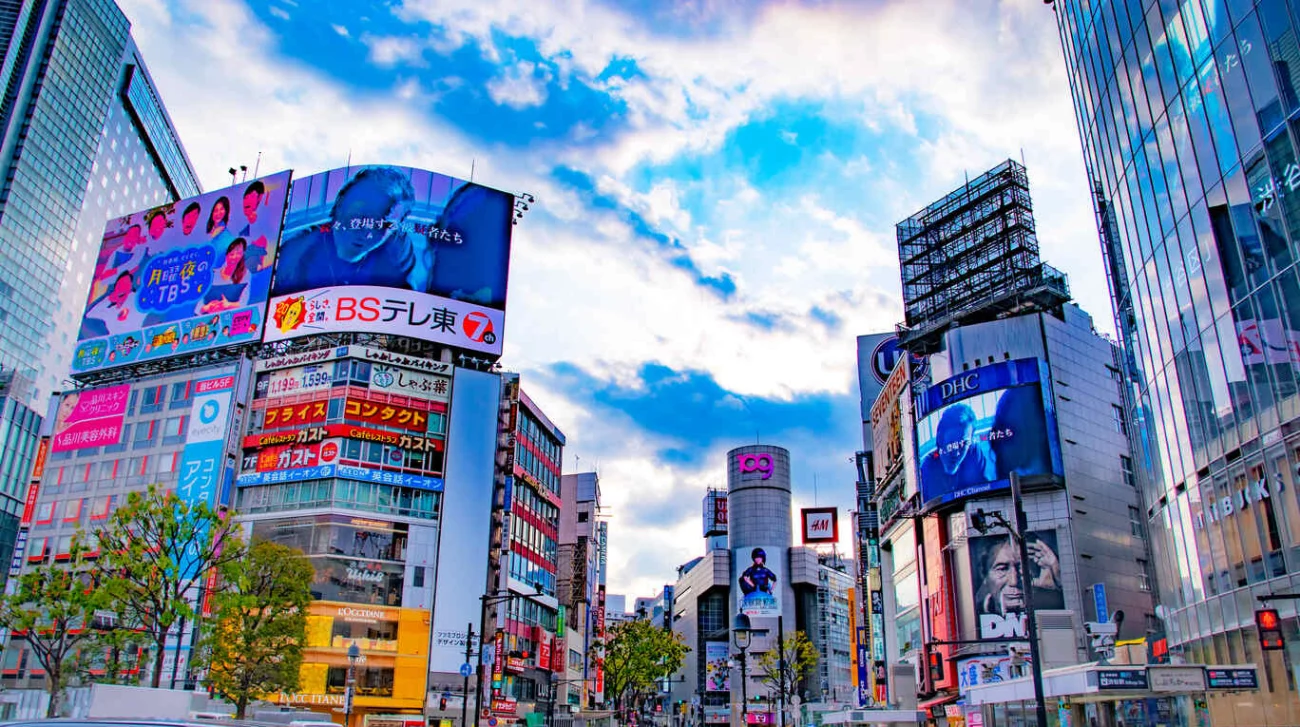
Shibuya Crossing (Hachiko Crossing) is world's busiest pedestrian crossing. Hundreds per light cycle cross simultaneously. Coordinated chaos. Photographers congregate capturing scramble. It's genuinely impressive—organized mayhem, functional despite volume.
Best Times:
Photography Strategy: Starbucks overlooking crossing (4th floor) provides elevated shots. Requires coffee purchase (€3-5).
Pro Tips:
Crossing is tourist draw but not Shibuya's essence. Real Shibuya exists surrounding crossing—neighborhoods, shops, restaurants, nightlife. Crossing is entry point, not destination.
Pedestrian shopping street connecting crossing to shopping areas. Packed with shops, restaurants, entertainment venues. Touristy but functional. Good for shopping, eating, observing crowds.
What's There:
Vibe: Touristy, crowded, commercial, young
Side street famous for nightlife. Dozens of bars, clubs, standing bars. Young people meeting, dating, socializing. Entertainment-focused neighborhood.
What's There:
Vibe: Nightlife-focused, young, social
Major department store. Trendy fashion, multiple floors, young demographic. Shopping hub for Tokyo youth.
What's There:
Vibe: Shopping-focused, commercial, modern
Behind main Shibuya tourist areas. Quieter neighborhood, local restaurants, hidden bars, bookstores. Real Shibuya for residents.
What's There:
Vibe: Quieter, local, residential
Get in touch with our local experts for an unforgettable journey.
Plan Your TripMarui: Trendy fashion focus, younger demographic Parco: Mixed fashion, culture, entertainment Seibu: Upscale luxury focus
What to Expect: Japanese and international brands, quality high, prices moderate to expensive.
Center-Gai: Tourist-accessible shopping Meiji-dori: Parallel shopping street, alternative fashion Side streets: Independent boutiques, vintage shops
Iconic fashion building housing numerous boutiques. Fashion-focused retail. Young demographic. Can spend hours browsing.
Inside:
Shibuya has vibrant vintage scene. Secondhand fashion, retro clothing, unique finds. Prices €10-100. Browse adventurously discovering rare pieces.
Takoyaki: €3-5 (octopus balls) Okonomiyaki: €8-12 (savory pancakes) Ramen: €9-13 Gyudon: €8-12 (beef rice bowls)
Budget: €10-20 meals (ramen, curry, set meals) Mid-range: €25-50 meals (decent restaurants) Upscale: €60-150+ meals (fine dining)
Shibuya Station: Metro hub, multiple lines, easy access from anywhere Tokyo.
Walking: Most attractions walkable from station (5-20 minutes).
Cost: €2-4 metro rides
Shopping: Usually 10 AM-9 PM (some until 10-11 PM) Nightlife: 7 PM-5 AM (clubs until dawn) Restaurants: 11 AM-11 PM (many late-night options)
Best Times:
Shopping: €0 (just looking) to €500+ (splurging) Eating: €10-30/meal (depending venue) Nightlife: €20-50/evening (drinks and entry) Daily Budget: €50-100 comfortable nightlife experience
Quick Visit: 2-3 hours (crossing, shopping, eating) Evening Out: 4-6 hours (dinner, nightlife, socializing) Full Experience: 8+ hours (daytime exploring, evening nightlife)
Shibuya is unpolished Tokyo. Loud, chaotic, energetic, youthful. Not refined like Ginza. Not peaceful like temples. Just pure Tokyo nightlife energy. This energy is Shibuya's appeal. Understanding Tokyo means experiencing Shibuya. The crossing, the crowds, the nightlife, the shopping—all reveal modern Japanese youth culture, contemporary Tokyo society, energy defining Japan's capital.
Come for the crossing. Stay for the neighborhoods, bars, restaurants. Understand why Tokyo's youth gravitates here nightly. That understanding is Shibuya's gift.
Yes, briefly. Photograph, experience organized chaos, understand icon. Don't linger excessively—crossing is start, not destination. Evening visit offers best photos. Real Shibuya exists beyond crossing—exploring neighborhoods more valuable than crossing itself.
Very safe. Heavy police presence, crowds (safety in numbers), well-lit, transportation accessible. Nightlife areas safe for solo travelers. Standard precautions apply (valuables awareness). Genuinely safe destination for nightlife exploration. Women solo travelers report exceptional safety.
Absolutely. Shibuya has restaurants, shopping, cultural experiences beyond nightlife. Daytime visiting comfortable. Nightlife skews young but age-inclusive. Quality dining, theater, museums exist. Don't assume age incompatibility—explore what interests you.
Less English in Shibuya bars than major hotels. Translation app helpful. Gesturing sufficient. Menu pictures assist. Major venues (clubs, Marui) English-friendly. Don't stress—communication happens with effort. Learning basic phrases appreciated.
Yes. Standing bars naturally social. Karaoke solo possible (smaller rooms). Exploring solo comfortable. Meeting people easy in social venues. Solo travelers often find company if desired. Independence possible if preferring solitude.
From ancient temples to neon-lit streets, this Tokyo wiki covers everything — history, culture, food, districts & tips to help you explore Japan's capital.
Kyoto is more than Instagram temples. Experience authentic geisha traditions, quiet neighborhoods, seasonal beauty, local food culture. Real ancient Japan.
Osaka is Japan's real heartbeat. Incredible street food, affordable luxury, genuine hospitality, vibrant nightlife. Skip Tokyo crowds, experience authentic Japan.
Shibuya is Tokyo's party capital. World-famous crossing, vibrant nightlife, trendy shopping, youth energy. Stay up late, shop, eat, dance, live.
Matsumoto is hidden gem. Stunning castle, mountain backdrop, authentic culture. Less crowded than Kyoto, more accessible than remote destinations. Worth visiting.