Tokyo
Tokyo wasn't always called Tokyo. For most of its history, the city was known as Edo — a small fishing village on the banks of the Sumida River that, through a remarkable series of historical turns, became the political centre of Japan.
In 1603, a military leader named Tokugawa Ieyasu established his shogunate government in Edo. While the Imperial Court remained in Kyoto (the official capital), Edo became the de facto centre of power. The city grew explosively. By the early 1700s, Edo had over one million people — making it arguably the largest city on earth at that time, larger than London, larger than Paris, larger than any European metropolis of the era.
During the Edo period, the city developed a distinctive culture that still defines modern Tokyo. Kabuki theatre, woodblock prints, haiku poetry, and the tea ceremony all flourished. The merchant class (chōnin) created a unique aesthetic and sensibility around food, fashion, and entertainment that is recognisably present in Tokyo today — the same love of detail, craftsmanship, and finding joy in small, refined things.
In 1868, the Tokugawa shogunate collapsed and Emperor Meiji was restored to power. He moved the imperial seat from Kyoto to Edo and renamed the city Tokyo — "Eastern Capital."
What followed was extraordinary: within a generation, Japan transformed itself from an isolated feudal society into a modernising industrial nation. Tokyo was ground zero for this transformation. The first railway in Japan opened between Tokyo and Yokohama in 1872. Western-style government buildings appeared. Universities, newspapers, and department stores opened in rapid succession. The city that had been deliberately isolated from the outside world for over 200 years suddenly became one of the most forward-looking cities on the planet.
By the early 1900s, Tokyo had gas streetlights, electric trams, department stores, and a thoroughly modern infrastructure — all built within 30 years. The population swelled as people moved from rural areas seeking work in the new industrial economy.
On September 1, 1923, a magnitude 7.9 earthquake struck the Kanto region. The fires that followed burned through the densely packed wooden districts, killing an estimated 140,000 people and destroying roughly half the city.
The disaster prompted the reconstruction of Tokyo on a larger scale with wider firebreak roads, more concrete construction, and new urban planning principles. The city that emerged from the ashes was even more modern, more planned, and more capable of handling disaster — a resilience that would be tested again in the Second World War.
Tokyo was extensively firebombed during the Second World War, particularly in the 1945 air raids that destroyed much of the eastern districts. The city's ability to rebuild itself, modernise, and emerge stronger became the defining characteristic of Tokyo's character.
The post-war period saw Tokyo transformed into one of the world's wealthiest, most technologically advanced cities. The 1964 Olympics were held in Tokyo and served as the moment Japan announced itself as a fully modern, fully developed nation on the world stage. The Shinkansen bullet train — which connected Tokyo to Osaka and beyond — debuted during the same Olympics and symbolised Japan's technological prowess.
The 1980s saw Tokyo become one of the world's financial centres. The Tokyo Stock Exchange rivalled New York. Real estate prices became absurdly expensive. The 1990s saw a financial crisis that humbled the city's excess but did not diminish its fundamental importance.
Today's Tokyo is a city that has learned to hold multiple versions of itself simultaneously: ancient and ultramodern, densely crowded yet orderly, technologically advanced yet deeply human in its approach to service and quality. It is constantly changing — buildings that stood for 50 years are demolished and rebuilt at a pace that would seem reckless in any other city. Yet the underlying culture — the attention to detail, the respect for tradition even while pursuing innovation, the commitment to service — remains remarkably consistent.
Tokyo is enormous. Trying to see "all of Tokyo" in a single trip is like trying to see "all of Europe" in a week. Instead, think of Tokyo as a collection of distinct neighbourhoods, each with its own character, purpose, and personality. You don't visit Tokyo — you visit Shinjuku, then Shibuya, then Asakusa, etc.
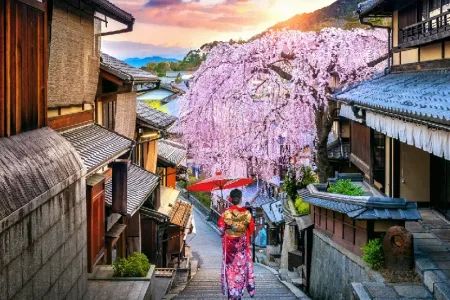
Vibe: Spiritual, traditional, a bit touristy, genuinely atmospheric despite the tourists
What to See: Senso-ji Temple (Tokyo's oldest temple, established 645 AD), Nakamise shopping street (traditional snacks and souvenirs), Sumida River views, tiny wooden machiya houses tucked between modern buildings
Best For: First-time visitors wanting to understand Tokyo's historical side, temple lovers, people interested in traditional crafts
Food: Sweet bean cakes (ningyo-yaki), senbei (rice crackers), takoyaki (octopus balls), tempura
When to Go: Early morning (before 8am) to avoid crowds; evening to see the lanterns lit
How to Get There: Ginza Line to Tawaramachi Station or Asakusa Station
Asakusa is where Tokyo's past is most visible. The temple predates Tokyo itself. The narrow lanes, the wooden buildings, the smell of incense — this is what Edo looked like. The area got heavily damaged in the Second World War and then aggressively modernised, so it's not pristine, but the soul is genuine. Go at dawn or dusk. Go early enough that the tour buses haven't arrived yet. You'll understand why people visit Tokyo repeatedly — this layer of the city, ancient and peaceful, exists 15 minutes' train ride from the neon chaos of Shinjuku.
Get in touch with our local experts for an unforgettable journey.
Plan Your TripVibe: Overwhelming, electric, chaotic in the best way, exhilarating and exhausting
What to See: Shinjuku Station (busiest train station on earth — 3.6 million passengers daily), Shinjuku Gyoen (one of Tokyo's most beautiful parks, especially during cherry blossom season), Kabukicho (entertainment district, red lights, adult bars), Tokyo Metropolitan Government Building (free observation deck), Godzilla Head statue on Toho Cinema
Best For: Energy lovers, night owls, people who want to feel the raw pulse of Tokyo, first-timers wanting the "iconic" Tokyo experience
Food: Everything. Ramen shops, izakayas, tiny sushi bars, multi-storey restaurants, convenience stores, street food, Michelin-starred dining
When to Go: Evening (around 6–8pm) when the neon lights are full brightness but the streets aren't yet chaotic; or late night (after 11pm) when the party shifts into smaller bars
How to Get There: JR Yamanote Line to Shinjuku Station; multiple other lines also serve here
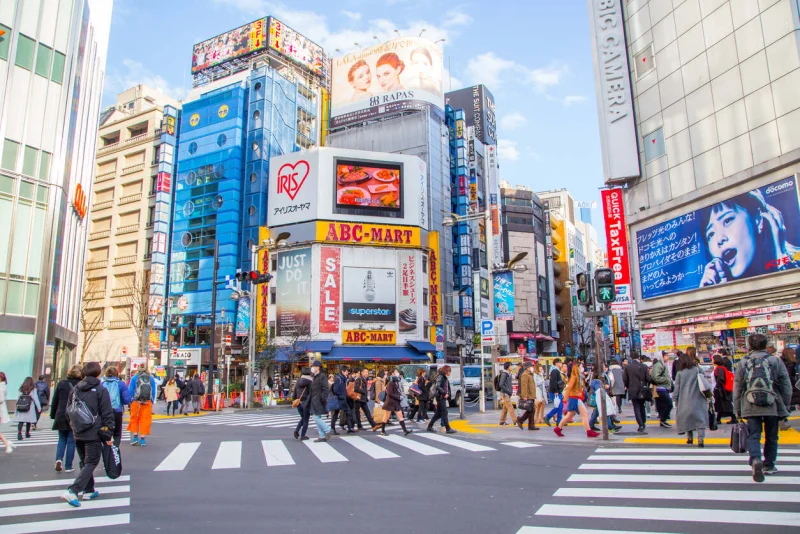
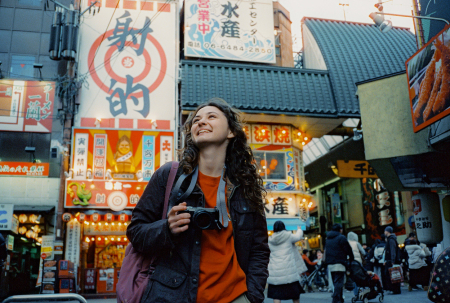
Shinjuku is Tokyo at maximum intensity. The station is so vast it has its own postcode. The streets around Kabukicho are sensory overload — neon, pachinko machine sounds, the smell of yakitori smoke, dozens of languages, people moving in every direction. First-timers either love it immediately or find it exhausting. Either response is valid. The key is not to stay too long at once — Shinjuku is a few-hour experience, not an all-day one. The parks nearby (Shinjuku Gyoen, Meiji Jingu) provide essential relief.
Vibe: Trendy, young, energetic, fast-paced, perpetually fashionable
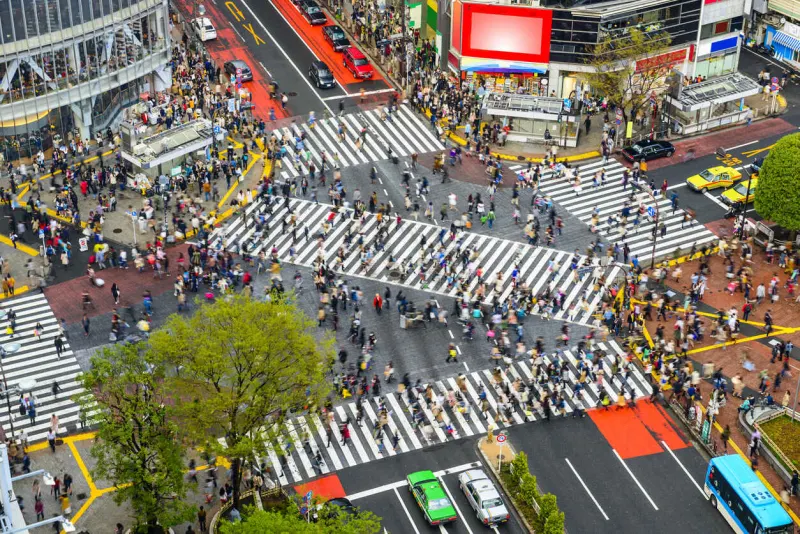
What to See: Shibuya Crossing (possibly the world's most famous pedestrian intersection, especially overwhelming at rush hour 5–7pm), Hachiko Statue (famous meeting point, always surrounded by people), Center Gai (pedestrian shopping street), Omotesando (high-end shopping avenue known as "Tokyo's Champs-Élysées"), Meiji Jingu Shrine (major Shinto shrine in a forest setting, 10 min walk away)
Best For: Fashion lovers, youth culture enthusiasts, photographers chasing the iconic crossing shot, anyone wanting to understand modern Tokyo
Food: Excellent ramen, tonkatsu (breaded pork), sushi, modern fusion cuisine, trendy cafes, vintage vending machine coffee
When to Go: Late afternoon for the Shibuya Crossing in golden light; evening for the full neon experience; avoid rush hour (5–7pm) unless you specifically want that chaos
How to Get There: JR Yamanote Line to Shibuya Station; multiple other lines converge here
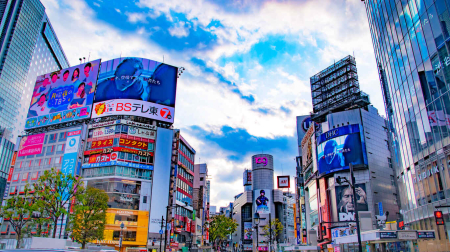
Shibuya is Tokyo's fashion and youth capital. The Shibuya Crossing is famous for good reason — standing on the second-floor Starbucks overlooking it and watching 3,000 people cross from every direction simultaneously is genuinely something to see. But Shibuya is more than the crossing. The narrow side streets have excellent ramen shops, vintage clothing stores, and tiny bars. Meiji Jingu Shrine — a 10-minute walk through a forest from the main tourist areas — is one of Tokyo's most serene and genuine spiritual spaces, even though it receives over 3 million visitors annually.
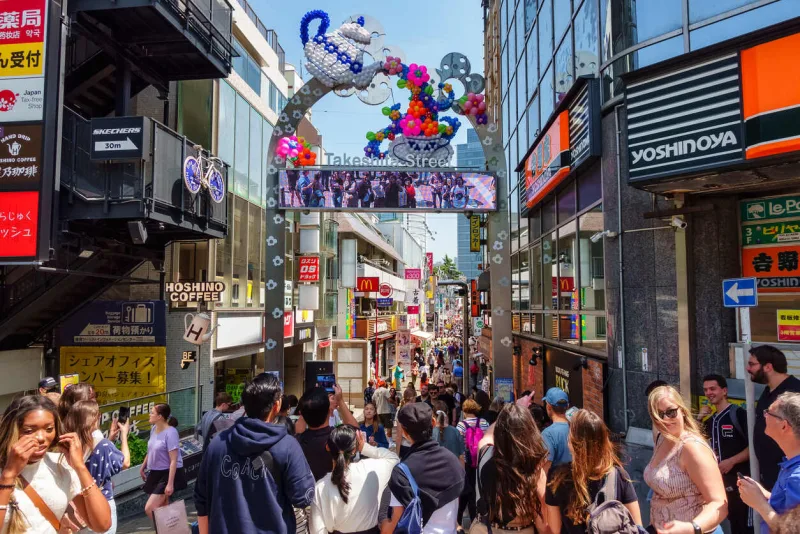
Vibe: Playful, youth-oriented, dense with teenagers and fashion, simultaneously kitsch and genuinely creative
What to See: Takeshita Street (narrow shopping street packed with fashion-forward boutiques, packed with teenagers), Omotesando (the "high street" version, more upscale), Meiji Jingu Shrine (peaceful forest shrine, short walk from the main chaos), quirky themed cafes
Best For: Fashion enthusiasts, people curious about Japanese youth culture, anyone wanting to understand how "kawaii" culture actually functions, photographers
Food: Crepes (street food everywhere), takoyaki, okonomiyaki, ramen, themed cafes
When to Go: Weekday mornings (before 11am) if you want to move without being pushed; weekends if you want the full immersive chaos experience
How to Get There: JR Yamanote Line to Harajuku Station
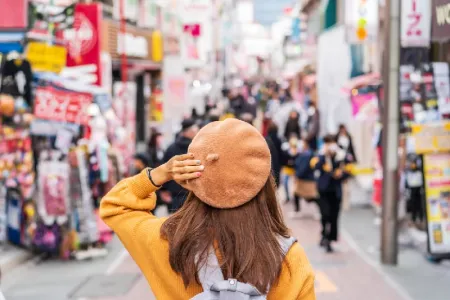
Harajuku is Takeshita Street — a 400-metre pedestrian shopping lane packed with teenage fashion boutiques, accessory shops, and the pure visual chaos of youth culture distilled into one place. It's fun, it's chaotic, and it's worth one visit to understand a particular version of modern Japan that exists nowhere else on earth. The key is not to take it too seriously — Harajuku is theatre, not daily life. Walk the street, experience it, then escape into the peace of Meiji Jingu Shrine five minutes away.
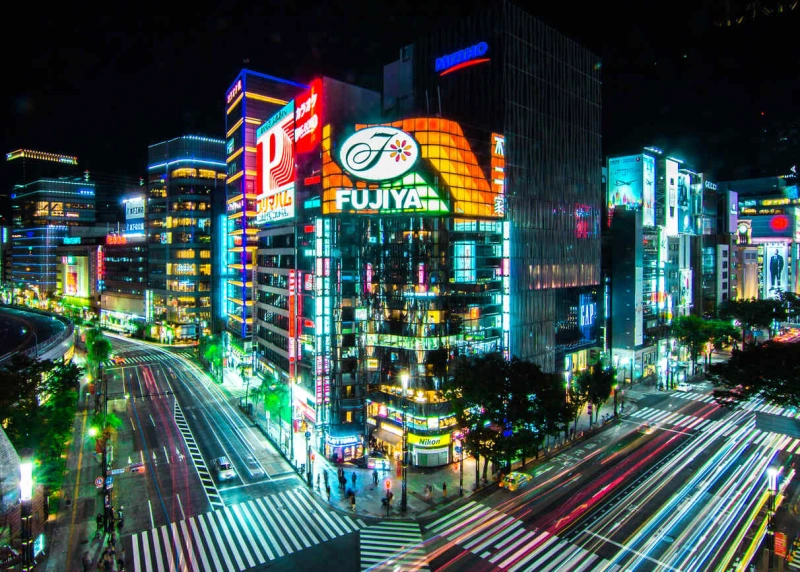
Vibe: Wealthy, sophisticated, curated, galleries and fine dining, slightly formal
What to See: Ginza's department stores (Mitsukoshi, Hermès, Louis Vuitton), art galleries, traditional kabuki theatre (Kabuki-za Theatre), galleries and museums, Tsukiji Outer Market (seafood market, excellent sushi restaurants)
Best For: Luxury shopping, art lovers, fine dining, anyone wanting to understand the wealthier side of Tokyo, museum visitors
Food: Michelin-starred sushi restaurants, kaiseki dining, upscale ramen and soba, excellent cafes and tea shops
When to Go: Weekdays (less crowded), afternoon for shopping, evening for dining
How to Get There: Ginza Line to Ginza Station; multiple lines converge here
Ginza is Tokyo's upscale neighbourhood. It's where the wealthiest shops, galleries, and restaurants concentrate. Don't come expecting street chaos like Shinjuku or Shibuya — Ginza is orderly, curated, and slightly reserved. But if you want to experience Tokyo's fine dining scene without breaking the bank completely, Ginza has excellent mid-range restaurants alongside the Michelin-starred establishments. The department stores are worth exploring just to see how thoroughly, precisely, and creatively Japanese retail works.
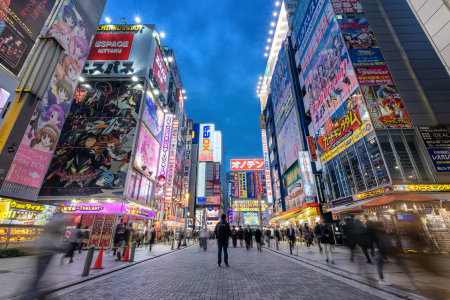
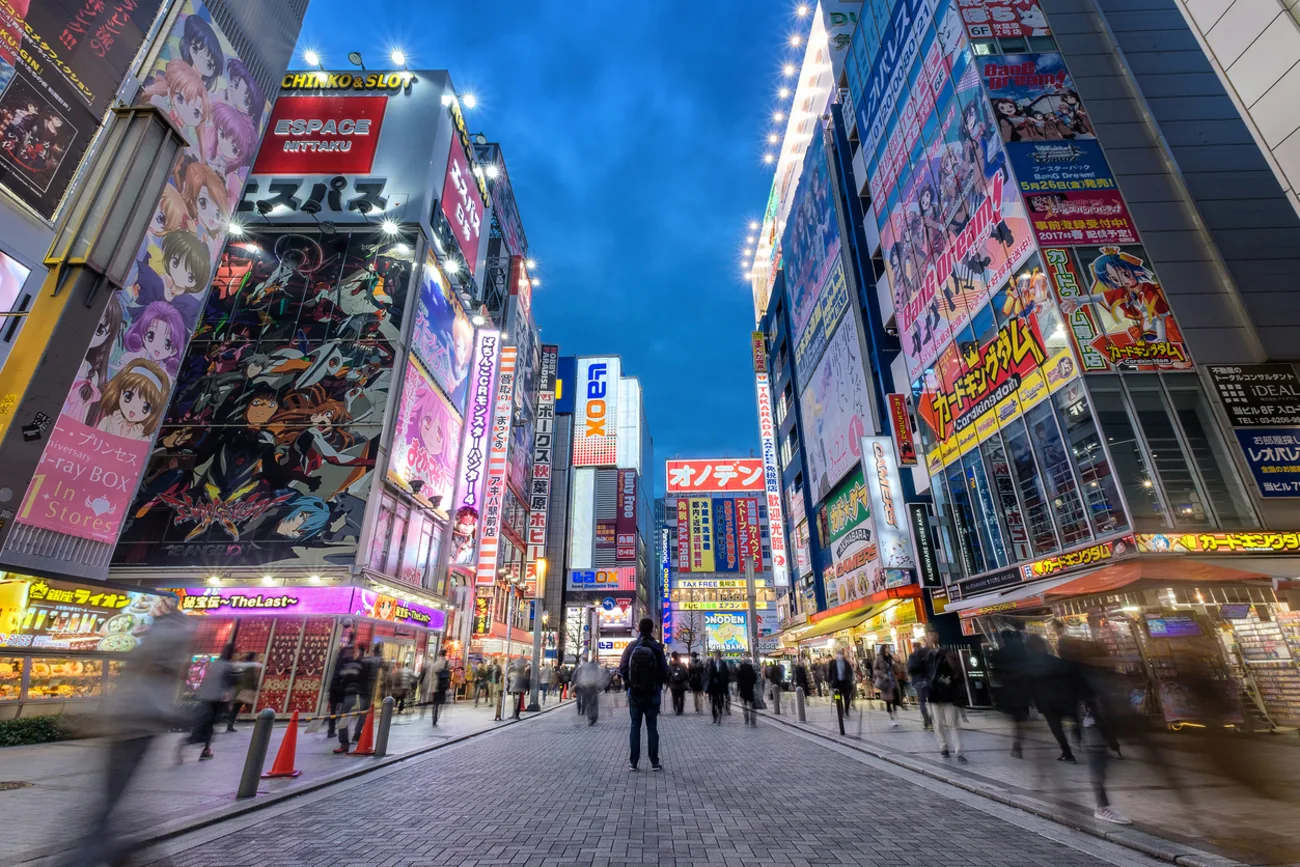
Vibe: Chaotic, neon-lit, overwhelming with sensory input, pure commerce, nerd culture central
What to See: Multi-storey electronics shops (Akihabara is still a centre for finding specific tech components), anime and manga shops, retro gaming shops, pachinko arcades, themed maid cafes
Best For: Electronics enthusiasts, anime and gaming fans, people curious about Japanese nerd culture, anyone wanting sensory overload
Food: Ramen, tonkatsu, conveyor belt sushi, convenience stores, themed cafes
When to Go: Evening (6–9pm) when the neon is brightest but before late night; avoid midday weekends when it becomes unbearably crowded
How to Get There: JR Yamanote Line to Akihabara Station; multiple other lines
Akihabara is what Tokyo looks like if you compressed commerce, entertainment, and nerd culture into 10 blocks. It's not beautiful. It's not relaxing. But it is authentically Tokyo — the city's enthusiasm for technological innovation, gaming, anime, and commerce all concentrated in one place. Multi-floor electronics shops, tiny gaming arcades, pachinko parlours with extraordinary noise levels, shops selling every anime figurine ever made. Most visitors spend 2–3 hours here and leave happily exhausted.
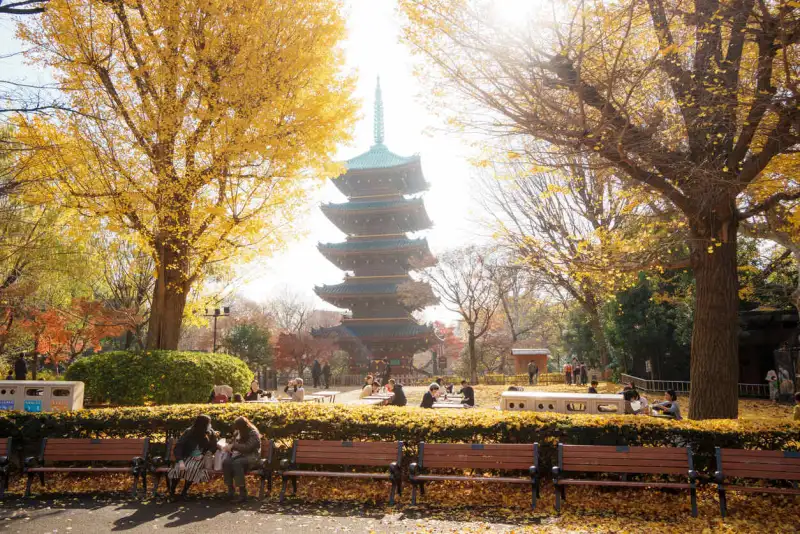
Vibe: Cultural, park-focused, less touristy than other major districts, genuinely local feel
What to See: Ueno Park (massive park, home to numerous museums and temples, one of Tokyo's best cherry blossom spots), Tokyo National Museum (Japan's oldest public museum, world-class art collection), Ueno Zoo, Ameya-Yokocho (covered market alley, slightly chaotic, cheap prices), Shinobazu Pond
Best For: Museum lovers, park enthusiasts, photographers, anyone wanting a less touristy Tokyo experience, families
Food: Excellent sushi at Tsukiji Outer Market, ramen, tempura, takoyaki, fresh fruit shops, traditional sweets
When to Go: Morning (before 10am) for parks and museums; any time for the market atmosphere
How to Get There: JR Yamanote Line to Ueno Station; multiple other lines
Ueno is cultural Tokyo. The park is genuinely enormous and contains multiple world-class museums, a zoo, temples, and some of Tokyo's most spectacular cherry blossom views in spring. The neighbourhood feels slightly more local, less polished, and more genuinely lived-in than the central tourist districts. If Tokyo has a "soul," it's as likely to exist in Ueno's museums and parks as anywhere.
Vibe: International, nightlife-focused, where Tokyo's expat community concentrates, more Western than other districts
What to See: Roppongi Crossing, Mori Tower (observation deck), modern art museums, clubs and bars, upscale restaurants
Best For: Nightlife enthusiasts, expat community members, people wanting a more internationally-oriented Tokyo, anyone wanting late-night dining or clubbing
Food: International cuisine (rarer elsewhere in Tokyo), upscale dining, trendy fusion restaurants, excellent cocktail bars
When to Go: Evening onwards for the nightlife vibe; during the day it's quiet
How to Get There: Oedo Line and Hibiya Line to Roppongi Station
Roppongi is where Tokyo's international side concentrates. It has clubs, upscale bars, and more Western food options than anywhere else in the city. For many travellers, Roppongi feels like a break from being immersed in Japan — which is either a relief or exactly what you wanted to escape. Your experience here depends entirely on whether you want Tokyo to feel like Tokyo or like a cosmopolitan international city with Japanese characteristics.
Vibe: Energetic, early-morning focused, commercial, authentic, slightly overwhelming
What to See: Tsukiji Outer Market (famous seafood market, now partially relocated to Toyosu), street vendors, sushi restaurants built into the market, massive tuna auctions (early morning, requires tickets in advance)
Best For: Food lovers, early risers, people wanting to see "real" Tokyo, photographers, anyone wanting exceptional fresh sushi at reasonable prices
Food: Sushi (this is sushi central — the freshest in the city), seafood, grilled fish, tempura, soba noodles made right in front of you
When to Go: Very early morning (5–8am) to see the tuna auctions and maximum market energy; otherwise, expect a quieter experience
How to Get There: Hibiya Line to Tsukiji Station for the outer market; Yūrakuchō Line to Toyosu Station for the relocated inner market
If you love food and can wake up at 5am, Tsukiji (or its newer incarnation in Toyosu) is genuinely one of the most satisfying Tokyo experiences available. The tuna auctions, the knife skills, the speed of commerce, the energy — it's all completely authentic. And the sushi you eat for breakfast, bought from vendors who sold it fresh that morning, will spoil you for every other sushi experience you ever have.
Vibe: Quiet, historic, village-like despite being in central Tokyo, peaceful, genuinely atmospheric
What to See: Yanaka Ginza (shopping street), wooden machiya houses, temple alley, cats (Yanaka is famous for stray cats), small museums and galleries, narrow lanes where time seems to move differently
Best For: People wanting to escape tourist crowds, photographers, anyone wanting authentic "old Tokyo" atmosphere, quiet contemplation seekers
Food: Small independent cafes, traditional sweet shops, noodle shops, excellent coffee
When to Go: Weekday morning or afternoon (avoid weekends when it gets more crowded)
How to Get There: Chiyoda Line to Nezu Station or Sendagi Station; walk from either
Yanaka is the neighbourhood that survived the Second World War bombing and the 1923 earthquake. Wooden buildings from the Meiji and Taisho periods still line the narrow streets. The pace is genuinely slower than everywhere else in Tokyo. Cats sit in doorways. Small galleries show local artists' work. Independent cafes serve excellent coffee and homemade cakes. If you want to understand Tokyo's past without crowds, Yanaka is the answer — though its growing reputation means it's gradually losing its secret status.
Vibe: Futuristic, artificial, entertainment-focused, museums and shopping malls, slightly sterile compared to organic Tokyo neighbourhoods
What to See: teamLab Planets (mind-bending digital art museum, book ahead), teamLab Borderless (another digital art space), Tokyo Big Sight, shopping malls, Statue of Liberty replica, Gundam statue, waterfront views
Best For: Art lovers (specifically digital art), first-time visitors wanting something clearly "future Tokyo," families, people interested in contemporary art installations
Food: Shopping mall food courts, trendy restaurants, cafes with views
When to Go: Weekday (less crowded), though teamLab Planets is consistently busy regardless
How to Get There: Yurikamome automated train line from central Tokyo, or Rinkai Line
Odaiba is Tokyo showing off how modern and planned it can be. It's an artificial island built on landfill, full of shopping malls and museums, with the bay and Rainbow Bridge providing photogenic backdrops. teamLab Planets is genuinely extraordinary if you're interested in digital art and immersive experiences. The rest of Odaiba feels more like a shopping destination than an authentic neighbourhood experience, but it's worth a few hours to understand this version of Tokyo — the planned, the commercial, the future-focused side.
Tokyo's public transport system is genuinely one of the best in the world. This is not hyperbole.
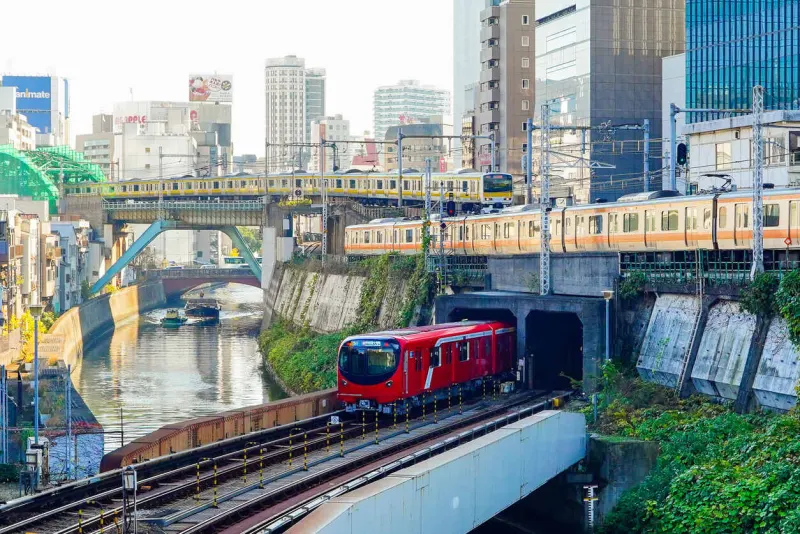
The Tokyo Metro consists of 13 lines serving over 200 stations across the metropolitan area. The system is colour-coded, stations have English signage, and trains arrive every 2–5 minutes depending on the line and time of day. Getting lost is genuinely difficult because the signage is so clear.
Key Lines:
Buy a Suica or Pasmo IC card at the airport (or any major train station). Load it with yen. Tap in and out of every train, bus, and even most convenience stores. This single card makes Tokyo navigation dramatically easier. Cost: around ¥2,000 for the card (¥1,500 usable credit + ¥500 deposit).
Taxis are extremely expensive in Tokyo (flag drop around ¥730 for the first kilometre, ¥100 per additional 400 metres). They're clean, safe, and air-conditioned, but avoid them unless it's late night or you're in a genuine hurry. The metro is faster and cheaper.
Tokyo has an extensive bicycle rental network. The city is relatively flat, distances between neighbourhoods are often bikeable, and cycling is genuinely a great way to explore. Just be aware that you need to park in designated spots (illegal parking can result in your bike being removed).
The Shinkansen connects Tokyo to Kyoto (2 hours 15 minutes), Osaka, Hiroshima, and beyond. It's fast, punctual, and generally cheaper than individual tickets if you buy a JR Pass. Reserve seats in advance.
Tokyo has more Michelin-starred restaurants (around 400) than any city on earth. But eating well in Tokyo doesn't require Michelin stars.
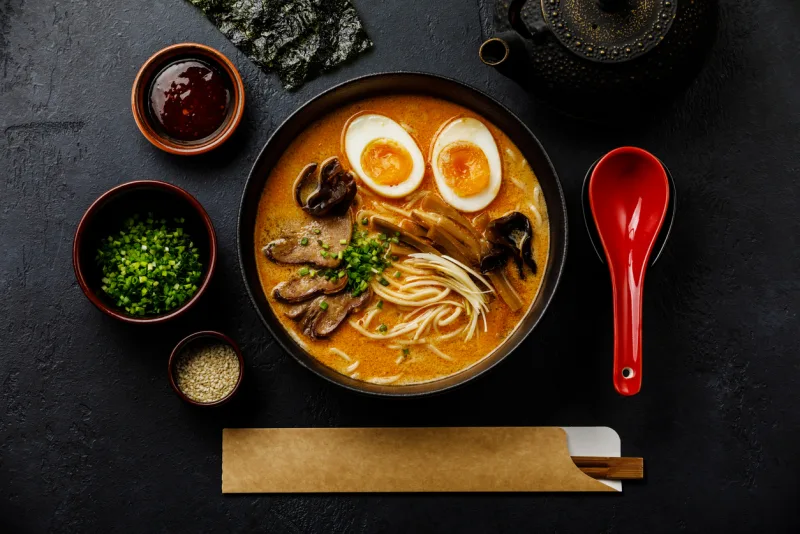
1. Ramen: Ramen is Tokyo's soul food — noodles in a rich broth, topped with egg, pork, nori (seaweed), and green onion. Tokyo's style is typically shoyu (soy-based), slightly salty, and rich. A good ramen costs ¥900–¥1,500 and will ruin you for ramen anywhere else.
Where to eat: literally anywhere. Follow crowds. Look for the narrow storefront with a picture of ramen in the window. If there's a queue, it's good.
2. Sushi: Tokyo's sushi culture is extraordinarily deep. You can spend ¥200 on conveyor belt sushi or ¥20,000+ on omakase at a Michelin restaurant. The mid-range sweet spot is ¥4,000–¥8,000 for a proper sushi counter experience with a skilled chef making decisions for you.
Where to eat: Tsukiji/Toyosu outer market for the freshest; anywhere with a sushi counter and people lining up.
3. Tempura: Deep-fried vegetables and seafood in a light, crispy batter. Done well (which is most places in Tokyo), tempura is transcendent. A good tempura meal costs ¥3,000–¥6,000.
4. Okonomiyaki & Takoyaki: Okonomiyaki is a savoury pancake loaded with cabbage, pork, and seafood, cooked on a griddle in front of you. Takoyaki are octopus-filled balls of fried batter, crispy outside and molten inside. Both are street food staples costing ¥600–¥1,200.
5. Izakaya: Japanese gastropubs — order lots of small plates, drink beer or highballs, and spend an evening the way Tokyo does. Look for packed ones with handwritten menus. The food is excellent and the atmosphere is genuinely social.
6. Convenience Store Food: This is not a joke. 7-Eleven, FamilyMart, and Lawson all have genuinely excellent food. Onigiri (rice balls), nikuman (steamed pork buns), egg salad sandwiches — all fresh, all cheap (¥100–¥400), all surprisingly good. Convenience stores are where Tokyo eats between meals.
7. Michelin-Starred Dining: Tokyo has around 400 Michelin stars across roughly 200 restaurants. Fine dining is available at every price point. A sushi omakase at a starred restaurant might cost ¥8,000–¥15,000. Kaiseki can run ¥10,000–¥30,000+. High-end restaurants almost always require reservations made weeks or months in advance.
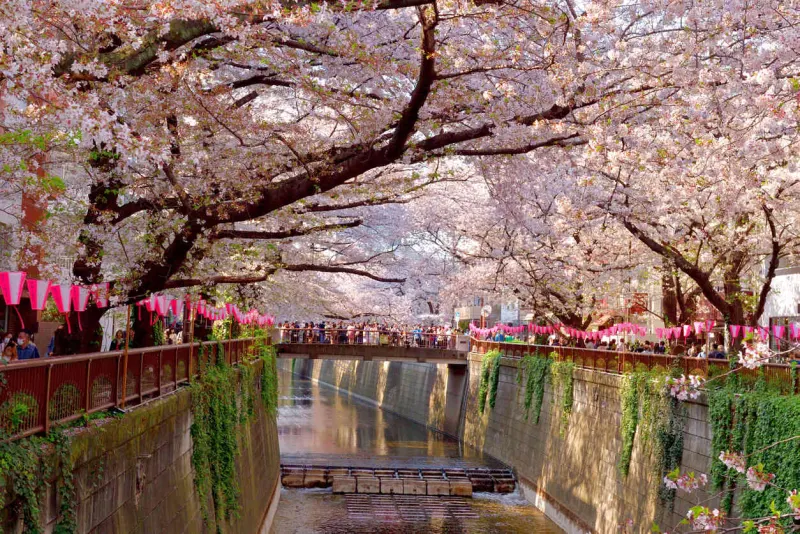
Spring: Cherry blossom flavour everything (sakura tempura, sakura soft-serve ice cream, sakura lattes), fresh vegetables
Summer: Cold ramen (hiyamen), shaved ice (kakigori), cold tofu (hiyayakko)
Autumn: Mushrooms, chestnuts, sweet potato tempura, grilled fish
Winter: Hot pot (sukiyaki, shabu-shabu), ramen (hot versions), warming noodle soups
Season |
Pros |
Cons |
Best For |
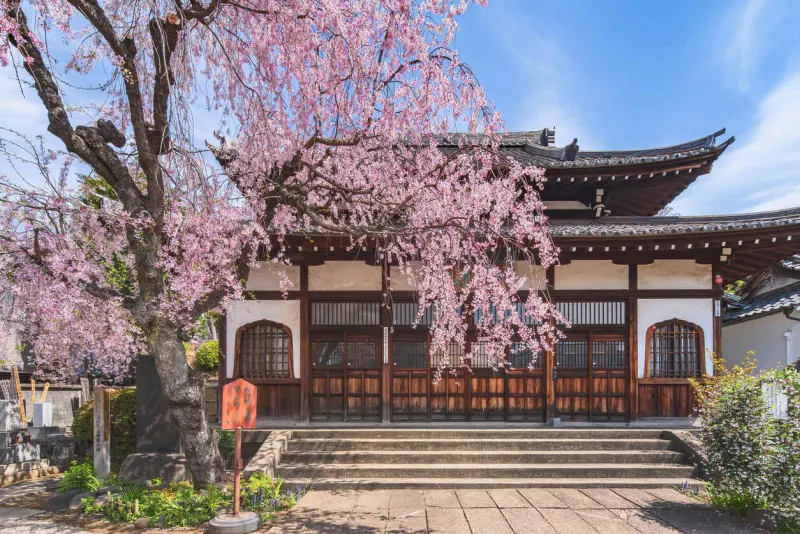
| Cherry Blossom Season (Late March–Mid-April) | Absolutely beautiful, sakura everywhere, hanami picnic parties in every park, mild weather | Extremely crowded, expensive, hotels book up 6 months in advance, short blooming window (1–2 weeks) | First-timers who prioritise beauty; romantic travellers; photographers |
| Autumn Foliage (Mid-October–Mid-November) | Stunning colours, comfortable weather, fewer crowds than spring, equally beautiful | Popular so still busy and expensive, but significantly less so than cherry blossoms | Repeat visitors; photographers; anyone wanting beauty without maximum crowds |
| Summer (July–August) | Festival season, fireworks (hanabi) displays, vibrant energy, cheaper than peak seasons | Extremely hot (30–35°C), very humid, can be uncomfortable for hours at a time | Younger travellers; anyone interested in summer matsuri festivals; people tolerating heat well |
| Winter (December–February) | Fewest tourists, lowest prices, cold but crisp air, winter illuminations (holiday decorations/lights), skiing accessible in nearby Hokkaido | Cold (around 5°C average), less greenery, some places close earlier due to darkness | Budget travellers; people avoiding crowds; winter sports enthusiasts |
Most Western nationals (US, UK, EU, Australia, Canada, etc.) can enter Japan visa-free for up to 90 days for tourism. Check your specific country's requirements on the Japanese Ministry of Foreign Affairs website.
Tokyo is consistently one of the safest major cities on earth. Crime is very low. Natural disasters (earthquakes, typhoons) happen but buildings are engineered to handle them. Carry your passport or a copy at all times.
English is increasingly available in central Tokyo, especially in tourist areas, train stations, and restaurants. Outside main areas, English becomes rarer. Learn a few key phrases:
The best time to visit Tokyo is during cherry blossom season (March to April) or autumn (October to November) when the weather is pleasant and the city is at its most beautiful.
Most travelers need at least 4 to 6 days to experience Tokyo’s main districts like Shibuya, Shinjuku, Asakusa, and Akihabara without rushing.
Tokyo can fit different budgets. Street food, convenience stores, and public transport are affordable, while luxury dining and hotels can be expensive.
Top areas include Shibuya for modern culture, Asakusa for traditional temples, Shinjuku for nightlife, and Akihabara for anime and electronics.
Tokyo is very easy to navigate thanks to its clean, punctual metro system and clear English signage across most stations.
Cash is still widely used in Japan, especially in small shops and restaurants, so it’s recommended to carry yen along with your card.
Yes, Tokyo is one of the safest cities in the world with very low crime rates, making it ideal for solo travelers.
Must-try foods include ramen, sushi, tempura, takoyaki, izakaya dishes, and even convenience store snacks like onigiri.
English is commonly spoken in major tourist areas, hotels, and stations, but learning a few basic Japanese phrases is helpful.
Tokyo is famous for its mix of tradition and modern life, futuristic skyscrapers, historic temples, fashion districts, and world-class food scene.
From ancient temples to neon-lit streets, this Tokyo wiki covers everything — history, culture, food, districts & tips to help you explore Japan's capital.
Kyoto is more than Instagram temples. Experience authentic geisha traditions, quiet neighborhoods, seasonal beauty, local food culture. Real ancient Japan.
Osaka is Japan's real heartbeat. Incredible street food, affordable luxury, genuine hospitality, vibrant nightlife. Skip Tokyo crowds, experience authentic Japan.
Shibuya is Tokyo's party capital. World-famous crossing, vibrant nightlife, trendy shopping, youth energy. Stay up late, shop, eat, dance, live.
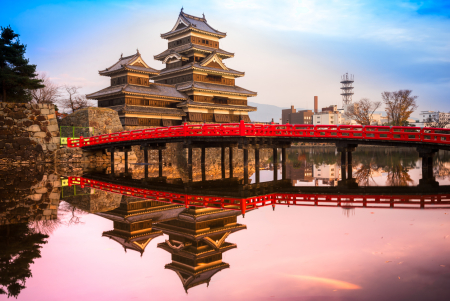
Matsumoto is hidden gem. Stunning castle, mountain backdrop, authentic culture. Less crowded than Kyoto, more accessible than remote destinations. Worth visiting.