Nuwara Eliya: The “Little England” of Sri Lanka

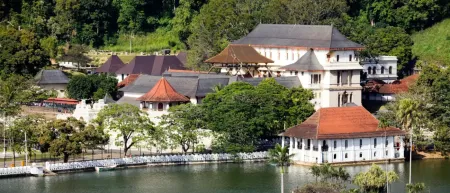
Nestled in the cool highlands of central Sri Lanka, Nuwara Eliya is one of the country’s most charming and scenic destinations. Known as “Little England”, this hill station is famous for its cool climate, colonial-era architecture, lush tea plantations, and misty mountain landscapes. Sitting at an elevation of about 1,868 meters (6,128 feet) above sea level, Nuwara Eliya offers a refreshing escape from the tropical heat found in most parts of the island.
Today, it is a popular destination for both local and international travelers seeking stunning scenery, historic landmarks, and access to some of Sri Lanka’s most beautiful natural attractions.
The modern development of Nuwara Eliya began during the British colonial era in the 19th century.
In 1819, British explorer Samuel Baker and colonial officials discovered the region’s cool climate and fertile land. They quickly realized it resembled the English countryside and began developing it as a hill retreat for British residents.
Soon, the British established:
These developments transformed Nuwara Eliya into the premier hill station of colonial Sri Lanka.
Nuwara Eliya sits in a valley surrounded by mountains and lush greenery. Its geography contributes to its distinctive scenery and cooler climate.
Unlike most tropical destinations in Sri Lanka, Nuwara Eliya has a cool and refreshing mountain climate.
Because of this climate, the town has long been a summer retreat for locals escaping the heat of cities like Colombo. You will need light jackets or sweaters, especially during the evenings.
Get in touch with our local experts for an unforgettable journey.
Plan Your Trip
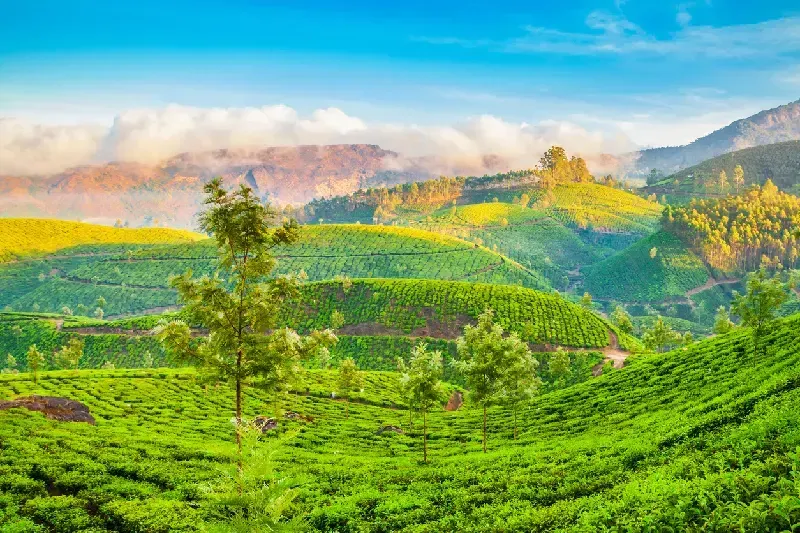
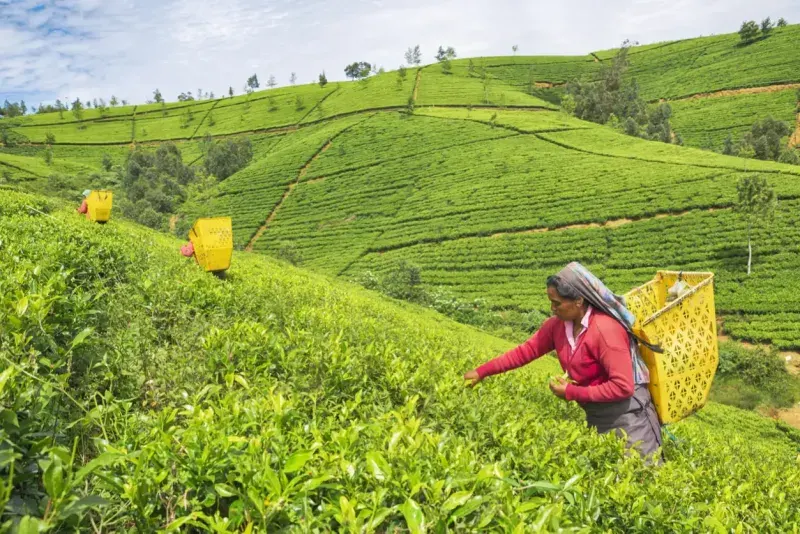
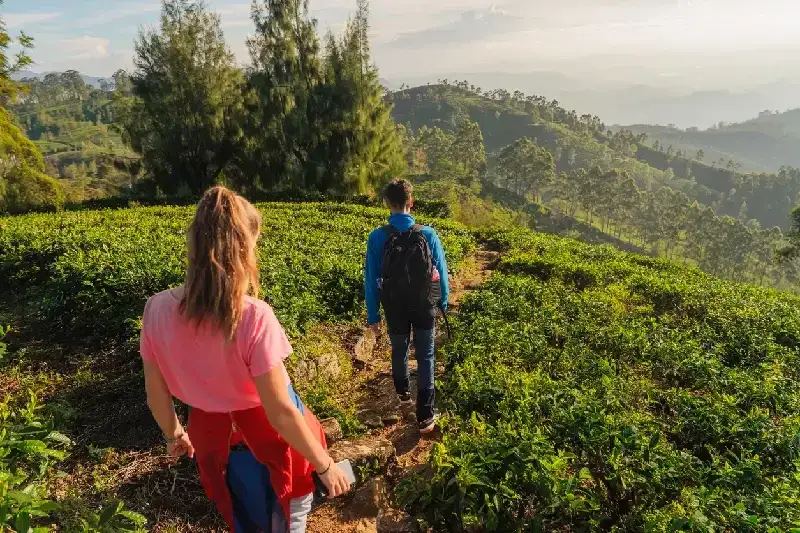
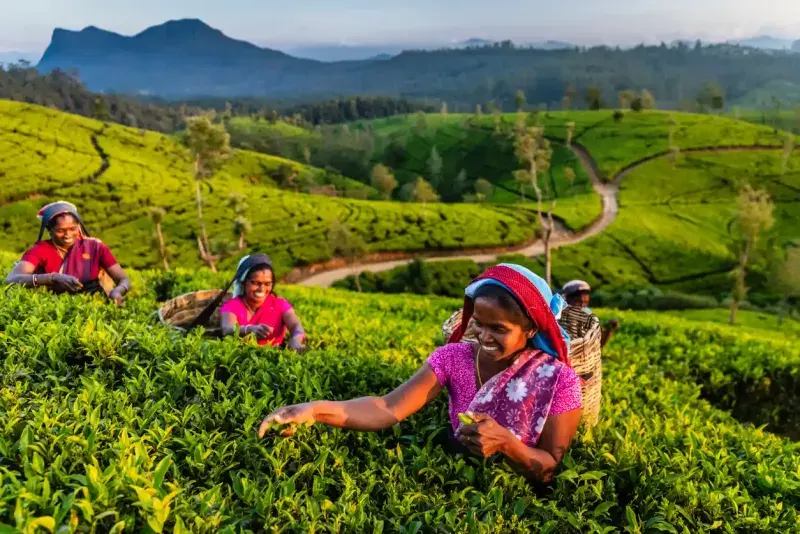
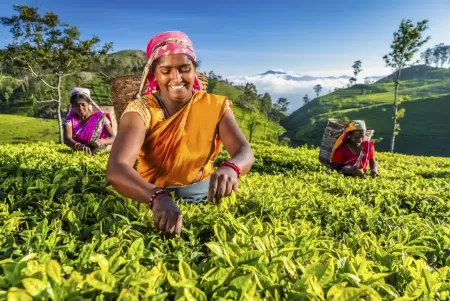
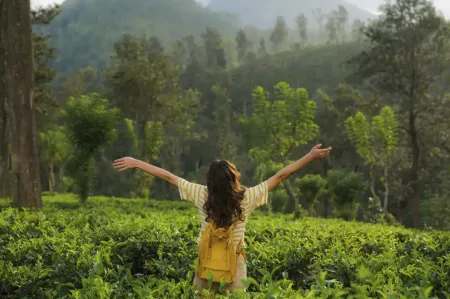
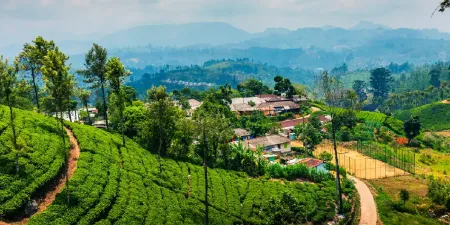
The hills around Nuwara Eliya are covered in vast tea estates, making the region a key part of Sri Lanka’s global tea industry.
Tea grown in this region is famous for:
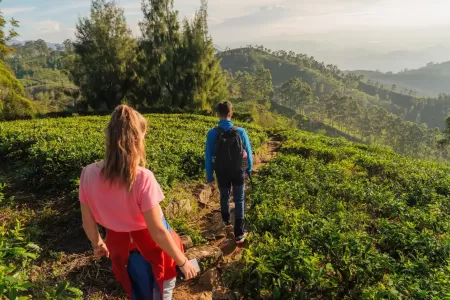
Many plantations offer guided tours where you can:
One of the most famous tea estates nearby is Pedro Tea Estate, which welcomes visitors interested in learning about Sri Lanka’s tea heritage. Learn more about Sri Lanka’s tea country and its top destinations.
Nuwara Eliya offers a variety of natural and cultural attractions. Here are some of the most popular places to visit.
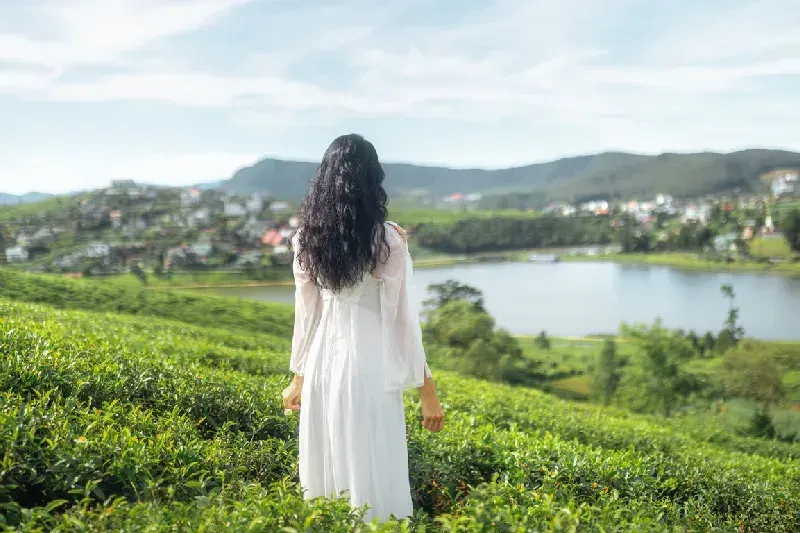
Gregory Lake is one of the town’s most popular recreational areas. Originally built during the British colonial period, the lake today serves as a scenic spot for relaxation and outdoor activities. You can enjoy:
The surrounding park makes Gregory Lake a favorite destination for families and couples.
Located about 10 kilometers from Nuwara Eliya, Hakgala Botanical Garden is the second-largest botanical garden in Sri Lanka.
Highlights include:
The garden sits at the base of Hakgala Rock, creating a stunning natural backdrop.
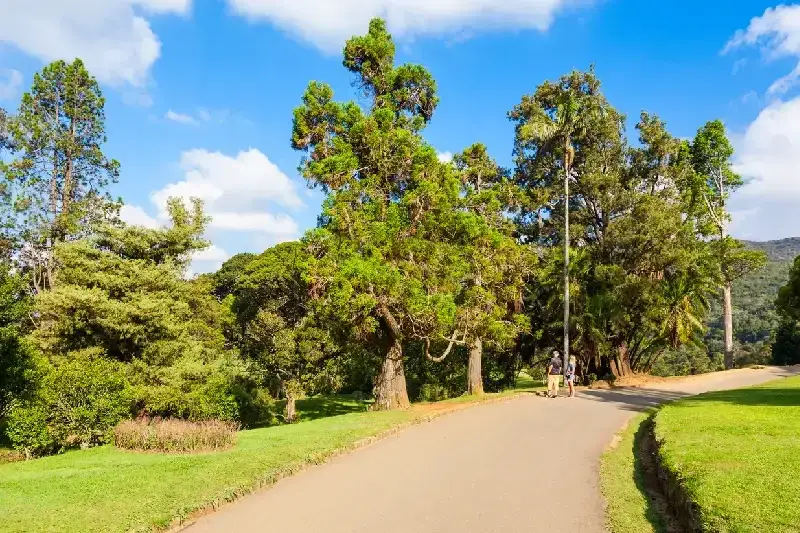
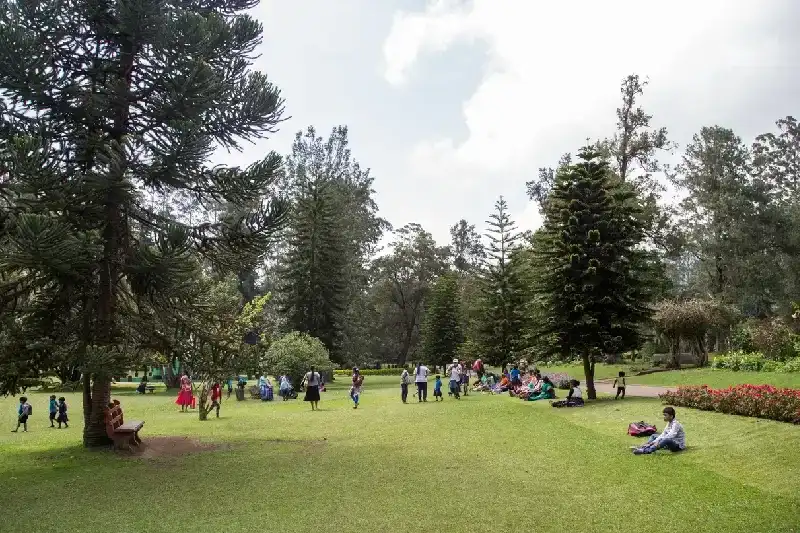
Victoria Park is a beautifully maintained public park located in the center of town. Established in 1897, the park was named in honor of Queen Victoria.
It is known for:
Bird watchers often visit the park hoping to see species such as the Indian blue robin and Sri Lanka white-eye.
Located about 30 kilometers from Nuwara Eliya, Horton Plains is one of Sri Lanka’s most beautiful national parks.
Key highlights include:
The park’s most famous attraction is World's End, a dramatic cliff with a drop of about 870 meters offering breathtaking panoramic views.
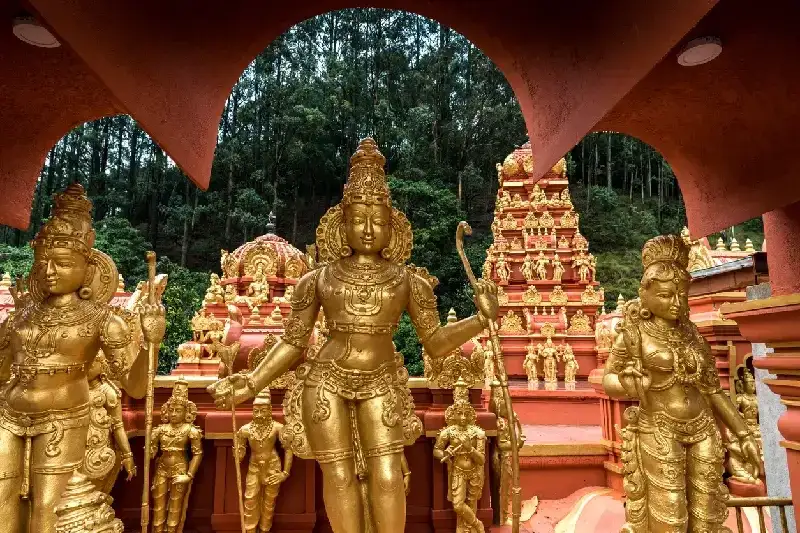
This colorful Hindu temple is believed to be connected to the ancient Indian epic Ramayana. According to legend, the temple marks the location where Sita was held captive by Ravana.
Travelers visiting Nuwara Eliya can enjoy a wide range of activities.
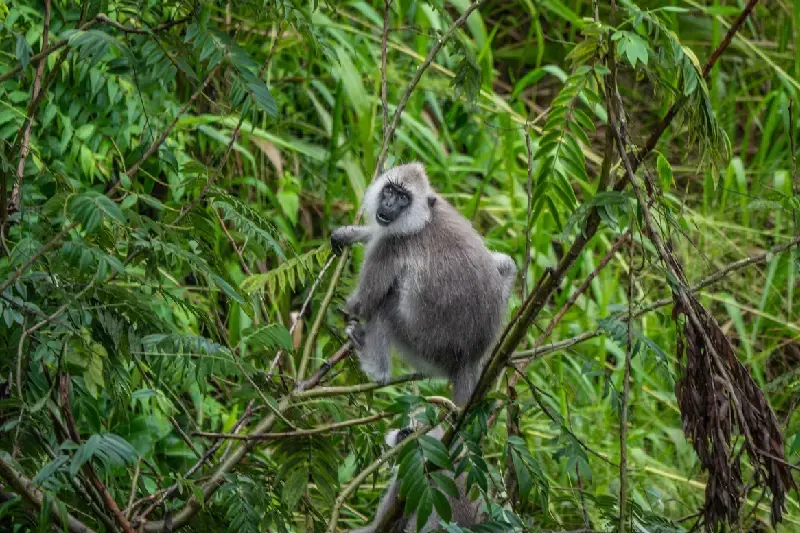
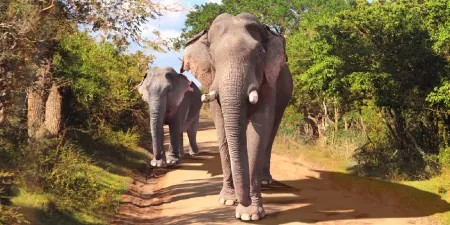
The surrounding highlands support diverse wildlife thanks to their unique ecosystem.
Animals Found in the Region:
The area is also a paradise for bird watchers, with species such as:
Many of these animals can be spotted in nearby protected areas like Horton Plains National Park.
Although Nuwara Eliya has a strong colonial heritage, it also reflects the diverse culture of Sri Lanka.
You can experience a blend of traditions, cuisines, and festivals that reflect Sri Lanka’s multicultural society. Local markets sell fresh vegetables, fruits, and handmade goods produced in the surrounding countryside.
Nuwara Eliya can be visited year-round, but some months offer better weather for sightseeing.
April is especially lively because of the Nuwara Eliya Season, which includes horse races, flower shows, and cultural celebrations.
Nuwara Eliya is accessible by road and rail from several major cities in Sri Lanka.
One of the most scenic ways to reach the area is by train to Ella or Hatton, followed by a short drive through the mountains. The railway journey through Sri Lanka’s tea country is considered one of the most beautiful train rides in the world.
For travelers exploring Sri Lanka, Nuwara Eliya provides a refreshing contrast and a deeper look into the island’s colonial heritage, natural beauty, and tea traditions. Explore our Sri Lanka tours and start planning your adventure today!
Nuwara Eliya is famous for its cool climate, tea plantations, and colonial architecture. It’s called “Little England” and is known for misty hills, gardens, and scenic natural attractions like Horton Plains National Park.
Yes, it’s worth visiting for its beautiful mountain scenery, tea estates, and colonial charm. Nuwara Eliya offers a cool retreat and easy access to natural attractions like World's End.
Visitors can explore tea plantations, stroll around Gregory Lake, visit Victoria Park and Hakgala Botanical Garden, and go hiking or wildlife spotting in nearby national parks.
One to two days is enough. One day covers the main town attractions, and two days allow time for Horton Plains National Park and surrounding nature.
The best time is February to April for clear weather. April is also popular for the Nuwara Eliya Season festival with flower shows and horse races, but the town can be visited year-round.
It’s called “Little England” due to its British colonial influence, English-style cottages, gardens, and cool green landscapes resembling rural England.
You can reach Nuwara Eliya by car (5–6 hours), bus, or scenic train to Hatton or Nanu Oya, then drive to the town. The train journey through tea hills is especially scenic.
Your complete guide to Colombo, Sri Lanka: discover sights, food, nightlife, guided tours, weather, and travel tips for every visitor.
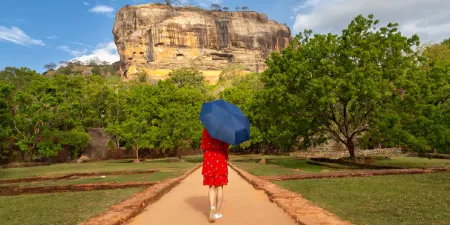
Sigiriya Lion Rock is Sri Lanka’s legendary rock fortress, known for its history, frescoes, and unforgettable panoramic scenery.
Discover Kandy with our guide to temples, scenic lake, cultural shows, and top attractions for an unforgettable visit.
Experience Ella, Sri Lanka, lush landscapes, scenic train rides, and peaceful vibes. Your complete guide to things to do and when to visit.
Plan your visit to Yala National Park in Sri Lanka. Discover wildlife, safari experiences, best seasons, and travel tips for this iconic nature reserve.
Discover Galle, Sri Lanka: historic Fort, beautiful beaches, vibrant streets, and unforgettable coastal charm.
Find the best things to do in Nuwara Eliya, from tea plantations to scenic parks and mountains in Sri Lanka’s charming hill station.
Udawalawe National Park offers incredible elephant sightings, wildlife safaris, and beautiful scenery. Learn the best time to visit and travel tips.
Negombo is more than an airport stopover. Explore its fishing culture, Little Rome churches, Dutch canals, and fresh seafood. Full guide inside.
Weligama, Sri Lanka's Sandy Village, your complete guide to beaches, surfing, things to do, and travel tips on the southern coast.
Explore Anuradhapura in Sri Lanka, home to sacred Buddhist sites, ancient ruins, massive dagobas, and unforgettable cultural experiences.
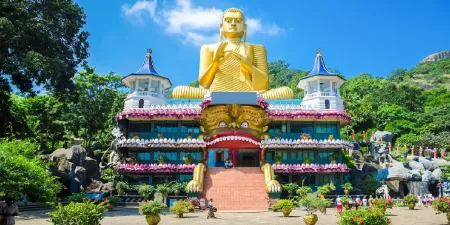
Plan your visit to Dambulla Cave Temple with top highlights like cave murals, Buddha statues, panoramic views, plus useful visitor tips.
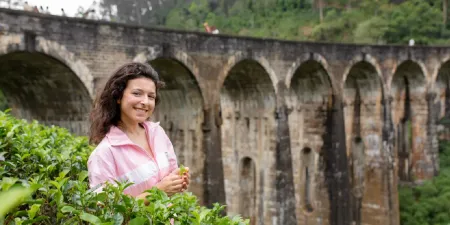
Visit Nine Arch Bridge and enjoy stunning views, scenic train crossings, hiking trails, and one of the country’s top attractions.
Explore the best things to do in Habarana, from jeep safaris and birdwatching to visiting nearby temples and ancient Sri Lankan cities.
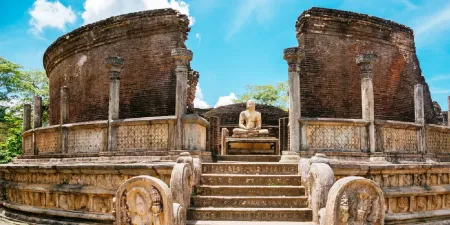
Once the royal capital of Sri Lanka, Polonnaruwa showcases impressive ruins, sacred monuments, and remarkable ancient engineering.