Sigiriya Lion Rock Fortress: Complete Guide

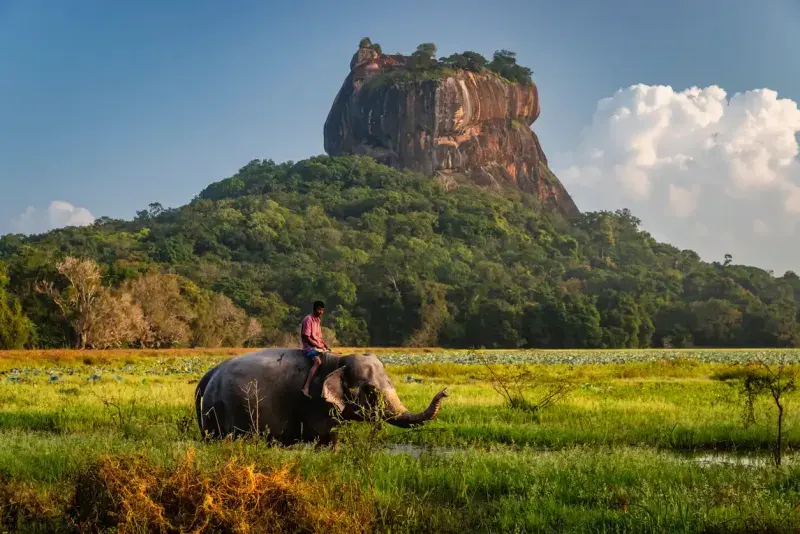
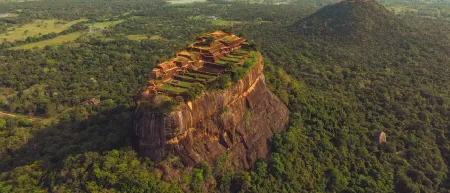
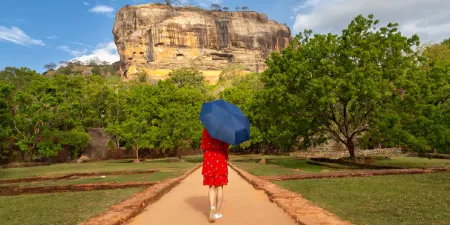
Rising nearly 200 meters from the flat plains of central Sri Lanka, Sigiriya is one of those places that makes you stop and wonder how on earth it was built. This massive column of rock, crowned with the ruins of an ancient palace, isn't just impressive, it's absolutely mind-blowing when you consider it was constructed over 1,500 years ago.
So what exactly is Sigiriya? At its heart, it's an ancient rock fortress built by King Kashyapa in the 5th century AD. But calling it just a fortress doesn't do it justice. This is a complete ancient city that showcases some of the most advanced urban planning and hydraulic engineering of its time. The name "Sigiriya" translates to "Lion Rock," and when you see the massive lion paws carved into the rock face, you'll understand why.
Sigiriya's fame extends far beyond Sri Lanka. In 1982, UNESCO recognized it as a World Heritage Site, cementing its status as one of the world's most important archaeological treasures. It's considered the eighth wonder of the ancient world by many, and once you visit, you'll probably agree.
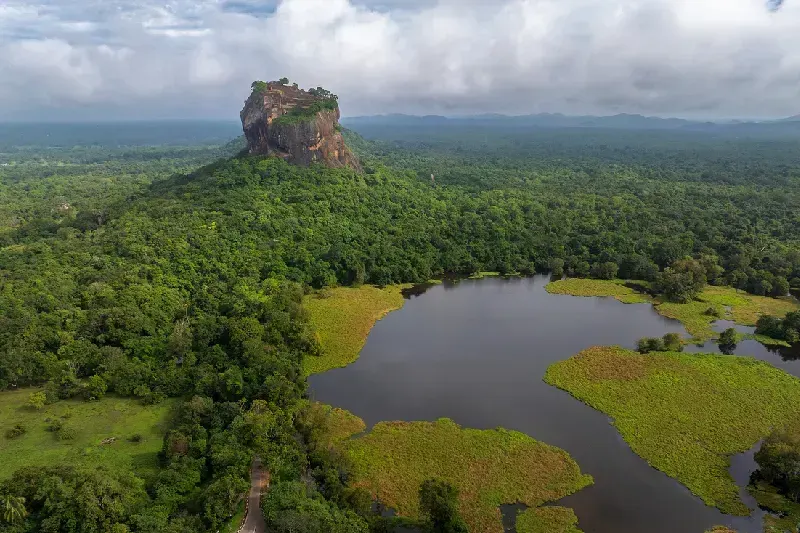
Sigiriya sits pretty much in the heart of Sri Lanka's Cultural Triangle, in the Matale District of the Central Province. It's perfectly positioned for travelers exploring the island's ancient cities and historical sites.
From Colombo, the commercial capital, you're looking at about 170 kilometers (roughly 105 miles) northeast. The drive typically takes around 4-5 hours, depending on traffic. If you're coming from Kandy, the cultural capital nestled in the hills, it's a more manageable 90 kilometers (about 56 miles) and takes around 2-3 hours.
The story of Sigiriya reads like a Shakespearean drama, complete with patricide, paranoia, and ultimate tragedy. In 477 AD, Prince Kashyapa committed the ultimate crime, he overthrew and killed his father, King Dhatusena, to seize the throne. Fearing revenge from his rightful heir brother Moggallana, who fled to India, Kashyapa needed an impregnable fortress.
His solution? Build a palace atop this massive rock formation. For eighteen years, Kashyapa ruled from his sky-high citadel, surrounded by elaborate gardens, pools, and defenses. The rock became both his palace and his prison, a gilded cage of his own making.
But karma has a way of catching up. In 495 AD, Moggallana returned with an army. According to legend, during the battle, Kashyapa's elephant took a wrong turn, and his troops, thinking he was retreating, fled. Rather than face capture, Kashyapa took his own life on the battlefield.
After Kashyapa's death, the rock fortress was abandoned as a royal residence and transformed into a Buddhist monastery, which it remained for several centuries until the 14th century. The site was then largely forgotten by all but locals until British colonials "rediscovered" it in the 19th century.
What makes Sigiriya truly remarkable is not only its dramatic setting but the sophistication of its design. The ancient engineers who built the complex achieved a level of innovation rarely seen in the region at the time.
The water gardens at the base of the rock are among the oldest landscaped gardens in the world. They feature an advanced system of pools, channels, fountains, and hydraulic mechanisms, some of which still function during the rainy season more than 1,500 years later.
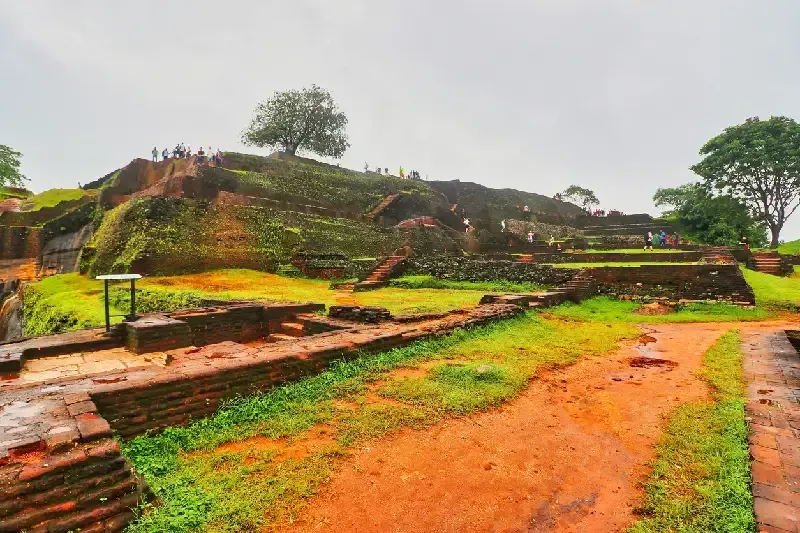
The site follows a symmetrical layout divided into three main zones: water gardens, boulder gardens, and terraced gardens. Each served both aesthetic and practical purposes. The water gardens helped cool the area and acted as defensive barriers, while the boulder gardens integrated natural rock formations into pathways and structures.
Sigiriya also demonstrates advanced urban planning, including rainwater management, erosion control, and flood prevention systems. Defensively, the steep rock walls and single narrow stairway made the fortress extremely difficult to capture.
Get in touch with our local experts for an unforgettable journey.
Plan Your Trip
About halfway up the rock, protected in a sheltered pocket of the cliff face, you'll encounter something truly special: the Sigiriya frescoes. These vibrant paintings of female figures, often called the "Sigiriya Maidens" or "Cloud Damsels," are among the few surviving examples of ancient Sinhalese secular art.
Originally, there may have been as many as 500 of these paintings covering much of the western face of the rock. Today, only 22 survive, but what remains is breathtaking. The figures are painted in vivid reds, yellows, and greens that have somehow maintained their brilliance through centuries of exposure to the elements.
Who are these women? That's been debated for years. Some scholars believe they're apsaras (celestial nymphs), others think they might be portraits of Kashyapa's concubines, and some suggest they represent devotional offerings. The women are depicted from the waist up, emerging from clouds, adorned with elaborate jewelry and flowers.
Just past the frescoes, you'll walk along the Mirror Wall, a polished wall that once gleamed so brightly it reflected the king's image as he walked beside it. This wall was created by coating brick and lime with a highly polished plaster made from lime, egg whites, and wild honey.
But what makes the Mirror Wall truly fascinating isn't its shine, it's the graffiti. Between the 6th and 14th centuries, visitors to Sigiriya scratched and painted over 1,800 verses and comments onto this wall. These aren't your typical "Bob was here" scribbles. Many are sophisticated poems written in classical Sinhalese, expressing visitors' reactions to the beauty of the frescoes and the majesty of the site.
These inscriptions provide an incredible window into the past. They tell us who visited Sigiriya (scholars, poets, monks, soldiers, lovers), what they thought about it, and how people communicated centuries ago.
Let's talk about the climb, a must-see highlight on many Sri Lanka tours. From base to summit, you're looking at approximately 1,200 steps. Now, before you panic, these aren't uniform modern steps. They vary from ancient rock-cut stairs to modern metal staircases, with plenty of platforms for rest.
The difficulty level is moderate. If you have reasonable fitness and take your time, you'll be fine. The first section through the gardens is flat. The real climbing starts after the frescoes. The most dramatic section comes near the top, where you pass between the giant lion paws and climb a somewhat vertiginous metal staircase attached to the rock face.
The entire climb typically takes 1.5 to 2 hours up, and about an hour down. Bring water, you'll need it. The rock offers little shade, and the Sri Lankan sun is no joke.
The best time to climb is early morning, starting around 7-8 AM. You'll avoid the worst heat, the crowds, and catch stunning light for photography.
At the summit, you're rewarded with panoramic views of the surrounding countryside and the remnants of Kashyapa's palace: foundations of buildings, a throne cut from solid rock, a swimming pool, and the outline of what was once one of the world's most remarkable royal residences.
Sigiriya charges different entrance fees based on nationality. Foreign adult visitors typically pay around $30–35 USD, while children receive reduced rates. SAARC country nationals and Sri Lankan citizens pay significantly lower fees.
The site generally opens around 8:00 AM and closes between 5:00 and 5:30 PM, with last entry usually permitted around 4:00–4:30 PM. Opening hours may vary slightly, so it`s better to check current information before planning your visit.
Pro tip: Buy your tickets early in the morning or book online if possible to avoid queues during peak tourist season.
Sri Lanka experiences two monsoon seasons, making timing important. The best months to visit Sigiriya are generally during the dry periods from January to April and August to September, when skies are clearer and climbing conditions are more comfortable.
However, Sigiriya can be visited year-round. The wet season typically brings brief afternoon showers rather than constant rain, and some travelers prefer this time for fewer crowds and greener landscapes.
For the best experience, consider arriving early when the site opens (around 8:00 AM) to avoid heat and tour groups. Late afternoon visits also offer cooler temperatures and beautiful light, but visitors should allow enough time before closing.
Don't just visit Sigiriya and leave, the surrounding area is packed with incredible experiences.
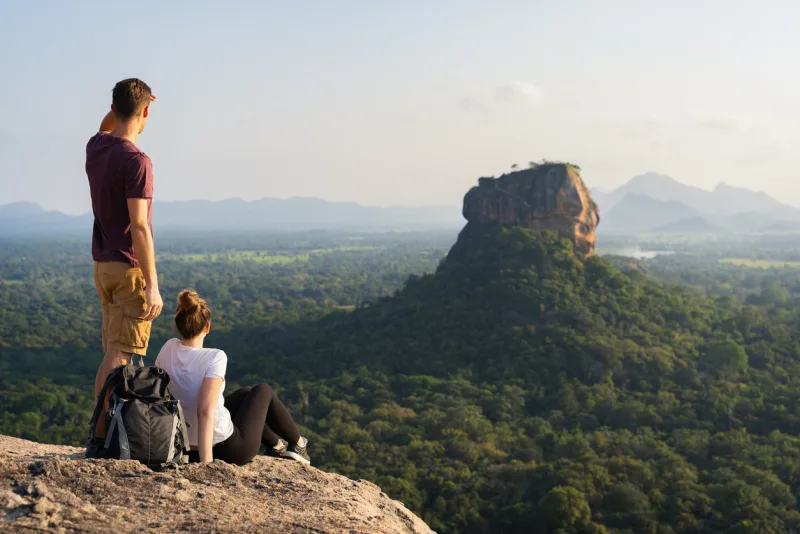
Sits just north of Sigiriya and offers what many consider an even better view, of Sigiriya itself. The climb is less developed but rewarding, and it's popular for sunrise. The entrance fee is much lower, and there's an ancient monastery at the base.
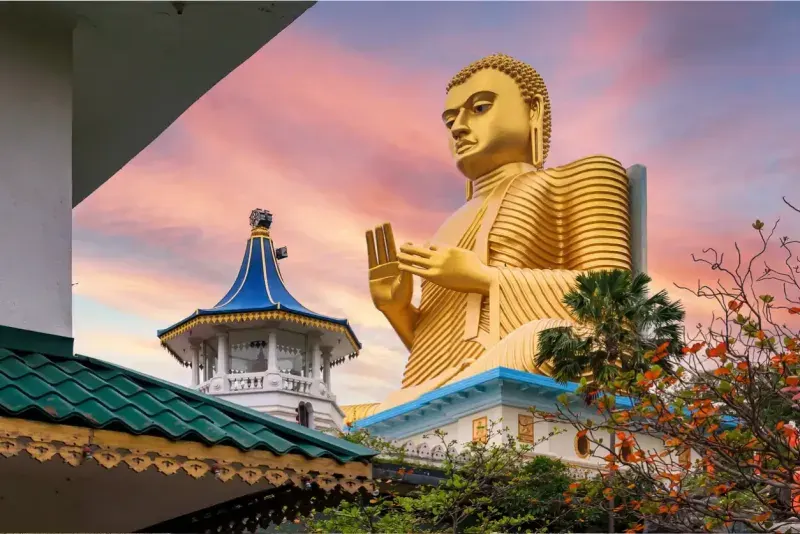
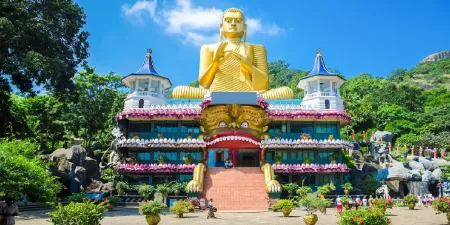
About 20 kilometers south, is another UNESCO World Heritage Site. This complex of five caves houses over 150 Buddha statues and exquisite murals covering over 2,000 square meters of cave walls.
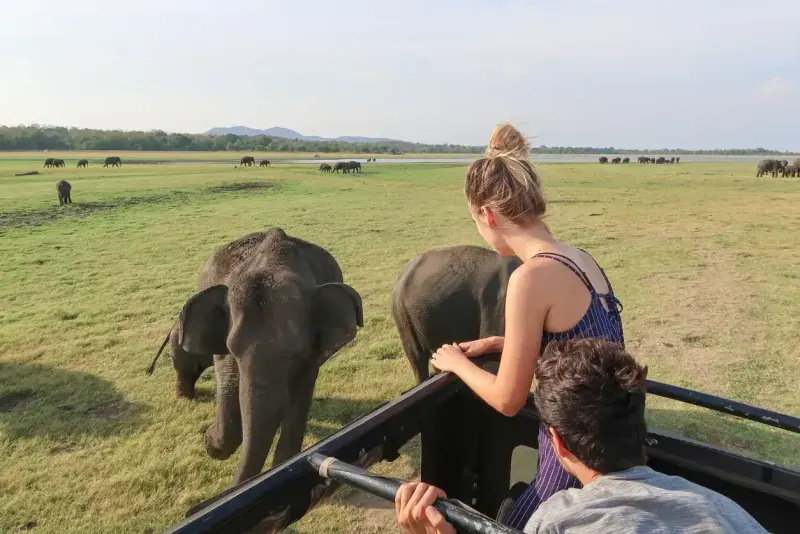
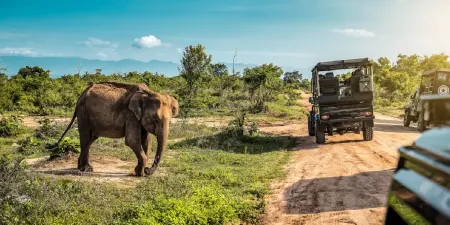
is famous for "The Gathering", one of the largest Asian elephant congregations in the world, typically occurring between July and September. Safari tours from Sigiriya are easily arranged.
Local village tours offer a glimpse into rural Sri Lankan life. You can experience traditional cooking, bullock cart rides, catamaran trips on lakes, and authentic home-cooked meals.
Sigiriya is more than just a tourist attraction, it's a testament to human ambition, creativity, and engineering brilliance that has endured for over fifteen centuries. Whether you're a history buff, architecture enthusiast, or simply someone who appreciates breathtaking views, Sigiriya delivers an experience you won't forget.
Sigiriya was built in the 5th century by King Kashyapa after he took the throne from his father. He built a palace on top of the rock for protection, but was later defeated by his brother. The site was eventually used as a Buddhist monastery.
Sigiriya stands out for its unique mix of history, engineering, art, and natural beauty. It features an ancient palace, advanced water gardens, frescoes, and stunning panoramic views.
The climb is moderately challenging, with about 1,200 steps. It can be steep and hot, but most people with average fitness can manage it.
It’s famous for its sky palace ruins, lion’s paws entrance, colorful frescoes, and 5th-century water gardens. It’s also a UNESCO World Heritage Site.
Most visits take around 2–3 hours, including the climb and time at the top.
Your complete guide to Colombo, Sri Lanka: discover sights, food, nightlife, guided tours, weather, and travel tips for every visitor.
Sigiriya Lion Rock is Sri Lanka’s legendary rock fortress, known for its history, frescoes, and unforgettable panoramic scenery.
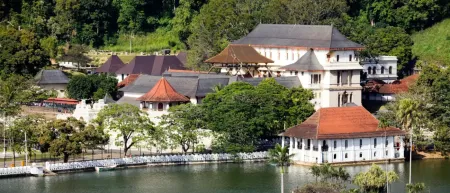
Discover Kandy with our guide to temples, scenic lake, cultural shows, and top attractions for an unforgettable visit.
Experience Ella, Sri Lanka, lush landscapes, scenic train rides, and peaceful vibes. Your complete guide to things to do and when to visit.
Plan your visit to Yala National Park in Sri Lanka. Discover wildlife, safari experiences, best seasons, and travel tips for this iconic nature reserve.
Discover Galle, Sri Lanka: historic Fort, beautiful beaches, vibrant streets, and unforgettable coastal charm.
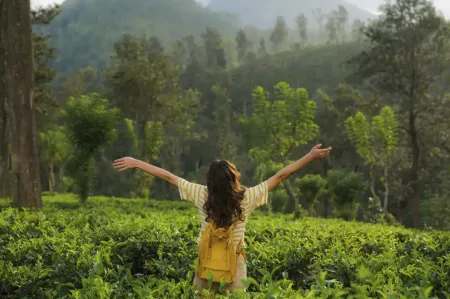
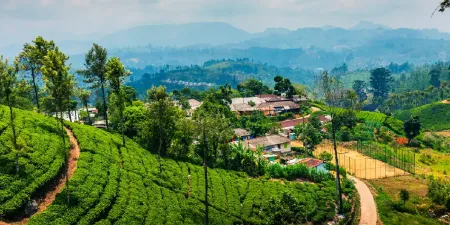
Find the best things to do in Nuwara Eliya, from tea plantations to scenic parks and mountains in Sri Lanka’s charming hill station.
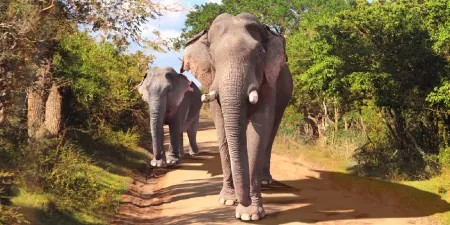
Udawalawe National Park offers incredible elephant sightings, wildlife safaris, and beautiful scenery. Learn the best time to visit and travel tips.
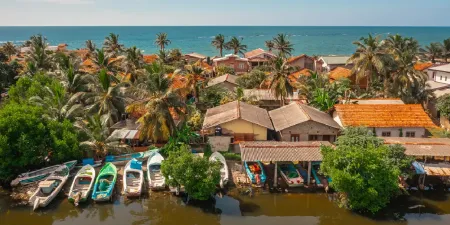
Negombo is more than an airport stopover. Explore its fishing culture, Little Rome churches, Dutch canals, and fresh seafood. Full guide inside.
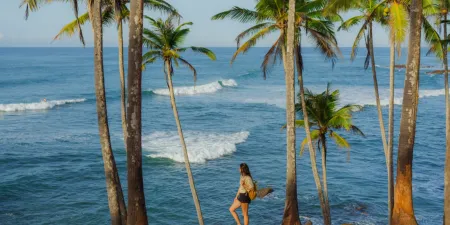
Weligama, Sri Lanka's Sandy Village, your complete guide to beaches, surfing, things to do, and travel tips on the southern coast.
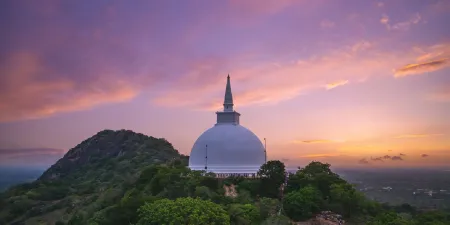
Explore Anuradhapura in Sri Lanka, home to sacred Buddhist sites, ancient ruins, massive dagobas, and unforgettable cultural experiences.
Plan your visit to Dambulla Cave Temple with top highlights like cave murals, Buddha statues, panoramic views, plus useful visitor tips.
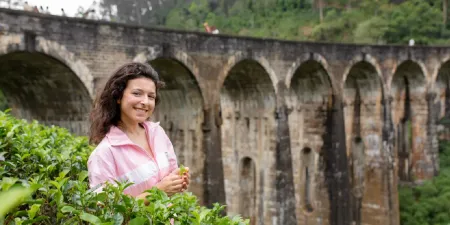
Visit Nine Arch Bridge and enjoy stunning views, scenic train crossings, hiking trails, and one of the country’s top attractions.
Explore the best things to do in Habarana, from jeep safaris and birdwatching to visiting nearby temples and ancient Sri Lankan cities.
Once the royal capital of Sri Lanka, Polonnaruwa showcases impressive ruins, sacred monuments, and remarkable ancient engineering.