Yala National Park: Sri Lanka's Top Wildlife Spot
Yala National Park is one of the most celebrated wildlife destinations in all of Asia, and it sits proudly in the southeastern corner of Sri Lanka Covering roughly 979 square kilometres of diverse ecosystems, it draws wildlife lovers, photographers, and adventurers from every corner of the globe. Whether you are a seasoned safari traveller or stepping into the wild for the very first time, Yala has a way of leaving you completely spellbound.
The park is perhaps best known for having one of the highest densities of leopards in the world, a fact that has made it a bucket-list destination for big cat enthusiasts. But Yala is so much more than just leopards. Elephants, sloth bears, crocodiles, and a dazzling cast of bird species all call this place home.
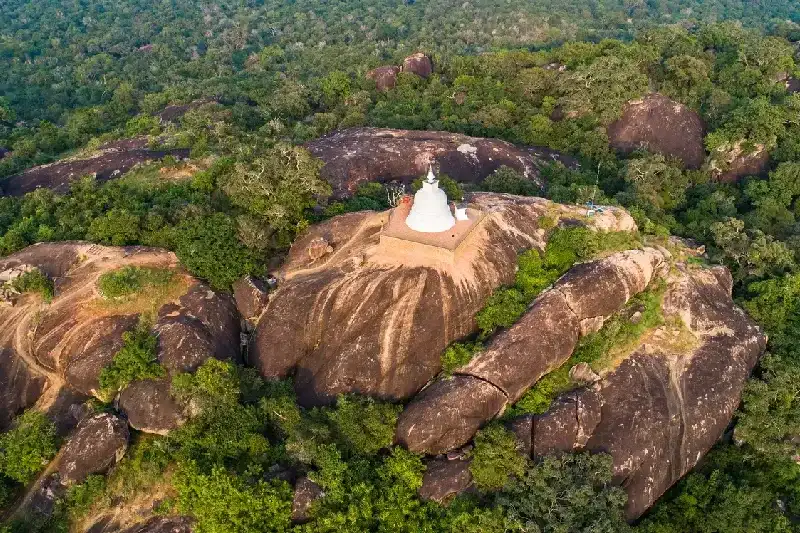
Yala has deep historical roots that stretch back well before it became a protected area. The region was once used by the ancient Sinhalese kingdom and contains ruins that hint at a rich civilisation that flourished here centuries ago. The Sithulpawwa rock temple, a Buddhist monastery believed to date back to the 2nd century BC, still stands within the park boundaries today.
The area was first designated as a wildlife sanctuary in 1900 during British colonial rule, and it became a national park in 1938, making it one of the oldest in Sri Lanka. It was originally called Ruhuna National Park, a name that still surfaces in local conversations from time to time.
One of the more remarkable chapters in Yala's history is its survival of the 2004 Indian Ocean tsunami. The disaster struck the coast hard, and parts of the park were flooded. Yet remarkably, few animal casualties were reported, widely regarded as a testament to wildlife's instinctive awareness of natural disasters. The park recovered, and the ecosystems bounced back with impressive speed.
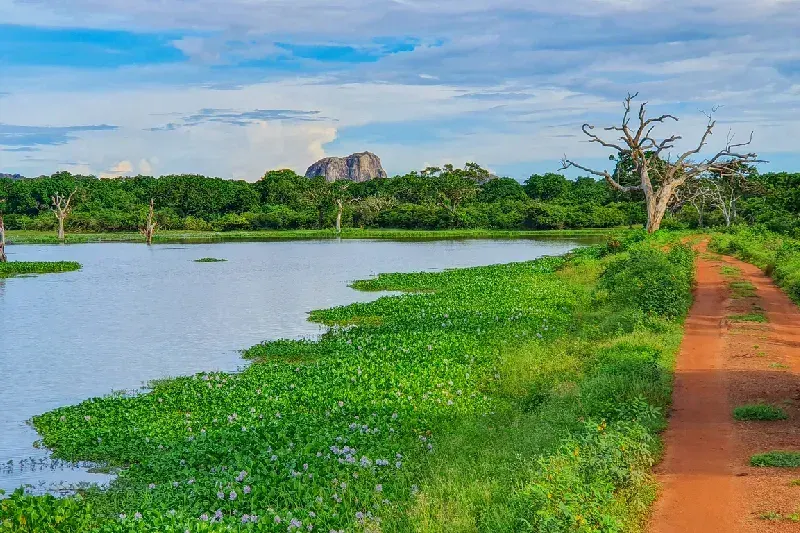
Yala is divided into five blocks, with Yala Block I being the most visited and the only section permanently open to tourists. The landscape is remarkably varied, from arid scrubland and open grasslands to dense jungle, coastal lagoons, and sandy beaches. This diversity of habitats is precisely what makes Yala such a productive wildlife-viewing destination.
The coastline along the southern edge of the park adds another layer of ecological richness, with brackish lagoons providing habitat for migratory birds and estuarine crocodiles. Inland, rocky outcrops and small water bodies become focal points during the dry season when animals gather to drink.
Sri Lanka's southeastern region has two distinct seasons, and both influence Yala in interesting ways. The dry season, which runs roughly from February to July, is generally considered the best time to visit. Water sources dry up, which concentrates wildlife around the remaining pools and makes sightings much more reliable. Vegetation thins out too, giving clearer views into the scrub.
The wet season, from October to January, brings heavy rainfall and dense vegetation, and the park is often closed partially during peak months for maintenance and conservation purposes.
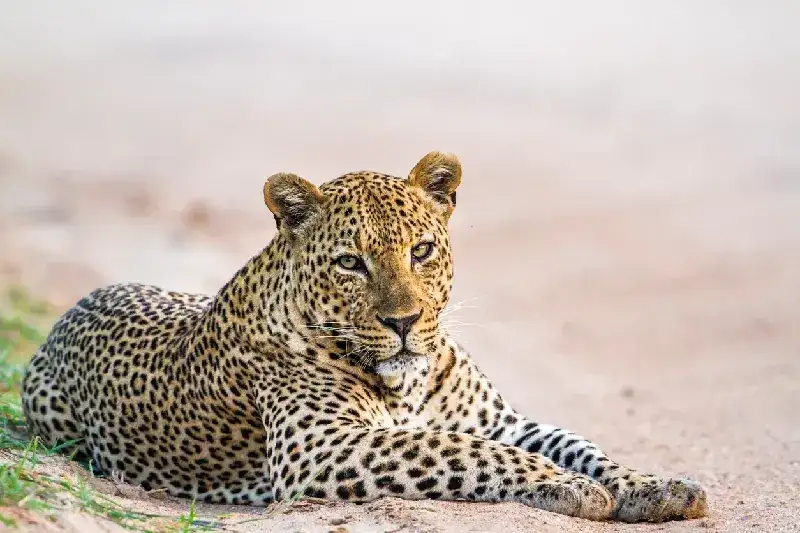
No conversation about Yala is complete without talking about its leopards. The Sri Lankan leopard (Panthera pardus kotiya) is a subspecies found only on the island, and Yala hosts the densest population in the world. Spotting one is a genuine possibility here, not a lucky fluke. These cats are more accustomed to vehicles than leopards in many African reserves, which means sightings can be breathtakingly close.
Guides who know the park well can read the landscape brilliantly, tracking paw prints in the dust and listening to alarm calls from deer and peacocks. If you are serious about a leopard sighting, going out with a knowledgeable local guide makes all the difference.
Get in touch with our local experts for an unforgettable journey.
Plan Your Trip
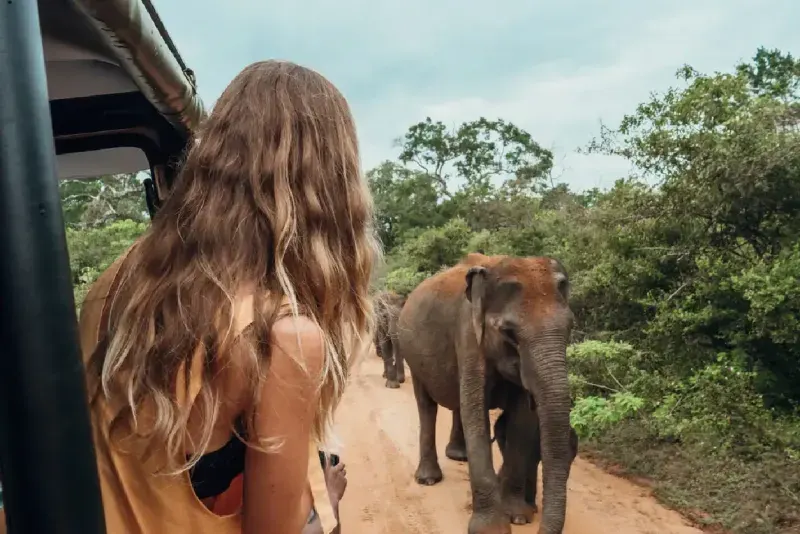
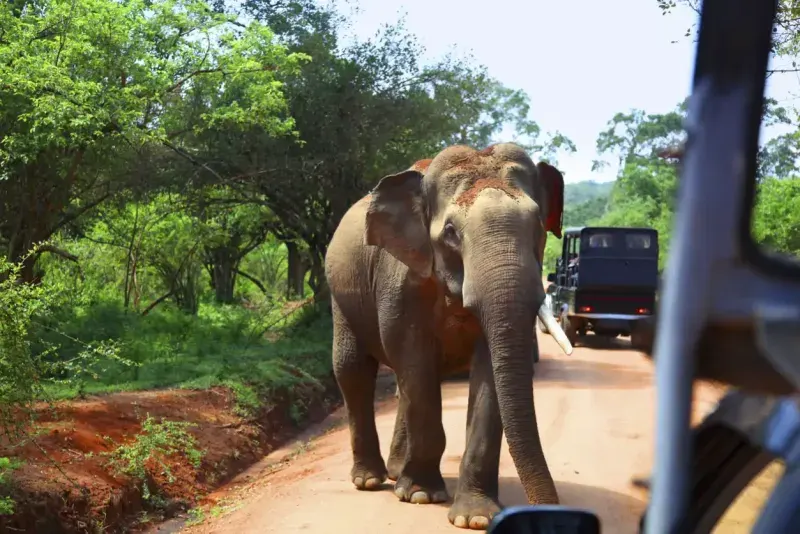
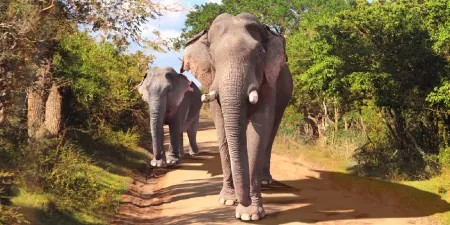
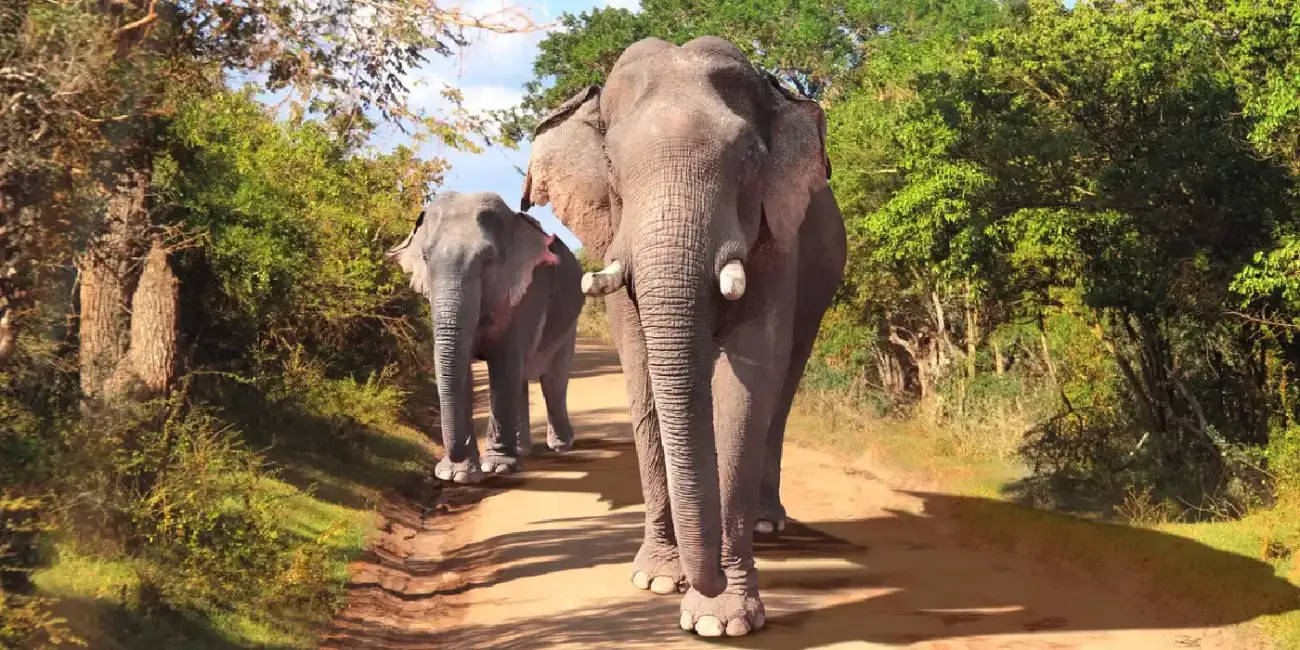
Sri Lankan elephants roam Yala in considerable numbers, and encountering a herd moving through the scrub at dusk is an unforgettable experience. The park is also one of the best places in the world to see sloth bears in the wild, a genuinely shy creature that is notoriously tricky to spot elsewhere.
Other mammals you might come across include:
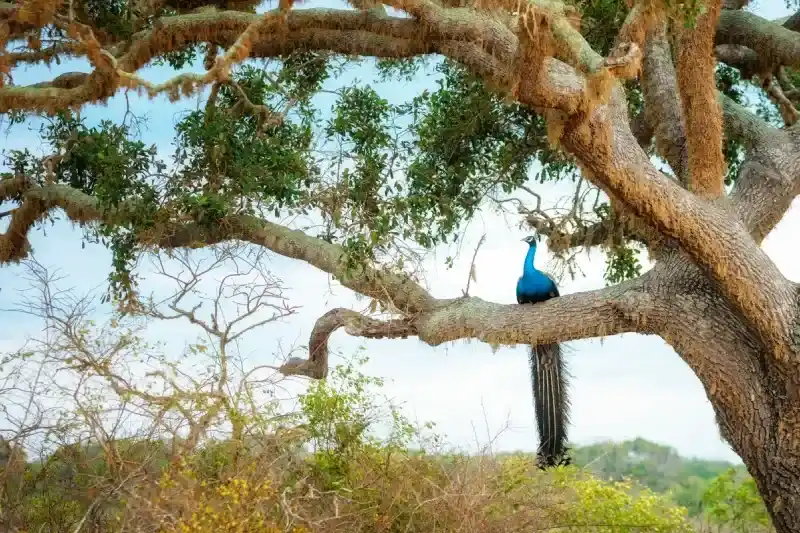
For birdwatchers, Yala is a paradise. Over 215 bird species have been recorded here, including six species endemic to Sri Lanka. The painted stork, Indian peafowl, crested serpent eagle, and black-necked stork are among the showstoppers. During the migratory season, the lagoons attract flamingos and a host of wading birds from Europe and Central Asia.
Yala sits about 300 kilometres southeast of Colombo, and the drive typically takes five to six hours depending on traffic and your route. The nearest town of any size is Tissamaharama, which serves as the main hub for visitors. Most travellers either drive from Colombo, take a bus, or arrange a transfer as part of a guided tour.
If you are coming from Galle or the southern coast, the drive is shorter and passes through some genuinely lovely countryside.
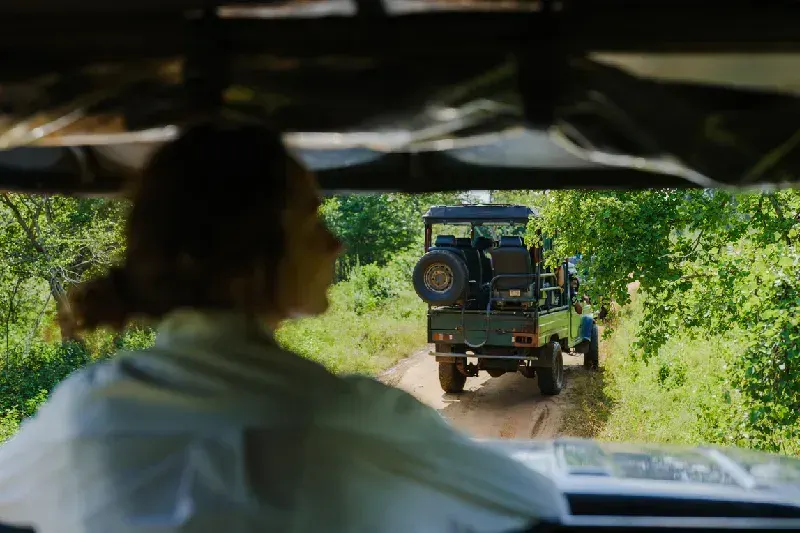
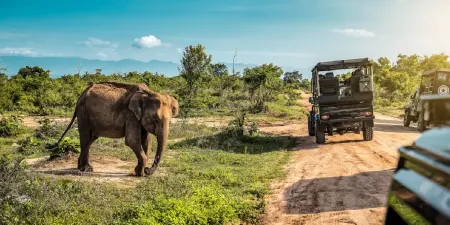
Safaris in Yala are conducted in jeeps, and it is mandatory to be accompanied by a licensed guide. Morning safaris (starting around 6:00 AM) and afternoon safaris (starting around 2:30 PM) are the two main options. The morning slot is generally preferred for leopard sightings when the big cats are most active.
Entry to the park requires purchasing tickets at the gate, and costs vary for foreign nationals versus local visitors. It is worth booking your jeep and guide in advance during peak season (February to July), as popular guides fill up quickly.
Accommodation options range from simple guesthouses in Tissamaharama to luxury tented camps and eco-lodges right at the park's edge. Staying closer to the park entrance means you can get on the road for the early morning safari without a long drive, which is a real advantage.
Some of the better-regarded lodges offer their own safari packages with resident naturalists, a great option if you want a more immersive, educational experience.
Yala sits within a historically significant region, and several archaeological sites are accessible to visitors. The Sithulpawwa rock temple is one of the most compelling, a cave monastery with ancient frescoes and stupas perched dramatically on a granite outcrop inside the park.
Nearby Magul Maha Viharaya is another ancient Buddhist temple worth visiting, believed to be linked to the marriage of King Kavantissa and Queen Viharamahadevi. Spending half a day exploring these sites alongside a wildlife safari gives your Yala visit a much richer cultural dimension.
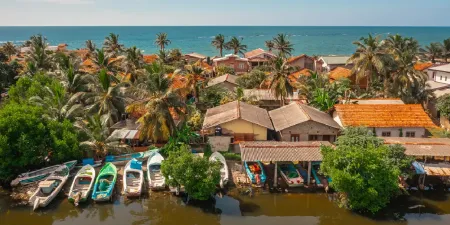
The fishing community at Palatupana, near the park's western boundary, offers a glimpse into the traditional coastal life of southern Sri Lanka. Watching the fishing boats come in at dawn and sampling fresh seafood from roadside stalls is a lovely counterpoint to a morning in the jungle.
Yala faces genuine conservation pressures. The increasing volume of jeep traffic in Block I has become a real concern, with vehicles sometimes crowding around leopard sightings in a way that causes distress to the animals. There have been ongoing discussions between conservation organisations and authorities about limiting jeep numbers and enforcing stricter codes of conduct.
Human-wildlife conflict along the park's borders is another issue, as local farming communities sometimes come into contact with elephants and leopards that venture beyond the park boundary.
Choosing the right operator matters more in Yala than almost anywhere else in Sri Lanka. Reputable guides will keep a respectful distance from animals, switch off engines when stationary, and refuse to bait or disturb wildlife for a photo opportunity. It is worth asking your tour operator about their policy on responsible wildlife watching before you book.
Going with smaller group sizes, staying on designated tracks, and avoiding single-use plastics in the park are small but meaningful contributions you can make as a visitor.
February through June is the sweet spot, dry, hot, and with excellent wildlife concentration. March and April are particularly productive months. Avoid November and December when the park is at its wettest and often partially closed.
Light, neutral-coloured clothing works best, think khaki, olive, or beige rather than white or bright colours. A good pair of binoculars is worth its weight in gold for spotting distant animals and birds. A zoom lens for your camera, sunscreen, insect repellent, and plenty of water round out the essentials.
This cannot be emphasised enough, a knowledgeable local guide transforms the Yala experience. They can identify tracks, interpret animal behaviour, and take you to spots that a first-time visitor would simply drive past. If you are travelling independently, arrange your guide and jeep.
Yala National Park is the kind of place that stays with you long after you have left. The sight of a leopard draped lazily over a rock in the golden afternoon light, a herd of elephants crossing a dry riverbed, or a painted stork wading silently through a lagoon at dawn, these are moments that no photograph quite does justice to.
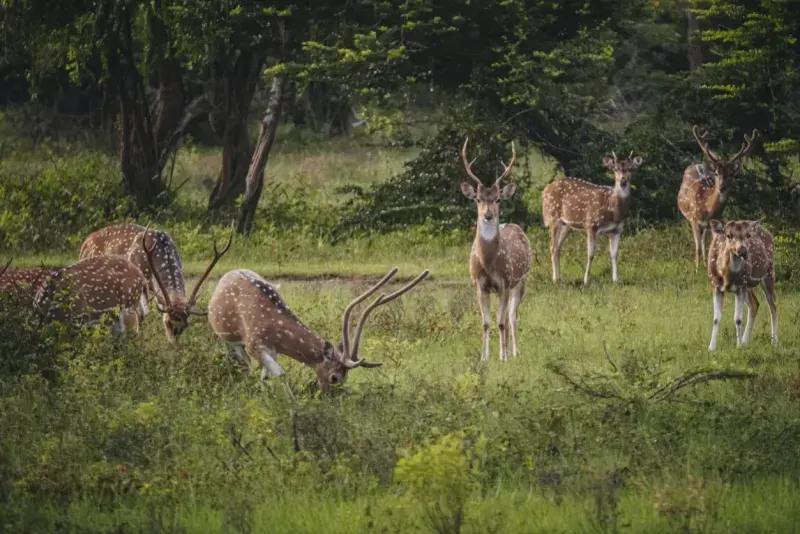
You can see an incredible range of wildlife during a safari in Yala National Park. The park is famous for its high density of Sri Lankan leopards, but you may also spot elephants, sloth bears, crocodiles, jackals, deer, and over 200 species of birds.
The best time for you to visit Yala National Park is usually between February and June, during the dry season. At this time, water sources become limited, which brings animals together around lagoons and watering holes, making wildlife sightings easier.
You can reach Yala National Park from Colombo by car or private transfer in about five to six hours. Many travelers stay in Tissamaharama, the nearest town, which serves as the main base for safari tours and accommodation near the park entrance.
Yes, you must join a safari with a licensed guide and jeep to enter the park. Having a guide helps you spot animals more easily because they know the terrain, animal behavior, and the best areas for wildlife viewing.
You should bring light neutral-colored clothing, sunscreen, insect repellent, a hat, water, binoculars, and a camera with a zoom lens. These essentials will help you stay comfortable and improve your wildlife viewing experience.
Yes, you have a good chance of seeing leopards in Yala National Park because it has one of the highest leopard densities in the world. Early morning and late afternoon safaris are usually the best times for leopard sightings.
Absolutely. If you enjoy birdwatching, you will find Yala National Park a paradise with more than 215 recorded bird species. Migratory birds, colorful peafowl, eagles, and storks are commonly seen around lagoons and wetlands.
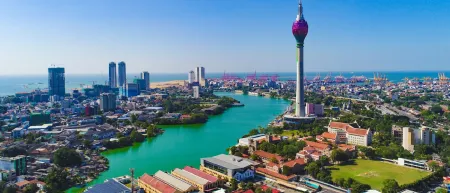
Your complete guide to Colombo, Sri Lanka: discover sights, food, nightlife, guided tours, weather, and travel tips for every visitor.
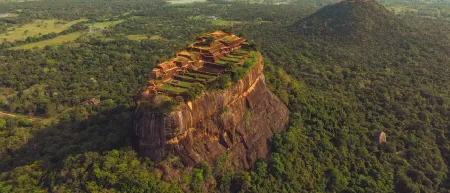
Sigiriya Lion Rock is Sri Lanka’s legendary rock fortress, known for its history, frescoes, and unforgettable panoramic scenery.
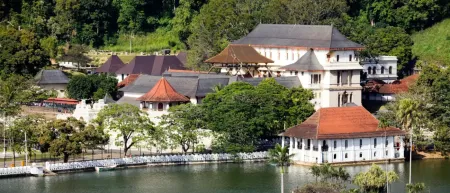
Discover Kandy with our guide to temples, scenic lake, cultural shows, and top attractions for an unforgettable visit.
Experience Ella, Sri Lanka, lush landscapes, scenic train rides, and peaceful vibes. Your complete guide to things to do and when to visit.
Plan your visit to Yala National Park in Sri Lanka. Discover wildlife, safari experiences, best seasons, and travel tips for this iconic nature reserve.
Discover Galle, Sri Lanka: historic Fort, beautiful beaches, vibrant streets, and unforgettable coastal charm.
Find the best things to do in Nuwara Eliya, from tea plantations to scenic parks and mountains in Sri Lanka’s charming hill station.
Udawalawe National Park offers incredible elephant sightings, wildlife safaris, and beautiful scenery. Learn the best time to visit and travel tips.
Negombo is more than an airport stopover. Explore its fishing culture, Little Rome churches, Dutch canals, and fresh seafood. Full guide inside.
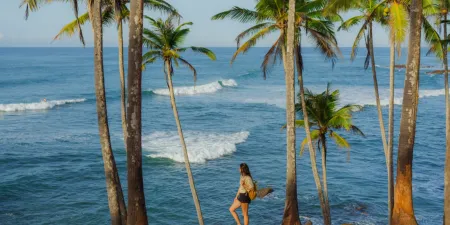
Weligama, Sri Lanka's Sandy Village, your complete guide to beaches, surfing, things to do, and travel tips on the southern coast.
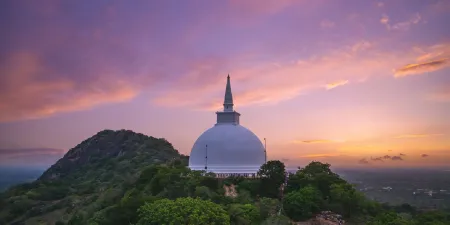
Explore Anuradhapura in Sri Lanka, home to sacred Buddhist sites, ancient ruins, massive dagobas, and unforgettable cultural experiences.
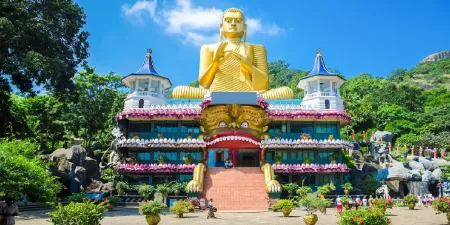
Plan your visit to Dambulla Cave Temple with top highlights like cave murals, Buddha statues, panoramic views, plus useful visitor tips.
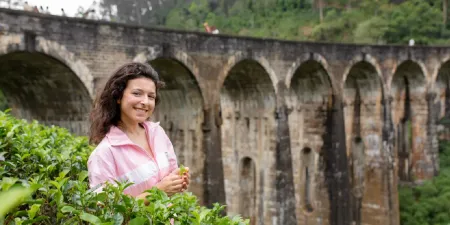
Visit Nine Arch Bridge and enjoy stunning views, scenic train crossings, hiking trails, and one of the country’s top attractions.
Explore the best things to do in Habarana, from jeep safaris and birdwatching to visiting nearby temples and ancient Sri Lankan cities.
Once the royal capital of Sri Lanka, Polonnaruwa showcases impressive ruins, sacred monuments, and remarkable ancient engineering.