Udawalawe National Park Sri Lanka
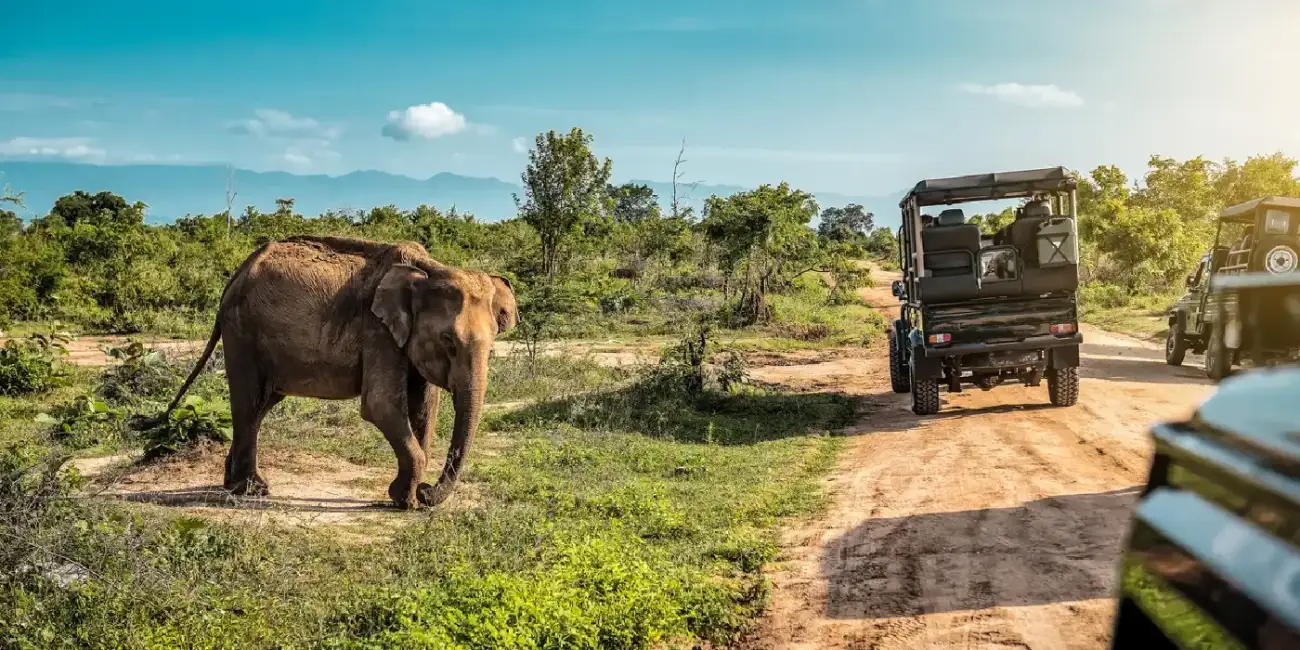
One of the best places on Earth to watch wild Asian elephants roam free, and honestly, one of those travel experiences that stays with you long after you get home.
If you've ever dreamed of watching a herd of wild elephants lumber across an open plain at sunrise, Udawalawe is where that happens. Located in the southern-central region of Sri Lanka, straddling the Sabaragamuwa and Uva provinces, this national park covers over 30,000 hectares of grasslands, scrub jungle, and reservoir wetland.
It was gazetted as a national park in 1972, established initially to protect the catchment area of the Udawalawe Reservoir, formed just a few years earlier when the Walawe River was dammed. What started as a conservation buffer zone became one of Asia's premier wildlife destinations.
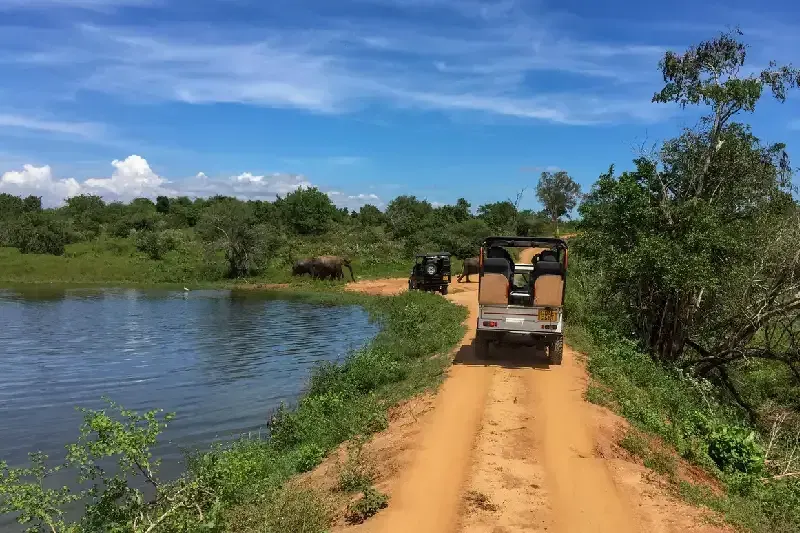
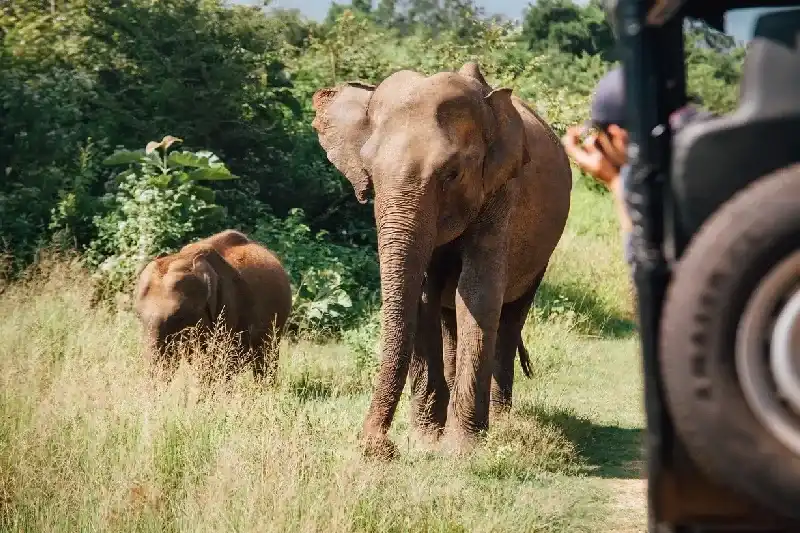
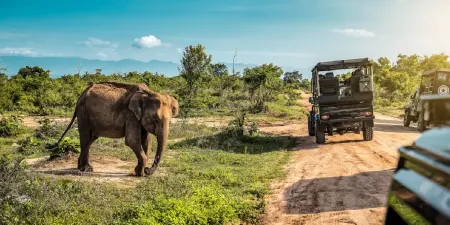
Unlike national parks in Southeast Asia where thick jungle swallows entire herds from view, Udawalawe's open terrain means elephant sightings are almost guaranteed on every visit. That alone makes it something special.
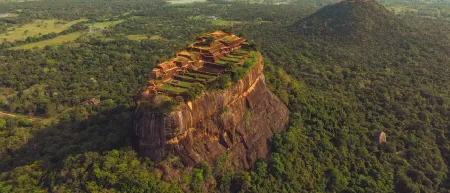
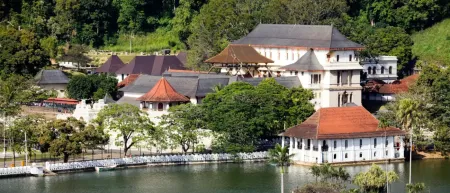
Thinking about visiting Sri Lanka? Udawalawe pairs beautifully with Yala, Sigiriya, and the Cultural Triangle. Explore our Sri Lanka tours!
The park's terrain is a real mix, which is part of why it supports such diverse wildlife. You've got:
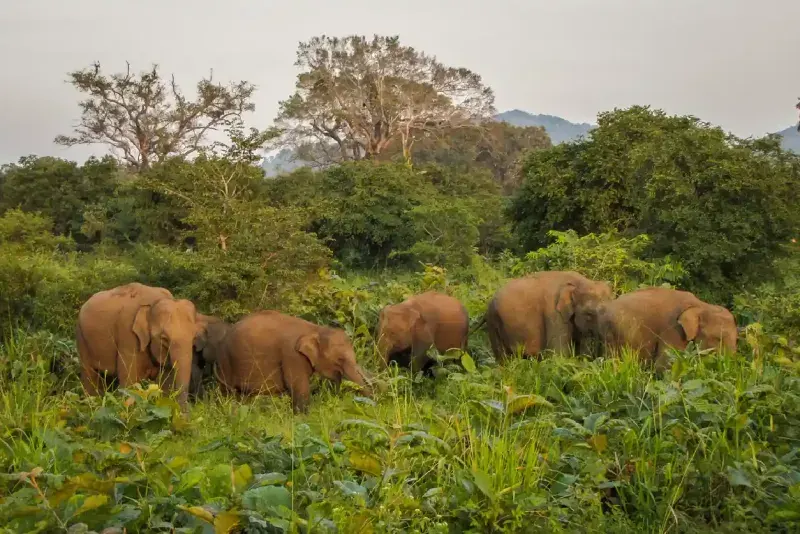
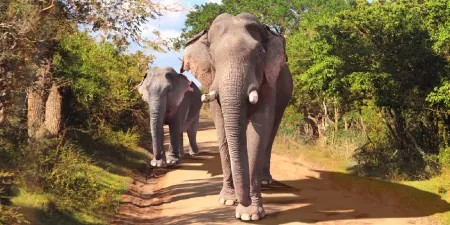
With an estimated 600–700 wild Asian elephants (Elephas maximus), Udawalawe holds one of the largest stable elephant populations in Sri Lanka. These aren't semi-tame lodge elephants, they're wild, multigenerational family herds led by matriarchs, going about their business on their own terms.
Sightings happen throughout the day, but early mornings and late afternoons are where the magic concentrates. Herds gather at the reservoir edges, calves play in shallow water, and the light turns everything gold. If you see one elephant, you'll probably see fifty before the safari is done.
Get in touch with our local experts for an unforgettable journey.
Plan Your Trip
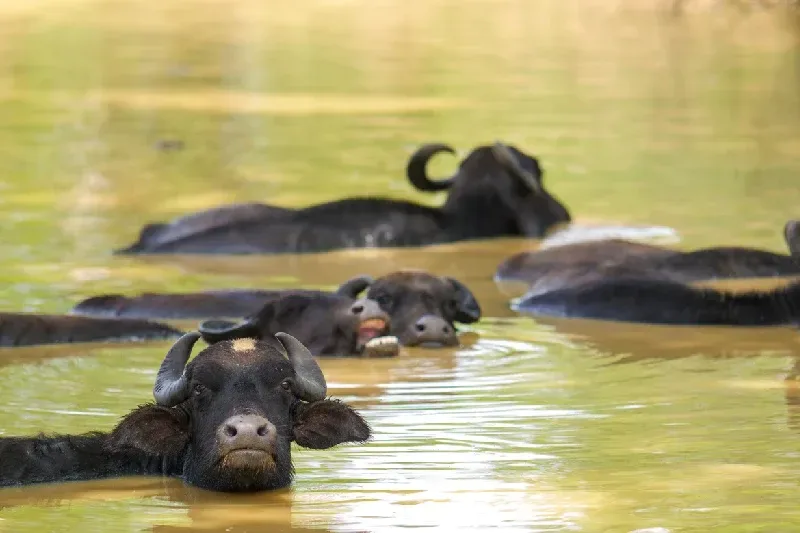
Other mammals worth watching for:
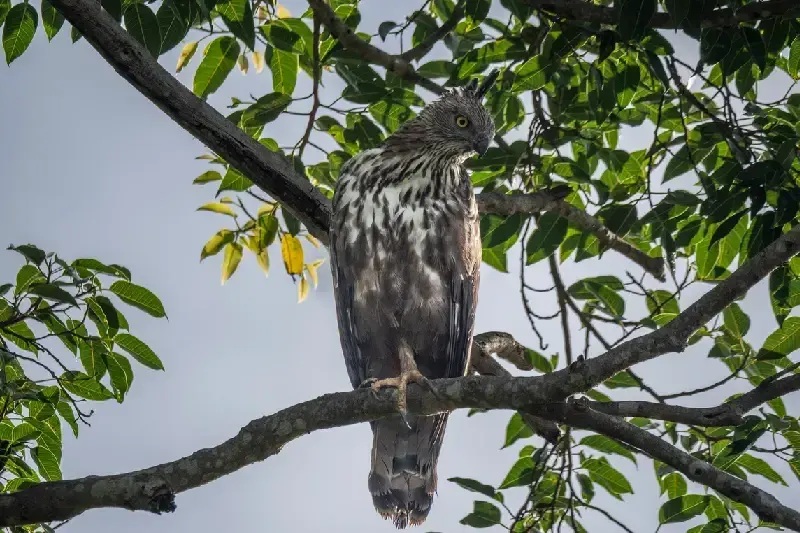
Udawalawe is genuinely underrated as a birding destination. Notable species include:
Just north of the park boundary sits the Elephant Transit Home (ETH), a rehabilitation centre run by Sri Lanka's Department of Wildlife Conservation since 1995. It takes in orphaned elephant calves, most separated from their herds through human-wildlife conflict, illness, or the death of their mothers, and raises them until they're ready to return to the wild.
What makes it genuinely moving to visit:
It's not a zoo. It's a waystation, which is exactly why it feels so meaningful.
Udawalawe is genuinely one of Sri Lanka's conservation success stories, but it's not without ongoing challenges:
Even with these challenges, the elephant population has stayed stable for years. Udawalawe National Park is one of the few places where wild elephants and local communities live close to each other, imperfectly, but continuously.
Sri Lanka has no shortage of things to do, temples, tea country, beaches, ancient cities. But Udawalawe offers something those experiences can't: the raw, unhurried spectacle of wild elephants living freely on their own land.
Udawalawe sits alongside Yala and Minneriya as part of Sri Lanka's wildlife triangle, and visiting all three gives you a genuinely complete picture of the island's extraordinary natural heritage. Few destinations of Sri Lanka's size punch this far above their weight in wildlife terms.
Yes, you’ll find it absolutely worth visiting, especially if you want to see elephants up close in the wild. It’s one of the best places in Sri Lanka for reliable wildlife sightings.
You can visit year-round, but you’ll have the best experience during the dry season (May to September), when animals gather around water sources and are easier to spot.
Yes, you have a very high chance of seeing elephants. You’ll often spot large herds, sometimes even right near the roads during your safari.
You can book a safari through your hotel or a local tour operator. Most visits are done by jeep, and you’ll usually go with a driver and a guide.
You can explore the park in a half-day safari, but if you want a more relaxed experience, you should consider staying overnight and doing both morning and evening drives.
Yes, you’ll find it very suitable for families and beginners. The park is easy to navigate, and wildlife sightings are frequent, making it less stressful than bigger safari destinations.
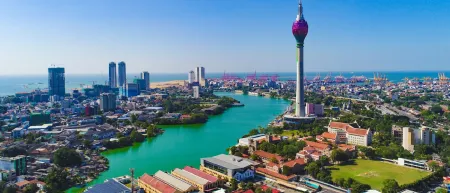
Your complete guide to Colombo, Sri Lanka: discover sights, food, nightlife, guided tours, weather, and travel tips for every visitor.
Sigiriya Lion Rock is Sri Lanka’s legendary rock fortress, known for its history, frescoes, and unforgettable panoramic scenery.
Discover Kandy with our guide to temples, scenic lake, cultural shows, and top attractions for an unforgettable visit.
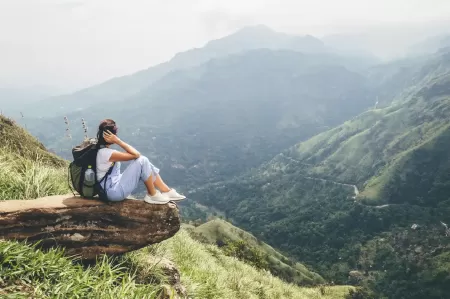
Experience Ella, Sri Lanka, lush landscapes, scenic train rides, and peaceful vibes. Your complete guide to things to do and when to visit.
Plan your visit to Yala National Park in Sri Lanka. Discover wildlife, safari experiences, best seasons, and travel tips for this iconic nature reserve.
Discover Galle, Sri Lanka: historic Fort, beautiful beaches, vibrant streets, and unforgettable coastal charm.
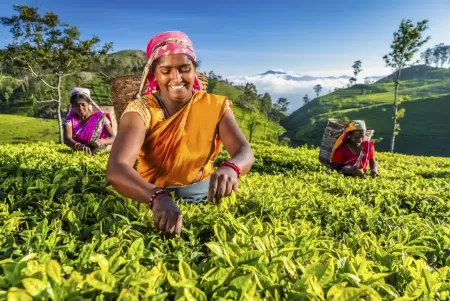
Find the best things to do in Nuwara Eliya, from tea plantations to scenic parks and mountains in Sri Lanka’s charming hill station.
Udawalawe National Park offers incredible elephant sightings, wildlife safaris, and beautiful scenery. Learn the best time to visit and travel tips.
Negombo is more than an airport stopover. Explore its fishing culture, Little Rome churches, Dutch canals, and fresh seafood. Full guide inside.
Weligama, Sri Lanka's Sandy Village, your complete guide to beaches, surfing, things to do, and travel tips on the southern coast.
Explore Anuradhapura in Sri Lanka, home to sacred Buddhist sites, ancient ruins, massive dagobas, and unforgettable cultural experiences.
Plan your visit to Dambulla Cave Temple with top highlights like cave murals, Buddha statues, panoramic views, plus useful visitor tips.
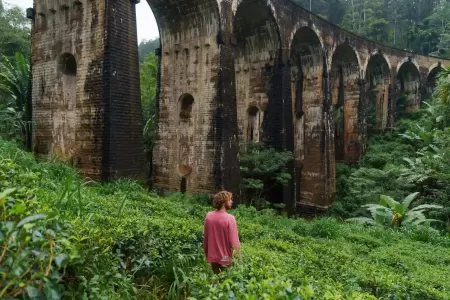
Visit Nine Arch Bridge and enjoy stunning views, scenic train crossings, hiking trails, and one of the country’s top attractions.
Explore the best things to do in Habarana, from jeep safaris and birdwatching to visiting nearby temples and ancient Sri Lankan cities.
Once the royal capital of Sri Lanka, Polonnaruwa showcases impressive ruins, sacred monuments, and remarkable ancient engineering.