Dar Es Salaam Guide
Dar el salaam is one of the fastest-growing cities in the world and an economic and governmental hub.

Dar el salaam is one of the fastest-growing cities in the world and an economic and governmental hub.
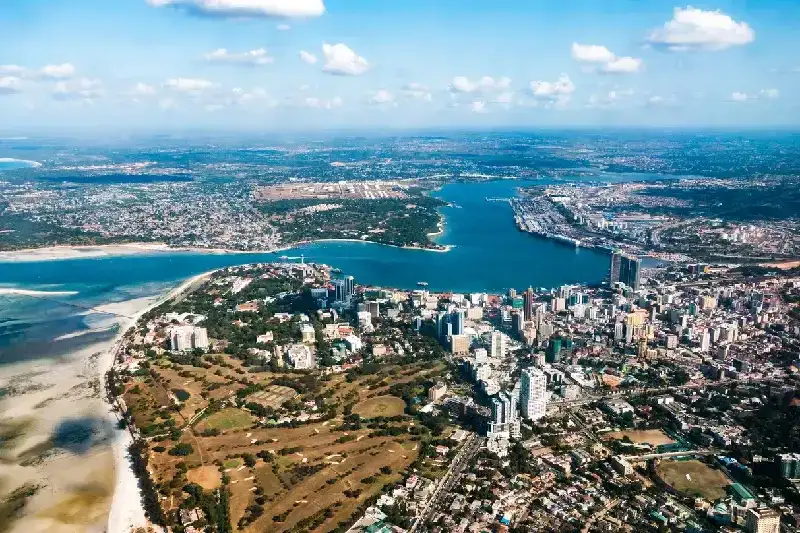
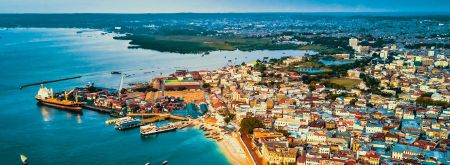
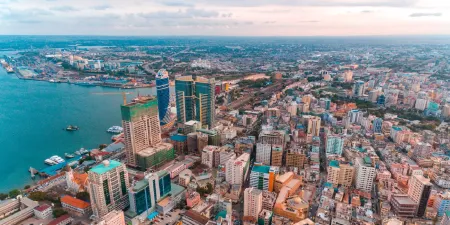
Dar es Salaam, Tanzania, formerly known as Mizizma, is the country’s most populous city and its former capital. Situated along the Swahili coast, it ranks among the fastest-growing cities in the world.
Not to be confused with the similarly named Dar el Salaam in Morocco, this Tanzanian city is rich in history, having transitioned between ruling powers during World War I while maintaining its unique identity. Today, Dar es Salaam serves as a major economic and cultural hub, making it an essential stop on any Tanzania tour.
Dar es Salaam is made up of five districts, each accommodating the city’s rapidly growing population. These districts are Ilala, Kinondoni, Temeke, Kigamboni, and Ubungo. Temeke, located in the east, serves as the city’s industrial hub and is home to the largest portion of Dar es Salaam’s population. With its tropical climate, a warm and welcoming community, and a thriving industrial sector, Temeke is steadily emerging as a key area of growth and development.
Thanks to its location near the Equator and along the warm Indian Ocean, Dar es Salaam offers a truly tropical experience with hot, humid weather year-round. Visitors can enjoy the city during its dry season from June to October, when clear skies and abundant sunshine make every day perfect for exploring.
The city also comes alive during its two rainy seasons. The long rains in April and May bring heavy morning showers that often clear into dramatic afternoon skies, while the short rains from November to December add a refreshing tropical touch to the city.
No matter when you visit, Dar es Salaam welcomes travelers year-round. Each season offers its own charm, and for wildlife enthusiasts, it’s a gateway to experiencing the Great Migration in the nearby Serengeti. Whether basking in the sun or enjoying the tropical showers, the city promises a vibrant, unforgettable experience
Get in touch with our local experts for an unforgettable journey.
Plan Your Trip
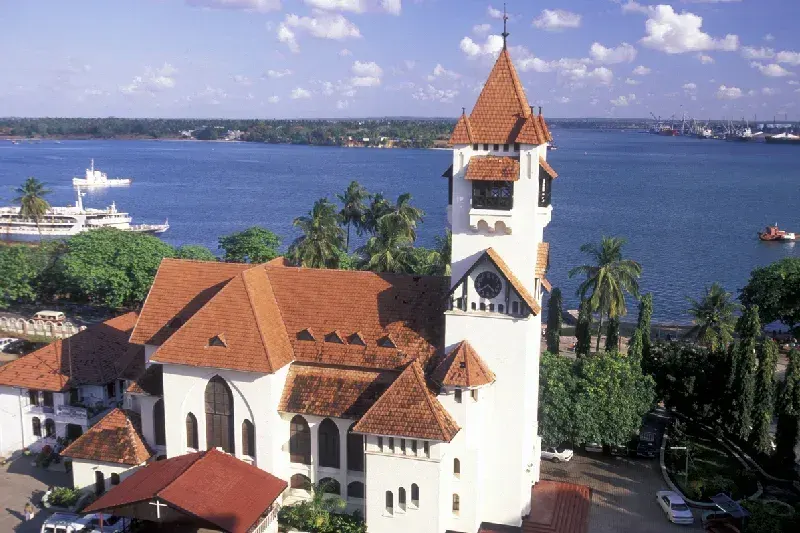
is a historic Gothic Revival Roman Catholic cathedral and the seat of the Archbishop of Dar es Salaam. The cathedral holds several masses each day, including English services on Sundays alongside Swahili services, and visitors can attend to hear the choir and enjoy its architecture.
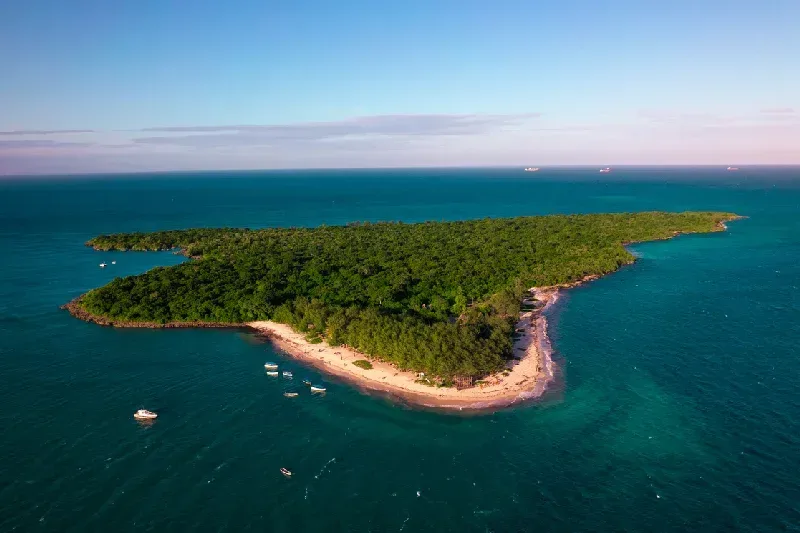
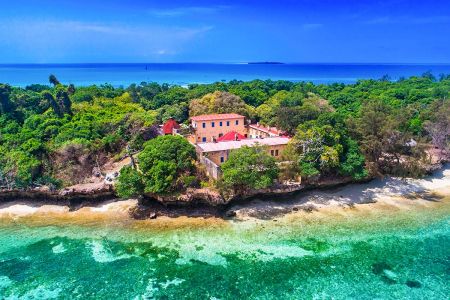
Mbudya Island is an excellent way for visitors to enjoy the tranquility and escape the bustling city for a day trip. It is a rewarding experience to relax on the beautiful beaches, clear waters and magnificent seafood. You can access the island through taking a short boat ride from many points along Dar es Salaam's harbour. Snorkeling and cabanas are available with an affordable price. Another option is that you can bring your own equipment for a day of rest.
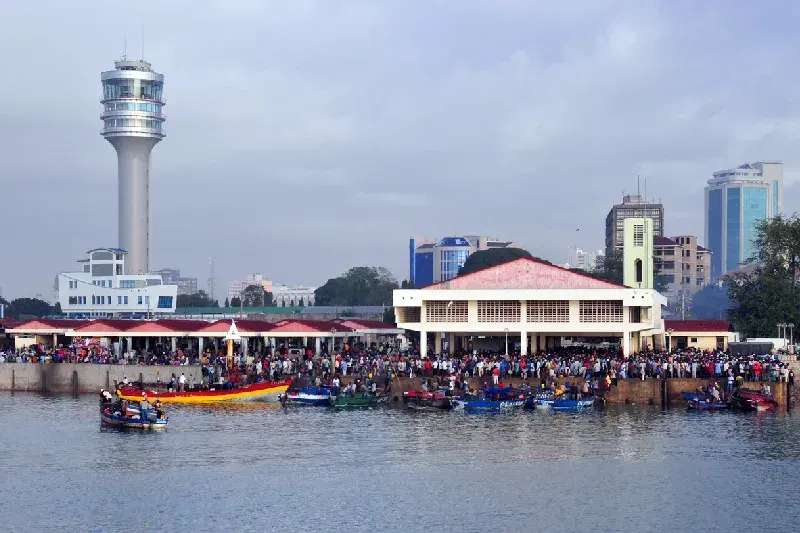
The Kivukoni Fish Market is a great place for those who look for an authentic Dar es Salaam experience. Explore the combined business and cultures in a conventional Tanzanian setting. Take some amazing shoots of fishers while unloading their wares along the docks.
Known as Oyster Bay, Coco beach is great for having tasty street food snacks, besides an occasional concert. It is located right on the Msasani Peninsula.
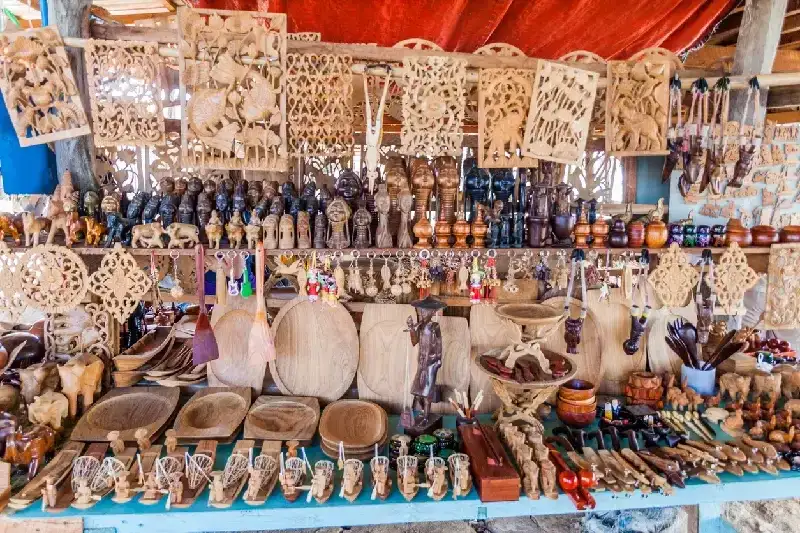
No trip to Dar es Salaam is complete without picking up souvenirs for friends and family. At Mwenge Woodcarvers Market, you’ll find numerous open-air stalls offering a wide variety of items, with the market being especially famous for its sculptures and intricate wood carvings.
Tip: Explore several stalls before making a purchase to compare options, and don’t hesitate to bargain for the best price.
The National Museum and House of Culture is for culture enthusiasts who look for an educational experience. The museum displays a range of pieces, from bones and fossils to statues and carvings. It also has a great collection of cars which belonged to Tanzania’s first president.
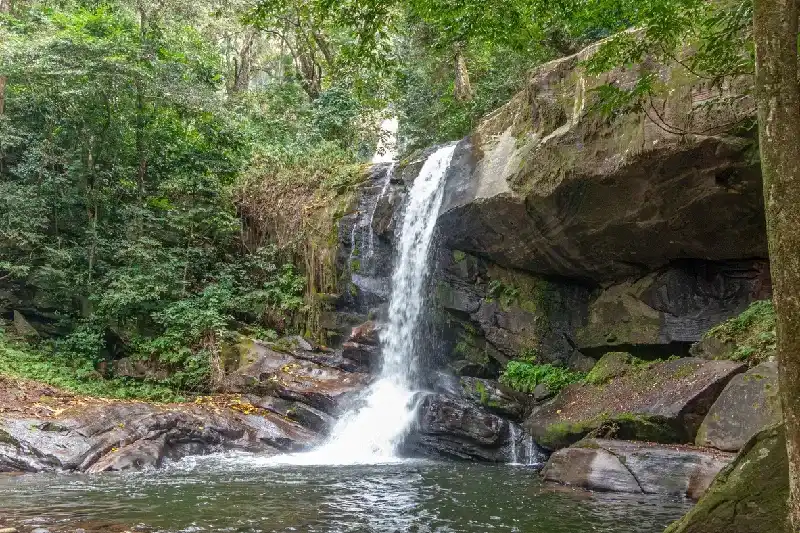
Located five hours north of Dar es Salaam, Udzungwa Mountains National Park is a perfect example for the adventurous travelers making a great weekend trip for hiking and discovering the wilderness. The park has amazing views and local guides to help visitors.
Showcasing over a dozen of various types of traditional Tanzanian huts, the museum is a great interactive experience to learn more about rural Tanzania’s customs and traditions. Established in 1996, the museum is located approximately six miles north of the city centre. You can also enjoy dance and music performances, but for an extra price.
From city streets to mountain trails, there's no better way to see it all than with a trusted local guide. Explore our Tanzania tours today and turn this list into your next real adventure.
Start your day early with the warm coastal breeze and head to a local café or hotel for breakfast before the city fully wakes up. Make your way to Kivukoni Fish Market to witness the lively morning scene as fishermen bring in their fresh catch, it’s raw, authentic, and full of energy.
By late morning, explore the city’s cultural side with a visit to the National Museum or St. Joseph’s Cathedral, where history and architecture come together beautifully. For lunch, enjoy local seafood or Swahili dishes at a nearby restaurant.
In the afternoon, escape the city’s hustle with a short boat ride to Mbudya Island or relax at Coco Beach, soaking in the sun and ocean views. As the day winds down, head to a local spot for sunset, followed by dinner in one of the city’s vibrant districts. End your night with a walk along the coast or a relaxed evening enjoying the city’s laid-back nightlife.
Life in Dar es Salaam moves with a unique rhythm. Mornings start early, with people heading to work, markets opening, and the city gradually filling with energy. Throughout the day, you’ll notice a strong sense of community, with locals gathering, chatting, and sharing moments in everyday spaces.
Traditions are deeply rooted in daily life, influenced by Swahili culture, where hospitality and friendliness are key. Greeting people politely and showing respect goes a long way.
Interacting with locals is one of the most rewarding parts of visiting. Many are welcoming and happy to help, and simple conversations can give you a deeper understanding of the city beyond its attractions. It’s this human connection that truly brings Dar es Salaam to life.
Yes, you’ll find it worth visiting if you enjoy authentic city experiences, coastal views, and local culture. It’s a great starting point for exploring Tanzania.
You can explore markets, relax on nearby islands like Mbudya, visit museums, enjoy beaches, and experience the city’s vibrant food scene.
You can travel safely if you stay aware of your surroundings, avoid isolated areas at night, and keep your belongings secure in crowded places.
You’ll enjoy the dry season from June to October the most, but you can visit year-round depending on your preference for weather and activities.
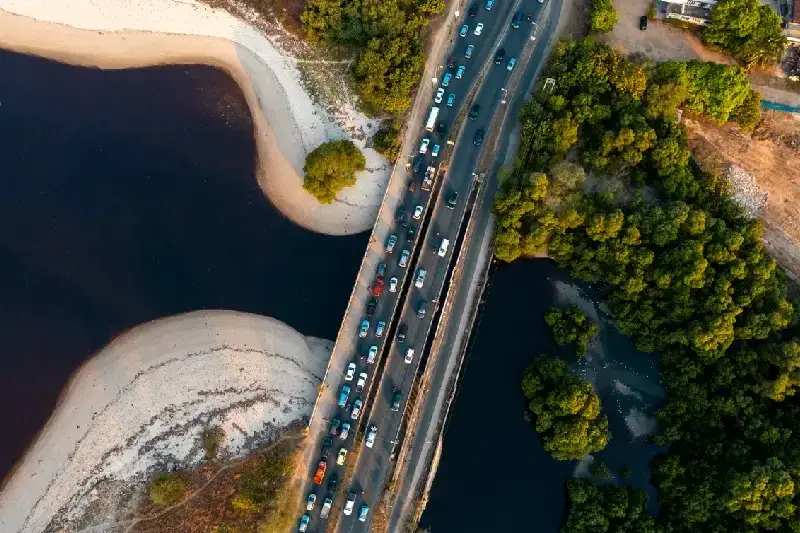
You can use taxis, ride-hailing apps, or local transport, but it’s best to plan ahead due to traffic and longer travel times within the city.
You should wear light, breathable clothing because of the heat, and dress modestly when visiting local areas or cultural sites.
Yes, you’ll need cash for markets, small shops, and local services, although some hotels and restaurants accept cards.
Tumbatu Island is one of the most beautiful places in Tanzania where visitors enjoy snorkeling, seeing the lighthouse and having a lovely walk on the beach. Know more!
Discover Udzungwa Mountains National Park in Tanzania, home to rainforests, mountain forests, and diverse wildlife. Read more!
Discover the adventure of Mount Kilimanjaro, featuring stunning views, epic trekking trails, and unforgettable experiences.
Tanzania's Wildlife is not only abundant but is packed with different walks of exotic animals. Serengeti National Park is without a doubt one of those hubs. Read more!
Explore paradise with this Zanzibar Beaches Guide, featuring top beaches, activities, travel tips, and the best time to visit Zanzibar.
Being a UNESCO World Heritage Site since 1979, the Ngorongoro Conservation Area is a safe haven and defense body for many of the endangered species. Read more!
Know all about Lake Manyara National Park: how to get there, best time to visit, wildlife and what to do there. Read more!
Explore Mafia Island in Tanzania: facts, climate, biodiversity, and local life. Learn about its coral reefs, marine park, and cultural heritage.
Explore Tarangire National Park: fees, wildlife, best time to visit, and safari tips for an unforgettable Tanzania adventure.
Dominated by the fourth highest mountain in Africa, Arusha National Park is one of the remarkable national parks in Tanzania. Read more!
All what you need to know about Pemba Island: culture, location, best time to visit, things to do and more.
Visit Stone Town Zanzibar and walk through centuries of history. From spice markets to carved doors, experience where four world cultures beautifully come alive.
Gombe National Park is one of the smallest parks in Tanzania with a lot to offer everyone from wildlife to forest vegetation. Read more!
Covering an area of 54,600 square kilometers, Selous Game Reserve is the largest protected game reserve in the African continent. Read more!
Prison Island Zanzibar has become a must-see jewel of Tanzania with the highlight attraction of being a large home for the tortoises. Read more!
Katavi National Park is known for its huge herds mostly consisting of Zebras, Giraffes, Buffaloes and so much more to discover. Read more!
Explore Dar es Salaam in Tanzania, with our guide to the best sights, activities, and insider travel tips.
Cheetah’s Rock does not identify itself as a zoo or a sanctuary, it could be described as a wildlife school as there are no signs of animal cruelty. Know more!
Darajani Market or Bazaar is considered one of the main markets in Stone Town. Know more about what to buy from there.
This is your ultimate guide about Saanane Island National Park: wildlife, things to do, location and how to get there.