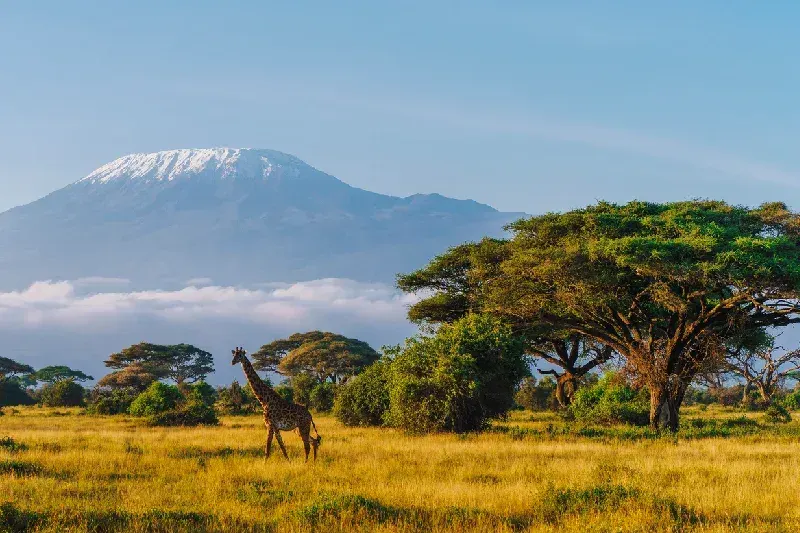
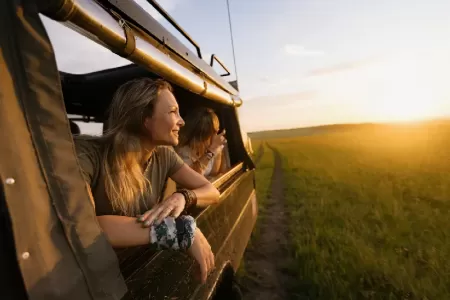
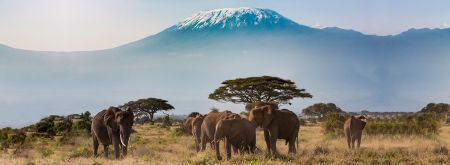
The Masai Mara National Reserve in Kenya is one of the world’s most famous safari destinations, known for its vast savannahs, rich wildlife, and thrilling Big Five encounters. It also forms part of the wider ecosystem connected to Tanzania’s Serengeti National Park, where the Great Migration unfolds each year as millions of wildebeest and zebras cross the plains in search of greener pastures.
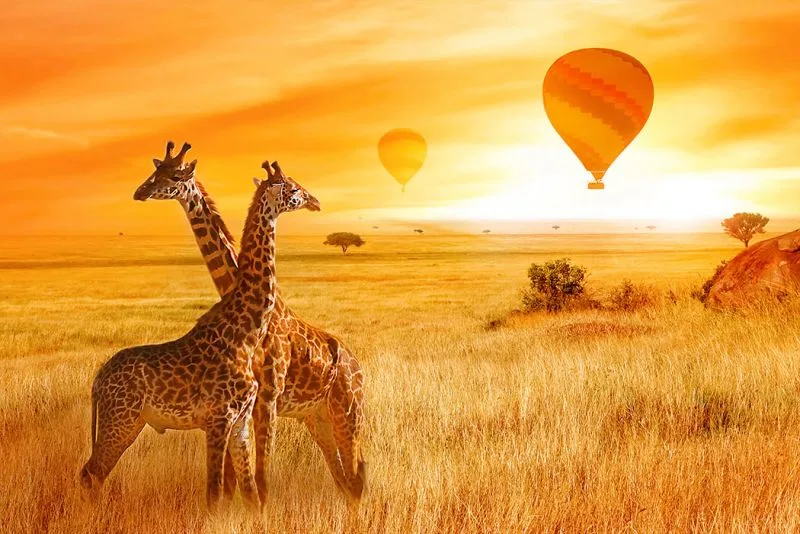
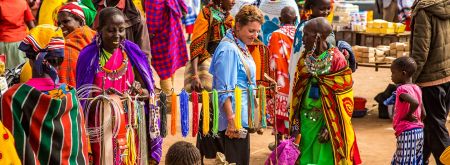
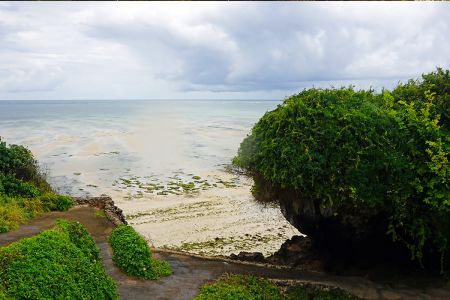
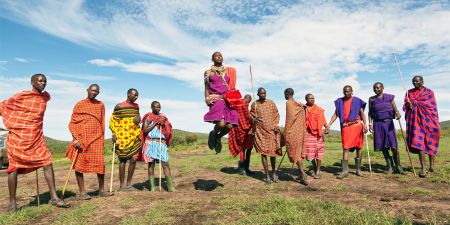
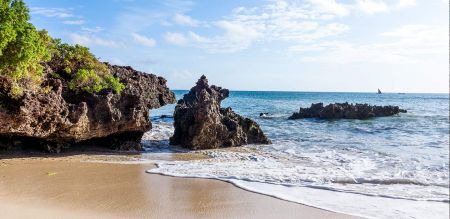
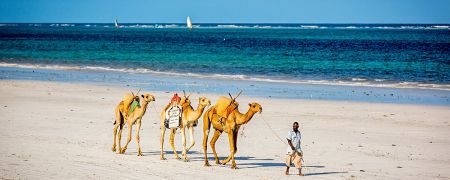
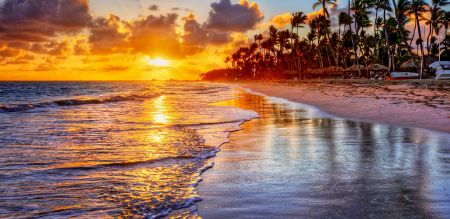
Beyond game drives, the Masai Mara offers unforgettable experiences like hot air balloon safaris at sunrise and cultural visits to Maasai communities. It also pairs easily with other things to do in Kenya, from exploring Nairobi and Amboseli National Park to relaxing along the country’s scenic coastline.
Masai Mara is located in the Great Rift Valley, almost 3500 miles stretching from the Red Sea of Ethiopia through Kenya, Tanzania, Malawi, and into Mozambique. Many of the reserve’s villages are located in the dispersal areas, developing a synergetic relationship with the wildlife over the centuries.
There can be animals roaming outside the park just as inside of it, as the valley is wide. The animals have some freedom to move outside the park into huge areas (dispersal areas).
By Road: If you are curious about Kenya's countryside, go by road. The drive from Nairobi to Narok will take 2 to 2.5 hours. From Narok to Masai Mara is 3 hours. So, driving from Nairobi to Masai Mara will take approximately 6 hours.
By Air: Flying from Nairobi takes 30 minutes. It is easier and more comfortable than driving. You can take a domestic flight from Wilson Airport (WIL) in Nairobi.
Masai Mara National Reserve on the Map
Get in touch with our local experts for an unforgettable journey.
Plan Your Trip
Generally speaking, Masai Mara has a mild climate. It varies due to changes in the altitude in the park, as it colder the higher you climb. Usually, the temperature is 25°C/77°F in the dry season that lasts from June to October. It is very enjoyable to be in the park at this time; it is rarely hot. The Wet Season, from November to May, there are many cloudy days. Daytime temperatures do not vary much. The early mornings have temperatures around 13°C/55°F.
The best time to visit the Masai is during the dry season between June to October and the short and long rains in January and February. It is when the roads are not deteriorated by the rain; when the thirsty animals gather around the local waterways. In the last two months of the dry season, the annual wildebeest migration passes through.
There are various accommodation options in Masai Mara Kenya National Park. You can stay at:
The Masai Mara is worth visiting because it delivers one of the most concentrated and dramatic wildlife experiences on the planet. It’s one of the best places to see the Big Five in their natural habitat, often in a single game drive, with high chances of witnessing predator action like lions hunting or cheetahs sprinting across the plains.
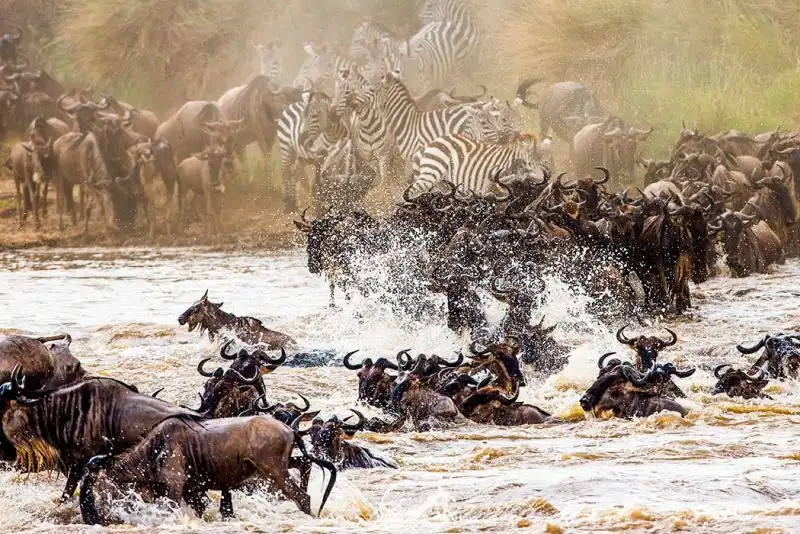
From July to October, it also becomes the stage for the Great Migration, when millions of wildebeest and zebras cross between the Masai Mara and Tanzania’s Serengeti National Park in a raw, unpredictable display of nature. Beyond wildlife, the reserve offers iconic landscapes of open savannah, rich Maasai culture, and unique experiences like hot air balloon safaris at sunrise, making it a destination that combines adventure, scenery, and cultural depth in one place.
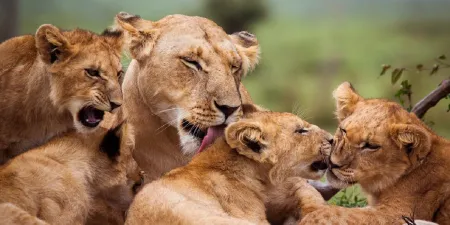
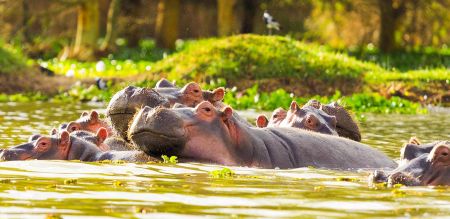
In the Mara and Talek rivers, hippopotami and crocodiles are found in large groups. Hyenas, cheetahs, jackals, lions, leopards, and big cats can also be found in Masai Mara National Reserve. More than 470 species of birds have been spotted in the park, many of which are migrants, with almost 60 species being raptors.
Birds that are located in this area at least one time in the year and they are usually seen in the national park may include marabou storks, vultures, secretary birds, ostriches, long-crested eagles, hornbills, crowned cranes, African pygmy-falcons and the lilac-breasted roller, which is the national bird of Kenya.
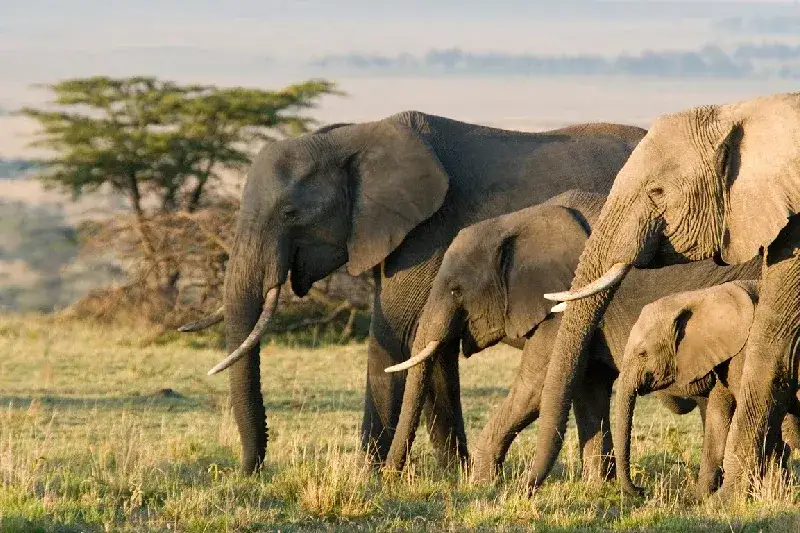
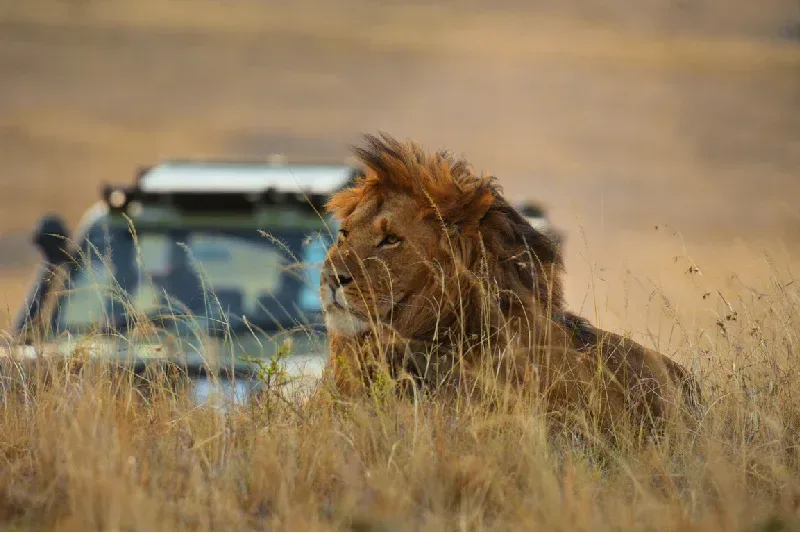
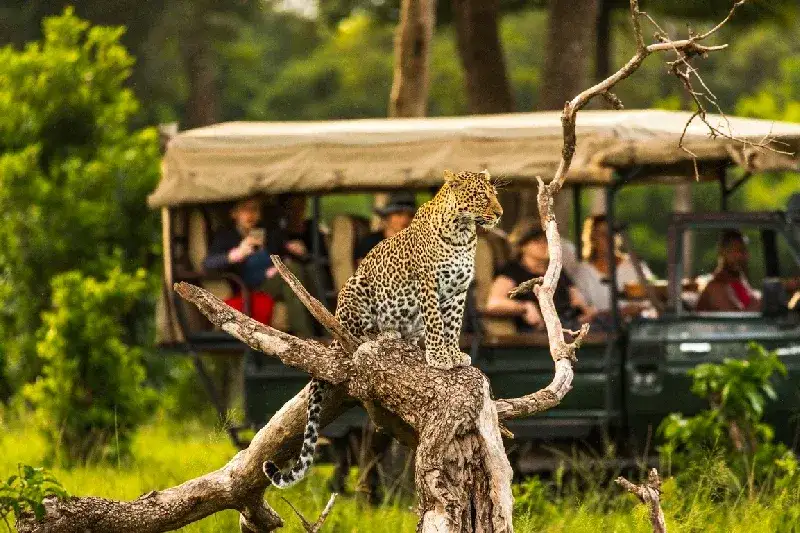
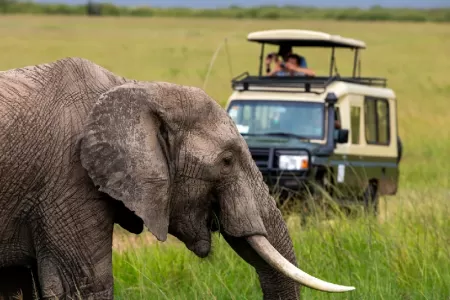
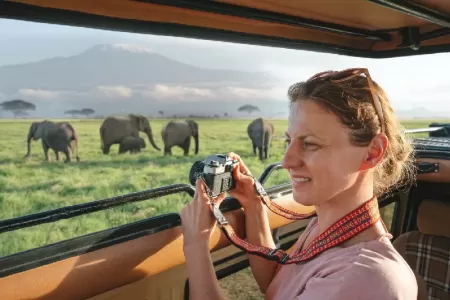
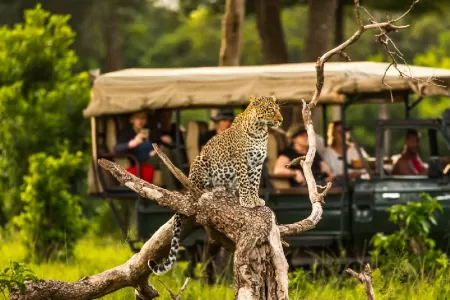
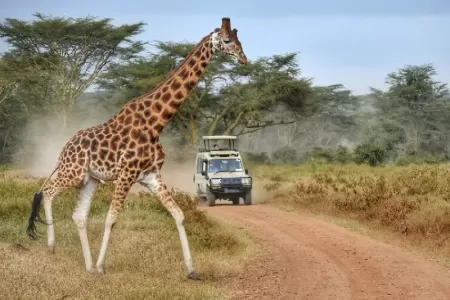
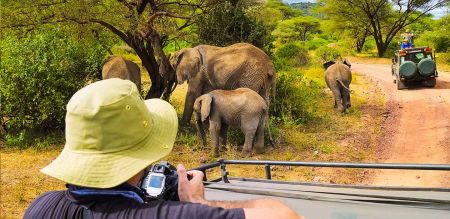
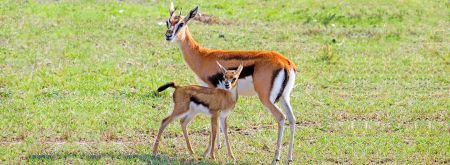
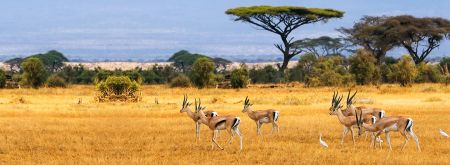
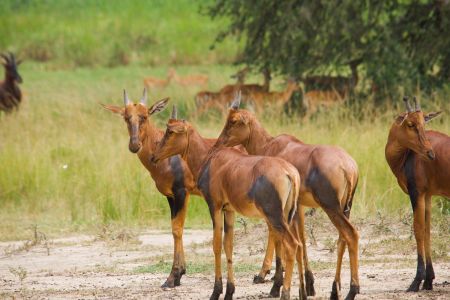
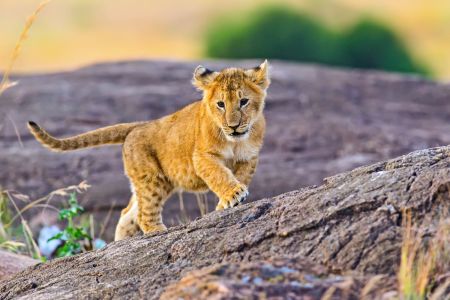
This is the main part of your tour in the Masai Mara; game drives take you to search and spot the iconic animals. You have a high chance to spot the big five, besides lions, elephants, rhinoceros, giraffes, cape buffalo, gazelles, antelopes, Nile crocodiles, wildebeest zebra and more.
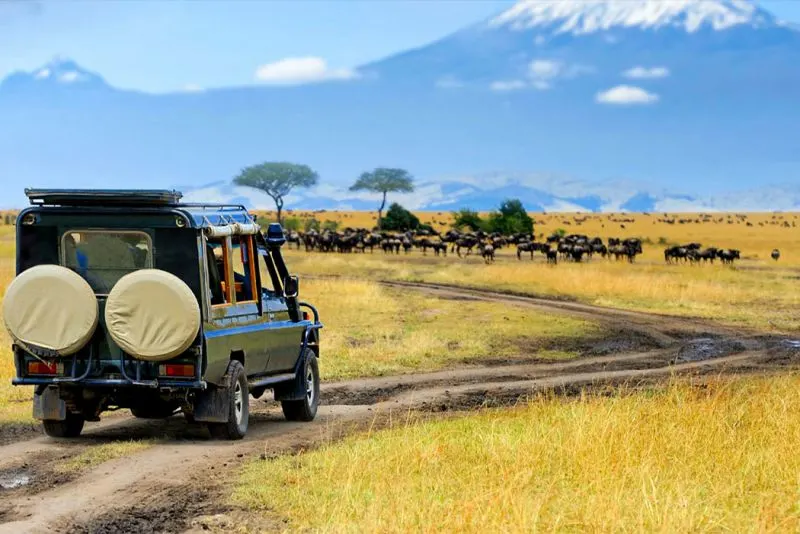
The wildebeest migration is an annual event that takes place between the months of July and October. Million wildebeest, zebra, and gazelle migrate from Tanzania to Kenya’s Masai Mara in a continuous cycle chasing the rains and fresh grass. Furthermore, this is when the wildebeest give birth, besides lions and hyenas arrive at the mara. The Governors Camp and the IL Moran Camp are perfect places to witness the migration.
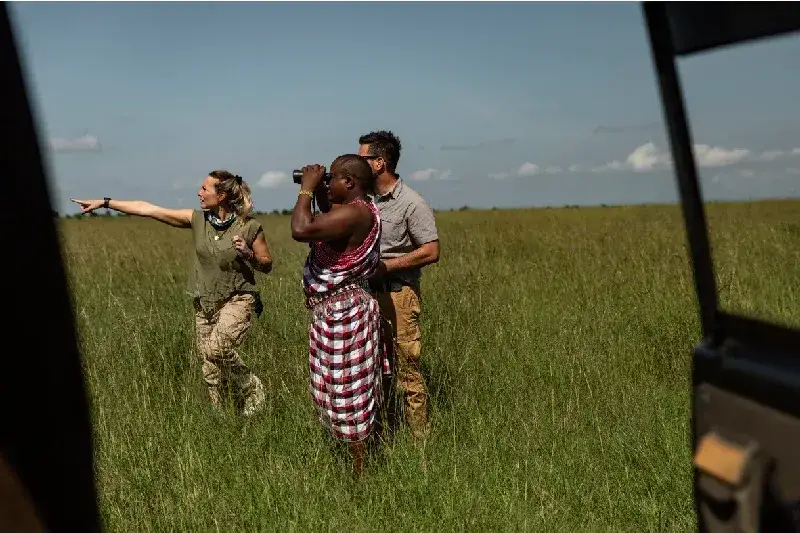
A walking safari tour is such a great way to explore the Masai Mara differently. Enjoy a peaceful and quiet, yet thrilling experience. Since, you are no longer in a designed safari vehicle, enjoy the exploration of the fantastic wildlife.
The camps have decks and large vernadas to enjoy the wildlife. Little Governors Camp has been awarded a Silver Eco-Rating from Eco Tourism Kenya, due to its focus on sustainability.
This is a great chance to explore the Masai Mara ecosystem and enjoy the beautiful scenery from the sky. It is where you enjoy the tranquility while watching the wildlife below. Usually, the ride takes an hour to spot the charming sights and take unforgettable photographs and videos.
Reconnect with yourself and live an adventure on a walking safari through the Savanna. Breathe the fresh air, view the horizon, listen to the crickets and live the African soil on the soles of your feet.
Explore our packages to experience Masai Mara and more:
1- Best Kenya Wildlife tour in 7 days
2- Foot Prints of Africa in 8 days
Your safari begins at sunrise when wildlife is most active. The cool temperatures increase your chances of spotting predators like lions and cheetahs.
Afternoons are usually quieter, giving you time to relax at your lodge while enjoying views of the surrounding wilderness.
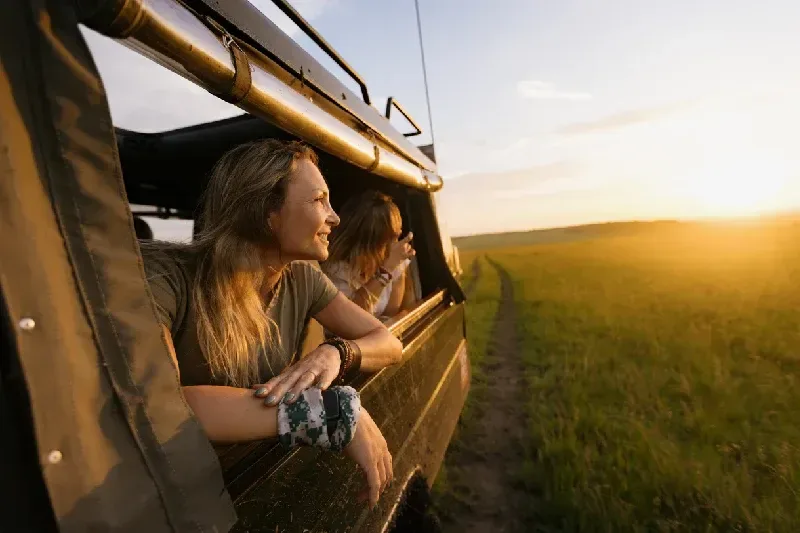
Evening drives offer a completely different atmosphere, with golden skies and animals becoming active again before nightfall.
Private conservancies provide a quieter safari with fewer vehicles and more personal encounters with wildlife.
Unlike the main reserve, conservancies allow off-road driving and night safaris, adding variety to your experience.
These areas play a key role in supporting Maasai communities and promoting sustainable tourism.
You’ll get the best wildlife viewing during the dry season from June to October. This is also when the Great Migration usually takes place, making it the most popular time to visit.
Yes, you have a very high chance of seeing the Big Five, lion, leopard, elephant, rhino, and buffalo, often within just a few game drives. Read about where to find the Big Five in East Africa!
You should plan to stay at least 3 to 4 days. This gives you enough time to enjoy multiple game drives and increase your chances of seeing a wide variety of wildlife.
Absolutely. Even outside the migration season, the reserve offers incredible wildlife sightings, including predators, large herds, and diverse birdlife.
Yes, it’s generally very safe when you travel with experienced guides and follow safari rules, such as staying inside your vehicle during game drives.
The Masai Mara is smaller and has more concentrated wildlife, making sightings easier, while Serengeti National Park is larger and offers a more remote, expansive safari experience.
Know all what you need to know about how to get Kenya visa, the requirements, different types of visas and more. Read Now!
Nairobi National Park is the only protected area in all over the world that has a variety of animals and birds close to a capital city. Know more!
Everything you need to know about Amboseli National Park in Kenya, wildlife, landscapes, history, and visitor information. Africa's elephant capital explained.
If safari is mentioned, definitely Kenya is mentioned. There are plenty of things to do in Kenya, from exploring the various wildlife to relaxing and chilling on the beach. Know more!
Explore Masai Mara National Reserve for unforgettable safaris, Big Five wildlife, and breathtaking landscapes in one of Africa’s most iconic national reserves.
Kakamega Forest is a tropical rainforest based in the Kakamega and Nandi County of Kenya. The forest is elevated at predominantly between 1500 m and 1600 m above sea level.
The Elephant and Rhino Nursery is one of the most unique things to do in Nairobi. Get close and personal to baby elephants and even touch them. Know more!
Maasai Market is an open-air market with a large variety of products including African pots and pans, clothes, shoes, jewelry, shoes and bags. You name it, you will find it!
Sibilo National Park lies on the northeastern shore of Lake Turkana in North Kenya, the National Park was established in 1973 by the government of Kenya to protect the wildlife.
Nyali Beach is a residential area located in Mombasa County, connected to Mombasa Island by the New Nyali Bridge. Know more!
Constructed to protect its huge population of rare roan antelopes, Ruma National Park is the only park in the Nyanza Province. Read more!
Ol Donyo Sabuk is a mountain adjacent small town near Thika Kenya, the town is located in Kyanzavi Division, Machakos County, the height of the mountain is 2,145 meters.
Thomson's is one of the most recommended places to visit in Kenya as it’s view is one of the most beautiful views that can be seen in Kenya. Read more!
Malindi Marine National Park is endowed with magnificent resources such as fringing reefs, coral gardens in the lagoons, seagrass beds, mudflats, mangroves. Know more!
Manda island in Lamu town – with next to no fresh water – was only recently almost uninhabited but is now the site of several new luxury homes and a couple of boutique resorts. Read more!
In the northern part of Nairobi city, Karura Forest is the largest of three main gazette forests in Nairobi. Know more!
Covering an area of 100.000 kilometer square, the Chalbi Desert is one of the hottest and arid places in Kenya. Read more!
Featured by a blinding white-sand beach and a soft breeze, Watamu is a charming slice of coastline. Read more!
Mombasa Marine National Park and Reserve are one of the most beautiful marine parks characterized by coral reefs, sandy beaches, palm trees, azure ocean. Know more!
Plan your visit to Nairobi Animal Orphanage and see rescued animals up close while supporting wildlife conservation in Nairobi, Kenya.
Arabuko Sokoke National Park is located on the coast of Kenya, 110 kilometers north of Mombasa and it’s protected as it’s a National Forest Reserve. Know more!
Bomas of Kenya is a tourist village located in Langata, Nairobi, displaying traditional lifestyle and art of the different tribes. Know more!
An exotic coastal city situated at the edge of Kenya and also lying in the middle of the Indian ocean, Malindi is a city you can not help falling in love with. Read more!
The second-largest city in Kenya after the capital Nairobi Mombasa is just not a tourist attraction but the beating hard of the African country.
Lamu Island is one of Kenya's gold mines of Lovely scenery, captivating wildlife, mouthwatering cuisine and beautiful simplicity. Know more!
A complete Lake Naivasha travel guide covering boat rides, wildlife encounters, best time to visit, and must-see spots in Kenya.
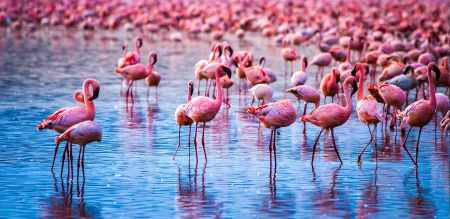
Discover wildlife in Lake Nakuru National Park, from flamingos to rhinos, with safari tips, travel advice, and the best time for your visit.
 Home
Home