Queen Elizabeth National Park Guide
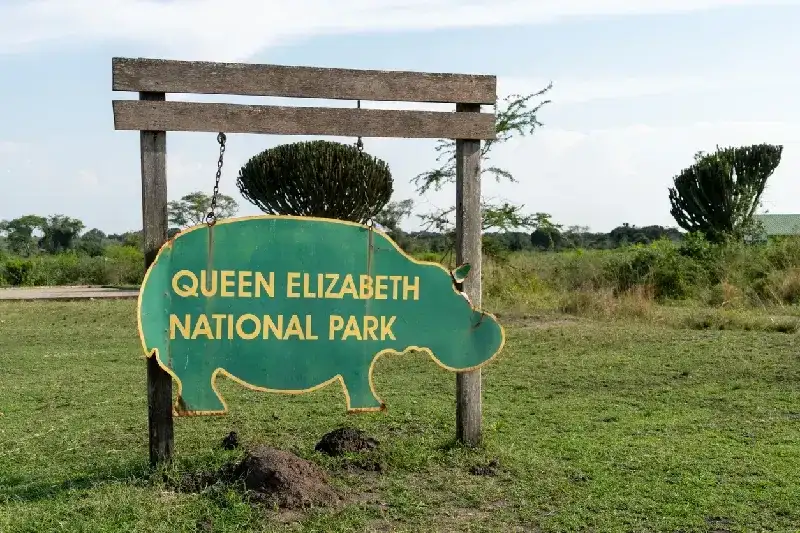
The National Park of Queen Elizabeth is one of the most visited national parks in the world, the park is known for its wildlife as it is the home of over than 95 mammal species and over 500 bird species.
The National Park of Queen Elizabeth is one of the most visited national parks in the world, the park is known for its wildlife as it is the home of over than 95 mammal species and over 500 bird species.
Queen Elizabeth National Park is the most visited national park in Uganda and one of the most famous national parks around the world. The park is Uganda’s most well known savannah reserve and has the widest variety of wildlife among all the parks in the country.
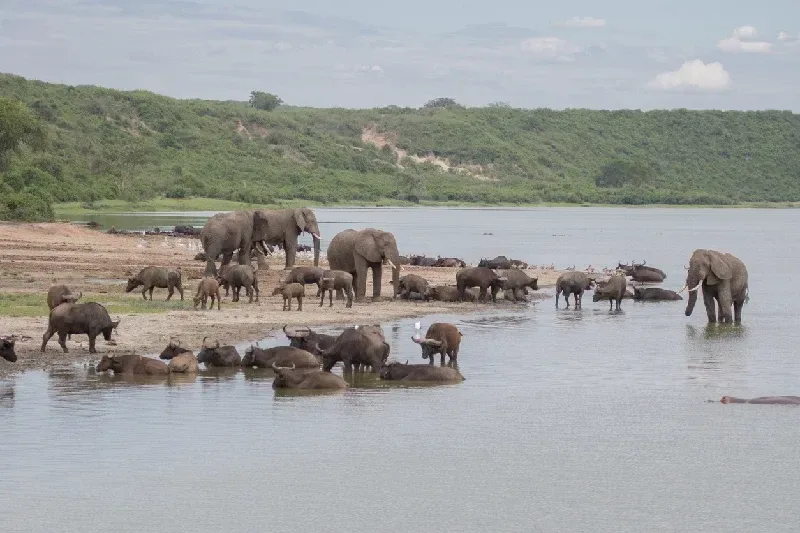
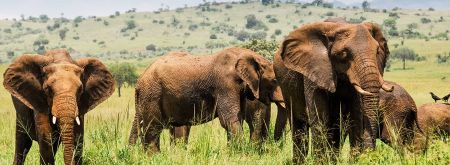
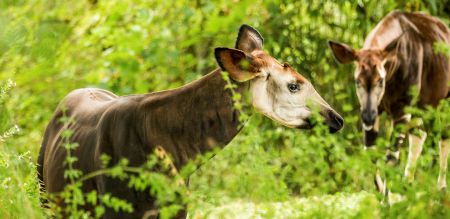
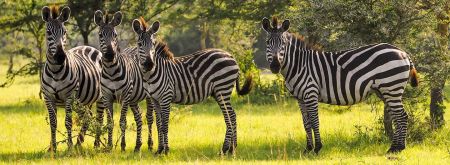
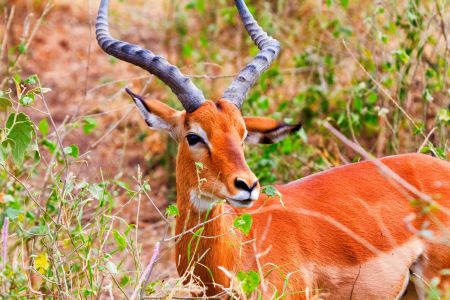
Queen Elizabeth National Park is famous for its remarkable wildlife diversity. The park is home to animals such as African buffalo, Ugandan kob, hippopotamus, Nile crocodile, African bush elephants, leopards, lions, and chimpanzees.
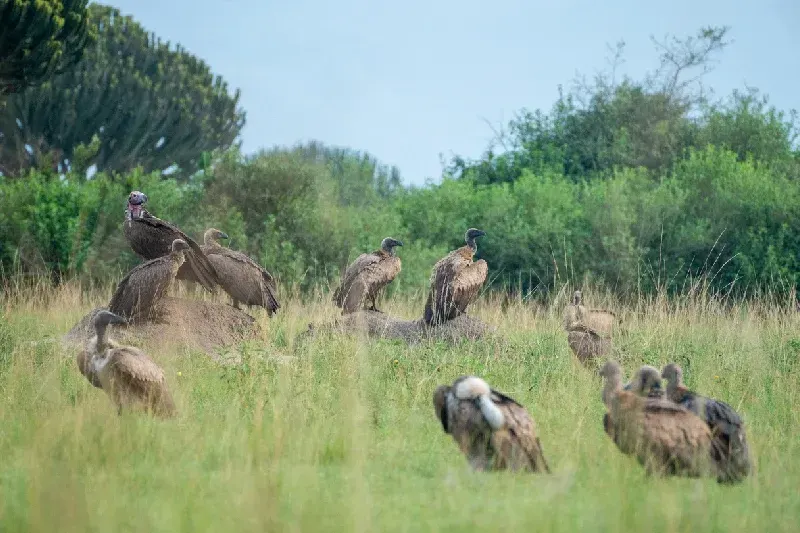
In total, the park hosts more than 95 mammal species and over 500 bird species, making it one of the best wildlife viewing destinations in East Africa and a paradise for birdwatchers.
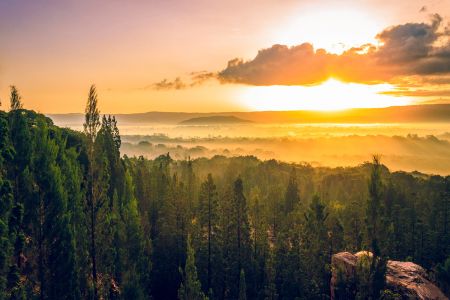
The park is also known for its fascinating volcanic landscape, which includes numerous crater lakes, volcanic cones, and scenic calderas. One of the most notable areas is the Katwe Crater Lakes, where local communities have traditionally extracted salt for generations.
Another highlight of the park is the Kazinga Channel, a natural waterway connecting Lake Edward and Lake George.
Get in touch with our local experts for an unforgettable journey.
Plan Your Trip
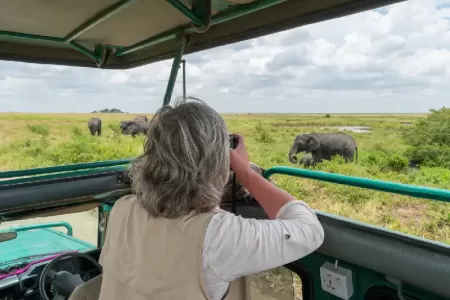
The main activity to do in Queen Elizabeth Park is going on scenic game drives. This experience gives the opportunity to enjoy the fauna of the park. It is best done during the early mornings to enjoy close up viewing of the wildlife.
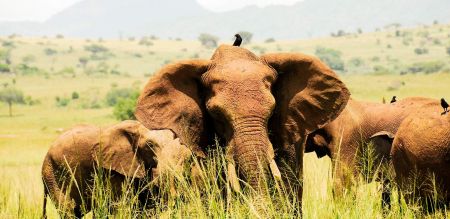
Game drives are a must-do activity to spot elephants while using their trucks to eat, lions preying on an antelope. You can also find groups of animals like Buffalo herds and Uganda kobs roam the park all day long. Warthogs, leopards, the giant forest hog can also be easily spotted.
Being one of the top birding spots in Uganda, Queen Elizabeth National Park is a haven for over 500 bird species. It is a delight for birdwatching enthusiasts.
Some birds such as Sedge warbles, Pink backed Pelican, Yellow throated Cuckoo, the Verreaux’s Eagle Owl, Papyrus canary, the martial eagle will be an eye pleasure for tourists. Flamingos can be spotted at Katwe and Bunyampaba salt lakes. Plan Your Birdwatching Uganda Safari Tour.
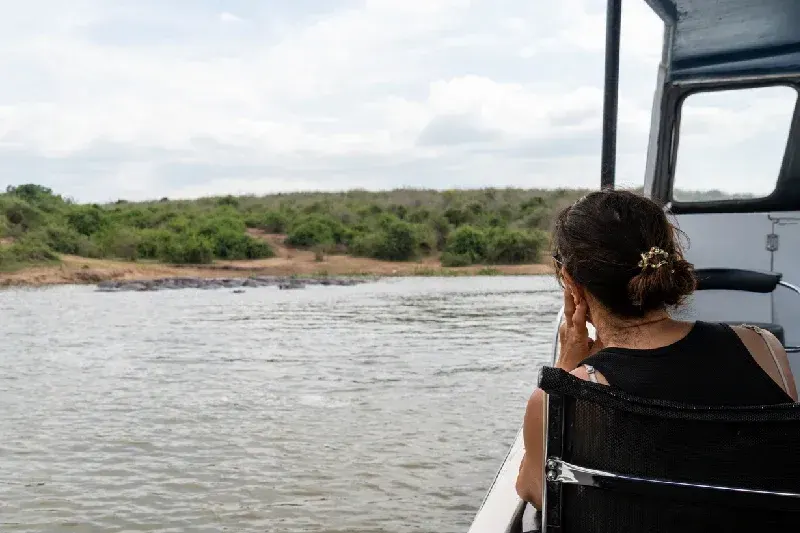
Boat trips are another activity to enjoy at Queen Elizabeth National Park. It takes place on the Kazinga Channel where visitors will get the opportunity to explore various sights and sounds of the park.
Catch a sight at the large hippopotamuses taking their dips in the waters, besides the Nile crocodiles moving lazily on the channel banks to feel the warmth of the sun. The scene of the Pied Kingfishers cannot be missed.
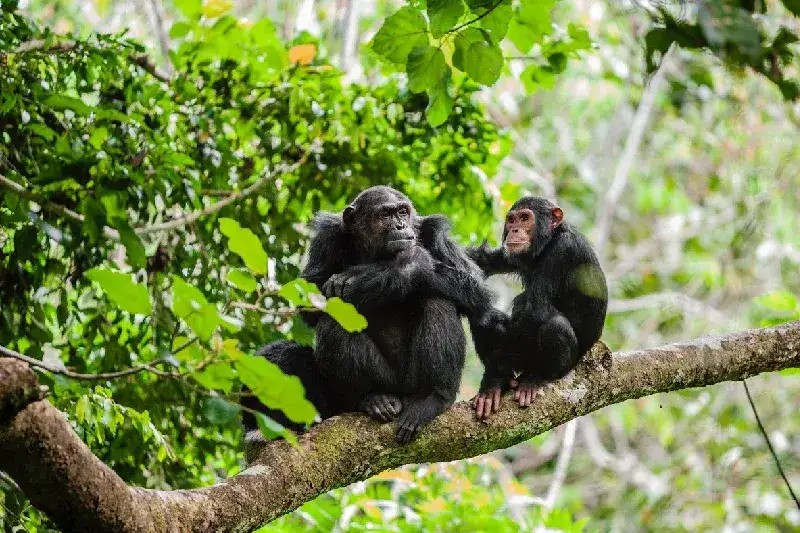
The Valley of Apes or The Kyambura Gorge, in the northern part of the park, is home to chimpanzees. chimpanzees in the area are familiar with the existence of humans around which does not prevent them from continuing with their activities.
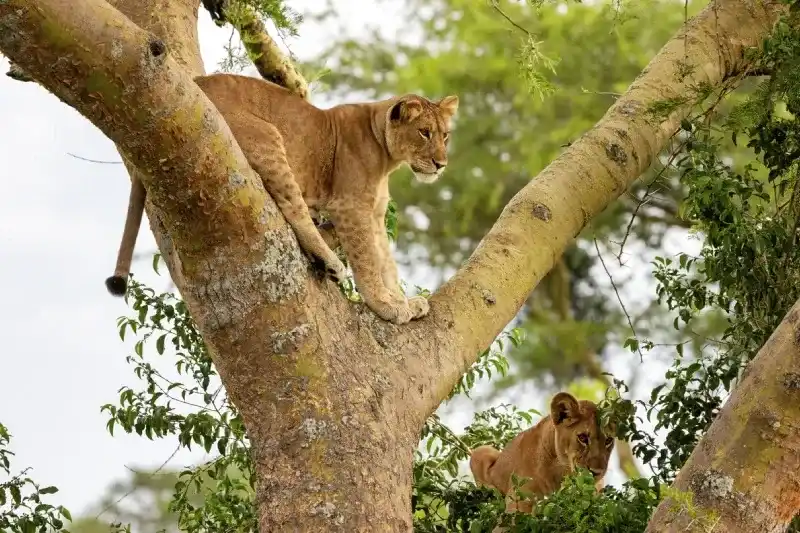
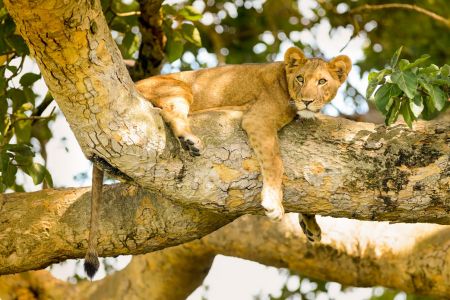
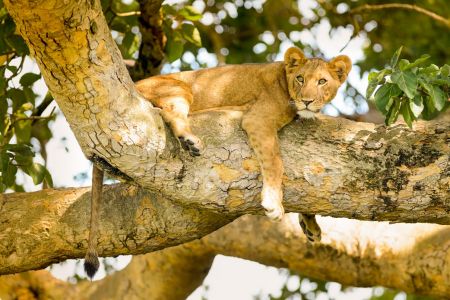
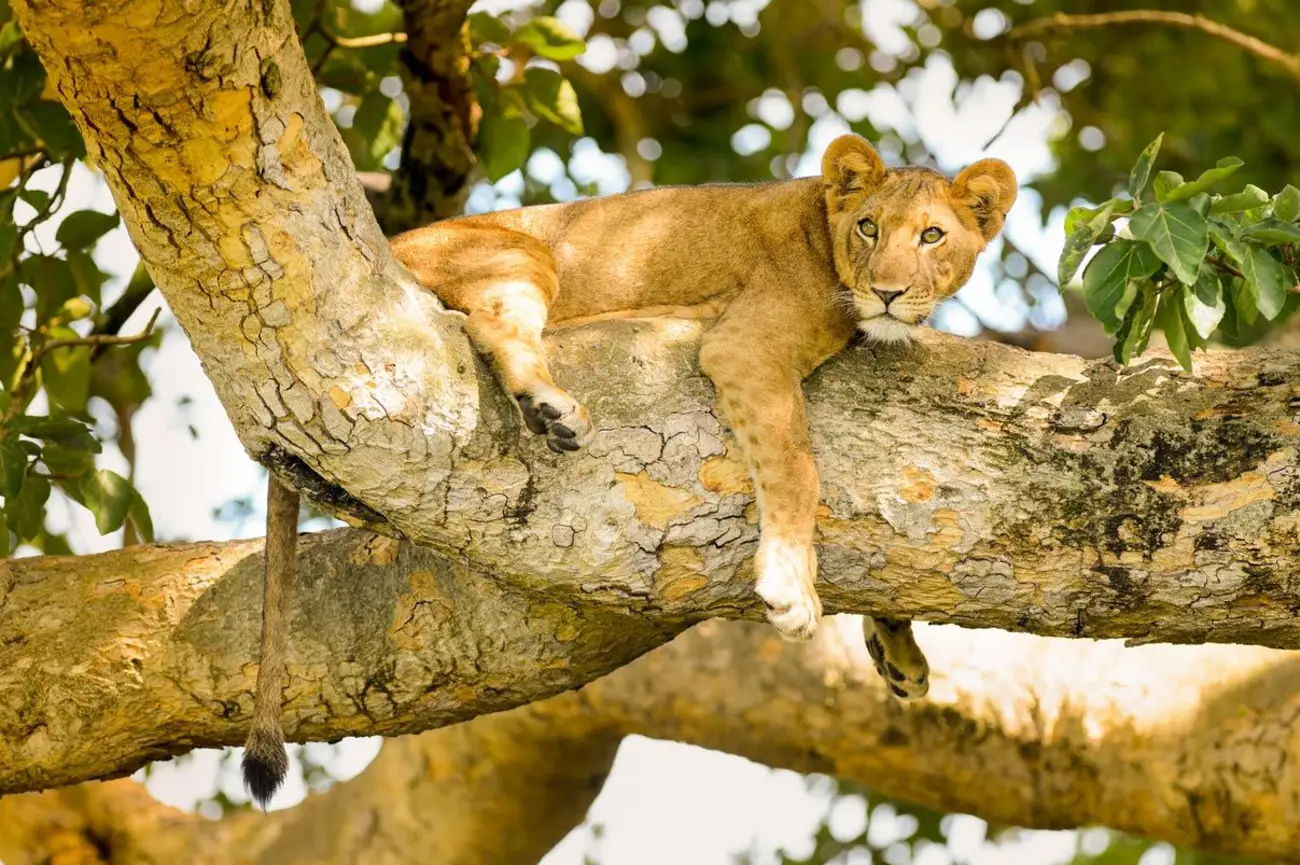
It is not a common scene to witness a lion climbing a tree everyday. The reason why lions choose to reside up the trees is not known. The Ishasha Sector is accessible to or from Bwindi Impenetrable Forest when one heads or returns from gorilla trekking.
Besides, the sector is also home to some other animals like elephants, herds of buffalos, warthogs and antelopes.
Queen Elizabeth National Park is located in western part of Uganda. It lies between Lake George and Lake Albert, including the Kazinga Channel that crosses through its 700 square miles area.
The park offers a variety of accommodation options for everyone. It has a plenty of lodges, campsites, hotels and tented camps. The most famous accommodation in the area is Ishasha Wilderness Camp. There are also other options from luxury, mid range to budget facilities.
The park experiences a dry season and a wet season. The dry season initiates from June to February. During these months, the animals are easier to be found, as they gather around the water sources.
June is the peak season when a remarkable number of tourists visit the park. However, there will be no crowd.
The Wet Season starts in October and finishes by May. During the rainy season, the scenery in the park becomes beautiful. It is when the vegetation is lush and green, capturing a true picture of the tropics.
The rainy season is the low season in the park. Some lodges might close during this time, especially between March and May.
The best time to visit the park is June to August January, February, August and September are good months to visit too. The dry season is the best time for a game drive, wildlife viewing, a guided walk, or chimpanzee tracking expedition. Note that warm clothes are needed during early mornings and late nights, as the weather tends to be cold.
The best time for birdwatching is during the rainy season. It is when migratory birds from Europe and Northern Africa are found in the park. Note that warm clothes and rain gear are necessary during this time.
Keep exploring Uganda: Murchison Falls, Kibale National Park, and Kidepo Valley. Discover the wonders of Uganda with our Uganda safari tours and African safari tours!
You can see a remarkable variety of wildlife in the park. During your visit, you may spot African buffalo, Ugandan kob, hippopotamus, Nile crocodiles, elephants, leopards, and lions. The park is also home to more than 95 mammal species and over 500 bird species, making it one of the best wildlife destinations in East Africa.
The Ishasha Sector is famous for its rare tree-climbing lions. When you visit this area, you may see lions resting on the branches of large fig trees.
Yes, you can enjoy a memorable boat safari on the Kazinga Channel. During the trip, you will cruise between Lake Edward and Lake George, where you can observe large groups of hippos, crocodiles resting along the banks, and many water birds such as kingfishers and pelicans.
You will have the best wildlife viewing during the dry season from June to February. At this time, animals gather around water sources, making them easier to spot during game drives.
Yes, you can track chimpanzees in the Kyambura Gorge, often called the “Valley of Apes.” During a guided trek, you will walk through a beautiful forested gorge where you may observe chimpanzees in their natural habitat as they feed, climb, and interact with each other.
The park is Uganda’s most well known savannah reserve and has the widest variety of wildlife among all the parks in the country. Know more!
Bwindi Impenetrable National Park is one of Africa’s most ancient habitats. Know more about the park that survived the Ice Age.
Ripon Falls Uganda which was formerly considered as the source of river Nile. Read more!
Located in Queen Elizabeth National Park, Ishasha Sector is certainly one of the very memorable destinations within Africa. Know more!
Mount Elgon National Park is one of botanical wonders and extraordinary game and unparalleled wildlife in Uganda. Know more!
The Zika Forest also spelled as the Ziika, is a tropical forest near Entebbe in Uganda. Read more!
Kidepo Valley National Park gallery of variant plant life and ever expansive wildlife and one of Uganda's prominent Parks. Know more!
An Ultimate Guide to Kibale National Park in Uganda: location, best time to visit, things to do there and more. Read Now!
Here is all that you need to know about Kampala City. The capital and the largest city in all of Uganda. Know more.
Lake Mburo National Park is the crown jewel of Uganda's Wildlife experiences. It has a lot to offer everyone. Know more!
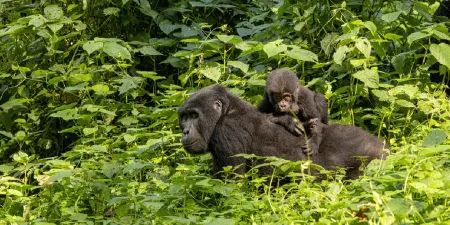
There is no doubt that the park is one of the leading parks in Uganda due to its rare primates, especially mountain gorillas. Read more!
Ssese Islands is one of the most exotic and captivating islands in Uganda. Know more!
Kasubi Tombs site is a religious site in the Buganda Kingdom. It is the largest of the most traditional kingdoms in present-day Uganda. Read more.
Entebbe Uganda stands out as a former capital filled with history, scenic views, and top attractions. Explore what makes it special.
Lira Uganda is a historical and monumental town in Uganda where visitors come and uncover the mysteries of this exotic city. Read more!
Murchison Falls National Park of Uganda is one of the few parks that is able to capture both the plant variety and animal variety. Read more!
One of the key attractions in Uganda is Murchison Falls also known as Kabalega Falls. Read more!
Fort Portal Uganda claims the title of “Tourism city of Uganda” proudly. Read more and know why...!
You know that a city is crucial to the country's financial well being when it has all the core institutions. The Ancient Mbale City in Uganda is an example of such reverence.
Jinja is the city that tourists come for to relax after a long safari in Uganda to enjoy the tranquility and the beauty of the Nile. Read more!