The Egyptian Museum

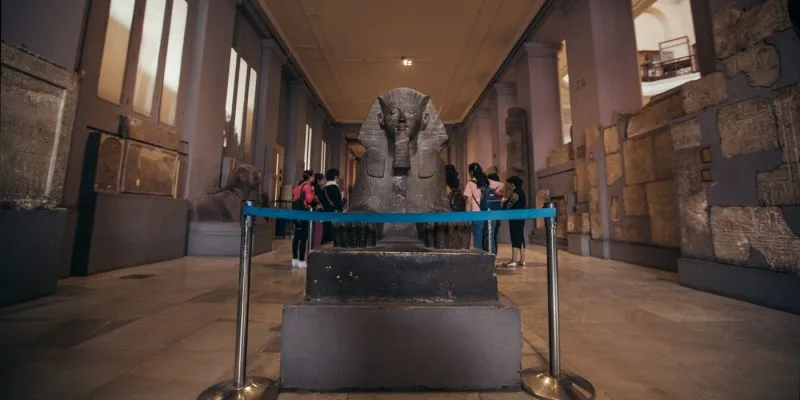
The Egyptian Museum's collection of over 120,000 ancient artifacts makes it the world's largest repository of Egyptian antiquities. Visitors from every corner of the world flock to this magnificent institution in Cairo's heart to see its remarkable displays of historical treasures.
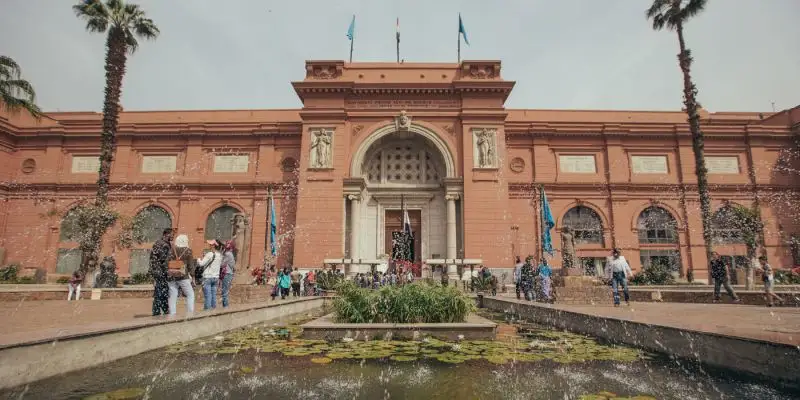
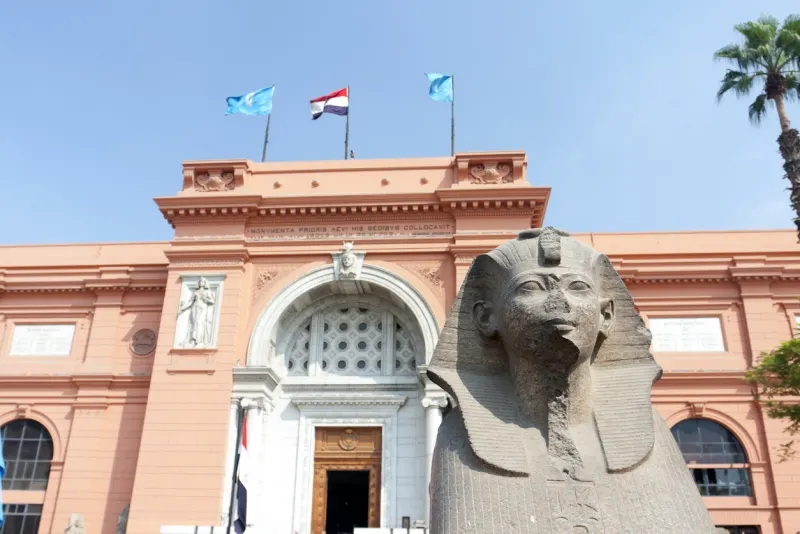
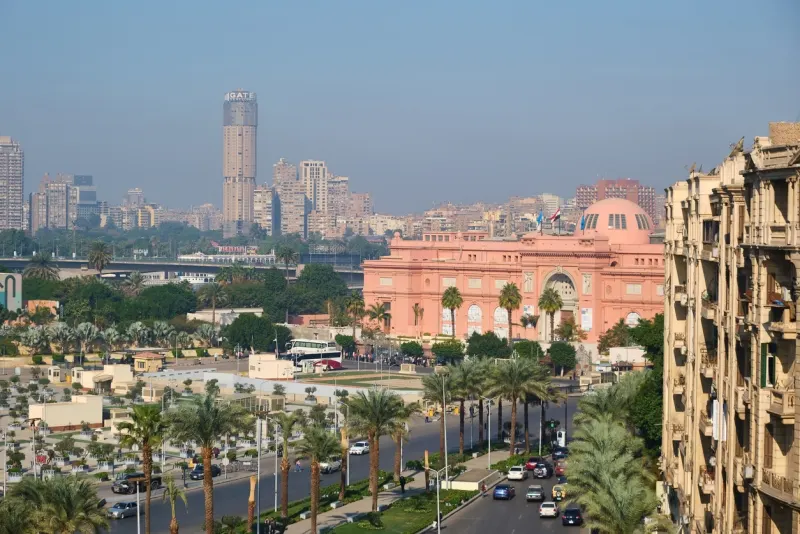
The museum opened its doors on November 15, 1902, and stands today as one of Africa's largest art museums. Most people learning about Egypt's museums make the Cairo Museum their first stop. They come to see Tutankhamun's golden collection, royal mummies, countless statues, jewelry, and papyrus scrolls. The museum's impressive building has stood on Tahrir Square since 1901, serving as a window into Egypt's rich historical past.
This piece highlights some lesser-known treasures within this extraordinary institution that even experienced travelers might miss. These artifacts tell compelling stories about ancient Egyptian civilization and are a great way to learn about this remarkable culture.
The Egyptian Museum's story starts well before its famous building appeared in Tahrir Square. The museum, which opened in 1835 near the Ezbekieh Garden, had its first collection of antiquities under Youssef Diaa Effendi's management. The renowned French archeologist Auguste Mariette founded a new museum in Boulaq in 1858, using a former warehouse along the Nile.
A devastating flood in 1878 proved that the Boulaq location could not protect Egypt's treasures safely. The building became completely overcrowded by 1889, leaving no space for new artifacts. This situation led to the collection's temporary relocation to Khedive Ismail's palace in Giza.
The search for a permanent home ended with an international design competition in 1895—a first of its kind in the region. The competition's winner, French architect Marcel Dourgnon, created a Neoclassical design, and construction began on April 1, 1897.
Moving artifacts to the new location needed about five thousand wooden carts. Larger pieces traveled by train, which made nineteen round trips between Giza and Qasr El-Nil. The Cairo Museum, built on 13,600 square meters with more than 100 exhibition halls, welcomed visitors on November 15, 1902.
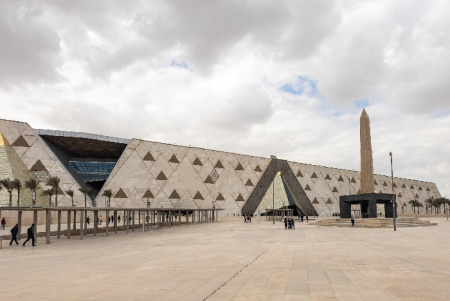
No, the complete Tutankhamun collection moved to GEM in 2025, all 5,398 artifacts including the golden mask now at Grand Egyptian Museum. Egyptian Museum in Cairo still houses 120,000+ other artifacts. Treasures from Psusennes I, royal mummies, and countless pharaonic pieces remain
The Egyptian Museum holds countless treasures beyond Tutankhamun's famous collection. The Narmer Palette from the 31st century BC stands out with some of the earliest hieroglyphic inscriptions known to exist. This remarkable piece likely shows the story of Egypt's unification.
The ivory statuette of Khufu, who built the Great Pyramid, tells another fascinating story. Flinders Petrie found this tiny 7.5 cm figurine in 1903. It remains the only verified three-dimensional image we have of this mighty pharaoh.
The museum's collection includes the remarkably intact mummies of Yuya and Thuya, Pharaoh Akhenaten's grandparents. Their burial site, unearthed in 1905, ranked as the Valley of Kings' most valuable find until Tutankhamun's tomb came to light.
Queen Ahhotep II's gilded coffin stands as another remarkable piece with its Hathor-style wig and striking eyes made of alabaster and obsidian. A detailed model of a cattle census from the 12th Dynasty depicts Meketre and scribes counting livestock, giving us a glimpse into ancient Egyptian bureaucracy.
Many visitors miss the Dush Treasure, an amazing collection of Roman-era gold jewelry unearthed in 1989. This collection features a beautiful diadem adorned with vine leaves. The canopic chest of Tutankhamun, crafted from fine alabaster with four royal head stoppers, remains one of the museum's finest pieces.
Get in touch with our local experts for an unforgettable journey.
Plan Your Trip
Egyptian artifacts in the museum showcase extraordinary craftsmanship and state-of-the-art techniques. Ancient Egyptian artisans worked skillfully with native limestone, granite, and sandstone. They also used imported materials like cedar from Syria. These craftsmen became skilled at carving both soft stones with copper chisels and harder stones using specialized abrasives.
Scientists have solved a long-debated mystery about the precision of Egyptian stonework. Their analysis shows that craftsmen used corundum (aluminum oxide) as a high-performance abrasive. Khufu's solar boat stands as proof of this technical excellence. This 4,600-year-old cedar vessel remains so well-preserved that experts believe it could still float today.
The museum's collection demonstrates remarkable preservation methods. The restoration of Tutankhamun's inner coffin, made from 110 kg of solid gold, required eight months of specialized conservation work. His 3,500-year-old sandals underwent meticulous restoration using techniques developed in dedicated laboratories.
The craftsmanship carries deep symbolic meaning. Artisans chose specific stones for their symbolic colors. Dark schist represented Osiris, god of the dead. Tutankhamun's alabaster canopic chest features an interesting detail - its original blue paint created an illusion of moving figures when lit from within.
The Egyptian Museum stands as proof of one of the world's greatest ancient civilizations. Its vast collection of over 120,000 artifacts gives visitors direct access to Egypt's rich historical legacy. The museum holds countless hidden treasures that tell compelling stories about ancient Egyptian life, beliefs, and artistic achievements, going far beyond the famous golden mask of Tutankhamun.
The Narmer Palette and the tiny Khufu statuette provide rare glimpses into pivotal moments of Egyptian history. The museum's exceptionally preserved mummies of Yuya and Thuya demonstrate the sophisticated preservation techniques developed thousands of years ago. This remarkable building represents an important historical milestone as the region's first structure designed by international competition to protect Egypt's archeological heritage.
Ancient Egyptian artisans created works of lasting beauty with simple tools and ingenious techniques that puzzle modern experts. Their craftsmanship throughout the collection shows mastery of both artistic expression and state-of-the-art methods. The stonework's precision, colors preserved for millennia, and symbolic meanings in decorative elements point to an extraordinarily sophisticated culture.
The Egyptian Museum offers an exceptional trip through time for visitors interested in famous golden artifacts or lesser-known treasures. The historic building in Tahrir Square remains a crucial destination for anyone fascinated by ancient civilizations, even as some collections move to the newer Grand Egyptian Museum. This institution preserves priceless artifacts and keeps alive the stories of people who created them thousands of years ago.
The Egyptian Museum houses 120,000+ artifacts including hidden treasures like the Narmer Palette, Khufu's tiny statuette, and the Dush Treasure beyond Tutankhamun's fame.
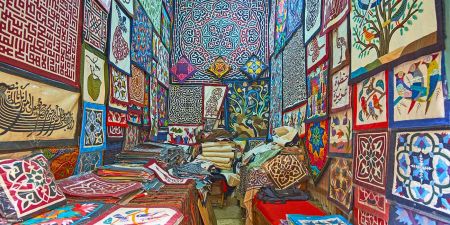
Step into Cairo’s Khayamiya Tentmakers Bazaar and admire exquisite appliqué art. Uncover the beauty of Egyptian textiles and local craftsmanship.
Explore Islamic Cairo's best mosques, bustling bazaars, and architectural marvels in this essential guide to the city's timeless attractions.
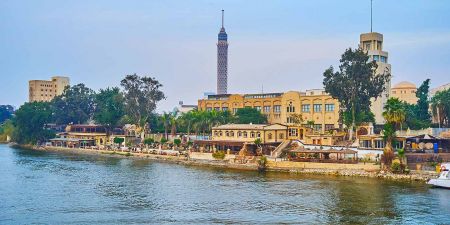
Explore Zamalek Cairo, a chic island district on the Nile. Find attractions, restaurants, and culture in our complete Gezira guide.
Explore Downtown Cairo, Egypt’s modern heart. Uncover Belle Époque architecture, lively streets, and rich city culture in one destination.
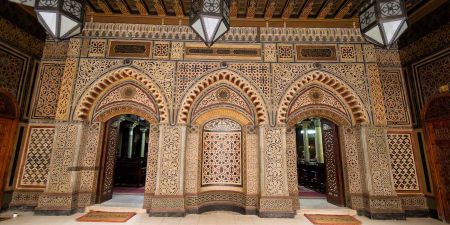
Visit The Hanging Church Cairo to witness a unique Coptic marvel on Roman towers. Learn about its fascinating past and cultural significance.
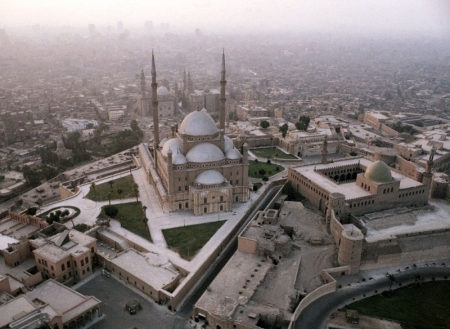
Visit Salah El-Din Citadel Cairo with our guide to its iconic mosques, fortress walls, and centuries of captivating history.
Uncover the timeless allure of Old Cairo. Journey through Coptic Cairo's ancient churches, fascinating history, and cultural treasures now.
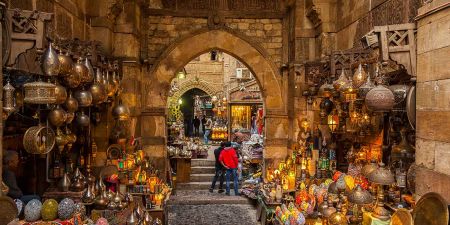
Visit Khan el-Khalili Cairo, a must-see bazaar renowned for its rich history, bustling shops, and authentic Egyptian experience.
Discover the rich history of Ben Ezra Synagogue Cairo, a stunning landmark of Jewish heritage nestled in the heart of Coptic Cairo.
Experience the charm of El Ghorya Cairo, a stunning Mamluk complex renowned for its breathtaking Tanoura dance shows and rich heritage.
Uncover the beauty of Al Aqmar Mosque Cairo. Learn about its history, architectural wonders, and essential visitor tips in this comprehensive guide.
The Coptic Museum lies behind the walls of the famous Roman fortress of Babylon in the ancient district of Cairo (Misr Al-Qadima).
Discover the history and charm of the Cairo Opera House, Egypt’s hub for music, ballet, and cultural performances. Plan your visit today.
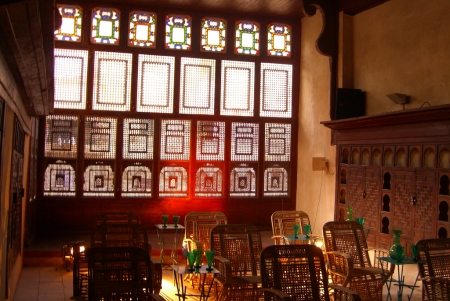
Discover Bayt Al Suhaymi Cairo—an authentic glimpse into Ottoman life. Visit beit el seheimy for rich architecture, culture, and history.
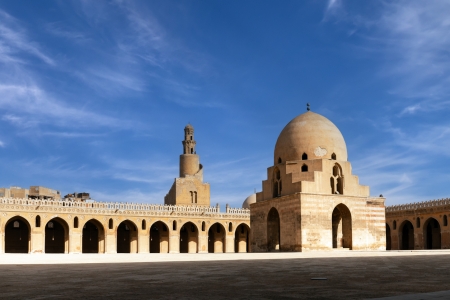
Step into history with Ahmed Ibn Tulun Mosque. Learn about its stunning architecture, captivating past, and importance in Islamic culture.
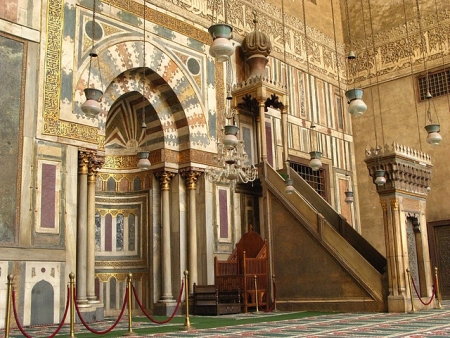
Unveil the fascinating history of the Mosque and Madrasa of Sultan Hassan, Cairo’s iconic Mamluk monument celebrated for its grandeur and artistry.
Explore the Museum of Islamic Art, Doha’s cultural gem. Witness stunning collections where the story of Islamic art and history beautifully unfolds.
Journey through Old Cairo’s history at Bab Zuweila. Uncover stories, architecture, and secrets of this legendary city gate.
Journey into Egypt’s past at the Mosque of Amr ibn al-As. Learn its history and explore this cornerstone of Islamic culture in Cairo.
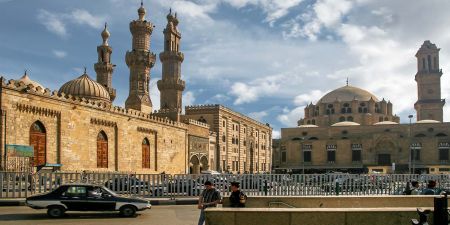
Uncover the significance of Al Azhar Mosque, Cairo’s grand mosque and prestigious university—a cornerstone of Islamic heritage and learning.
Visit Sultan Al Mansur Qalawun Mosque in Islamic Cairo—Marvel at this Mamluk masterpiece and learn about its fascinating historical significance.
Discover the wonders of Al-Muizz Street Cairo—immerse yourself in stunning Islamic architecture, lively bazaars, and rich cultural heritage.