The Red Pyramid: Explained Full Guide

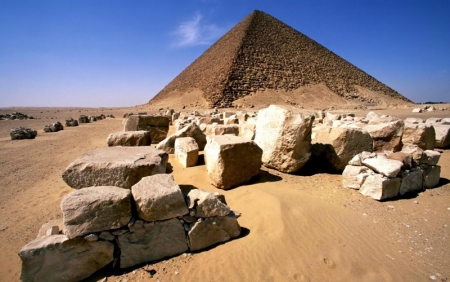
The Red Pyramid fascinates us in two distinct worlds – as an ancient Egyptian marvel and as a modern fantasy novel. This magnificent structure stands 105 meters (344 ft) high and 220 meters (720 ft) wide. It remains the third largest Egyptian pyramid and the largest at the Dahshur necropolis in Cairo, Egypt. The name "The Red Pyramid" also belongs to Rick Riordan's 2010 fantasy-adventure novel that brings ancient Egyptian mythology to life in contemporary times.
Hyperion Books for Children published this popular novel on May 4, 2010, and it now speaks to readers in 19 languages beyond its original English. The story follows siblings Carter and Sadie Kane who find their remarkable heritage as descendants of both pharaohs and magicians of ancient Egypt. The Kane siblings embark on a dangerous global experience to stop the Egyptian god Set. They gradually uncover truths about their family and their connections to a secret order dating back to the pharaohs. Critics praise the novel's quick pace, exciting action, and compelling storyline. They especially highlight Riordan's fascinating and well-crafted interpretation of Egyptian gods, magic, and lore. This blend of Egyptian mythology with modern fiction has helped countless readers appreciate one of history's most enchanting ancient civilizations.
The Red Pyramid is located in Dahshur, about 40 km south of Cairo, Egypt, making it one of the most significant pyramids outside Giza.
Rick Riordan’s novel “The Red Pyramid” reimagines Egyptian mythology for young readers, blending Sneferu’s historical pyramid with magical storytelling.
The Red Pyramid stands as a significant milestone in ancient Egyptian pyramid architecture about 40 kilometers south of Cairo in the Dahshur necropolis. Pharaoh Sneferu, founder of Egypt's 4th Dynasty, built this magnificent structure around 2590 BCE. This remarkable pyramid became his third and most successful project.
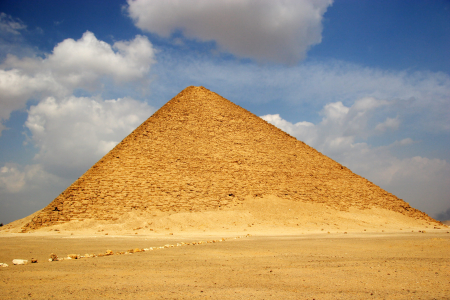
Reddish hue of its exposed limestone blocks gave the pyramid its name. White Tura limestone originally covered the structure until builders removed it during the Middle Ages for Cairo's construction projects. The monument rises 105 meters (345 feet) tall with a base of 220 meters (722 feet) wide and features a distinctive 43-degree angle of inclination.
The Red Pyramid holds special importance as Egypt's first successfully completed true pyramid with smooth sides. This achievement followed Sneferu's earlier setbacks - the collapsed Meidum pyramid and the structurally compromised Bent Pyramid.
Visitors can access the pyramid through a narrow passageway on its northern side that leads to three chambers. The internal structure showcases impressive corbelled vaulting like the Grand Gallery in the Great Pyramid. The pyramid was meant to be Sneferu's tomb, yet researchers have not found any mummified remains, sarcophagus, or funeral offerings inside.
This remarkable structure demonstrates ancient Egyptian state-of-the-art engineering and became the architectural blueprint for later pyramids, including Sneferu's son Khufu's Great Pyramid.
Pharaoh Sneferu of Egypt’s 4th Dynasty built the Red Pyramid around 2590 BCE as his tomb and as the first successfully completed smooth-sided pyramid.
The pyramid’s reddish hue from exposed limestone blocks gave it the name Red Pyramid, distinguishing it from other pyramids at Dahshur.
Visitors can enter the Red Pyramid through a northern passage that leads to three chambers, featuring corbelled vaulting and architectural innovations.
Rick Riordan's bestselling fantasy novel "The Red Pyramid" revolutionized modern literature with ancient Egyptian mythology at the time of its publication in 2010. The first book in The Kane Chronicles trilogy creatively reimagines Egypt's mystical heritage for young readers.
The "storyteller of the gods", as Riordan is known, realized Ancient Egypt fascinated people more than Ancient Greece as a historical subject. His teaching background shaped the novel's development by a lot, especially his choice to make biracial siblings the narrators.
Carter and Sadie Kane find their ancestry links them to ancient Egyptian pharaohs and magicians. Their heritage lets them host Egyptian gods - Horus and Isis respectively - and wield powerful magic. They embark on a quest to save their father and protect the world from the evil god Set. Their adventures span global locations that blend modern settings with ancient Egyptian elements.
The novel stands out because Riordan weaves the Red Pyramid's actual historical importance into fictional storytelling. He uses Egypt as a metaphor for children caught between worlds. Middle-grade readers relate to this theme as they navigate between childhood and adulthood.
Netflix plans to adapt the Kane Chronicles trilogy into feature films. This adaptation will bring this magical take on Egyptian mythology to more viewers.
Magic (Heka) and deities like Isis and Set were central in Egyptian rituals, healing, and spiritual practices, influencing both tombs and daily life.
The Red Pyramid connects history with modern imagination through its architectural brilliance and inspiration for literature, such as Riordan’s Kane Chronicles.
Get in touch with our local experts for an unforgettable journey.
Plan Your Trip
Modern practitioners and fiction writers share a deep interest in ancient Egyptian magic. The concept of Heka, or magical power, lived in words, images, and rituals. Magic and medicine were inseparable in ancient Egyptian culture.
The House of Life stood as a sacred institution at the core of Egyptian magical practice. This magical-religious "university" served as both a knowledge repository and scriptorium. A Chief Lector led this organization and acted as the pharaoh's primary magician. Different magical specialists worked under his guidance - elementalists, fortune tellers, healers, and charm-makers all refined their skills here.
Egyptian deities played vital roles in magical practices. Isis's magical powers exceeded those of other deities, and she became the symbol of protection and healing. Set embodied desert storms and chaos, yet he protected Ra's solar barque from Apophis, the serpent of darkness.
Ancient Egyptians believed their souls would begin a trip through the Duat (underworld) after death. They had to pass through twelve gates with fearsome guardians. The deceased then faced judgment before Osiris, who ruled over the justified dead.
These ancient practices live on through modern spiritual traditions and popular fiction. Books now show ways to honor Egyptian deities within contemporary pagan practices.
The Red Pyramid serves as an amazing link between our ancient past and modern imagination. This architectural masterpiece has amazed people through the ages with its perfect angles and reddish limestone façade. Rick Riordan's novel of the same name fascinates readers by weaving together historical accuracy and creative storytelling.
The sacred House of Life's ancient Egyptian magic still draws people's interest today. The concepts of Heka, magical rituals, and Egyptian deities live on in today's spiritual practices and popular culture, despite thousands of years separating us from Pharaoh Sneferu's time. Riordan's work shows how modern audiences can reimagine these ancient beliefs while preserving their historical importance.
The transformation from actual pyramid to fictional adventure shows our lasting connection to Egypt's rich heritage. Carter and Sadie Kane's fictional adventures mirror real historical discoveries with magical elements that involve young readers. Many people become interested in actual Egyptian history after they explore the fantasy version.
Netflix's upcoming adaptation of The Kane Chronicles will bring this magical take on Egyptian mythology to new audiences. This blend of entertainment and education opens the perfect gateway to explore ancient Egypt's wonders.
People feel drawn to Egyptian magic and mythology when they study the Red Pyramid's architectural brilliance or lose themselves in Riordan's adventure. The charm of ancient wisdom, powerful gods, and mystical practices strikes a chord through time and connects us to one of history's most magical civilizations.
Explore the wonders of Giza Necropolis Egypt, including the Great Pyramid, Sphinx, and ancient tombs in this ultimate traveler's guide.
Explore Saqqara Pyramids Egypt, including the iconic Step Pyramid and ancient tombs. Dive into the mysteries of this legendary site now.
Discover the ultimate Egyptian Pyramids Guide with facts on history, construction, and locations to plan your unforgettable adventure.
The City of Memphis was one of the oldest and most important cities in ancient Egypt. Located at the entrance to the Nile River Valley near the Giza plateau, it served as the capital of ancient Egypt.
The Dahshur pyramids, located southwest of Cairo, are among Egypt’s most important ancient monuments and home to the iconic Red Pyramid. As part of the historic Dahshur necropolis, they offer a quiet, uncrowded glimpse into early pyramid architecture.
The Pyramid of Khufu, also known as the Cheops Pyramid, is the oldest and largest pyramid in Egypt, located on the Giza Plateau. Built around 2600 BC, it is the only surviving wonder of the ancient world and a symbol of ancient Egyptian engineering.
The Pyramid of Khafre is a remarkable Giza monument with hidden chambers, secret passages, and fascinating facts beyond its exterior.
The Pyramid of Menkaure in Giza is small yet fascinating, revealing granite design, hidden chambers, and discoveries inside.
The Red Pyramid at Dahshur, Egypt, is Sneferu’s architectural masterpiece. Discover its history, design, chambers, and role in ancient Egyptian civilization.
The Bent Pyramid at Dahshur, built by Pharaoh Sneferu around 2600 BCE, features a unique slope change, dual entrances, and intact limestone casing. This architectural innovation influenced later pyramids like the Red Pyramid and the Great Pyramid of Giza.