Farafra Oasis
Farafra Oasis is Egypt’s smallest and most isolated Western Desert oasis, home to about 5,000 residents and best known as the gateway to the White Desert. Located between Bahariya and Dakhla oases, it preserves an authentic Bedouin lifestyle with traditional mud-brick architecture, hot springs, and a strong sense of community. Set in a small depression surrounded by limestone and chalk cliffs, Farafra relies on underground springs to support agriculture and settlement. Though it lacks major archaeological sites, its true appeal lies in its natural beauty, cultural authenticity, and access to some of Egypt’s most surreal desert landscapes.
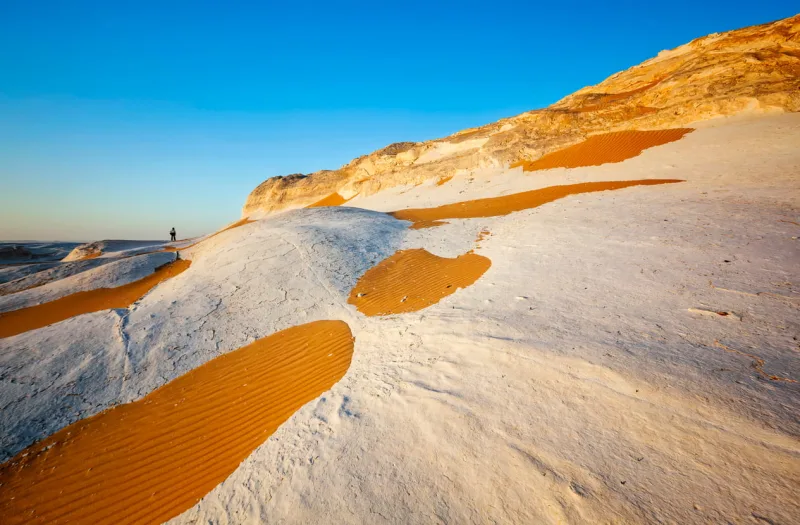
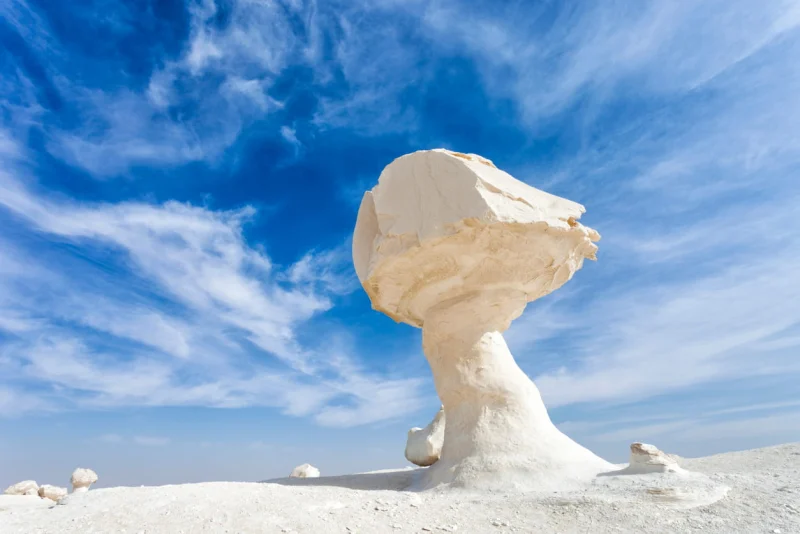
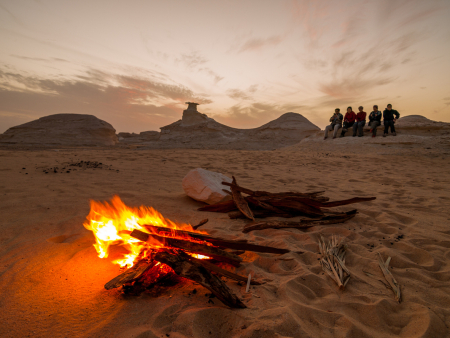
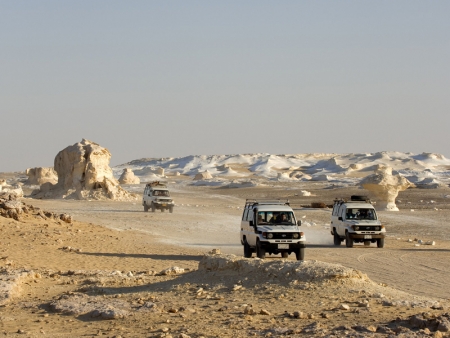
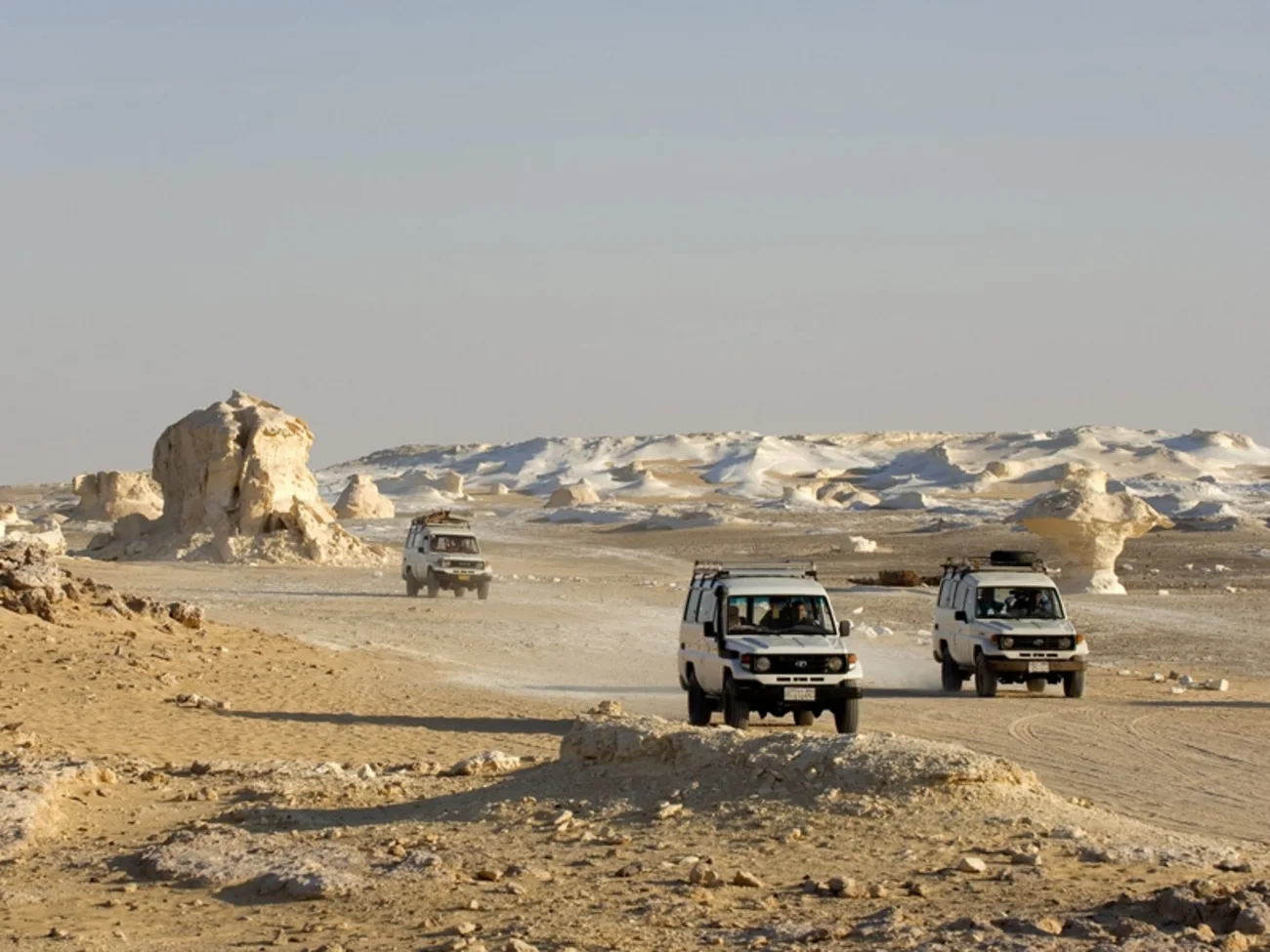
The White Desert, located approximately 45 kilometers north of Farafra, represents one of Earth's most surreal and beautiful natural landscapes. Vast expanses of brilliant white calcified rock formations sculpted by wind and sand create otherworldly scenery resembling alien planet or natural sculpture garden. Mushroom-shaped rocks, towering white pinnacles, and bizarre formations stretch across the desert creating landscape photographers dream about and visitors never forget.
Geological Formation:
The White Desert formed from ancient seabed sediments (chalk and limestone) deposited when the area lay beneath ocean millions of years ago. After the sea retreated, wind and sand gradually eroded softer rock layers, leaving harder formations standing as dramatic sculptural forms. Ongoing erosion continuously reshapes the landscape.
Key Features:
Mushroom Rocks: Wind erosion creates distinctive mushroom shapes with narrow bases and wider caps where harder rock layers protect softer stone beneath
The Chicken and Mushroom: Famous formations resembling chicken and mushroom shapes, popular photography subjects
Cream Desert: Northern section featuring cream-colored formations
Old White Desert: Southern section with older, more weathered white formations
New White Desert: Area designated as protected natural reserve
Activities:
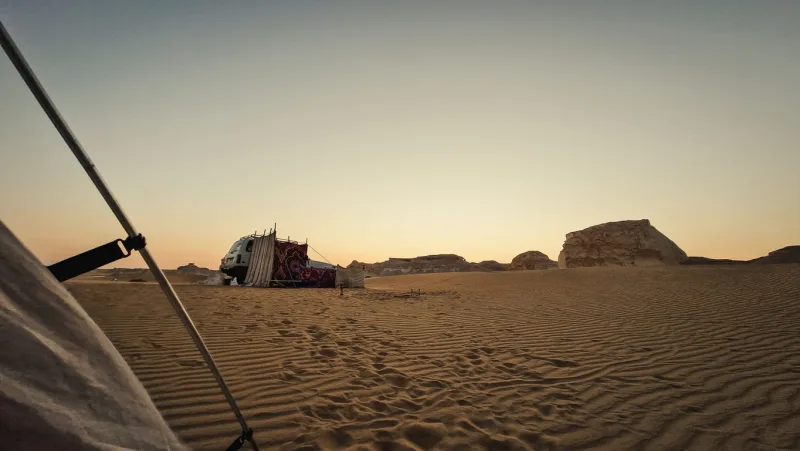
Access: 4x4 safari tours from Farafra (typically 2-3 day trips including overnight camping)
En route from Farafra to the White Desert, Crystal Mountain (Gebel al-Izzaz) features natural rock arch filled with calcite crystals that sparkle dramatically in sunlight. While relatively small, it provides interesting geology lesson and excellent photo opportunity during desert journeys.
Features: Calcite crystal formations, natural arch, geological interest
Stop Duration: 15-30 minutes (brief photo stop on safari routes)
You'll find Farafra Oasis in Egypt's Western Desert, approximately 550 km southwest of Cairo, 180 km south of Bahariya Oasis, and 190 km north of Dakhla Oasis. It's Egypt's smallest major oasis (5,000 residents) and gateway to the spectacular White Desert.
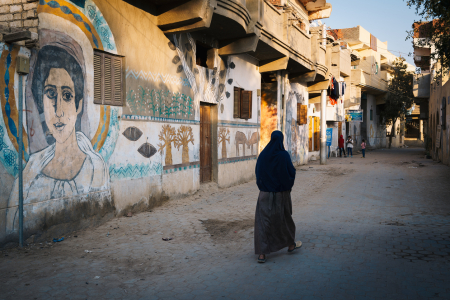
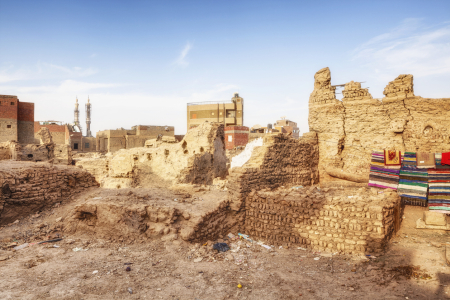
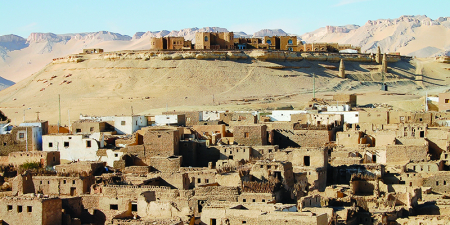
Qasr Farafra, Farafra's main settlement, showcases traditional desert architecture with mud-brick houses, narrow winding streets, and traditional design adapted to harsh desert climate. The town centers on ruins of ancient fortress (qasr means "fortress" or "palace" in Arabic) that once provided defensive position for oasis inhabitants.
Architectural Features:
Farafra maintains strong Bedouin cultural identity with traditions largely unchanged by modernization:
Traditional Lifestyle:
Cultural Sensitivity:
Visitors should dress modestly, ask permission before photographing people, respect privacy, and appreciate that Farafra is real community, not tourist attraction.
Farafra boasts several natural hot springs with therapeutic mineral-rich waters:
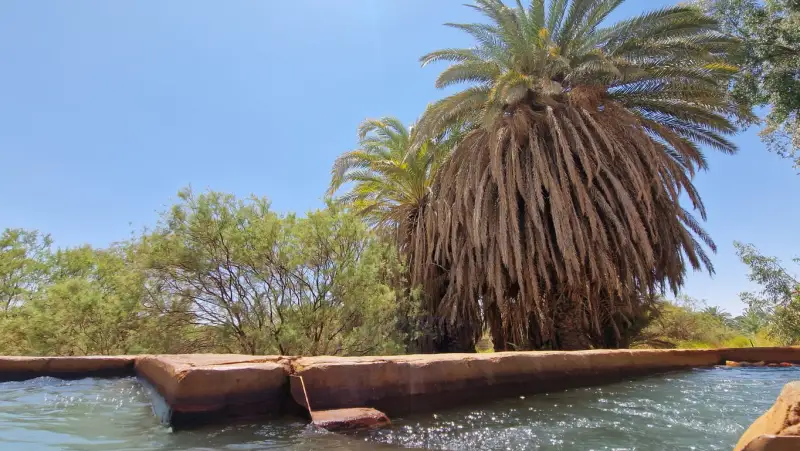
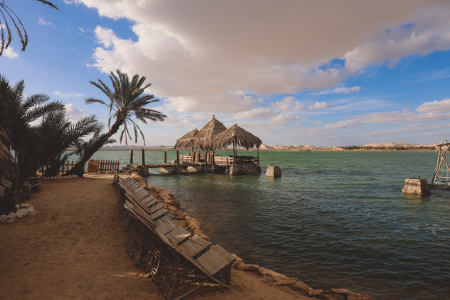
The most popular and accessible hot spring, located approximately 6 kilometers from Qasr Farafra. This developed spring features large concrete pool fed by natural hot water (around 32°C / 90°F).
Features:
Best Time: Sunset for magical atmosphere
Entry: Small fee (approximately 20 EGP)
Several less developed springs exist around Farafra offering more rustic bathing experiences:
These springs typically have more basic facilities but offer authentic oasis bathing experiences.
The Badr Museum, located in Qasr Farafra, showcases folk art created by local artist Badr Abdel Moghny. This unique museum features clay sculptures, paintings, and art celebrating Farafra life, traditions, and legends.
Features:
Clay sculptures of local people and scenes
Paintings depicting oasis life
Folk art celebrating Bedouin traditions
Artist's home and workshop
Significance: Rare example of contemporary folk art museum in remote Egyptian oasis
Visit Duration: 30-45 minutes
Yes, you can enjoy natural hot springs including Bir Sitta (most popular, 6 km from town) with large pool and changing facilities. Water temperature around 32°C provides relaxing soak after desert safaris. Other springs (Bir Al-Mufid, Bir Al-Sukar) offer more rustic experiences. Visit at sunset for magical atmosphere.
Get in touch with our local experts for an unforgettable journey.
Plan Your Trip
Typical 2-Day Itinerary:
Day 1:
Day 2:
Inclusions:
Pricing: $80-150 per person (group tours), higher for private trips
Longer trips (3-5 days) explore more remote areas:
From Bahariya:
From Dakhla:
From Cairo:
Distance: 550 km
Journey time: 7-8 hours
Better to reach via Bahariya (break journey)
Bus Schedule: Limited service (usually one bus daily each direction)
Within Town: Walking (small, compact)
To Springs: Walking or bicycle (Bir Sitta 6 km)
Desert Safaris: 4x4 tours (essential for White Desert)
Hotels:
Facilities: Basic but clean, air-conditioning (some), simple restaurants
Camping: Most visitors camp during White Desert safaris rather than staying multiple nights in Farafra town
Options:
Local Specialties:
Optimal Seasons:
Avoid:
For Desert Safaris:
Important: Temperature can drop to near-freezing at night (winter), even when daytime reaches 25-30°C
Farafra works perfectly as part of Western Desert oasis circuit:
Northern Route (Cairo → Farafra):
Southern Route (Farafra → Luxor):
Complete Circuit (7-10 days):
Cairo → Bahariya (White Desert) → Farafra (White Desert) → Dakhla → El Kharga → Luxor
You can reach Farafra by bus from Bahariya (180 km, 3-4 hours, most common route) or Dakhla (190 km, 3 hours). Limited daily bus service operates. Most travelers visit as part of Western Desert oasis circuit or organized White Desert safari tours from Cairo or Bahariya.
You'll discover the White Desert 45 km north of Farafra—Egypt's most spectacular natural landscape featuring surreal white calcified rock formations resembling mushrooms and alien sculptures. You must visit via 4x4 safari tour from Farafra (typically 2-3 day trips, $80-150 per person) including overnight desert camping under stars.
You should visit October-November or March-April for perfect temperatures (20-30°C days) and comfortable desert camping. December-February offers clear skies for stargazing but very cold nights (near freezing). Avoid May-September when daytime temperatures exceed 40-45°C, though summer nights are pleasant for camping.
You should pack warm sleeping bag (winter nights extremely cold, near freezing), layered clothing for temperature extremes, sun protection (hat, sunglasses, sunscreen), closed-toe shoes, headlamp, camera with extra batteries, toiletries, and medications. Tours provide meals, camping equipment, 4x4 transport, and guides. Temperature extremes require proper preparation.
Yes, you should visit Farafra for unique reasons: it's Egypt's most traditional oasis with authentic Bedouin culture unchanged by tourism, provides easiest access to the spectacular White Desert (unavailable elsewhere), offers natural hot springs, and maintains peaceful uncrowded atmosphere. The White Desert alone justifies the journey.
You can visit Farafra town independently (accessible by bus), explore on foot, and enjoy hot springs. However, you must use organized 4x4 tours for White Desert visits (required for protected area access, safety in remote desert, navigation, permits). Book tours through Farafra hotels or Bahariya operators.
Explore Bahariya Oasis Egypt and embark on a Black & White Desert Safari. Get tips, highlights, and travel info for an unforgettable desert journey.
Explore Fayoum Egypt, a paradise of lush oases, breathtaking waterfalls, and tranquil Lake Qarun. Uncover travel tips and hidden gems now!
Siwa Oasis Egypt awaits! Uncover its Oracle Temple, serene salt lakes, and vibrant culture for an unforgettable desert adventure.
Explore the wonders of Kharga Oasis Egypt—visit majestic temples, ancient fortresses, and experience the serene desert with our expert guide.
Discover Farafra Oasis Egypt, your gateway to the breathtaking White Desert and relaxing hot springs. Plan your desert escape today.
Dakhla Oasis, Egypt’s Western Desert gem, features ancient ruins, fertile farmland, and hot springs.
Experience vibrant Bedouin culture, Deir El Hagar, Al-Qasr village, and traditional desert life.