St. Simeon Monastery and the Tombs of the Nobles
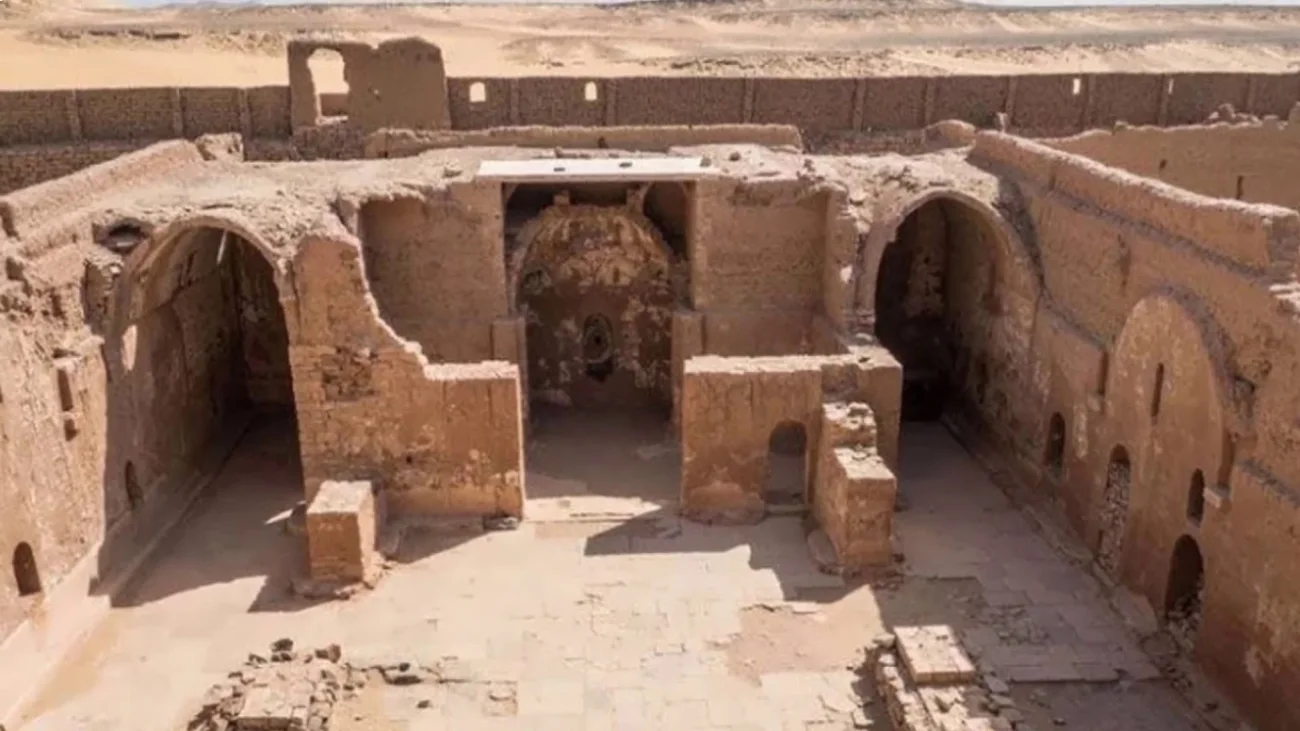
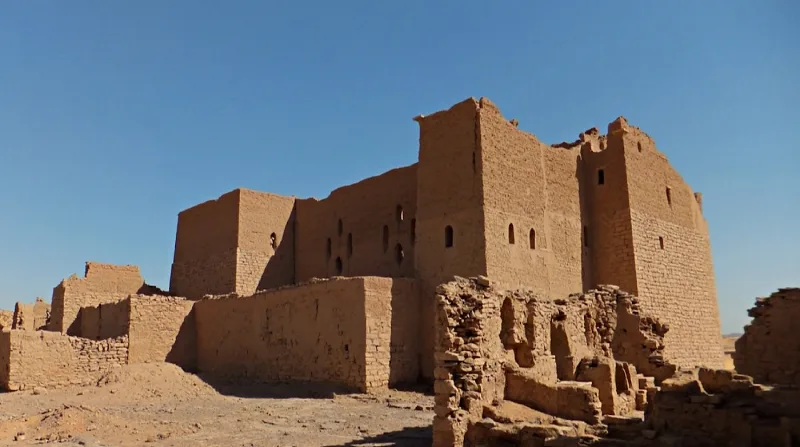
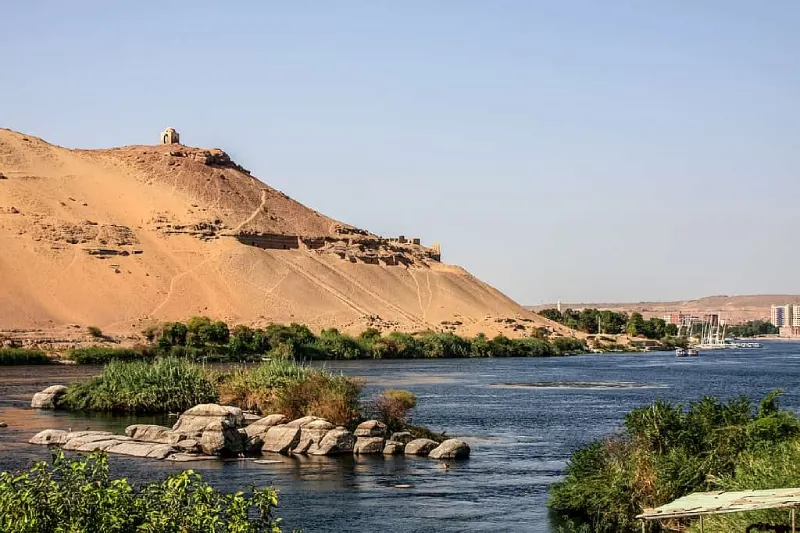
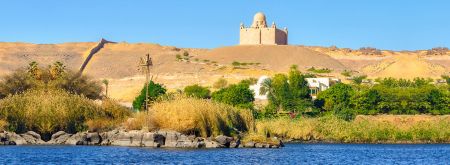
Located on the west bank of Aswan, Egypt, the monastery of st simeon stands as one of the most important early Christian sites in Upper Egypt. Set against the desert hills overlooking the Nile, the monastery represents a key chapter in the spread of Christianity along the river corridor. Built during the 6th century AD, the complex was dedicated to St Simeon the Tanner, a revered Coptic saint known for his devotion, humility, and association with early Christian miracles.
The monastery of st simeon formed part of a wider network of monastic settlements that flourished in Upper Egypt during the Byzantine period. These religious communities played a vital role in strengthening Christian belief, educating monks, and preserving sacred texts. At its height, the monastery accommodated hundreds of monks who lived a disciplined spiritual life centered on prayer, study, and communal worship. Today, the site is considered one of the most valuable historical and archaeological landmarks near Aswan.
During the Byzantine era, the monastery of st simeon functioned as more than a place of worship. It was an educational and cultural center that contributed to the preservation of Christian doctrine in Nubia and southern Egypt. Monks here were engaged in copying manuscripts, teaching religious principles, and maintaining strong connections with other monastic communities along the Nile.
Despite periods of political unrest and regional conflict, the monastery survived for several centuries. Its endurance offers rare insight into monastic life in Upper Egypt and the challenges faced by early Christian communities. Archaeological remains, inscriptions, and wall paintings found at the site reveal a gradual transition from ancient Egyptian traditions to Christian practices, making the monastery of st simeon an essential reference point for those studying Byzantine Christian sites in Egypt.
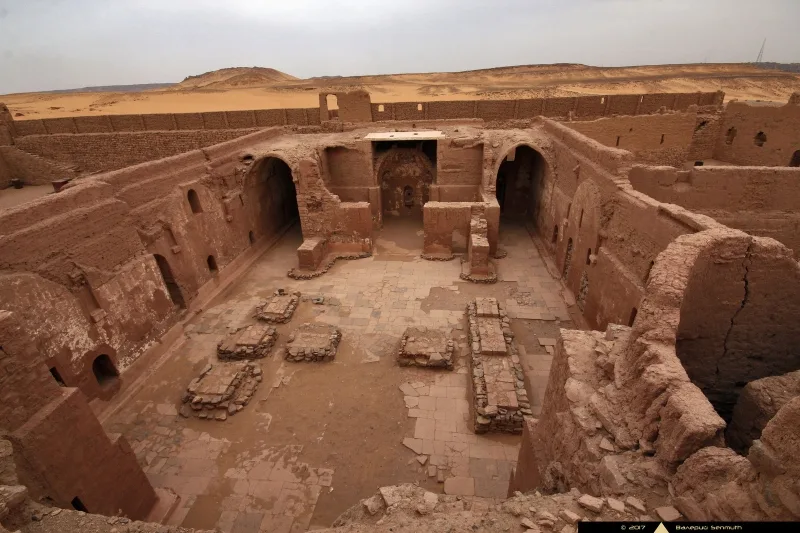
The architectural design of the monastery of st simeon reflects classic Byzantine religious planning adapted to the Nubian environment. The main church follows a basilica-style layout, with stone pillars supporting vaulted spaces and carefully carved niches used for prayer and ritual purposes. Smaller chapels are scattered throughout the complex, many of which contain early Christian frescoes depicting saints, biblical scenes, and symbolic motifs.
These artistic remains represent some of the earliest Christian visual expressions in Nubia. For travelers and researchers interested in ancient Christian monasteries along the Nile, the churches and chapels of the monastery of st simeon offer valuable insight into early religious art and architecture.
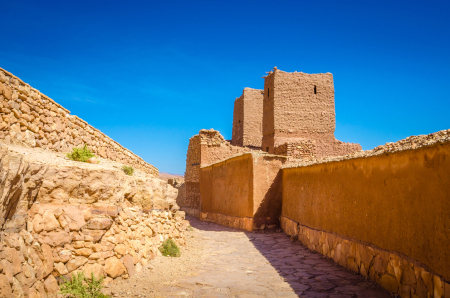
The living quarters of the monks were simple yet functional. Constructed primarily from mudbrick and stone, the monastic cells provided individual spaces for rest, reflection, and prayer. Archaeological excavations have uncovered everyday items such as pottery fragments, religious tools, and manuscript remains, all of which illustrate the daily routines of the monastic community.
These discoveries help modern visitors understand the balance between spiritual devotion and daily labor that defined life within the monastery of st simeon.
Surrounding the monastery are strong stone walls reinforced with towers, highlighting its strategic importance during a time when desert raids and political instability were common. The fortified design ensured the safety of the monks and protected religious property.
Inside the walls, open courtyards served as communal gathering areas. These spaces were used for prayer, instruction, and social interaction, emphasizing the collective nature of monastic life in Upper Egypt.
Get in touch with our local experts for an unforgettable journey.
Plan Your Trip
Life within the monastery of st simeon followed a strict and disciplined routine. Monks dedicated their days to spiritual practice, intellectual work, and self-sufficiency. Archaeological evidence and historical records indicate that daily activities included:
This structured lifestyle reflects the deep spiritual commitment of early Christian monks and offers visitors a clear understanding of monastic devotion in Upper Egypt.
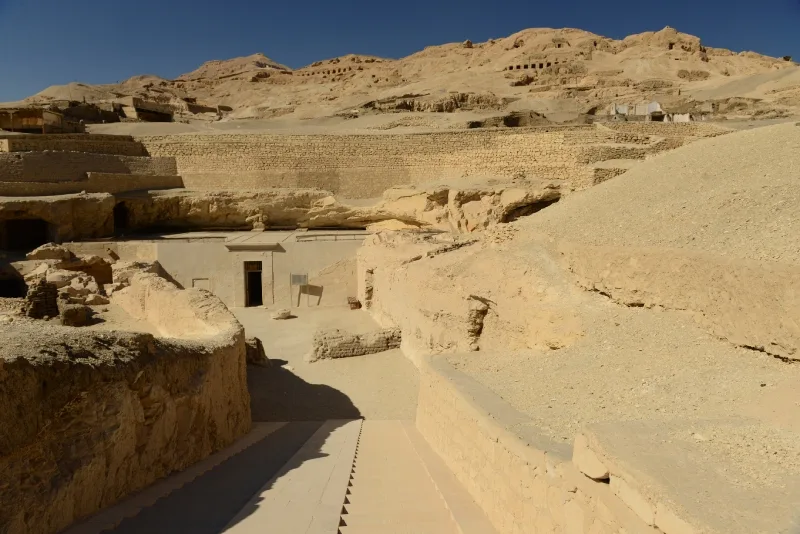
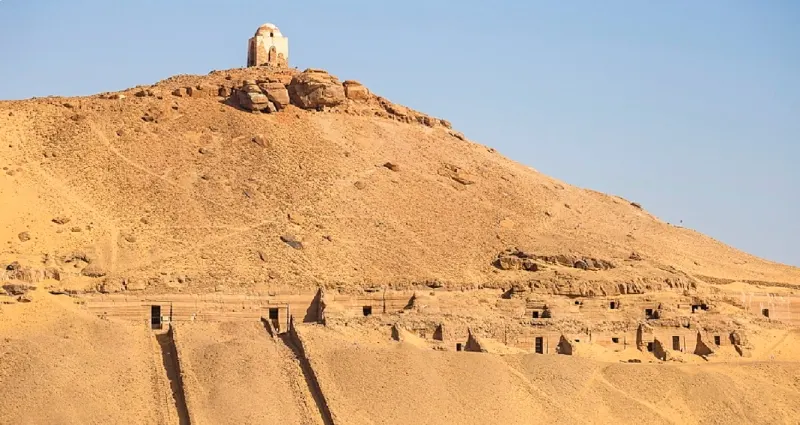
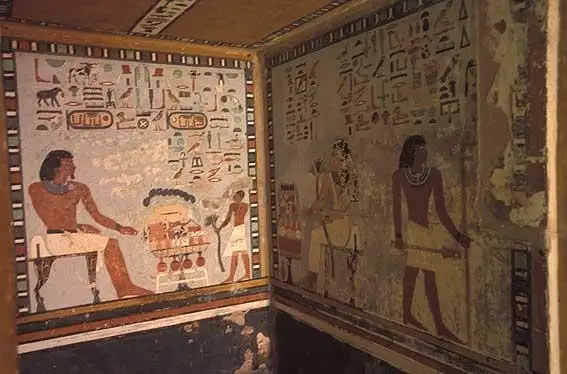
Located close to the monastery lies another major archaeological attraction: the tombs of the nobles in aswan. This site is a New Kingdom necropolis dating from approximately 1550 to 1070 BC. Carved into the hills overlooking the Nile, these tombs were created for high-ranking officials, priests, and nobles who played key roles in ancient Egyptian and Nubian administration.
The tombs of the nobles in aswan demonstrate the political power, artistic skill, and cultural sophistication of the region during the New Kingdom period. Their location on the west bank reflects ancient Egyptian beliefs associated with the afterlife and the setting sun.
Key Features of the Tombs
The tombs of the nobles in Aswan are renowned for their detailed artistic and architectural elements, including:
These features make the tombs an essential site for understanding New Kingdom Nubian necropolises and elite life in ancient Aswan.
Together, the monastery of st simeon and the tombs of the nobles in aswan represent centuries of religious, cultural, and artistic development in Upper Egypt. The contrast between the two sites highlights the region’s long spiritual history and cultural continuity.
Key themes reflected at both sites include:
For scholars, historians, and travellers interested in historical sites near the Nile River in Aswan, these locations provide an exceptional overview of Upper Egypt’s spiritual evolution.
Visitors to Aswan can explore both the monastery of st simeon and the tombs of the nobles in aswan as part of a comprehensive cultural experience. The sites are accessible by car, boat, or as part of Nile cruise excursions from Aswan. Guided tours are highly recommended to fully understand the historical and archaeological context of each location.
Comfortable walking shoes are advised due to uneven terrain, and early morning visits are ideal for cooler temperatures and optimal lighting conditions for photography. Together, these sites form an important stop on any Upper Egypt itinerary.
The monastery of st simeon and the tombs of the nobles in Aswan offer visitors a rare opportunity to explore multiple layers of Egyptian history in one setting. Highlights include:
For travellers exploring Christian monasteries along the Nile or significant archaeological sites in Upper Egypt, these landmarks provide a rich, educational, and memorable experience.
The monastery of st simeon is located on the west bank of the Nile River in Aswan, Egypt, overlooking the river and surrounded by desert hills.
The monastery of st simeon is one of the most important early Christian monasteries in Upper Egypt, dating back to the 6th century AD and reflecting the spread of Byzantine Christianity along the Nile.
St Simeon the Tanner was a revered Coptic Christian saint known for his devotion, humility, and association with early Christian traditions in Egypt.
The monastery of st simeon was constructed during the 6th century AD, during the Byzantine period in Egypt.
The tombs of the nobles in aswan are a New Kingdom necropolis carved into the west bank hills, dating from approximately 1550 to 1070 BC.
The tombs were reserved for high-ranking officials, priests, and nobles who played important administrative and religious roles in ancient Egypt and Nubia.
They provide valuable insight into elite life, religious beliefs, artistic traditions, and political organisation during the New Kingdom period.
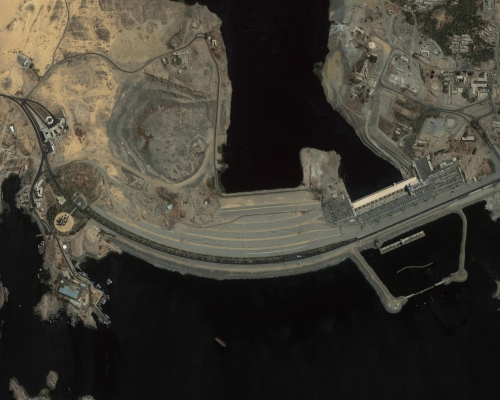
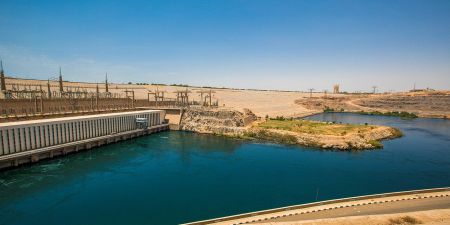
Aswan High Dam Located in the middle of the Egyptian Desert is one of the largest embankment dams of the world, Aswan High Dam. Known as Saad el Aali in Arabic Aswan High Dam is one of the greatest engineering miracles of this world.
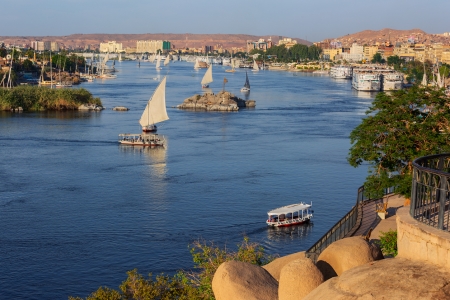
Aswan City is a tranquil Nile-side destination known for its ancient temples, Nubian heritage, and stunning river scenery.
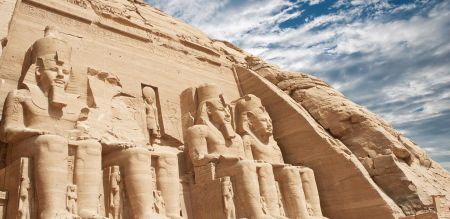
Visit Abu Simbel Temples Egypt to marvel at Ramesses II's spectacular monuments. Uncover ancient history and breathtaking architecture.
Discover the Aswan High Dam Egypt—an engineering marvel shaping the Nile and Lake Nasser. Explore its history, impact, and legacy.
Explore Aswan High Dam Egypt, a groundbreaking structure behind Lake Nasser. Learn about its construction, benefits, and lasting significance.
Uncover the wonders of Philae Temple Aswan—an ancient island temple dedicated to Isis. Experience the mesmerizing sound and light show.
Discover Elephantine Island Aswan—wander ancient ruins and experience the charm of an authentic Nubian village on the Nile's enchanting shores.
Uncover Nubian heritage at the Nubian Museum Aswan. Explore ancient art, history, and culture in this UNESCO-recognized treasure.
Read our travel wiki about Aswan Botanical Garden and explore its plants, history, and educational importance in Aswan.
Learn about the monastery of st simeon and the tombs of the nobles in Aswan, their history, architecture, and significance. Start exploring now.