Kharga Oasis

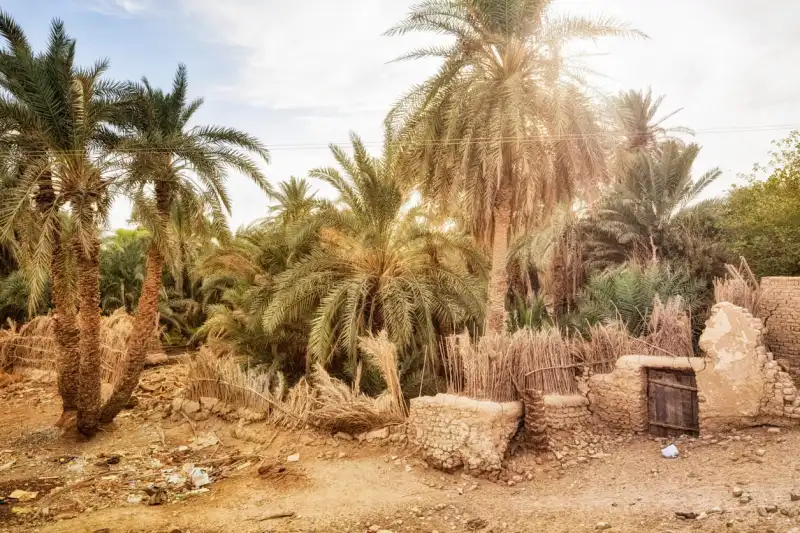
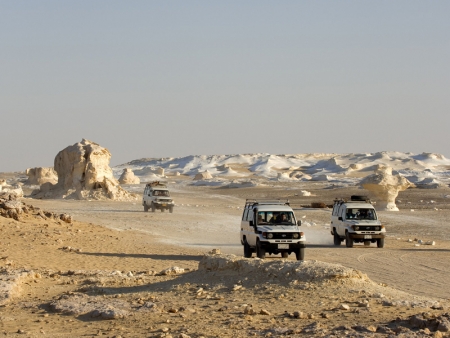
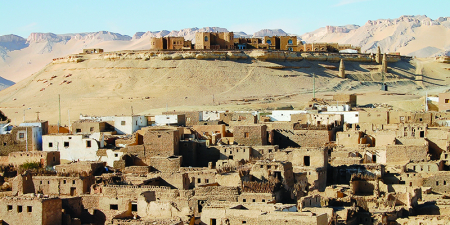
Kharga Oasis, the largest and most developed oasis in Egypt’s Western Desert, serves as the capital of the New Valley Governorate. With modern infrastructure and easy access, it offers visitors a blend of comfort and rich history, featuring important sites from Persian, Roman, and early Christian periods such as the Temple of Hibis and Bagawat Cemetery. Supported by natural springs and fertile land, El Kharga is an ideal destination for travelers seeking authentic desert life and lesser-known archaeological treasures.
El Kharga's strategic location on ancient desert routes connecting the Nile Valley with the Western Desert and Sudan ensured importance throughout Egyptian history. Archaeological evidence indicates settlement dating to prehistoric times, with significant development during:
Pharaonic Period: Used as exile location for political prisoners, waystation on desert routes, source of desert products
Persian Period (525-404 BC): Major development including Temple of Hibis construction
Greco-Roman Period: Extensive building including fortresses, temples, aqueducts
Early Christian Period: Thriving Christian community with churches and monasteries
El Kharga marked the northern terminus of Darb el-Arbain, the ancient caravan route linking Sudan with Egypt. This "Road of Forty Days" brought slaves, ivory, gold, exotic animals, and other African goods to Egyptian markets. Fortresses and waystations along the route protected caravans and controlled trade.
You'll find El Kharga Oasis in Egypt's Western Desert, approximately 200 km west of Luxor and 600 km southwest of Cairo. It's Egypt's largest oasis by population (70,000 residents) and capital of New Valley Governorate, stretching 160 km long in a desert depression.
The Temple of Hibis, located 2 kilometers north of El Kharga city, represents the best-preserved Persian Period temple in Egypt and one of few monuments from Persian rule (27th Dynasty, 525-404 BC). Dedicated to the Theban triad (Amun, Mut, Khonsu), the temple features beautiful reliefs and inscriptions in excellent condition.
Features:
Construction: Begun by Persian King Darius I (522-486 BC), completed by later Persian and native Egyptian rulers
Current Status: Recently restored and reopened
Visit Duration: 45-60 minutes
Highlights: Colorful ceiling decorations, Persian-Egyptian artistic fusion
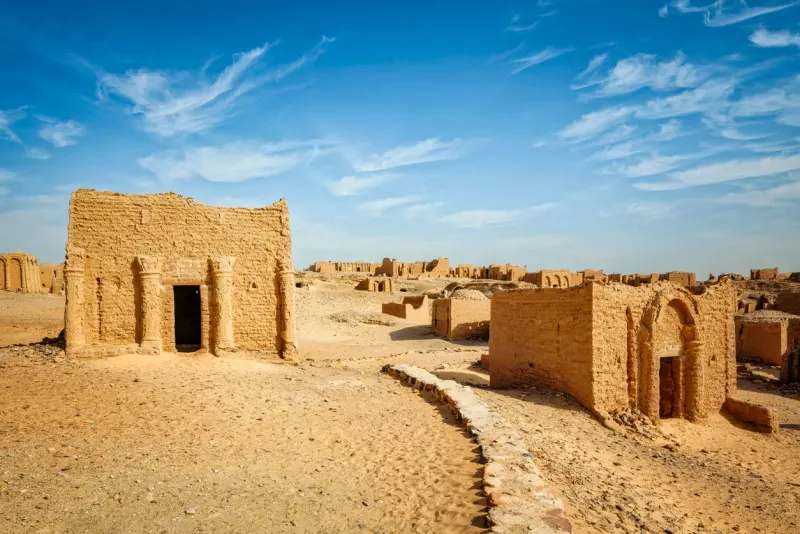
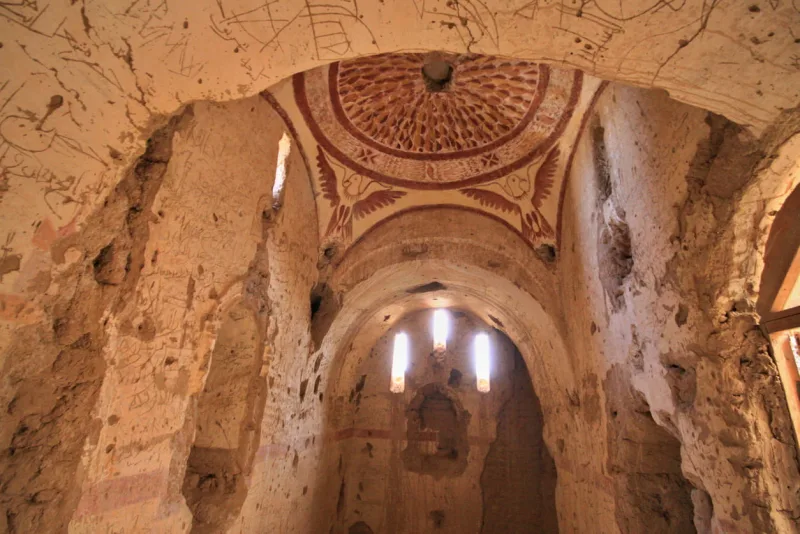
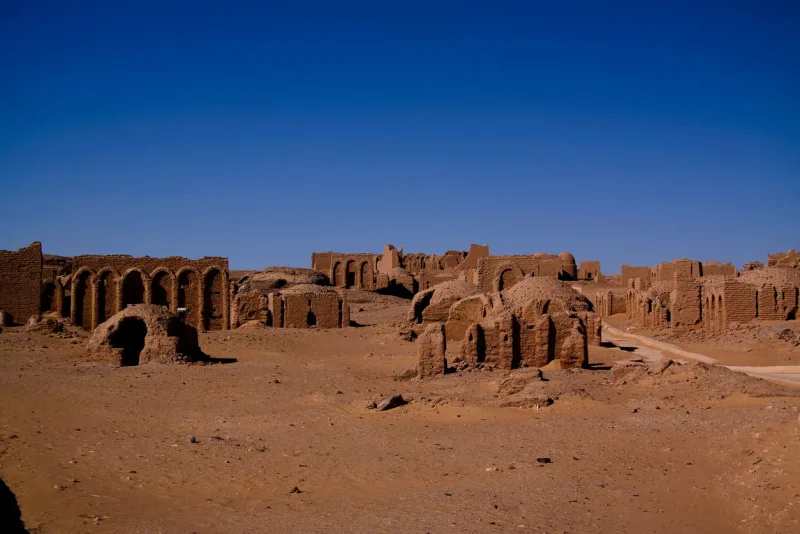
The Bagawat Necropolis (Cemetery), located near Temple of Hibis, represents one of the oldest and best-preserved early Christian cemeteries in the world. This remarkable site contains over 263 mud-brick chapel tombs (mausoleums) dating from 3rd-7th centuries AD, many featuring spectacular early Christian frescoes.
Features:
Notable Chapels:
Significance: Invaluable record of early Christian art and architecture
Visit Duration: 60-90 minutes
Photography: Permitted (respect sacred space)
This Greco-Roman temple-fortress, located approximately 2 kilometers from El Kharga city, combines religious and military functions typical of oasis architecture. The sandstone structure features temple dedicated to Amun-Hibis with attached fortress providing defensive capabilities.
Features:
Visit Duration: 30-45 minutes
Condition: Partially ruined but structurally significant
Located 55 kilometers northwest of El Kharga city, Ain Umm Dabadib represents one of the Western Desert's most impressive Roman fortresses. This massive fortified settlement includes fortress walls, temples, houses, aqueducts, and extensive underground water systems.
Features:
Significance: Best example of Roman desert frontier fortification
Access: 4x4 vehicle recommended (rough desert track)
Visit Duration: 2-3 hours
Best With: Organized tour or experienced local guide
The Temple of Ghueita, located 25 kilometers south of El Kharga city, dates to the 25th Dynasty (circa 690 BC) with later additions during Persian, Ptolemaic, and Roman periods. Dedicated to the Theban triad (Amun, Mut, Khonsu), this well-preserved temple sits dramatically on a rocky outcrop.
Features:
Visit Duration: 45-60 minutes
Highlights: Intact chambers, original roof sections, inscriptions
This Roman Period temple-fortress sits atop a hill overlooking El Kharga city, offering panoramic oasis views. Built during the 2nd century AD and dedicated to Amun-Nakht, the structure combines religious and defensive purposes.
Features:
Visit Duration: 30-45 minutes
Best Time: Late afternoon for sunset views
The Muzawwaqa Tombs, located 6 kilometers south of El Kharga, contain beautifully decorated Roman Period tombs (1st-2nd centuries AD) featuring exceptional frescoes blending Egyptian and Greco-Roman artistic styles.
Features:
Notable Tombs: Petosiris Tomb and Petobastet Tomb with colored frescoes
Visit Duration: 45-60 minutes
Photography: Limited (flash prohibited to preserve frescoes)
You shouldn't miss Temple of Hibis (Egypt's best-preserved Persian temple), Bagawat Necropolis (263 early Christian chapel-tombs with frescoes), Ain Umm Dabadib (massive Roman fortress), Temple of Ghueita, Muzawwaqa tombs (Roman frescoes), Qasr el-Labeka temple-fortress, and Temple of El-Nadura (panoramic sunset views).
Modern El Kharga city serves as New Valley Governorate capital and oasis administrative center. While not architecturally beautiful, the city offers necessary services and infrastructure for comfortable exploration of surrounding archaeological sites.
Facilities:
El Kharga's agriculture focuses on:
Modern agricultural projects aim to expand cultivation using underground water resources.
Get in touch with our local experts for an unforgettable journey.
Plan Your Trip
From Luxor:
From Assiut:
From Cairo:
Best Route: Luxor → El Kharga → Dakhla → Farafra → Bahariya → Cairo (Western Desert circuit)
Taxis: Available for sites near city
Private Car/4x4: Essential for remote sites (Ain Umm Dabadib)
Organized Tours: Available through hotels
Bicycle: Possible for nearby sites (rent from hotels)
Hotels in El Kharga City:
Facilities: Air-conditioning, restaurants, WiFi (variable quality), swimming pools (some hotels)
Local Specialties:
Optimal Seasons:
Avoid:
May-September: Extreme heat (40-45°C+), challenging for archaeological site visits
You should visit October-November or March-April for comfortable temperatures (20-28°C) ideal for exploring archaeological sites. December-February offers cool days (15-22°C) but cold nights. Avoid May-September when temperatures exceed 40-45°C, making outdoor exploration challenging.
Despite modernization, El Kharga maintains traditional oasis culture:
Oasis residents known for welcoming hospitality. Opportunities exist for:
You can reach El Kharga by daily bus from Luxor (4-5 hours, ~50 EGP) or private car (200 km, 2.5-3 hours via desert road). The Luxor route is most common for tourists. El Kharga also connects to Assiut (232 km north) and other Western Desert oases.
You'll visit Bagawat Necropolis—one of the world's oldest and best-preserved early Christian cemeteries with over 263 mud-brick chapel-tombs dating from 3rd-7th centuries AD. You can see spectacular early Christian frescoes depicting biblical scenes including the Exodus, making it an invaluable record of early Christian art.
Yes, you can easily combine El Kharga with other oases: Luxor → El Kharga → Dakhla (190 km) → Farafra (310 km) → Bahariya (180 km) → Cairo (365 km). This 7-10 day circuit showcases diverse oasis cultures, landscapes, and archaeological sites across Egypt's Western Desert.
You don't need 4x4 for most sites near El Kharga city (Hibis Temple, Bagawat, El-Nadura, Ghueita) accessible by regular taxi or car. However, you'll need 4x4 for remote Ain Umm Dabadib fortress (55 km northwest) via rough desert tracks. Organize through hotels or tour operators.
You can stay at budget hotels ($15-30/night) for basic clean rooms, or mid-range options like Pioneers Hotel and Sol Y Mar Hotel ($30-60/night) with air-conditioning, restaurants, pools, and WiFi. El Kharga city offers modern amenities but limited luxury compared to major tourist cities.
Explore Bahariya Oasis Egypt and embark on a Black & White Desert Safari. Get tips, highlights, and travel info for an unforgettable desert journey.
Explore Fayoum Egypt, a paradise of lush oases, breathtaking waterfalls, and tranquil Lake Qarun. Uncover travel tips and hidden gems now!
Siwa Oasis Egypt awaits! Uncover its Oracle Temple, serene salt lakes, and vibrant culture for an unforgettable desert adventure.
Explore the wonders of Kharga Oasis Egypt—visit majestic temples, ancient fortresses, and experience the serene desert with our expert guide.
Discover Farafra Oasis Egypt, your gateway to the breathtaking White Desert and relaxing hot springs. Plan your desert escape today.
Dakhla Oasis, Egypt’s Western Desert gem, features ancient ruins, fertile farmland, and hot springs.
Experience vibrant Bedouin culture, Deir El Hagar, Al-Qasr village, and traditional desert life.