Aswan Botanical Garden
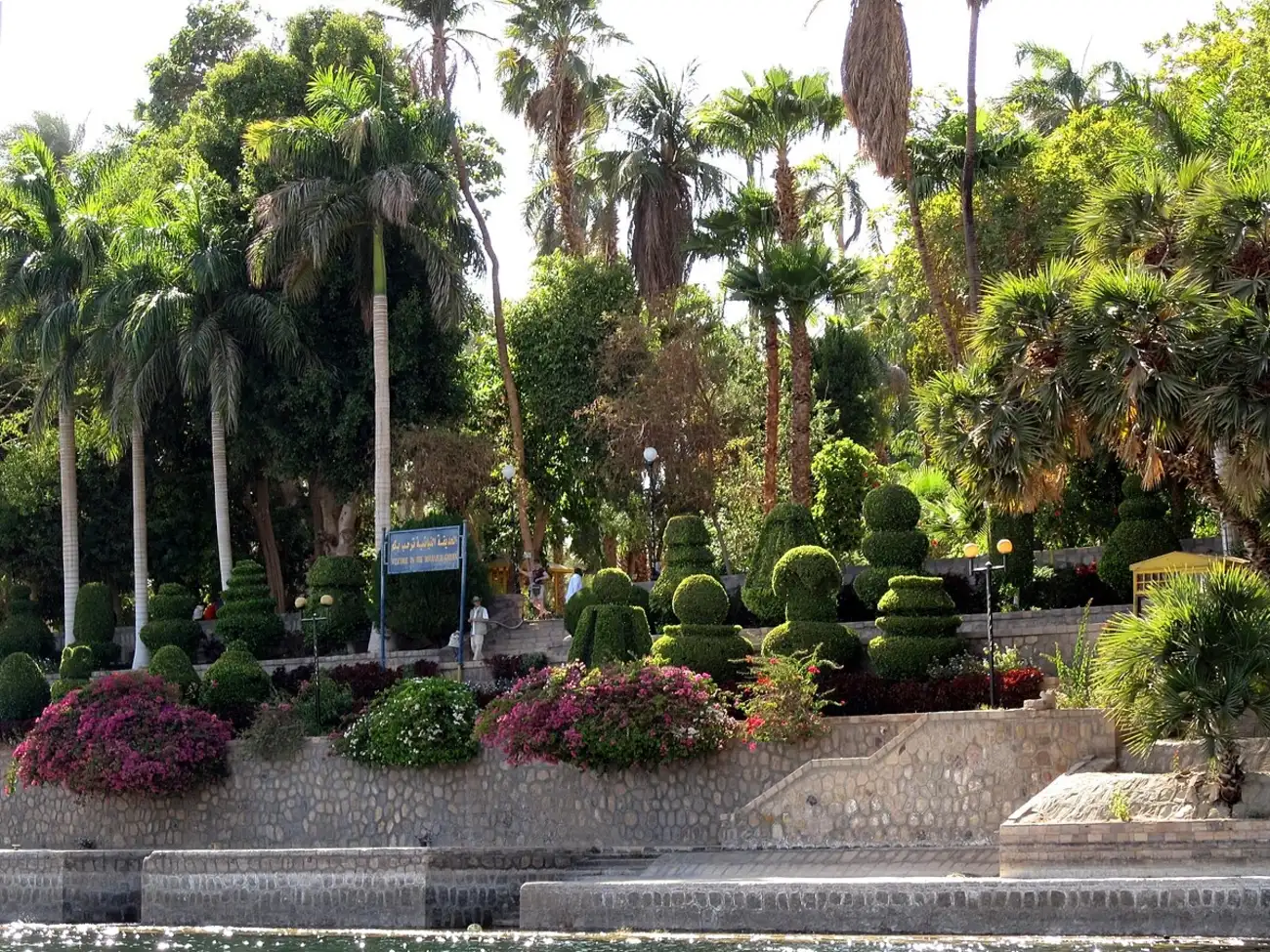
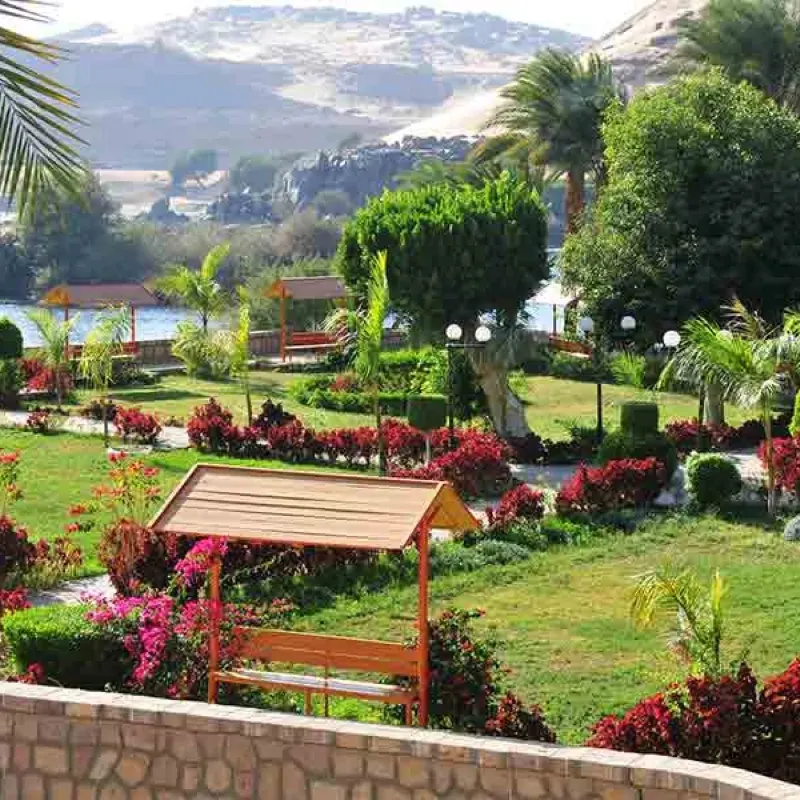
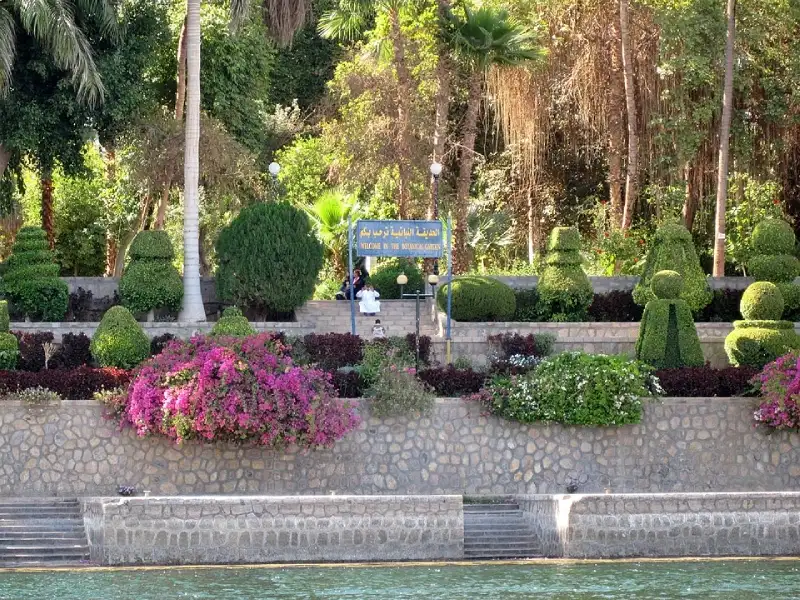
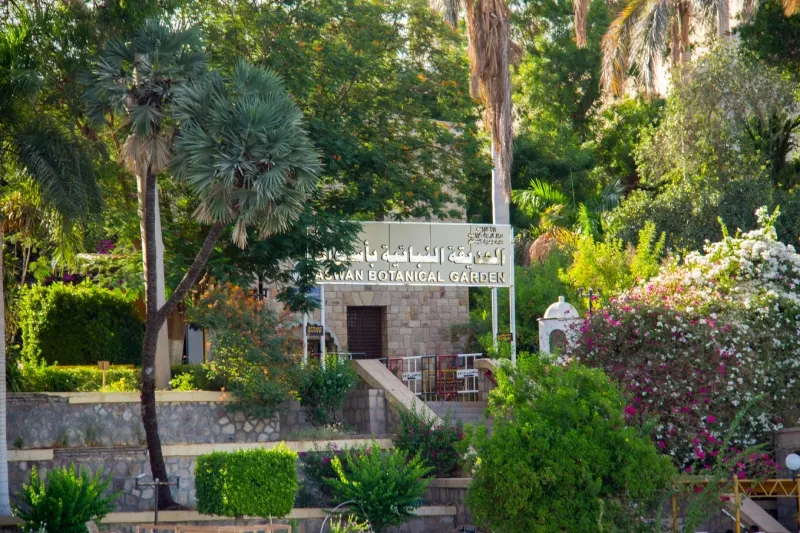
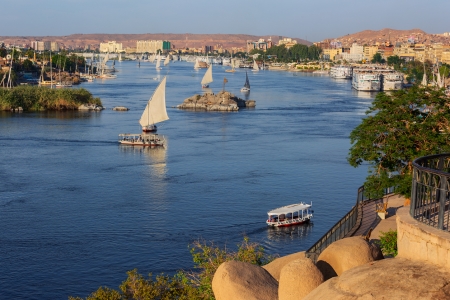
The Aswan Botanical Garden is one of the most tranquil and scenic attractions in southern Egypt. Located on Kitchener’s Island in the heart of the Nile River, this lush green oasis offers a refreshing contrast to Aswan’s desert landscape. Known for its rare plants, towering palms, and peaceful walking paths, the garden is a must-visit destination for travelers seeking nature, relaxation, and cultural insight during their Aswan itinerary.
Managed by the Egyptian Ministry of Agriculture, Aswan Botanical Garden serves both as a protected botanical reserve and a popular sightseeing spot. Its unique location, accessibility by felucca, and rich biodiversity make it a highlight of Nile cruises and Aswan day tours.
The Aswan Botanical Garden is situated on Kitchener’s Island, also known locally as Geziret el-Nabatat (Plant Island). The island lies in the Nile River between the east bank of Aswan city and Elephantine Island. Visitors can easily reach the garden by motorboat or traditional felucca from Aswan Corniche or nearby Nile cruise docking points.
This central location makes the garden an ideal stop during:
The history of Aswan Botanical Garden dates back to the late 19th century. In 1899, Lord Horatio Kitchener, who later became British Secretary of State for War, transformed the island into a botanical garden during his time as British Consul-General in Egypt.
Kitchener used the island to cultivate exotic plants collected from Africa, Asia, and the Indian subcontinent. Over time, the garden expanded and evolved into a scientific and recreational space. After Egypt regained full control, the island was transferred to the Ministry of Agriculture, which preserved its botanical importance while opening it to the public.
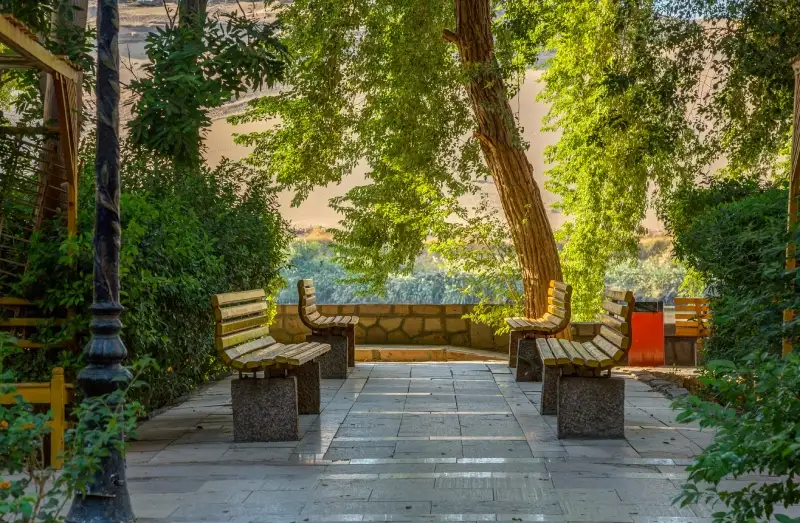
The Aswan Botanical Garden is famous for its diverse collection of plant species and its serene Nile setting. Unlike traditional historical monuments, the garden offers a calm, immersive experience centered on nature and sustainability.
Key highlights include:
Its peaceful atmosphere makes it especially appealing to couples, families, photographers, and nature lovers.
Get in touch with our local experts for an unforgettable journey.
Plan Your TripOne of the main attractions of Aswan Botanical Garden is its impressive botanical diversity. The garden hosts hundreds of plant species from different continents, carefully labeled for educational purposes.
Many of these species were introduced to Egypt for research and conservation, making the garden both a scientific resource and a leisure destination.
In addition to plants, the Aswan Botanical Garden is home to small wildlife and bird species that thrive in its natural environment. Birds such as herons, egrets, and colorful songbirds are commonly seen among the trees.
The island’s calm ecosystem attracts butterflies and small reptiles, adding to the garden’s ecological value. For birdwatchers and photographers, early morning visits offer the best opportunities to observe wildlife.
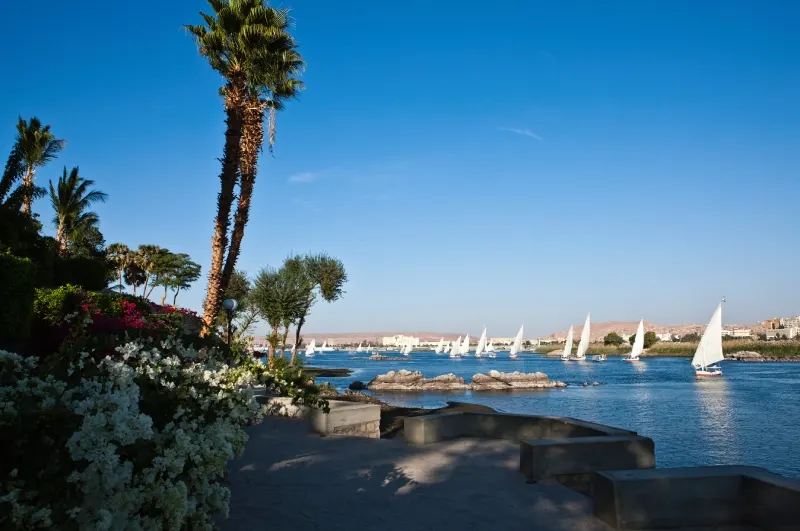
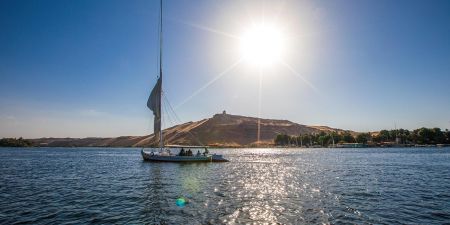
Reaching the Aswan Botanical Garden is part of the experience itself. Most visitors arrive by felucca or motorboat, enjoying scenic views of the Nile along the way.
A felucca ride to the garden allows travelers to:
This journey is often included in Aswan day tours and Nile cruise excursions.
The best time to visit Aswan Botanical Garden is between October and April, when temperatures are milder and walking through the garden is more comfortable. During these months, plants are at their most vibrant, and the weather is ideal for outdoor exploration.
Seasonal Tips
A typical visit to Aswan Botanical Garden lasts 45 minutes to 1.5 hours, depending on interest level. Travelers often combine the visit with:
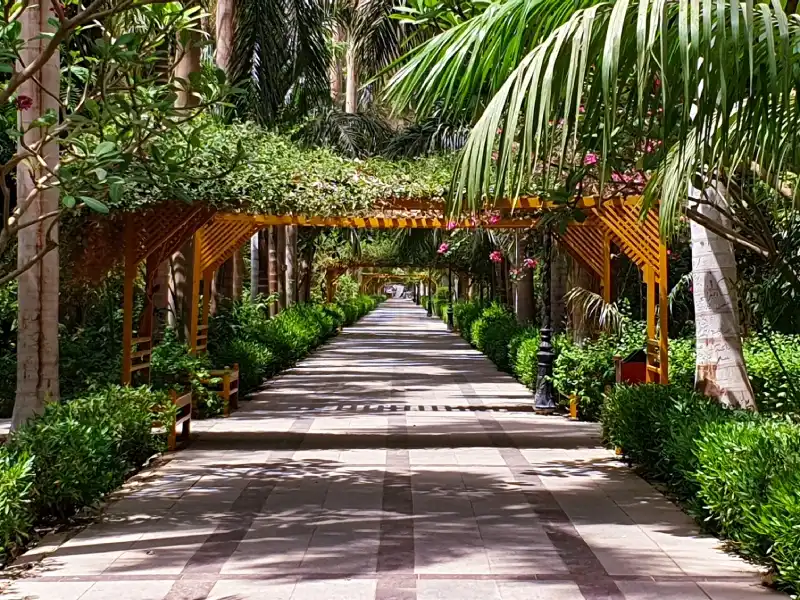
The garden’s well-laid paths make it suitable for leisurely walks without physical strain.
Beyond its role as a tourist attraction, the Aswan Botanical Garden holds significant educational and scientific value. The garden functions as an open-air botanical laboratory, supporting research, conservation, and environmental awareness in Upper Egypt.
Many plant species are clearly labeled with scientific and common names, making the garden a useful learning space for students, researchers, and visitors interested in botany and ecology. The controlled environment allows for the study of plant adaptation to arid and semi-arid climates, which is particularly relevant to Egypt’s environmental conditions.
The garden also contributes to raising awareness about plant conservation and biodiversity, highlighting the importance of preserving green spaces along the Nile River.
The Aswan Botanical Garden is a favorite spot for photography enthusiasts. The combination of greenery, river views, and traditional boats creates ideal photo opportunities.
Popular photography spots include:
To make the most of a visit to Aswan Botanical Garden, travelers are advised to:
Entrance fees are modest and subject to change, making the garden an affordable attraction for all travelers.
Yes, the Aswan Botanical Garden is suitable for families and travelers of all ages. Its open spaces, shaded paths, and calm atmosphere make it ideal for children and elderly visitors alike.
Families often appreciate the educational value of the labeled plant species and the short boat ride, which adds an element of adventure.
Visiting the Aswan Botanical Garden adds a unique dimension to any Egypt travel experience. While Aswan is known for its temples and ancient monuments, the garden offers a peaceful retreat into nature.
It is especially recommended for travelers who want to:
The Aswan Botanical Garden stands as one of Aswan’s most relaxing and picturesque attractions. With its rich plant collection, easy accessibility, and serene Nile setting, it provides a perfect balance to the region’s archaeological wonders.
Whether included in a Nile cruise itinerary or visited independently, Aswan Botanical Garden remains a rewarding stop for nature lovers and cultural explorers alike.
Aswan Botanical Garden is located on Kitchener’s Island in the Nile River, right between Aswan city and Elephantine Island.
Aswan Botanical Garden is a green island on the Nile famous for rare plants, peaceful walks, and scenic river views in Aswan.
You can reach Aswan Botanical Garden by motorboat or traditional felucca from the Aswan Corniche or Nile docks.
Aswan Botanical Garden was created by Lord Horatio Kitchener in 1899 and later became a public botanical reserve.
In Aswan Botanical Garden, visitors can see palm trees, bamboo, tropical plants, and rare species from Africa and Asia.
The best time to visit Aswan Botanical Garden is from October to April when the weather in Aswan is pleasant.
Yes, photography is allowed, and Aswan Botanical Garden is ideal for nature and Nile photos.
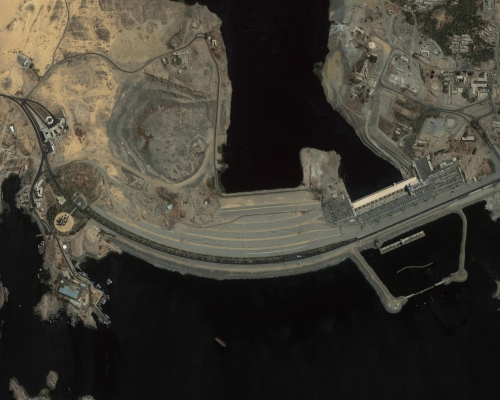
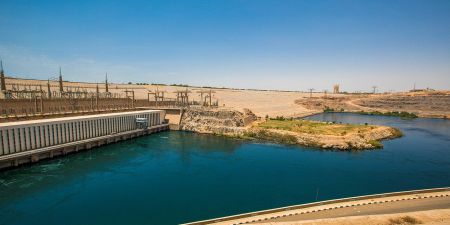
Aswan High Dam Located in the middle of the Egyptian Desert is one of the largest embankment dams of the world, Aswan High Dam. Known as Saad el Aali in Arabic Aswan High Dam is one of the greatest engineering miracles of this world.
Aswan City is a tranquil Nile-side destination known for its ancient temples, Nubian heritage, and stunning river scenery.
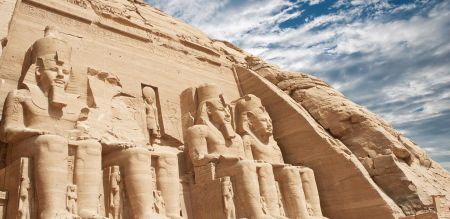
Visit Abu Simbel Temples Egypt to marvel at Ramesses II's spectacular monuments. Uncover ancient history and breathtaking architecture.
Discover the Aswan High Dam Egypt—an engineering marvel shaping the Nile and Lake Nasser. Explore its history, impact, and legacy.
Explore Aswan High Dam Egypt, a groundbreaking structure behind Lake Nasser. Learn about its construction, benefits, and lasting significance.
Uncover the wonders of Philae Temple Aswan—an ancient island temple dedicated to Isis. Experience the mesmerizing sound and light show.
Discover Elephantine Island Aswan—wander ancient ruins and experience the charm of an authentic Nubian village on the Nile's enchanting shores.
Uncover Nubian heritage at the Nubian Museum Aswan. Explore ancient art, history, and culture in this UNESCO-recognized treasure.
Read our travel wiki about Aswan Botanical Garden and explore its plants, history, and educational importance in Aswan.
Learn about the monastery of st simeon and the tombs of the nobles in Aswan, their history, architecture, and significance. Start exploring now.