Deir Al Medinah (Workers’ Village)

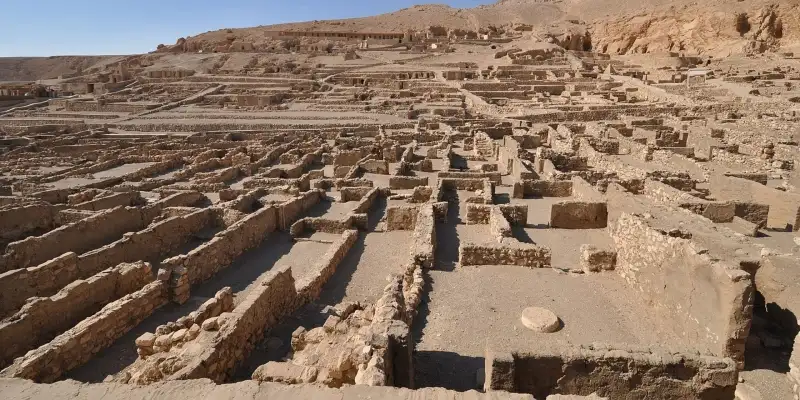
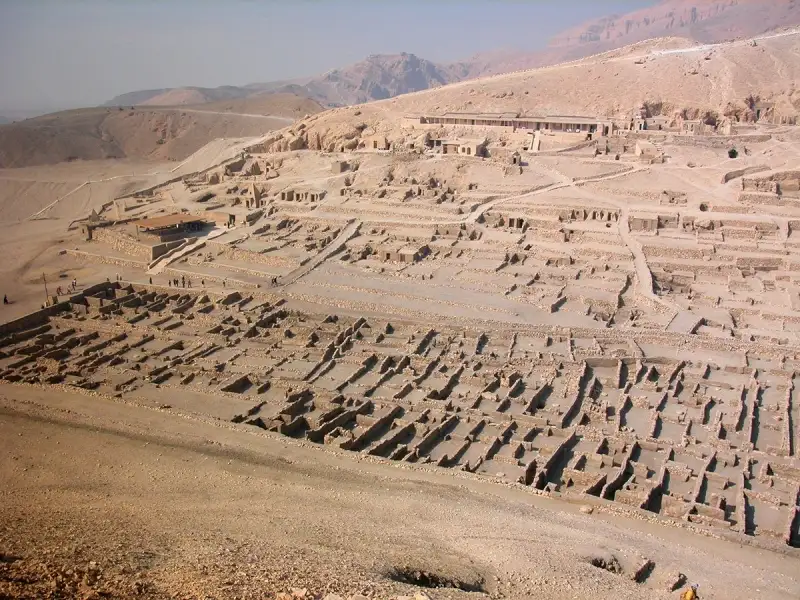
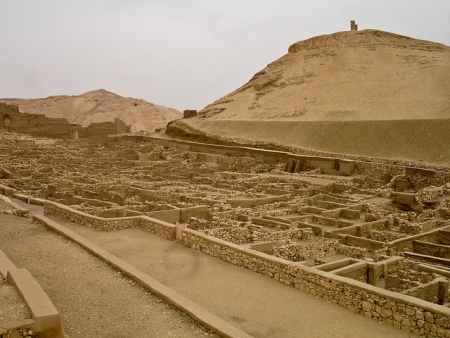
Deir Al Medinah, also written as Deir el-Medina, is one of the most fascinating archaeological sites on the west bank of Luxor. This ancient settlement was the home of Pharaoh’s workers – the villagers of Deir Al Medina, a unique community of artists, masons, scribes, and craftsmen who built and decorated the royal tombs in the Valley of the Kings and the Valley of the Queens.
Unlike most ancient Egyptian sites that focus on temples and royalty, Deir Al Medinah provides a rare look into daily life, family traditions, and working culture during the New Kingdom. It is one of the few places in Egypt where visitors can walk inside a real ancient village and see how ordinary — yet highly skilled — people lived more than 3,000 years ago.
Deir Al Medinah was founded during the reign of Pharaoh Thutmose I (18th dynasty). The village was created to house the elite workers who carved and decorated the hidden royal tombs in nearby valleys. These workers were not ordinary laborers. They were the most talented artisans in Egypt, trusted by the king to keep the secrets of the royal burial chambers.
The settlement remained active for around 450 years, reaching its peak during the reigns of Seti I, Ramses II, and Ramses III. Over time, more houses, chapels, and tombs were added, creating a well-organized community that mixed hard work with culture, family life, and religious traditions.
Today, Deir Al Medinah is an essential stop for travelers who want to understand ancient Egyptian society beyond kings and temples. It offers a human story — one full of creativity, dedication, and everyday life.
The Workers’ Village is located on the west bank of the Nile in Luxor, near several major archaeological sites, including:
Its strategic position allowed workers to live close to the tombs while still remaining isolated enough to keep royal secrets safe.
The people who lived in this village were known as “The Servants in the Place of Truth.” They were chosen for their artistic talent and loyalty.
Their responsibilities included:
This community included:
The villagers worked eight days in the desert, sleeping in special shelters near the tombs, and then returned home for two days of rest. Their wages were paid in food, oils, clothing, and goods — not money.
The site provides one of the richest collections of personal stories in ancient Egypt. Thousands of ostraca (limestone flakes) were found here, containing:
These writings reveal that the villagers were literate, cultured, and deeply religious. They lived simple but organized lives, with strong family connections and active social traditions.
Houses
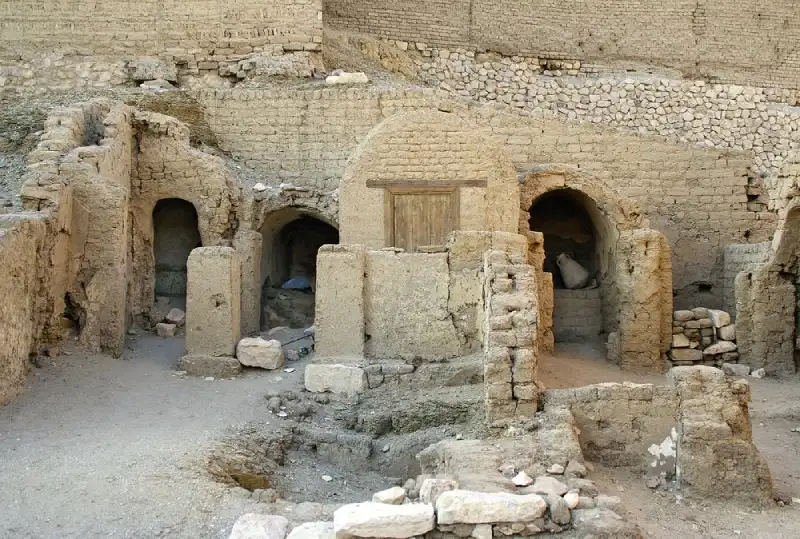
The village houses were small but functional, usually including:
Despite their small size, the houses were decorated with colorful items and private shrines.
Food & Economy
Workers and their families lived on a ration-based economy. They received:
Women also contributed to the household by grinding grain, baking bread, and making pottery.
Religion
The villagers worshipped many gods, including:
Small personal shrines were found in many homes, proving how important religion was in everyday life.
Get in touch with our local experts for an unforgettable journey.
Plan Your Trip
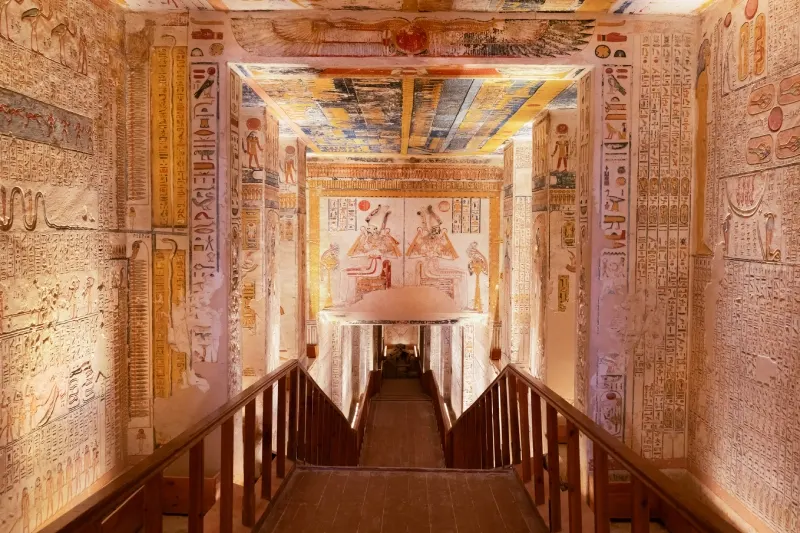
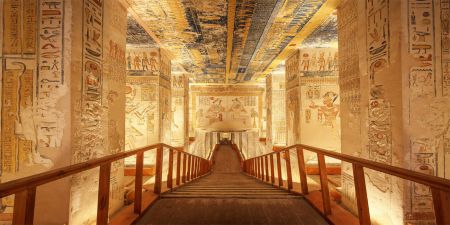
One of the highlights of visiting Deir Al Medinah is exploring the beautifully decorated private tombs of the workers themselves. Many of these tombs are even more colorful and detailed than those in the Valley of the Kings.
Because these artisans built the royal tombs, they applied the same high-quality craftsmanship to their own burial chambers.
Features of the Tombs
These tombs reflect the hopes, dreams, and fears of ordinary people, creating a personal and emotional connection that travelers often find unforgettable.
Near the village is a large circular pit where archaeologists discovered more than 20,000 ostraca. These pieces of limestone and pottery contain the largest collection of everyday writings from ancient Egypt.
Some texts are humorous, while others discuss love, illness, family drama, or work problems. Together, they offer the most complete picture of daily life in any ancient civilisation.
The Temple of Hathor
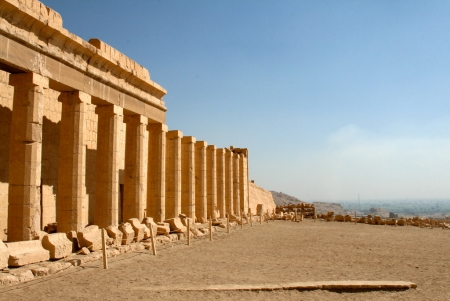
At the entrance to the site stands a small but charming temple dedicated to Hathor. It was expanded by Ptolemy IV during the Greco-Roman period. Visitors can still see:
This temple shows that Deir Al Medinah continued to be a sacred place even after the workers’ village was abandoned.
Deir Al Medinah is one of the most underrated sites in Luxor, but it offers some of the richest experiences for travelers. It is perfect for visitors who want to explore something beyond the famous royal tombs.
Top reasons to visit:
Ideal For:
Travel Tips for Visiting Deir Al Medinah
Most tours include a knowledgeable guide who can explain the stories behind each house, tomb, and chapel.
Deir Al Medinah, the famous Workers’ Village, is one of the most important windows into daily life in ancient Egypt. While the Valley of the Kings showcases the glory of the pharaohs, Deir Al Medinah celebrates the talent, creativity, and humanity of the people who built Egypt’s greatest monuments.
With its colorful tombs, preserved homes, personal writings, and compelling stories, this site offers travelers a unique blend of archaeology, culture, and authenticity. For anyone visiting Luxor, Deir Al Medinah is a must-see destination that brings ancient Egypt closer than ever before.
Join Egypt tours and Nile cruises to experience Deir el Medina, home of Pharaoh’s dedicated workers, and uncover the craftsmanship, traditions, and stories behind Egypt’s most iconic royal tombs.
The tombs feature vibrant wall paintings, scenes of family life, images of gods, and texts from the Book of the Dead.
They worshipped Hathor, Ptah, Meretseger, and maintained small personal shrines in their homes.
The cooler months, from October to April, offer comfortable weather for exploring the desert and archaeological sites.
Deir Al Medinah is on the west bank of the Nile in Luxor, near the Valley of the Kings, Valley of the Queens, Hatshepsut’s Temple, and Medinet Habu.
It was home to Pharaoh’s skilled artisans who built and decorated royal tombs, offering a rare glimpse into daily life in ancient Egypt.
Explore the best temples and tombs with our Luxor Egypt Guide. Dive into ancient Thebes and start planning your trip today.
Located on the east bank of the Nile, Karnak Temple Complex consists of a number of temples. Its name was given as in Arabic Karnak means fortified village.
Your complete guide to Luxor Temple in Luxor, Egypt. Discover history, key attractions, and expert sightseeing tips for travelers.
Your guide to the Valley of the Kings—best tombs, history, and insider facts. Get the knowledge you need and start planning your trip today.
Step into history at the Valley of the Queens, Luxor. Explore royal tombs, ancient artifacts, and fascinating facts about this legendary site.
Uncover the history of the Temple of Hatshepsut Luxor. Learn about the remarkable Queen's mortuary temple and essential travel tips in our complete guide.
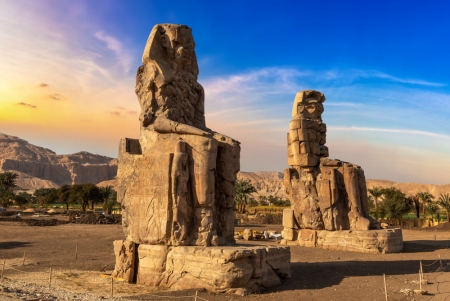
Stand before the Colossi of Memnon and witness Egypt’s engineering marvels. Discover their story and plan your West Bank sightseeing tour today.
Learn about the Ramesseum in Luxor, Ramses II’s mortuary temple. Explore its history, statues, and hieroglyphs while planning your visit today.
Learn why Medinet Habu is a must-see in Luxor, with its bright reliefs and rich history. Get key travel details and prepare your Egypt visit now!
Discover the village of Pharaoh’s workers, where the skilled artisans of Deir el Medina created royal tombs, lived in unique homes, and practiced their craft over 3,000 years ago.
Explore the Tombs of the Nobles Luxor and discover vivid art scenes depicting ancient Egyptian daily life on this fascinating journey.