Ben Ezra Synagogue Cairo
, Cairo Egypt.jpg "Ben Ezra Synagogue Cairo")
Hidden in the winding alleys of Coptic Cairo lies a building that changed our understanding of medieval Jewish history forever. Ben Ezra Synagogue may look like just another beautiful old building, but this 9th-century Jewish temple houses secrets that stunned scholars worldwide—secrets hidden in a forgotten storage room for nearly a thousand years.
Located deep within Old Cairo's religious quarter, Ben Ezra Synagogue stands as a testament to Egypt's rich Jewish heritage and the multicultural tapestry that once defined this ancient city. While Egypt's Jewish community has dwindled to almost nothing today, this synagogue preserves stories of a time when Jewish, Christian, and Muslim communities thrived side by side.
Ben Ezra Synagogue claims not one but two spectacular origin stories. Which one is true? Maybe both. Maybe neither. But both are fascinating!
Legend #1: The Moses Connection Local tradition holds that this exact spot is where Pharaoh's daughter found baby Moses hidden in the bulrushes of the Nile. According to the Biblical story (Exodus 2:1-10), Moses's mother placed him in a waterproofed basket among the reeds to save him from Pharaoh's decree to kill all Hebrew baby boys.
Imagine standing on the very ground where one of history's most important figures was rescued! Whether historically accurate or not, this legend has drawn pilgrims for centuries.
Legend #2: The Jeremiah Temple Another tradition claims the synagogue stands on the site of a temple built by the prophet Jeremiah. According to this account, when Jews fled Jerusalem after the Babylonian conquest (586 BCE), some came to Egypt and established a place of worship here.
Here's the thing: Archaeological evidence doesn't confirm either legend, but they reveal something important—this location has been sacred to the Jewish community for potentially thousands of years. The legends connect Ben Ezra Synagogue to the deepest roots of Jewish history.
While the legends are captivating, the documented history is equally fascinating:
882 AD: The Church Connection The building originally served as a Coptic Christian church dedicated to St. Michael the Archangel. This explains its location in the heart of Coptic Cairo, surrounded by ancient churches.
9th Century: The Sale The Coptic Church sold the building to the Jewish community. Why? The church needed funds—possibly after accumulating debt they couldn't pay.
Payment Method: According to tradition, the Jewish community paid 20,000 dinars for the building—an enormous sum demonstrating the community's wealth and determination to establish a permanent house of worship.
The Transformation: Jews converted the church into a synagogue, maintaining some architectural elements while adapting the space for Jewish worship. This explains why Ben Ezra Synagogue's architecture differs from purpose-built synagogues.
The synagogue is named after Abraham Ben Ezra, a famous 12th-century rabbi, poet, and scholar who visited Cairo. Some sources suggest he prayed or taught here, forever linking his name to this sacred space.
Fun Fact: Ben Ezra was a true Renaissance man—he wrote poetry, biblical commentary, mathematical treatises, and astronomical works. His commentary on the Torah is still studied today.
In Jewish tradition, a geniza (Hebrew: גניזה) is a storage area for worn-out sacred texts. Because Hebrew texts often contain God's name, they cannot simply be discarded. Instead, they're stored in a geniza until they can be properly buried.
Standard Practice: Most genizas are periodically emptied and their contents buried in cemeteries. Ben Ezra Synagogue's geniza, however, was different—it was never emptied for nearly 1,000 years.
1890s: The Find of the Century
Scottish twin sisters Agnes Lewis and Margaret Gibson visited Ben Ezra Synagogue and heard rumors of ancient documents. They alerted Cambridge University scholar Solomon Schechter, who investigated in 1896-1897.
What Schechter Found: The synagogue's geniza contained approximately 300,000 manuscript fragments—the largest and most important collection of medieval Jewish documents ever discovered.
Why It Matters:
These weren't just religious texts. The geniza contained:
The Historical Goldmine:
Because Jews wrote in Hebrew, Arabic, Aramaic, and Judeo-Arabic (Arabic written in Hebrew letters), these documents provide unparalleled insights into medieval Middle Eastern society—Jewish, Muslim, and Christian alike.
Historians learned about: ✓ International trade networks spanning from Spain to India ✓ Women's lives and legal rights ✓ Medical practices and healthcare ✓ Education systems ✓ Multi-religious interactions ✓ Economic conditions ✓ Family relationships
Controversial Removal:
Schechter transported most documents to Cambridge University Library, where they remain today in the Taylor-Schechter Cairo Geniza Collection. Other fragments ended up in libraries worldwide—Oxford, New York, Philadelphia, and elsewhere.
The Ethical Question:
Modern scholars debate whether removing these documents was appropriate. Egypt lost a crucial part of its Jewish heritage, but the documents might have been lost or destroyed if they'd remained. It's a complex issue with no easy answers.
What Remains:
Some fragments stayed in Egypt and are now housed in Egyptian libraries and museums. The synagogue itself preserves this incredible story for visitors.
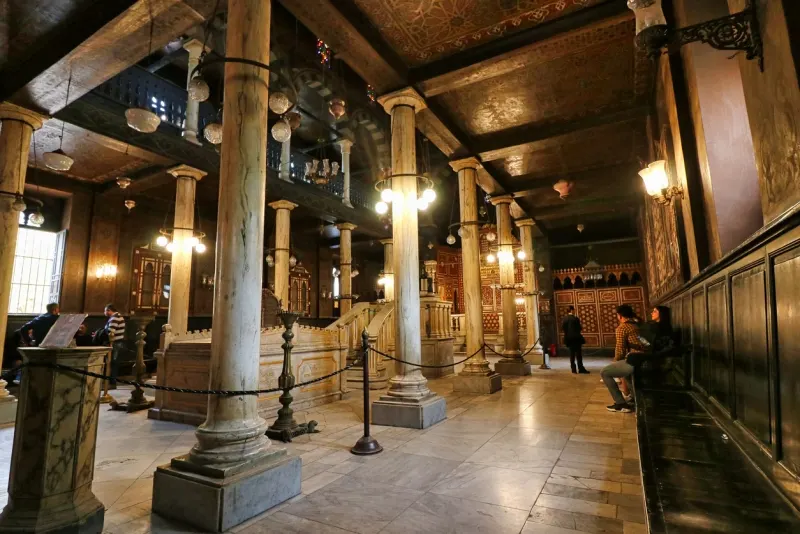
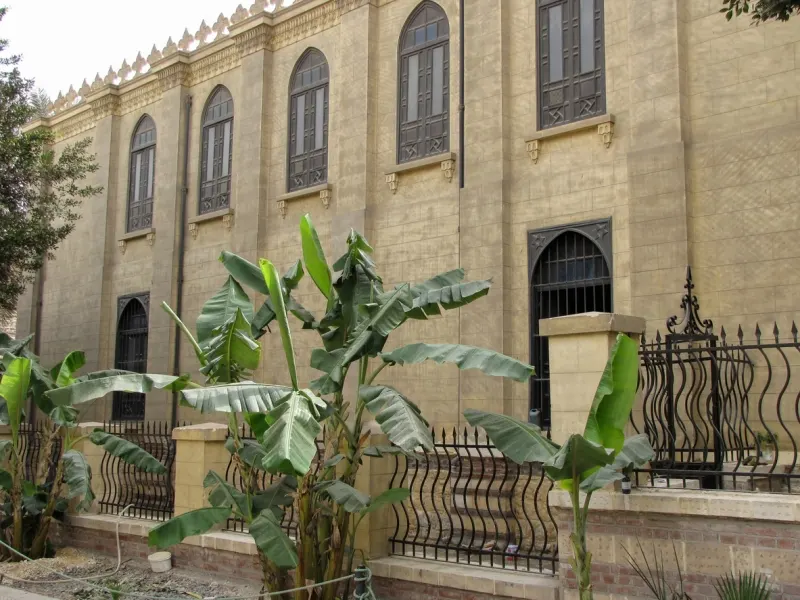
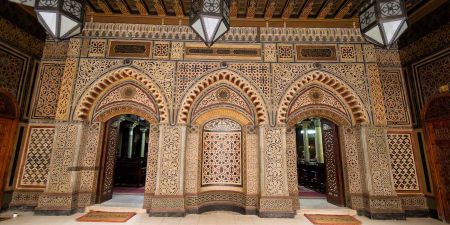
Ben Ezra Synagogue showcases a blend of Coptic Christian and Jewish architectural elements—a physical reminder of its transformation from church to synagogue.
Exterior Features:
Interior Highlights:
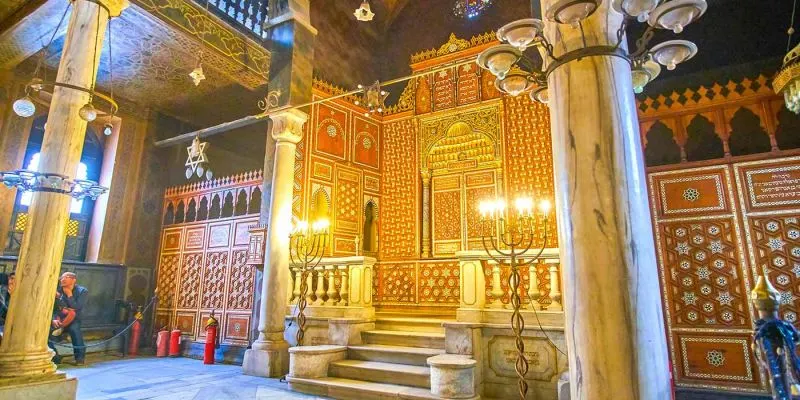
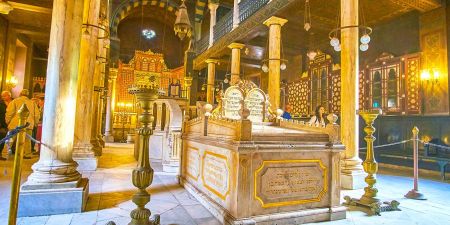
The Prayer Hall: The main sanctuary features beautiful proportions with high ceilings creating a sense of openness and sanctity. Natural light filters through windows, creating peaceful atmosphere perfect for contemplation.
The Bimah (Reading Platform): Positioned centrally according to Sephardic Jewish tradition (as opposed to Ashkenazi synagogues where it's often at the front). This central placement symbolizes the Torah's importance to the community.
The Torah Ark: Ornately decorated wooden ark housing Torah scrolls. The craftsmanship displays the community's reverence for sacred texts and their willingness to invest in beautiful worship spaces.
The Women's Gallery: Following traditional Jewish practice, a separate section for women's prayer. The gallery overlooks the main prayer hall, allowing full participation while maintaining gender separation practiced in Orthodox Judaism.
The Geniza Room: The small storage room that held those 300,000 fragments! It's now empty but remains one of the synagogue's most significant spaces historically.
Materials Used:
Artistic Motifs:
Color Palette: Warm earth tones dominate—creams, browns, golds—creating a welcoming, peaceful environment that encourages prayer and reflection.
Jews lived in Egypt for millennia, with communities dating back to Biblical times. Medieval Cairo's Jewish quarter was vibrant and prosperous.
Medieval Golden Age:
Famous Egyptian Jews:
What Happened?
Multiple factors led to Egyptian Jewry's near-complete disappearance:
1948: Israel's Founding The Arab-Israeli conflict created tension. Some Egyptian Jews felt divided loyalties, while others faced suspicion despite being Egyptian for generations.
1956: Suez Crisis Following the tripartite invasion of Egypt, the government expelled many Jews and confiscated property. Thousands fled to Israel, Europe, and the Americas.
1960s: Nasser Era Increasing Arab nationalism and additional Arab-Israeli conflicts led more Jews to emigrate. By the late 1960s, Egypt's once-thriving Jewish community had shrunk to a tiny remnant.
Today: Fewer than 10 elderly Jews remain in Cairo. The last rabbi died years ago. Synagogues like Ben Ezra exist as historical monuments rather than active houses of worship.
Why Maintain It?
Despite having virtually no Jewish residents, Egypt preserves Ben Ezra Synagogue and other Jewish heritage sites because:
✓ They represent important Egyptian history ✓ They demonstrate Egypt's multicultural past ✓ They attract tourists interested in Jewish heritage ✓ They show respect for all religious traditions ✓ They preserve architectural and artistic treasures
Restoration Work:
The Egyptian government and international organizations have funded restoration projects maintaining the synagogue's structural integrity and beauty.
Get in touch with our local experts for an unforgettable journey.
Plan Your Trip
Location:
Getting There:
Opening Hours:
Admission:
What to Wear:
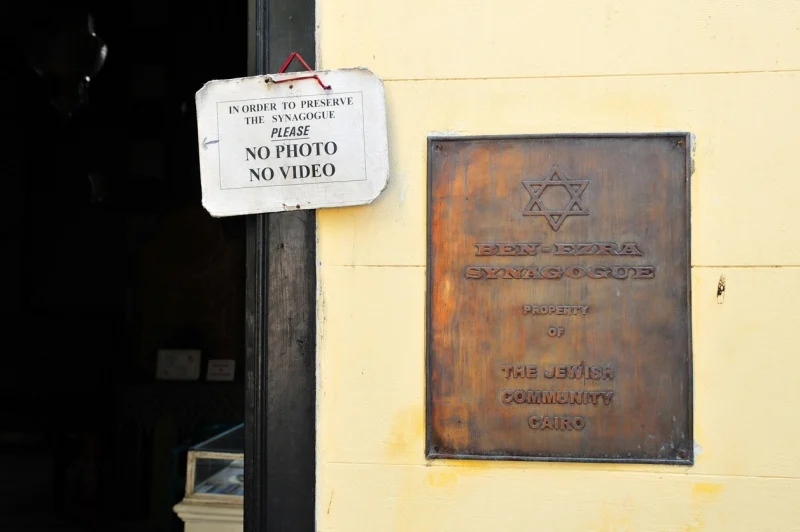
Photography
How Long to Spend
Quick Visit: 20-30 minutes to see main sanctuary and geniza room Standard Visit: 45-60 minutes to appreciate details and read information With Guide: 1-1.5 hours for full historical context
Best Time to Visit
Avoid Crowds:
Combine with:
Ben Ezra Synagogue sits in one of Cairo's most fascinating areas—a neighborhood where Christians, Jews, and Muslims lived side by side for centuries.
Within 5 Minutes' Walk:
The Hanging Church (Al-Muallaqa): Beautiful Coptic church "hanging" above Roman towers, featuring stunning icons and woodwork.
Church of St. Sergius (Abu Serga): Built over the spot where the Holy Family allegedly rested during their flight to Egypt.
St. Barbara's Church: 11th-century church containing relics of the martyr St. Barbara.
Coptic Museum: World's largest collection of Coptic Christian art and artifacts—absolutely essential visit!
Babylon Fortress: Roman fortress walls still visible throughout the area, built around 30 BC.
Why This Matters
Think about it: Within a few hundred meters, you can visit Jewish, Christian, and (nearby) Islamic holy sites. This physical proximity reflects the religious tolerance that characterized much of Egypt's history.
Cairo's religious diversity created a unique culture where different faiths influenced each other while maintaining distinct identities. Ben Ezra Synagogue is part of that story—a reminder that Egypt's identity encompasses more than just one religion or culture.
Research Questions to Consider:
What role did Jews play in medieval Egyptian society?
How did the Cairo Geniza change historical scholarship?
What happened to Egypt's Jewish community?
Why do Jews save old texts in a geniza?
Learn Basic Hebrew: Knowing a few Hebrew words enhances appreciation:
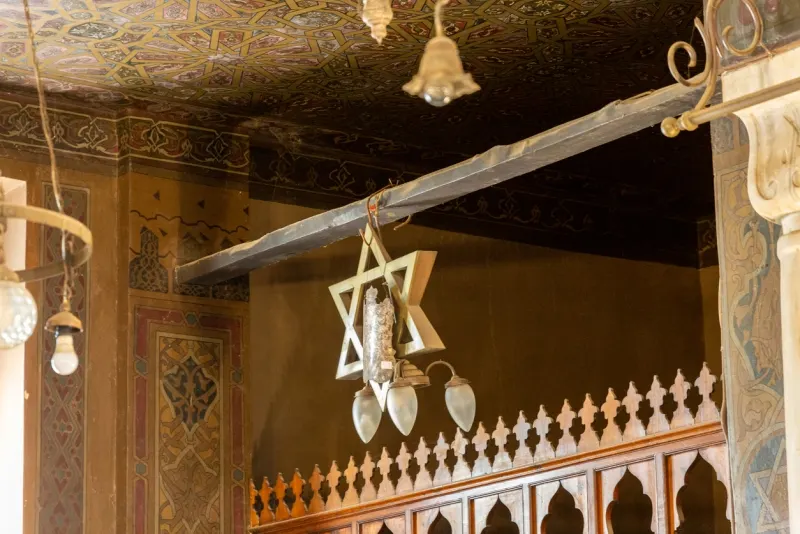
Look For: ✓ Architectural elements showing the building's church origins ✓ The geniza room (usually pointed out by guides) ✓ Hebrew inscriptions on walls and in decorations ✓ The central bimah platform ✓ Star of David and menorah symbols ✓ The Torah ark's intricate carvings
Questions to Ask Guides:
Reflection Points:
Further Exploration:
Ben Ezra Synagogue represents layers of meaning:
Religious Significance:
Sacred space for Jewish worship across centuries
Connection to legendary Biblical events
Preservation of Jewish liturgical traditions
Historical Importance:
Window into medieval Egyptian Jewish life
Source of the incredible Cairo Geniza collection
Evidence of Cairo's multicultural past
Architectural Value:
Unique blend of Coptic and Jewish design
Example of adaptive reuse (church to synagogue)
Beautiful craftsmanship and decoration
Cultural Symbol:
Reminder of Egypt's lost Jewish community
Testament to religious tolerance
Bridge between Egypt's diverse heritage components
In an era of religious tension, Ben Ezra Synagogue offers powerful lessons:
Coexistence Works: For centuries, Jews, Christians, and Muslims lived as neighbors in Cairo. Religious diversity enriched rather than divided society.
Shared Heritage: The building's history—from church to synagogue—shows how different communities can share sacred spaces respectfully.
Preservation Matters: Egypt's decision to maintain Jewish heritage sites despite having almost no Jewish residents demonstrates mature cultural stewardship.
History Connects Us: The Cairo Geniza revealed that medieval people—regardless of religion—worried about family, worked to earn livings, enjoyed entertainment, and dealt with daily life just like us.
Start: Mari Girgis Metro Station
Stop 1 (9:00 AM): Coptic Museum Spend 45 minutes exploring Egypt's Christian heritage.
Stop 2 (10:00 AM): Hanging Church Visit the beautiful church suspended above Roman towers.
Stop 3 (10:30 AM): Ben Ezra Synagogue Explore the Jewish heritage and geniza story (45 minutes).
Stop 4 (11:30 AM): Church of St. Sergius See where the Holy Family allegedly rested.
Break (12:00 PM): Café Rest and refresh at a local café.
Stop 5 (1:00 PM): Walk to Amr ibn al-As Mosque Egypt's oldest mosque (10-minute walk).
Stop 6 (1:15 PM): Amr ibn al-As Mosque Explore Islamic heritage (45 minutes).
End: Return via taxi or explore more of Old Cairo
By visiting Jewish, Christian, and Islamic sites in sequence, you experience firsthand the religious diversity that defined Cairo for centuries. Each building tells part of Egypt's story—only together do they tell the whole story.
Do: ✓ Hire a knowledgeable guide for the Coptic Cairo area ✓ Combine Ben Ezra with other nearby religious sites ✓ Ask about the geniza discovery story ✓ Take time to appreciate architectural details ✓ Visit on weekday mornings for peaceful experience ✓ Bring water—Old Cairo's streets can be hot
Don't: ✗ Rush through—take time to absorb the atmosphere ✗ Skip the Coptic Museum if you're interested in history ✗ Forget modest clothing ✗ Miss the information plaques and displays ✗ Overlook the Babylon Fortress walls in the area ✗ Visit during midday heat in summer
Photography Tips:
The Egyptian Museum houses 120,000+ artifacts including hidden treasures like the Narmer Palette, Khufu's tiny statuette, and the Dush Treasure beyond Tutankhamun's fame.
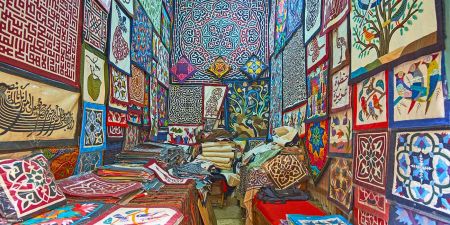
Step into Cairo’s Khayamiya Tentmakers Bazaar and admire exquisite appliqué art. Uncover the beauty of Egyptian textiles and local craftsmanship.
Explore Islamic Cairo's best mosques, bustling bazaars, and architectural marvels in this essential guide to the city's timeless attractions.
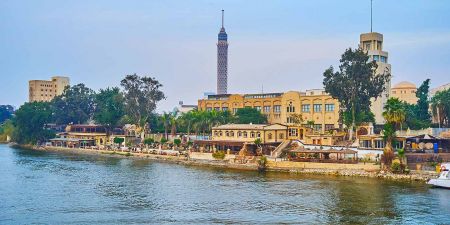
Explore Zamalek Cairo, a chic island district on the Nile. Find attractions, restaurants, and culture in our complete Gezira guide.
Explore Downtown Cairo, Egypt’s modern heart. Uncover Belle Époque architecture, lively streets, and rich city culture in one destination.
Visit The Hanging Church Cairo to witness a unique Coptic marvel on Roman towers. Learn about its fascinating past and cultural significance.
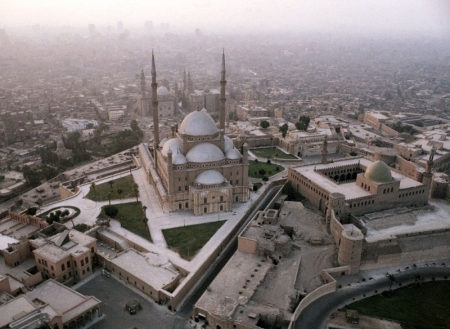
Visit Salah El-Din Citadel Cairo with our guide to its iconic mosques, fortress walls, and centuries of captivating history.
Uncover the timeless allure of Old Cairo. Journey through Coptic Cairo's ancient churches, fascinating history, and cultural treasures now.
Visit Khan el-Khalili Cairo, a must-see bazaar renowned for its rich history, bustling shops, and authentic Egyptian experience.
Discover the rich history of Ben Ezra Synagogue Cairo, a stunning landmark of Jewish heritage nestled in the heart of Coptic Cairo.
Experience the charm of El Ghorya Cairo, a stunning Mamluk complex renowned for its breathtaking Tanoura dance shows and rich heritage.
Uncover the beauty of Al Aqmar Mosque Cairo. Learn about its history, architectural wonders, and essential visitor tips in this comprehensive guide.
The Coptic Museum lies behind the walls of the famous Roman fortress of Babylon in the ancient district of Cairo (Misr Al-Qadima).
Discover the history and charm of the Cairo Opera House, Egypt’s hub for music, ballet, and cultural performances. Plan your visit today.
Discover Bayt Al Suhaymi Cairo—an authentic glimpse into Ottoman life. Visit beit el seheimy for rich architecture, culture, and history.
Step into history with Ahmed Ibn Tulun Mosque. Learn about its stunning architecture, captivating past, and importance in Islamic culture.
Unveil the fascinating history of the Mosque and Madrasa of Sultan Hassan, Cairo’s iconic Mamluk monument celebrated for its grandeur and artistry.
Explore the Museum of Islamic Art, Doha’s cultural gem. Witness stunning collections where the story of Islamic art and history beautifully unfolds.
Journey through Old Cairo’s history at Bab Zuweila. Uncover stories, architecture, and secrets of this legendary city gate.
Journey into Egypt’s past at the Mosque of Amr ibn al-As. Learn its history and explore this cornerstone of Islamic culture in Cairo.
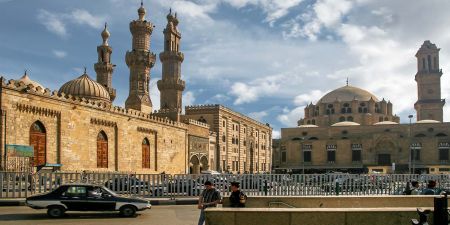
Uncover the significance of Al Azhar Mosque, Cairo’s grand mosque and prestigious university—a cornerstone of Islamic heritage and learning.
Visit Sultan Al Mansur Qalawun Mosque in Islamic Cairo—Marvel at this Mamluk masterpiece and learn about its fascinating historical significance.
Discover the wonders of Al-Muizz Street Cairo—immerse yourself in stunning Islamic architecture, lively bazaars, and rich cultural heritage.