Nubian Museum
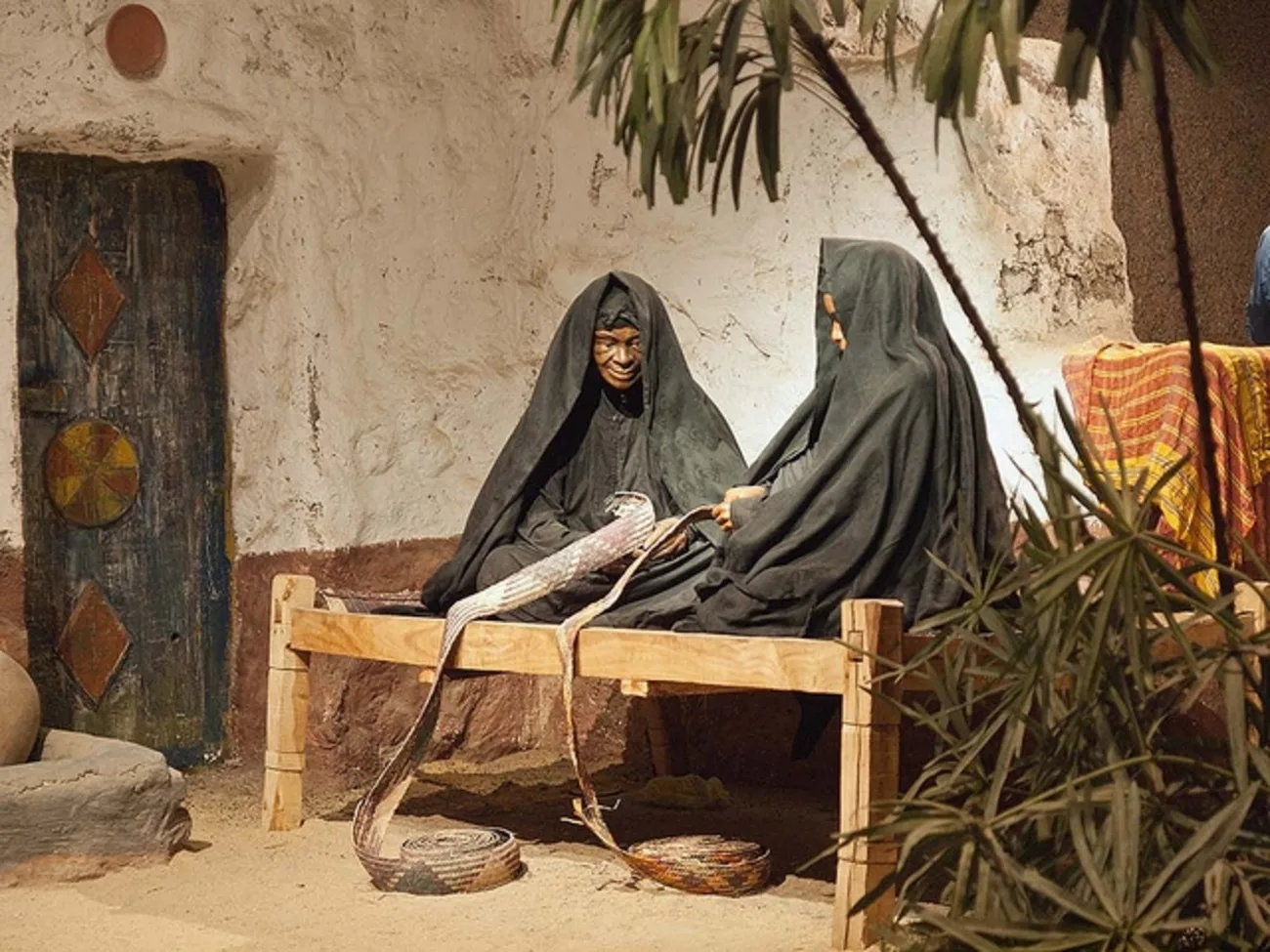
The Nubian Museum in Aswan is one of Egypt’s most important cultural institutions, showcasing over 3,000 artifacts that trace Nubian civilization from prehistoric times to the present. Opened in 1997, the award-winning museum features architecture inspired by traditional Nubian design and received the Aga Khan Award for Architecture for its cultural sensitivity. Beyond preserving endangered heritage and documenting the UNESCO rescue of Nubian monuments, the museum provides essential context for Aswan’s history, helping visitors understand Nubian culture, displacement, and resilience in a deeply human and meaningful way.
Nubia encompasses the region along the Nile from Aswan south into Sudan—an area historically called Ta-Seti ("Land of the Bow") by ancient Egyptians, referencing Nubian archers' legendary skills. This territory contains some of Africa's oldest civilizations, with archaeological evidence of settled communities, complex societies, and distinctive cultures dating back over 10,000 years.
Throughout history, Nubia maintained complex relationships with Egypt—sometimes as independent kingdoms rivaling Egyptian power, sometimes as conquered territories under Egyptian control, and often as trading partners engaging in mutually beneficial commerce. The Nubian Kingdom of Kush conquered and ruled Egypt during the 25th Dynasty (circa 747-656 BC), producing pharaohs who ruled both territories. This historical complexity challenges simplistic narratives about Egyptian history, revealing Nubia as a powerful civilization that significantly influenced ancient Egypt while maintaining distinct identity.
Nubian culture differs markedly from Egyptian culture despite centuries of interaction and influence. Key distinctive features include:
Construction of the Aswan High Dam (1960-1970) and creation of Lake Nasser flooded ancestral Nubian homelands, displacing approximately 90,000-120,000 Nubians. The Egyptian government relocated Nubians to new villages near Kom Ombo, approximately 50 kilometers north of Aswan, while Sudanese Nubians relocated to Kassala and other areas.
This displacement represents one of the 20th century's significant cultural tragedies. Hundreds of Nubian villages disappeared beneath Lake Nasser, along with agricultural lands families had farmed for generations, archaeological sites spanning millennia, and the specific landscapes that shaped Nubian cultural identity. Despite receiving modern housing and amenities in resettlement areas, many Nubians mourned irreplaceable losses—not just of homes and land, but of connections to ancestors, sacred sites, and the riverine environment that defined Nubian life.
The Nubian Museum documents this displacement, honoring lost communities while celebrating Nubian resilience and cultural continuity despite devastating changes.
If you’re planning to visit a Nubian Village, you’ll find them along the west bank of the Nile River near Aswan, in southern Egypt. The most famous village is Gharb Soheil, just a short 45-minute boat ride from Aswan. These villages are known for their colorful houses, welcoming locals, and rich Nubian traditions.
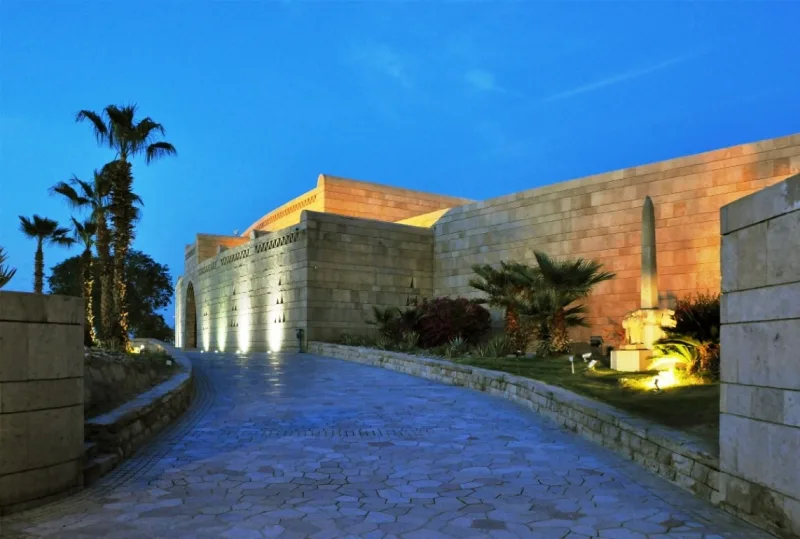
Egyptian architect Mahmoud El-Hakim designed the Nubian Museum to honor Nubian heritage while meeting modern museum standards. The building's design earned the Aga Khan Award for Architecture, recognizing exceptional architecture serving Islamic societies. Award criteria included architectural beauty, cultural sensitivity, functional excellence, and positive community impact.
The museum's architecture incorporates traditional Nubian elements: natural stone construction using local granite and sandstone referencing traditional building materials, domed roofs echoing Nubian architectural traditions, integration with landscape through terraced construction following natural topography, outdoor spaces including gardens and courtyards connecting interior and exterior, and water features creating cooling microclimates while symbolizing the Nile's centrality to Nubian life.
The building's orientation maximizes natural light while minimizing solar heat gain—important in Aswan's extreme climate where summer temperatures often exceed 45°C (113°F). Traditional Nubian cooling techniques including thick walls, small windows, cross-ventilation, and shaded courtyards combine with modern climate control to create comfortable interior environments.
The museum's extensive gardens feature indigenous plants, palm trees, and landscaping representing Nubian environments. Outdoor exhibits display large sculptures, architectural elements, and monuments including a reconstructed Nubian house showing traditional construction techniques and daily life arrangements. The gardens provide peaceful spaces for rest, reflection, and appreciation of Nubian environmental aesthetics.
Visiting a Nubian Village is an authentic cultural experience. You’ll walk through rainbow-painted streets, admire Nubian architecture, enjoy a home-cooked oriental lunch, and sip their famous mint tea. You can also ride camels, shop for handmade crafts, and even get a traditional henna tattoo from local Nubian women.
The museum's permanent exhibitions occupy multiple galleries chronologically organized to guide visitors through Nubian history:
Prehistoric Nubia: Artifacts from prehistoric cultures including pottery, tools, weapons, and burial objects demonstrating sophisticated societies existing in Nubia thousands of years before dynastic Egypt emerged. Rock art reproductions show ancient artistic traditions.
Pharaonic Period: Objects from when Nubia came under Egyptian control during the Middle and New Kingdoms, including statues, stelae, reliefs, pottery, and administrative documents. This section explores the complex relationship between Egypt and Nubia as Nubian culture absorbed Egyptian influences while maintaining distinct identity.
The Kingdom of Kush: Artifacts from Nubia's most powerful period when Kushite pharaohs ruled Egypt (25th Dynasty, circa 747-656 BC). This gallery features royal sculptures, jewelry, weapons, architectural elements, and objects showing Kushite power and sophisticated culture.
Christian Nubia: Frescoes, manuscripts, liturgical objects, and artifacts from when Nubia adopted Christianity (6th-15th centuries AD), creating distinctive Nubian Christian culture with beautiful churches and monasteries whose ruins partially survive in Sudan.
Islamic Period: Objects documenting Nubia after Islamic conversion, including manuscripts, pottery, textiles, jewelry, and household items showing cultural continuity and adaptation.
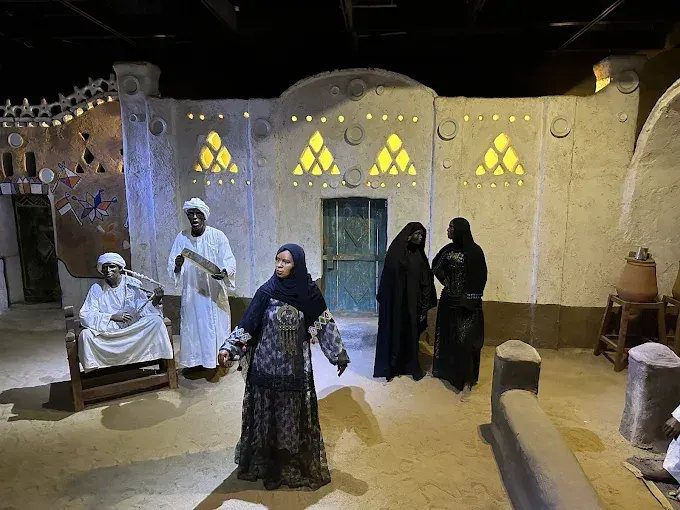
Traditional Nubian Life: Ethnographic displays recreating traditional Nubian houses with furniture, household objects, tools, clothing, musical instruments, and crafts demonstrating daily life before dam displacement. This section helps visitors understand what was lost when villages disappeared beneath Lake Nasser.
UNESCO Rescue Campaign: Comprehensive documentation of the international effort to save Nubian monuments from flooding, including photographs, engineering plans, and explanations of how temples were dismantled and relocated. This gallery celebrates international cooperation in cultural heritage preservation.
The museum's collection includes numerous outstanding pieces:
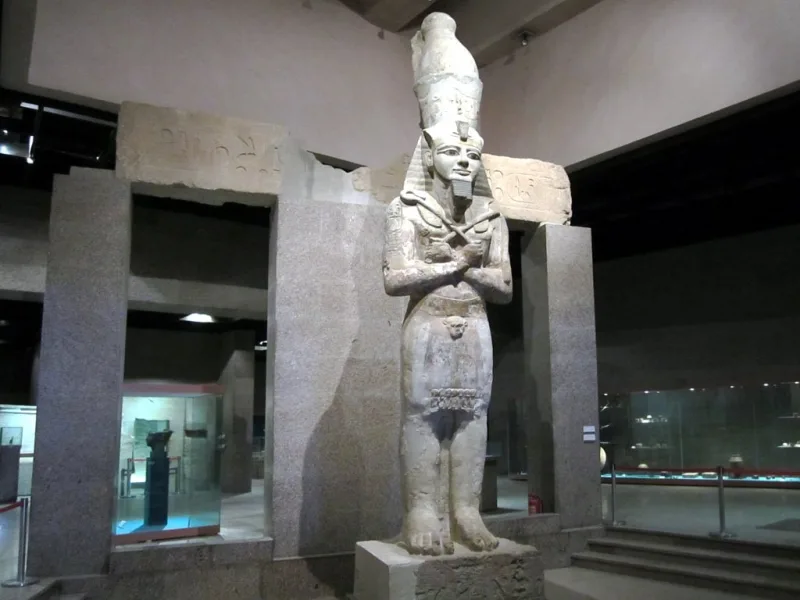
Statue of Ramesses II: Impressive sculpture showing the great pharaoh, demonstrating Egyptian artistic influence in Nubia.
Royal Kushite Statues: Sculptures of Kushite pharaohs who ruled Egypt, displaying artistic synthesis of Egyptian and Nubian traditions.
Christian Frescoes: Beautiful painted religious scenes from Nubian churches, showing distinctive artistic styles.
Pottery Collection: Extensive ceramics from various periods demonstrating technological sophistication and artistic development.
Jewelry and Personal Ornaments: Gold, silver, and semi-precious stone jewelry showing Nubian craftsmanship and aesthetic preferences.
Traditional Crafts: Baskets, textiles, leather goods, and other crafts showing continuity of traditional techniques.
Architectural Elements: Column capitals, door frames, decorated bricks, and other architectural pieces from ancient structures.
The museum hosts rotating temporary exhibitions exploring specific aspects of Nubian culture, showcasing recent archaeological discoveries, highlighting contemporary Nubian artists, and examining particular historical periods or themes. These changing exhibitions encourage repeat visits and keep the museum dynamic.
Get in touch with our local experts for an unforgettable journey.
Plan Your Trip
Location: The museum is located on the Corniche in southern Aswan, approximately 2 kilometers from the city center near the Basma Hotel. It's easily visible from the Corniche.
Getting There: Accessible by taxi (10-15 minutes from downtown), private car, organized tours, or walking (30-40 minutes from central hotels). Most Aswan city tours include the museum.
Opening Hours:
Entry Fees: International tourists pay approximately 140 EGP (subject to change). Egyptian citizens and residents pay significantly reduced rates. Students with valid international student IDs receive discounts.
Duration: Allow 1.5-2 hours minimum to explore the museum thoroughly. Visitors with particular interest in Nubian culture or archaeology might spend 2-3 hours.
Photography: Generally permitted with camera fees applying. Check current photography policies as they occasionally change. Flash photography may be prohibited in some galleries to protect artifacts.
Facilities: The museum includes gift shop selling Nubian crafts, books, and souvenirs; cafeteria offering refreshments; restrooms; and air-conditioned galleries providing relief from Aswan's heat.
Priority exhibits for first-time visitors include:
The Nubian Museum combines well with other Aswan attractions:
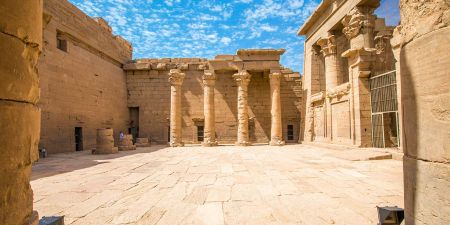
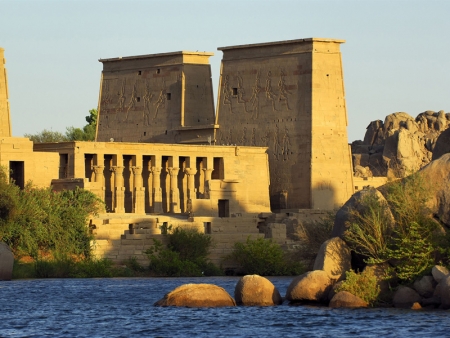
Philae Temple (20 minutes): Beautiful island temple demonstrating monuments the UNESCO campaign saved.
Abu Simbel (can visit museum after returning from day trip): Museum provides context for understanding Abu Simbel's relocation.
Elephantine Island (15 minutes): See living Nubian culture in island villages complementing museum's historical and ethnographic displays.
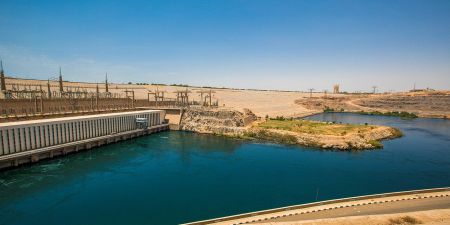
Aswan High Dam (20 minutes): Visit the dam that necessitated Nubian displacement and monument rescue.
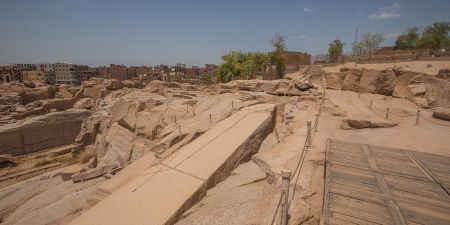
Many visitors dedicate one day to Aswan city attractions (Nubian Museum, Elephantine Island, Aswan Corniche, Souk) and another to relocated monuments (Abu Simbel, Philae, High Dam, Unfinished Obelisk).
The Nubian Museum serves crucial educational purposes:
Historical Perspective: Presents Nubian civilization as powerful, sophisticated culture rather than peripheral to Egyptian history.
Cultural Preservation: Documents traditional Nubian life, language, crafts, and customs at risk from modernization.
Heritage Awareness: Educates visitors about cultural heritage preservation, UNESCO's role, and responsibilities of protecting humanity's shared past.
Contemporary Relevance: Connects ancient history to living Nubian communities maintaining cultural traditions today.
Interdisciplinary Learning: Combines archaeology, anthropology, art history, architecture, and social history in comprehensive presentations.
Getting there is part of the adventure! From Aswan, you can take a felucca or motorboat ride across the Nile River. As you sail, you’ll enjoy stunning views of the Nile and the colorful Nubian architecture before arriving at the village. Many Nile cruises also include Nubian Village visits as part of their itinerary.
Yes, you can! Nubian Villages near Aswan offer colorful guesthouses and homestays, where you can experience true Nubian hospitality. Spending a few days gives you the chance to live like a local, share meals with Nubian families, and immerse yourself in their traditions, music, and daily life.
The Nubians are descendants of one of Africa’s oldest civilizations. Originally from Sudan, they settled along the Nile in Egypt over 8,000 years ago, drawn by the fertile soil for farming. Today, they preserve their unique language, culture, music, and traditions, making a visit to their villages an unforgettable way to connect with Egypt’s diverse heritage.
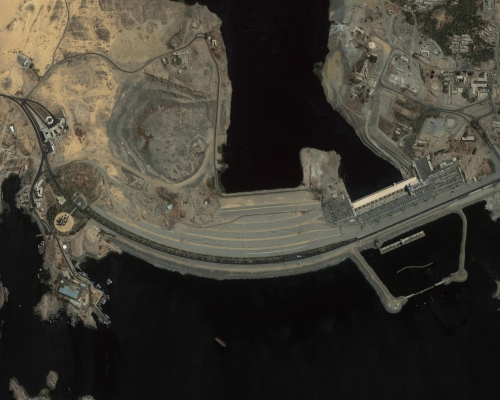
Aswan High Dam Located in the middle of the Egyptian Desert is one of the largest embankment dams of the world, Aswan High Dam. Known as Saad el Aali in Arabic Aswan High Dam is one of the greatest engineering miracles of this world.
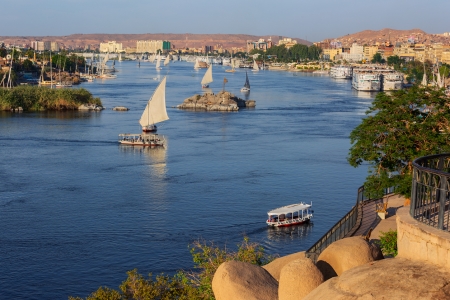
Aswan City is a tranquil Nile-side destination known for its ancient temples, Nubian heritage, and stunning river scenery.
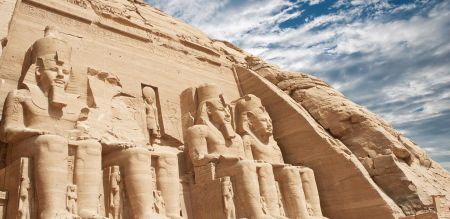
Visit Abu Simbel Temples Egypt to marvel at Ramesses II's spectacular monuments. Uncover ancient history and breathtaking architecture.
Discover the Aswan High Dam Egypt—an engineering marvel shaping the Nile and Lake Nasser. Explore its history, impact, and legacy.
Explore Aswan High Dam Egypt, a groundbreaking structure behind Lake Nasser. Learn about its construction, benefits, and lasting significance.
Uncover the wonders of Philae Temple Aswan—an ancient island temple dedicated to Isis. Experience the mesmerizing sound and light show.
Discover Elephantine Island Aswan—wander ancient ruins and experience the charm of an authentic Nubian village on the Nile's enchanting shores.
Uncover Nubian heritage at the Nubian Museum Aswan. Explore ancient art, history, and culture in this UNESCO-recognized treasure.
Read our travel wiki about Aswan Botanical Garden and explore its plants, history, and educational importance in Aswan.
Learn about the monastery of st simeon and the tombs of the nobles in Aswan, their history, architecture, and significance. Start exploring now.