Downtown Cairo
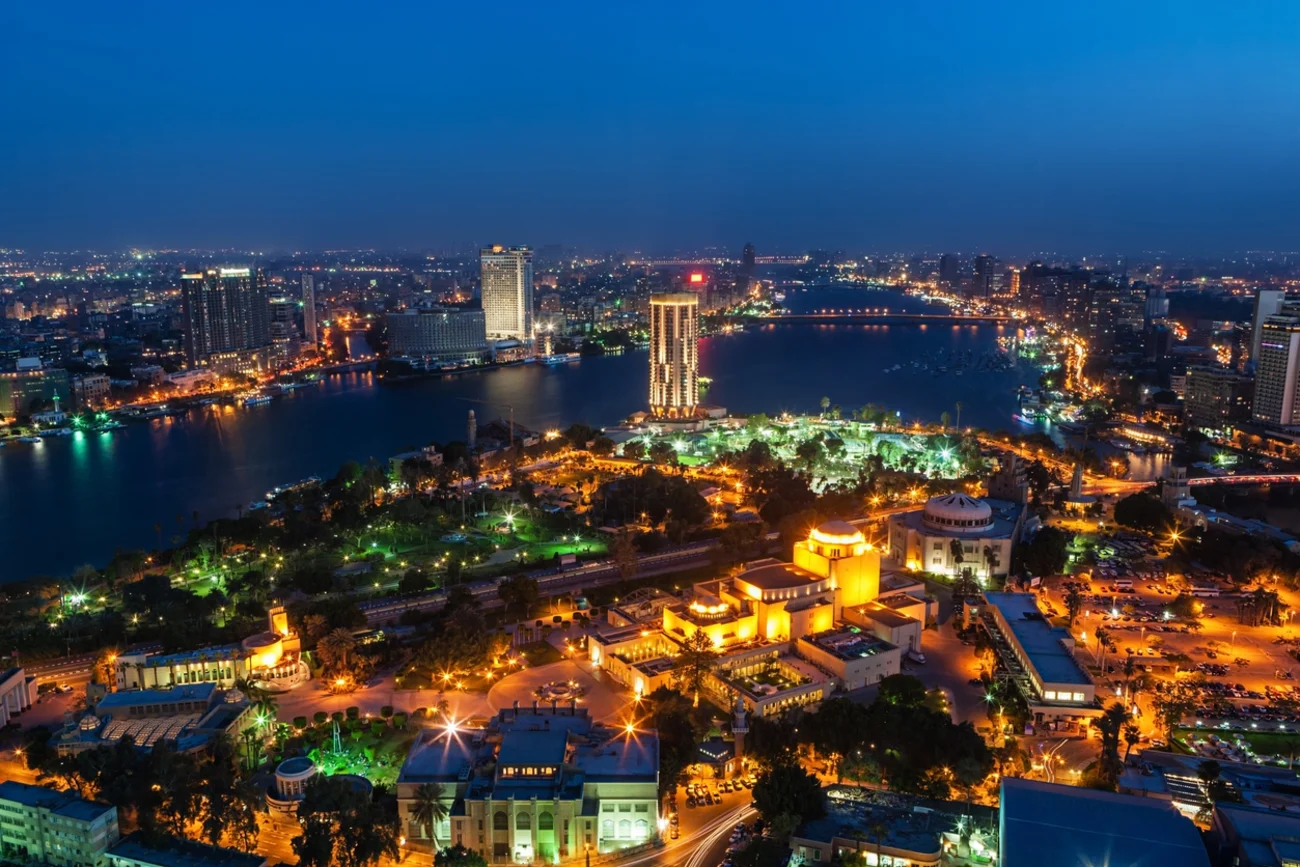
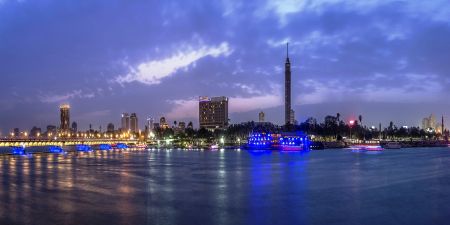
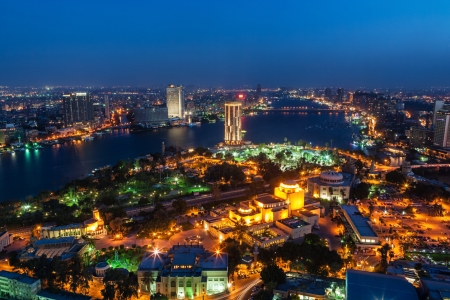
Picture Paris in the 1920s transplanted to the banks of the Nile. Wide boulevards lined with ornate Belle Époque buildings, grand cafés buzzing with intellectuals debating politics over coffee, and street corners pulsing with the chaotic energy of life. Welcome to Downtown Cairo—known locally as Wust al-Balad (The Middle of the City).
While the Pyramids represent the ancient past and Islamic Cairo represents the medieval soul, Downtown Cairo is the forge of modern Egypt. Built in the late 19th century by Khedive Ismail with the dream of creating a "Paris on the Nile," this district has witnessed revolutions, the birth of cinema, and the golden age of cosmopolitan culture.
Walking through Downtown is not just sightseeing; it is walking through the last 150 years of Egyptian history. From the revolutionary echoes of Tahrir Square to the fading grandeur of Talaat Harb Street, this guide explores the architecture, the history, and the vibrant street life that makes Downtown Cairo essential for any traveler.
To understand Downtown Cairo, you must understand the ambition of one man: Khedive Ismail Pasha (ruled 1863–1879). Determined to modernize his country, he famously declared, "My country is no longer in Africa; we are now part of Europe."
The opening of the Suez Canal in 1869 was the spark. Ismail invited European royalty, including Empress Eugénie of France, for the celebrations. He needed a capital city that rivaled London or Paris to impress his guests.
Ismail’s dream was beautiful but expensive. The massive construction projects, combined with lavish spending, bankrupted the Egyptian treasury. By 1876, Egypt could not pay its debts, leading directly to the British occupation in 1882. The irony remains: Ismail built Downtown to prove Egypt’s independence and sophistication, yet the debt from its construction paved the way for colonial rule.
Downtown Cairo is an open-air museum of late 19th and early 20th-century architecture. Although many buildings suffer from neglect, the "bones" of the district remain magnificent.
Formerly known as Ismailia Square, Tahrir Square is the geographical and symbolic heart of modern Egypt. It is the primary transport hub (housing Sadat Metro Station) and the gateway to the Nile.
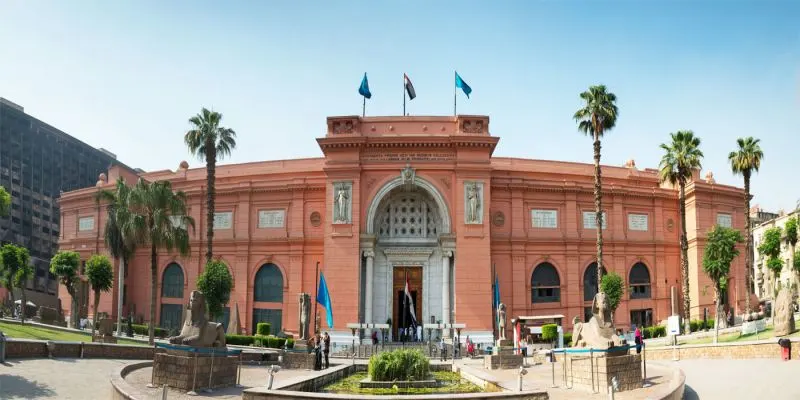
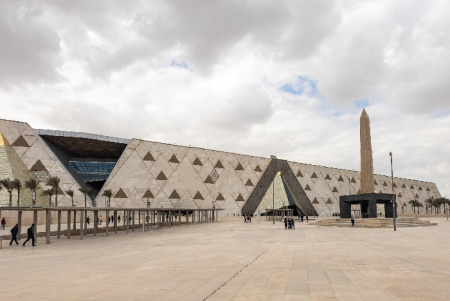
The Egyptian Museum: Dominating the northern edge is the iconic pink Neo-Classical building (opened in 1902). Even as the Grand Egyptian Museum opens in Giza, the original Tahrir museum remains a sentimental favorite, housing a vast collection of Pharaonic antiquities.
Revolutionary Ground: Tahrir means "Liberation." It earned its name after the 1919 revolution against British rule and cemented it during the 1952 revolution that ended the monarchy. In 2011, it became the epicenter of the Arab Spring, where millions gathered to demand the resignation of President Hosni Mubarak.
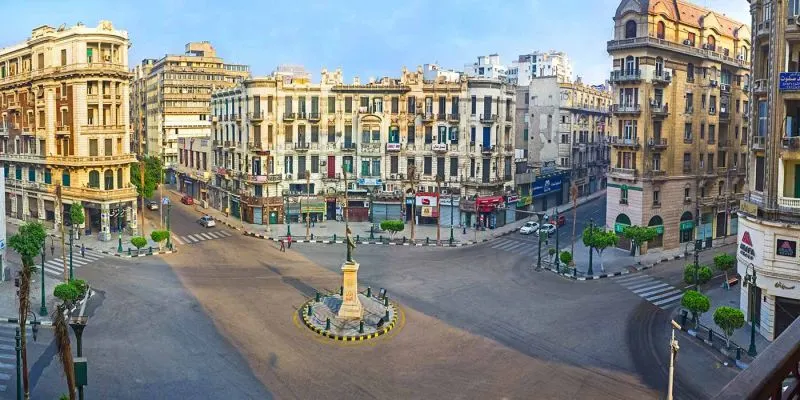
If Tahrir is the political heart, Talaat Harb Square is the commercial soul. A short walk from Tahrir, this bustling roundabout is named after the Egyptian economist who founded Banque Misr.
The Statue: A statue of Talaat Harb stands in the center.The Vibe: The square is surrounded by grand buildings with rounded facades, housing historic cafés, bookshops, and shoe stores. It is the perfect spot to stand and admire the European urban planning—streets radiating outward like a star.
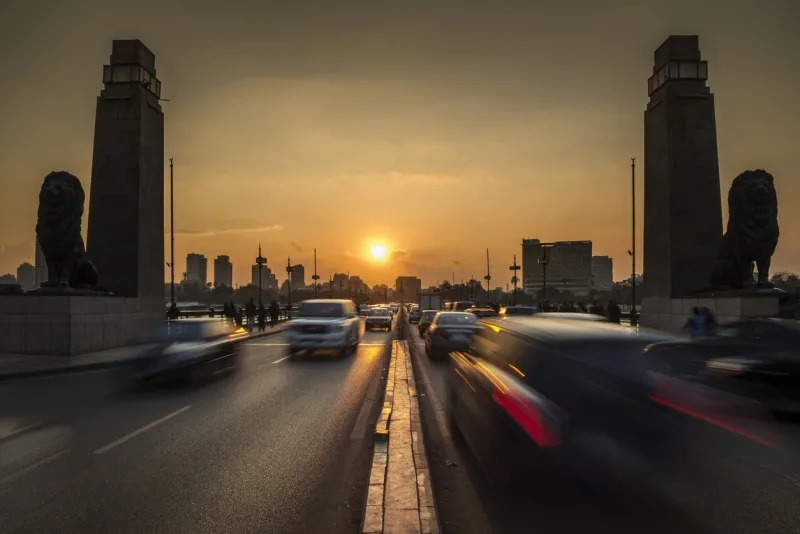
This is the main artery connecting Tahrir Square to the wealthy district of Zamalek across the Nile. Walking down Qasr el-Nil offers a tour of faded elegance. You will see ornate wrought-iron balconies, Art Deco cinema signs, and grand entrances to what were once the most luxurious apartments in Africa. Today, these ground floors host everything from international fashion brands to local airlines.
Yes. While the royal mummies moved to the NMEC and the Tutankhamun collection is moving to the Grand Egyptian Museum (GEM) in Giza, the historic pink museum in Tahrir Square remains open. It still houses thousands of artifacts and is absolutely worth visiting for its old-school charm.
In the first half of the 20th century, Downtown Cairo was a truly cosmopolitan melting pot. The streets were filled with Greeks, Italians, Jews, Armenians, and French expatriates living alongside Egyptians. The lingua franca was often French, and the culture was a blend of East and West.
The intellectual life of modern Egypt was forged in Downtown's coffeehouses.
Downtown was "Hollywood on the Nile." The district is dotted with historic cinemas—some crumbling, some restored like Radio Cinema. During the 1940s and 50s, Egypt was the world's third-largest film producer, and Downtown hosted glittering premieres attended by stars like Omar Sharif and Umm Kulthum.
Yes. Unlike strictly Islamic areas, Downtown has many bars, clubs, and cafés (like Café Horreya or the Greek Club) that serve alcohol. There are also liquor stores (like "Drinkies") scattered throughout the district.
Today, Downtown Cairo is no longer the exclusive enclave of the elite. It is a chaotic, democratic mix of social classes. The cosmopolitan communities largely left after the 1952 revolution, and the grand apartments were subdivided or turned into offices. However, a revival is underway.
Fashion: The streets are lined with clothing stores, from high-end boutiques on the main boulevards to bargain outlets in the side streets. Downtown is famous for its shoe stores—you can find endless rows of leather footwear.
Books: For bibliophiles, Downtown is paradise. The Madbouly Bookshop on Talaat Harb Square is legendary. The annual Cairo International Book Fair used to be held near here, and the area retains a high density of stationary and bookstores selling titles in Arabic, English, and French.
Downtown offers authentic flavors far removed from hotel buffets.
Felfela: Tucked into a passageway off Talaat Harb Street, this restaurant is famous for its decor (birds, plants, and wood) and its excellent, affordable Egyptian staples like fuul (fava beans) and ta’meya (Egyptian falafel).
Koshary Abu Tarek: Located on the edge of Downtown, this multi-story neon-lit establishment serves only one dish: Koshary. This mix of rice, pasta, lentils, and spicy tomato sauce is Egypt’s national comfort food.
Street Juice: Do not miss the fresh juice stands. For a few pounds, you can get a glass of fresh sugarcane juice (asab) or mango juice, perfect for recharging after a walk in the heat.
Get in touch with our local experts for an unforgettable journey.
Plan Your Trip
Downtown Cairo faces a critical moment. For decades, rent control laws meant landlords had no money to maintain the beautiful Belle Époque buildings, leading to decay. Recently, private companies and the government have started buying up and renovating heritage buildings.
To navigate the chaos of Wust al-Balad like a local, keep these practical tips in mind.
Crossing the street in Downtown Cairo is an extreme sport. Traffic lights are often suggestions rather than rules.
The Strategy: Do not run. Wait for a local to cross and shadow them. Walk at a steady, predictable pace so drivers can gauge your movement. Make eye contact.
Downtown is generally safe, with a heavy police presence.
Pickpockets: Be vigilant in crowded areas, especially near street vendors.
Solo Female Travelers: Downtown is busy and generally safe, but you may experience staring or catcalling. Walking with purpose, dressing modestly, and ignoring comments is the best strategy.
Scams: Beware of friendly strangers who claim to work at your hotel or want to practice English, then lead you to a specific shop (usually perfume or papyrus). A polite "No thanks" works wonders.
Mornings (Friday): Friday morning (until noon) is the quietest time. The streets are empty, making it perfect for photography and admiring the architecture without the noise.
Evenings (Thursday): Thursday night is the start of the Egyptian weekend. Downtown is packed, noisy, and electric. Visit then if you want to feel the raw energy of the city.
Yes, but it is a long walk (about 20-30 minutes). You can walk east from Downtown towards Al-Azhar. However, the transition involves crossing very busy roads (like Port Said Street). Many tourists prefer a short Uber ride to "Khan el-Khalili" or "Al-Azhar Mosque."
Yes. Downtown is a "city that never sleeps." Shops and cafés stay open very late (often until 1 AM or later). The main streets like Talaat Harb and Qasr el-Nil are well-lit and crowded with families and shoppers. Avoid dark, narrow alleyways late at night, but main thoroughfares are safe.
Walking. The traffic is gridlocked most of the day, so walking is often faster than driving. The Metro is excellent for getting to Downtown, but once you are there, explore on foot.
Yes, but be selective.
Shoes and Leather: Known for high quality and good prices.
Books: Look for rare prints or English guides at Madbouly.
Cotton: Some older shops still sell high-quality Egyptian cotton underwear and home textiles.
The Egyptian Museum houses 120,000+ artifacts including hidden treasures like the Narmer Palette, Khufu's tiny statuette, and the Dush Treasure beyond Tutankhamun's fame.
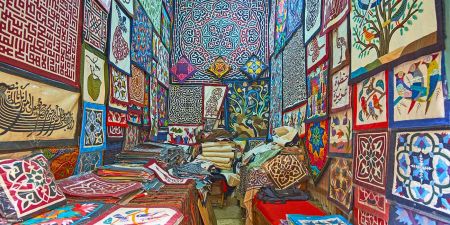
Step into Cairo’s Khayamiya Tentmakers Bazaar and admire exquisite appliqué art. Uncover the beauty of Egyptian textiles and local craftsmanship.
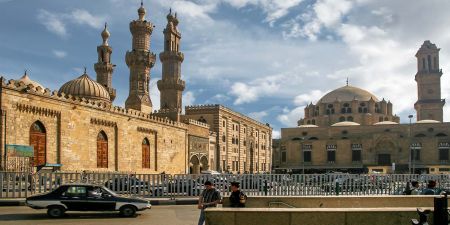
Explore Islamic Cairo's best mosques, bustling bazaars, and architectural marvels in this essential guide to the city's timeless attractions.
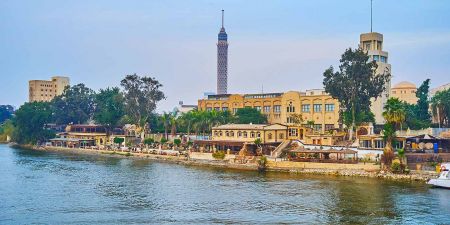
Explore Zamalek Cairo, a chic island district on the Nile. Find attractions, restaurants, and culture in our complete Gezira guide.
Explore Downtown Cairo, Egypt’s modern heart. Uncover Belle Époque architecture, lively streets, and rich city culture in one destination.
Visit The Hanging Church Cairo to witness a unique Coptic marvel on Roman towers. Learn about its fascinating past and cultural significance.
Visit Salah El-Din Citadel Cairo with our guide to its iconic mosques, fortress walls, and centuries of captivating history.
Uncover the timeless allure of Old Cairo. Journey through Coptic Cairo's ancient churches, fascinating history, and cultural treasures now.
Visit Khan el-Khalili Cairo, a must-see bazaar renowned for its rich history, bustling shops, and authentic Egyptian experience.
Discover the rich history of Ben Ezra Synagogue Cairo, a stunning landmark of Jewish heritage nestled in the heart of Coptic Cairo.
Experience the charm of El Ghorya Cairo, a stunning Mamluk complex renowned for its breathtaking Tanoura dance shows and rich heritage.
Uncover the beauty of Al Aqmar Mosque Cairo. Learn about its history, architectural wonders, and essential visitor tips in this comprehensive guide.
The Coptic Museum lies behind the walls of the famous Roman fortress of Babylon in the ancient district of Cairo (Misr Al-Qadima).
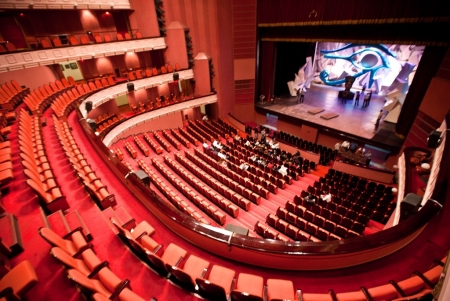
Discover the history and charm of the Cairo Opera House, Egypt’s hub for music, ballet, and cultural performances. Plan your visit today.
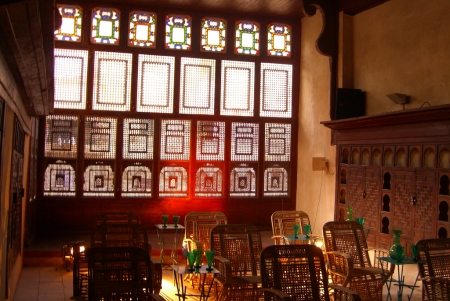
Discover Bayt Al Suhaymi Cairo—an authentic glimpse into Ottoman life. Visit beit el seheimy for rich architecture, culture, and history.
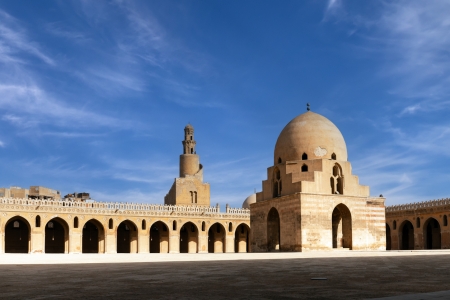
Step into history with Ahmed Ibn Tulun Mosque. Learn about its stunning architecture, captivating past, and importance in Islamic culture.
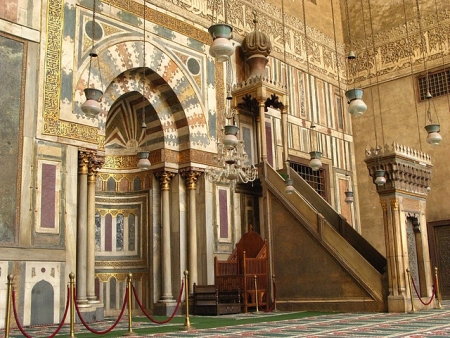
Unveil the fascinating history of the Mosque and Madrasa of Sultan Hassan, Cairo’s iconic Mamluk monument celebrated for its grandeur and artistry.
Explore the Museum of Islamic Art, Doha’s cultural gem. Witness stunning collections where the story of Islamic art and history beautifully unfolds.
Journey through Old Cairo’s history at Bab Zuweila. Uncover stories, architecture, and secrets of this legendary city gate.
Journey into Egypt’s past at the Mosque of Amr ibn al-As. Learn its history and explore this cornerstone of Islamic culture in Cairo.
Uncover the significance of Al Azhar Mosque, Cairo’s grand mosque and prestigious university—a cornerstone of Islamic heritage and learning.
Visit Sultan Al Mansur Qalawun Mosque in Islamic Cairo—Marvel at this Mamluk masterpiece and learn about its fascinating historical significance.
Discover the wonders of Al-Muizz Street Cairo—immerse yourself in stunning Islamic architecture, lively bazaars, and rich cultural heritage.