Dakhla Oasis: History, Geography, and Culture

The Dakhla Oasis stands alone in Egypt's Western Desert, about 350 km away from the Nile River, nestled between the oases of Farafra and Kharga. This remarkable sanctuary spans roughly 80 km east to west and 25 km north to south. Life has thrived here amid the harsh desert landscape for thousands of years. Nomadic tribes made this region their home during the Pleistocene era, back at the time when the Sahara enjoyed a much wetter climate. Pharaonic powers first connected with the oasis around 2550 BCE. This connection established a crucial trading route that linked Dakhla to neighboring oases and the Nile Valley.
The oasis sits in the New Valley Governorate, approximately 120 km west of Kharga Oasis. Its elevation ranges from 100 to 400 meters above sea level. People knew this place as el-Wah or the Inner Oasis, and it served as ancient Egypt's granary for millennia.
Several communities spread across a chain of sub-oases make up the region. Mut (historically called Mothis), Al-Qasr, and Qalamoun stand as the primary settlements. UNESCO recognized the oasis's natural beauty and rich heritage by adding it to their Tentative List. The region remained cut off from the outside world until the 1980s, when the Great Desert Loop road finally connected it to civilization.
Dakhla Oasis lies in Egypt’s Western Desert, about 350 km west of the Nile and 120 km from Kharga Oasis.
Key settlements include Mut, Al-Qasr, and Qalamoun, forming a chain of sub-oases with rich historical heritage.
Dakhla Oasis stands apart from other desert locations with its vast stretches of green vegetation, ancient ruins, and communities that have adapted amazingly to the harsh desert environment. This fertile paradise ranks among the largest oases in Egypt's Western Desert, where several communities thrive on rich agricultural land.
The soil's exceptional fertility makes Dakhla famous. Local farmers grow dates, olives, and other crops that are the foundations of the region's agriculture. The oasis also features therapeutic hot springs like Bir Tarfawi and Bir Al-Gebel. These springs not only help with irrigation but also draw visitors seeking their healing properties.
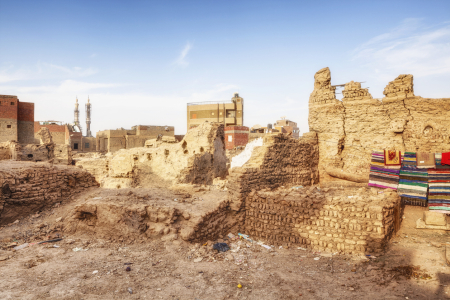
The archaeological significance of Dakhla Oasis is remarkable, with a wealth of discoveries spanning multiple dynasties and cultures. You'll find Deir El Hagar, a stunning Roman temple dedicated to the Theban Triad. The area also houses Mashru'a Minyat Ibn Khassib, a preserved Islamic village, and the Tombs of Bashendi that reveal early Islamic and Ottoman burial customs.
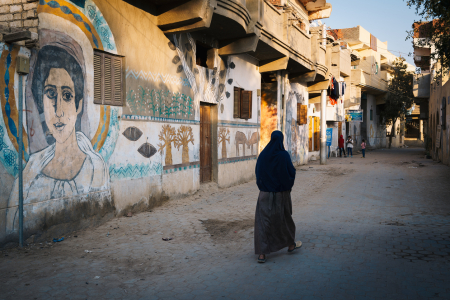
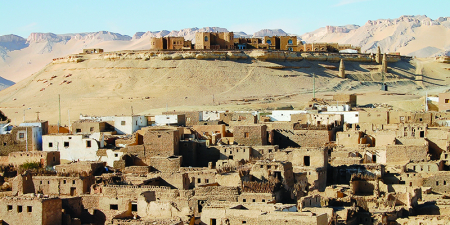
Dakhla's culture weaves together Bedouin traditions with agricultural ways of life. The community maintains strong connections to their land through traditional practices and festivals that shape daily life. The houses in el-Qasr tell their own story - their acacia lintels bear inscriptions from as far back as 1518, showing this desert jewel's incredible historical legacy.
Farmers cultivate dates, olives, vegetables, and other crops thanks to the oasis’s fertile soil.
Yes, therapeutic hot springs like Bir Tarfawi and Bir Al-Gebel are famous for their healing properties and desert views.
Nomadic hunter-gatherers first settled in Dakhla Oasis around 12,000 years ago. The oasis's landscape changed dramatically as environmental conditions altered over time. The region was once part of a big lake area where elephants, antelopes, and buffaloes lived freely. Dakhla underwent significant changes at the time the Sahara became progressively drier about 6,000 years ago.
Archaeological evidence reveals herding activities emerged around 7000 BP during a period of increased rainfall. The Bashendi culture later introduced cattle and goat herding after 6500 BP. The nomadic Sheikh Muftah people made this area their home by the third millennium BC. Their settlement preceded the establishment of a regional capital at Ain Asil near Balat.
Dakhla's prosperity peaked during the Greco-Roman period. The magnificent Deir el-Hagar temple, dedicated to Amun-Ra, Mut, and Khonsu, emerged under Emperor Nero's reign (54-67 CE). Ayyubid kings later constructed the fortified Islamic town of Al-Qasr in the 12th century on top of Roman foundations.
Sir Archibald Edmonstone made history as the first European to visit Dakhla in 1819. Herbert Winlock initiated systematic archaeological research in 1908. Recent excavations have revealed five mud-brick tombs at Bir esh-Shaghala, dating back nearly 2000 years. These discoveries highlight this remarkable desert haven's continuous cultural development.
It was settled 12,000 years ago by nomadic tribes, flourished in the Pharaonic era, and reached cultural peaks in the Greco-Roman period.
Get in touch with our local experts for an unforgettable journey.
Plan Your TripDakhla's culture gives visitors a real taste of traditional Egyptian desert life. The medieval Islamic village of Al-Qasr sits 20 km north of Mut. Its narrow lanes showcase ancient houses with acacia wood doors that feature intricate inscriptions. Sheikh Nasr El-Din mosque's 21-meter high minaret stands proudly at the village center, dating back to the Ayyubid period.
The local culture thrives around therapeutic hot springs. Bir el Gebel lies 25 kilometers north of Mut and amazes visitors with its 50°C waters and spectacular dune views. Local residents believe these mineral-rich waters ease rheumatism and skin conditions.
Traditional Egyptian flavors shine through Dakhla's local cuisine. Said Shihad restaurant's specialty is perfectly grilled shish kebab served with potatoes in tomato sauce. Sweet-toothed visitors will love Fateer Al Wadi's fresh-baked treats.
Bashindi village keeps artisanal traditions alive. The village provides jobs to all residents through traditional crafts. Their klim and carpet project has grown into a success story, turning raw wool into stunning textiles.
Visitors can get an unmatched experience by following local customs. They should wear modest clothing, get permission to photograph residents, take off shoes before entering homes or mosques, and accept tea when offered as a friendly gesture.
Visitors can enjoy local cuisine, traditional crafts, desert festivals, and Bedouin customs.
Wear modest clothing, ask permission before taking photos, remove shoes in homes and mosques, and accept offered tea as a sign of respect.
Explore Bahariya Oasis Egypt and embark on a Black & White Desert Safari. Get tips, highlights, and travel info for an unforgettable desert journey.
Explore Fayoum Egypt, a paradise of lush oases, breathtaking waterfalls, and tranquil Lake Qarun. Uncover travel tips and hidden gems now!
Siwa Oasis Egypt awaits! Uncover its Oracle Temple, serene salt lakes, and vibrant culture for an unforgettable desert adventure.
Explore the wonders of Kharga Oasis Egypt—visit majestic temples, ancient fortresses, and experience the serene desert with our expert guide.
Discover Farafra Oasis Egypt, your gateway to the breathtaking White Desert and relaxing hot springs. Plan your desert escape today.
Dakhla Oasis, Egypt’s Western Desert gem, features ancient ruins, fertile farmland, and hot springs.
Experience vibrant Bedouin culture, Deir El Hagar, Al-Qasr village, and traditional desert life.