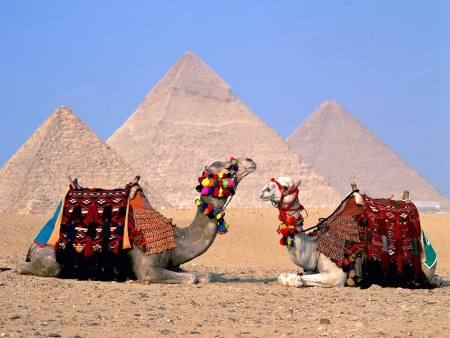
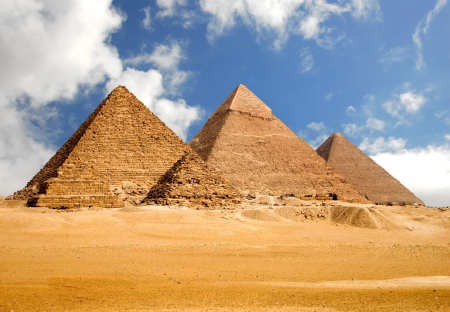
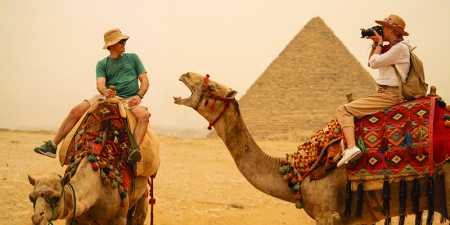
The Giza Necropolis, located near Cairo, is Egypt’s most iconic archaeological site and home to the Great Pyramid of Khufu, the last surviving Wonder of the Ancient World. Built during the 4th Dynasty, the complex includes the pyramids of Khufu, Khafre, and Menkaure, the Great Sphinx, and numerous temples and tombs, showcasing extraordinary ancient engineering and religious beliefs. Over 4,500 years old, the Giza pyramids continue to captivate millions of visitors, offering a powerful and unforgettable encounter with humanity’s ancient achievements.
The Great Pyramid, built for Pharaoh Khufu (ruled circa 2580-2560 BC, known as Cheops in Greek), ranks as the largest of the Giza pyramids and originally stood 146.5 meters (481 feet) tall, making it the world's tallest man-made structure for over 3,800 years. Today it measures 138.8 meters (455 feet) after losing the smooth limestone casing and capstone.
Dimensions:
Interior Features:
Visiting Inside:
Entry Fee: Additional ticket beyond general admission (400 EGP)
Limited Daily Tickets: 300 visitors daily (150 morning, 150 afternoon)
Experience: Narrow passages, low ceilings, claustrophobic for some
Duration: 15-20 minutes inside
Recommendation: Worthwhile for the experience, though interior relatively plain
The Pyramid of Khafre, built for Pharaoh Khafre (Khufu's son, ruled circa 2558-2532 BC), appears taller than the Great Pyramid due to higher elevation and steeper angle, though actually measures slightly smaller. Uniquely, Khafre's pyramid retains limestone casing stones at the summit showing how all three pyramids originally appeared—smooth, white, gleaming.
Dimensions:
Distinctive Features:
The Pyramid of Menkaure, built for Pharaoh Menkaure (Khafre's successor, ruled circa 2532-2503 BC), is significantly smaller than its neighbors but distinguished by elaborate complex and use of red granite (in addition to limestone) for lower courses.
Dimensions:
Distinctive Features:
You'll find the Giza Necropolis on the Giza Plateau approximately 13 km southwest of downtown Cairo, adjacent to modern Giza city. The site is easily accessible via 30-45 minute taxi/Uber ride from central Cairo or organized tours with hotel pickup.
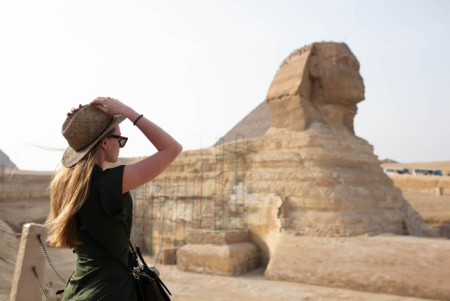
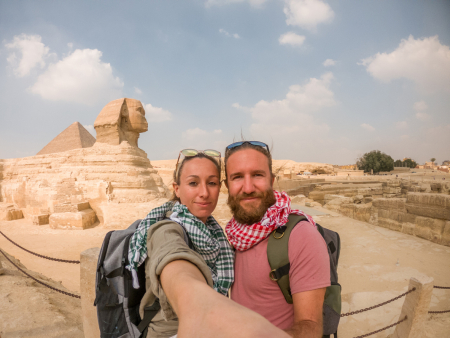
The Great Sphinx of Giza, carved from limestone bedrock during Khafre's reign (circa 2558-2532 BC), represents one of history's most iconic sculptures. This colossal statue measuring 73 meters (240 feet) long, 20 meters (66 feet) tall, and 19 meters (62 feet) wide depicts a mythical creature with a lion's body and human head (believed to portray Pharaoh Khafre).
Purpose: Guardian figure protecting the Giza Necropolis, symbol of royal power and divine protection
Features:
Viewing: Best viewed from northeastern platform and Desert Plateau viewpoint
Visiting:
General Admission: Included in Giza Plateau ticket
No Interior Access: Sphinx is solid, cannot enter
Best Photography: Early morning or late afternoon light
Three small pyramids east of each main pyramid served as burials for queens and royal family members:
Hundreds of mastaba tombs (rectangular flat-roofed structures) arranged in neat rows east and west of the pyramids housed nobles, officials, priests, and royal family members. These tombs often feature beautiful reliefs depicting daily life, offering scenes, and tomb owner's titles and achievements.
Notable Mastabas: Tomb of Seshemnefer IV, Tomb of Qar, Tomb of Idu
Several boat-shaped pits around the Great Pyramid contained dismantled ceremonial boats:
Khufu Ship: Discovered intact in 1954, now displayed in Solar Boat Museum
Purpose: Transport pharaoh's spirit in afterlife, or boats used during funeral
Solar Boat Museum: Displays reconstructed Khufu Ship (43 meters long cedar boat, temporarily closed for new Grand Egyptian Museum installation)
Each pyramid originally featured two temples connected by causeway:
Valley Temple: Lower temple near the Nile for purification rituals
Mortuary Temple: Temple against pyramid's east face for offerings
Khafre's Valley Temple: Best preserved, features massive granite pillars and alabaster floor
Yes, you can enter the Great Pyramid with additional ticket (400 EGP beyond general admission). Only 300 visitors daily allowed (150 morning, 150 afternoon), so arrive early or book tours in advance. Expect narrow passages, low ceilings, and 15-20 minute interior experience. Worth it for the unique experience.
Get in touch with our local experts for an unforgettable journey.
Plan Your Trip
Location: Giza Plateau, 13 km southwest of downtown Cairo, adjacent to modern Giza city
Getting There:
Taxi/Uber: 30-45 minutes from downtown Cairo (negotiate ~150-250 EGP)
Metro + Taxi: Metro to Giza Station, then taxi to pyramids
Organized Tours: Include transportation, guide, entrance fees
Hotel Pickup: Available through tour operators
Opening Hours:
Winter (October-March): 8:00 AM - 4:00 PM
Summer (April-September): 7:00 AM - 7:00 PM
Ramadan: Hours may vary
Entry Fees (subject to change):
General Admission: 540 EGP (includes grounds, exterior pyramid viewing, Sphinx)
Inside Great Pyramid: +400 EGP (300 tickets daily)
Inside Khafre or Menkaure: +100 EGP each
Student Discounts: 50% with valid international student ID
Duration: Minimum 2-3 hours (exterior only), 3-4 hours (including pyramid interior), half-day for thorough exploration
Optimal Times:
Early Morning (8:00-10:00 AM): Coolest temperatures, best light, fewer crowds, fresh energy
Late Afternoon (4:00-6:00 PM in summer): Beautiful golden light for photography, cooler, sunset views
Avoid:
Midday (11:00 AM-3:00 PM): Extreme heat (especially summer), harsh overhead sun, peak crowds, exhausting
Seasons:
Best: October-April (comfortable temperatures 20-28°C)
Acceptable: May, September (warm but manageable)
Challenging: June-August (extreme heat 35-40°C+)
Essential:
Sun Protection: Hat, sunglasses, sunscreen (no shade on plateau)
Water: Minimum 2 liters per person (vendors available but expensive)
Comfortable Walking Shoes: Uneven terrain, sandy areas, climbing steps
Camera: Bring extra batteries/memory cards
Cash: Egyptian pounds for additional tickets, tips, vendors
Modest Clothing: Shoulders and knees covered (for potential mosque visits nearby)
Optional: Binoculars for details, portable fan, energy snacks
You'll pay 540 EGP for general admission (pyramid grounds, Sphinx). Entering the Great Pyramid requires additional 400 EGP (300 tickets daily, limited availability). Entering Khafre or Menkaure pyramids costs +100 EGP each. Students with valid international IDs receive 50% discounts.
You should visit early morning (8:00-10:00 AM) for coolest temperatures, best light, and fewer crowds, or late afternoon (4:00-6:00 PM in summer) for beautiful golden light and sunset. Avoid midday (11:00 AM-3:00 PM) when heat is extreme and crowds peak. October-April offers best weather (20-28°C).
You should allow minimum 2-3 hours for exterior viewing and walking the plateau, 3-4 hours if entering pyramid interiors, or half-day for thorough exploration including Sphinx, mastaba tombs, and photo opportunities. Start early to beat heat and crowds, especially in summer months.
You should pack sun protection (hat, sunglasses, sunscreen—no shade), minimum 2 liters water per person, comfortable walking shoes for uneven terrain, camera with extra batteries, cash in Egyptian pounds for additional tickets and tips, and modest clothing covering shoulders and knees.
You should use firm polite "no" repeatedly, ignore unsolicited offers without engagement, book only official licensed guides through reputable operators, agree on photo prices before allowing camel/costume photos, keep moving without eye contact with persistent vendors, and support official licensed shops.
Yes, you can combine Giza, Saqqara, and Memphis in full-day tour (common organized excursion). Giza in morning (3-4 hours), drive to Saqqara/Memphis (45 minutes south, 2-3 hours combined), return to Cairo. This provides comprehensive pyramid experience from different periods. Book organized tours for efficient logistics.
Explore the wonders of Giza Necropolis Egypt, including the Great Pyramid, Sphinx, and ancient tombs in this ultimate traveler's guide.
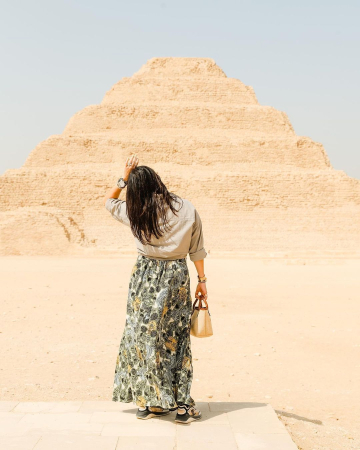
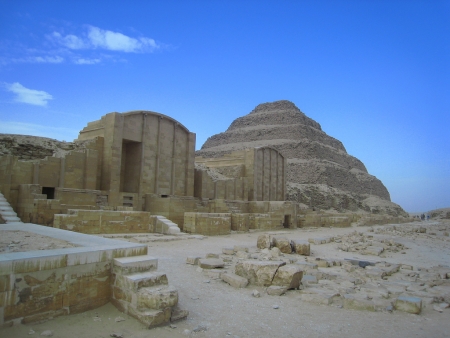
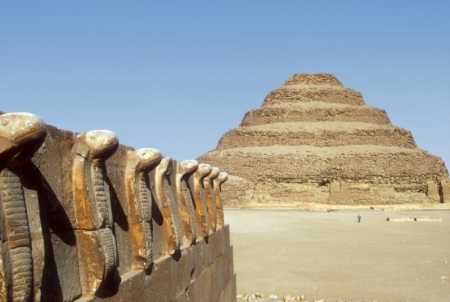
Explore Saqqara Pyramids Egypt, including the iconic Step Pyramid and ancient tombs. Dive into the mysteries of this legendary site now.
Discover the ultimate Egyptian Pyramids Guide with facts on history, construction, and locations to plan your unforgettable adventure.
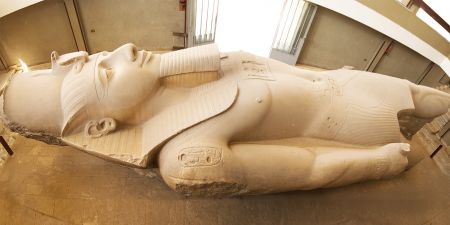
The City of Memphis was one of the oldest and most important cities in ancient Egypt. Located at the entrance to the Nile River Valley near the Giza plateau, it served as the capital of ancient Egypt.
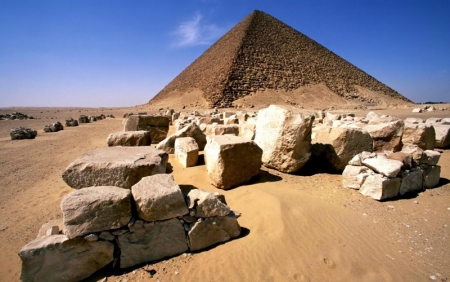
The Dahshur pyramids, located southwest of Cairo, are among Egypt’s most important ancient monuments and home to the iconic Red Pyramid. As part of the historic Dahshur necropolis, they offer a quiet, uncrowded glimpse into early pyramid architecture.
The Pyramid of Khufu, also known as the Cheops Pyramid, is the oldest and largest pyramid in Egypt, located on the Giza Plateau. Built around 2600 BC, it is the only surviving wonder of the ancient world and a symbol of ancient Egyptian engineering.
The Pyramid of Khafre is a remarkable Giza monument with hidden chambers, secret passages, and fascinating facts beyond its exterior.
The Pyramid of Menkaure in Giza is small yet fascinating, revealing granite design, hidden chambers, and discoveries inside.
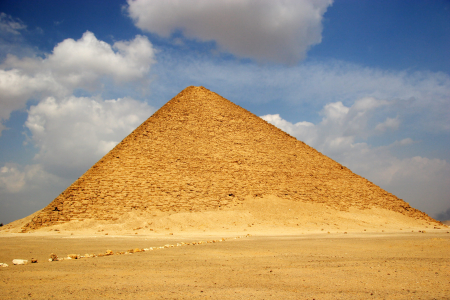
The Red Pyramid at Dahshur, Egypt, is Sneferu’s architectural masterpiece. Discover its history, design, chambers, and role in ancient Egyptian civilization.
The Bent Pyramid at Dahshur, built by Pharaoh Sneferu around 2600 BCE, features a unique slope change, dual entrances, and intact limestone casing. This architectural innovation influenced later pyramids like the Red Pyramid and the Great Pyramid of Giza.
 Home
Home