Pyramid of Menkaure: Interesting Facts

The Pyramid of Menkaure, the smallest of the three major pyramids at the Giza Necropolis, continues to reveal unexpected secrets. Researchers have found two hidden air-filled spaces behind this ancient structure's outer facade. The pyramid's original height reached 65.5 meters (215 ft), though it now stands at 61 meters (200 ft) tall. This monument contains some of the most intriguing features among all Egyptian structures.
The pyramid demonstrates remarkable architectural ingenuity with its 108.5-meter (356 ft) base and an incline of approximately 51°20'25". The structure's lower section features distinctive pink granite cladding, while its upper portion displays the more common Tura limestone found in other Giza pyramids. The pyramid's interior chambers show greater complexity than its neighbors, with decorative panels and a unique chamber containing six large niches. Thieves likely raided the pyramid during the First Intermediate Period, and Sultan Osman Bey tried unsuccessfully to destroy it in the 12th century. Yet this ancient wonder still guards many undiscovered secrets.
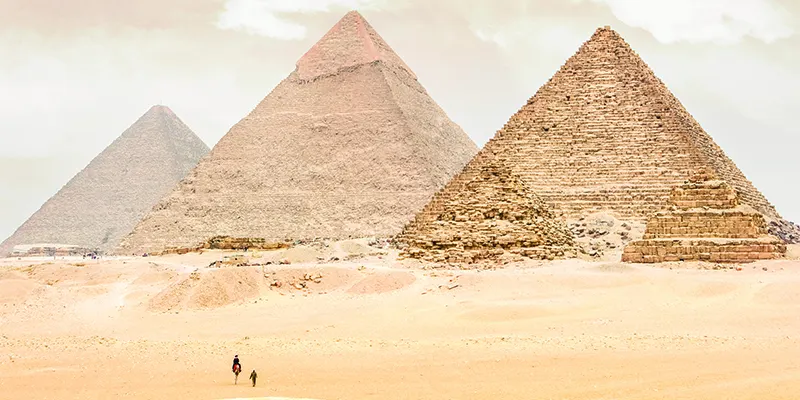
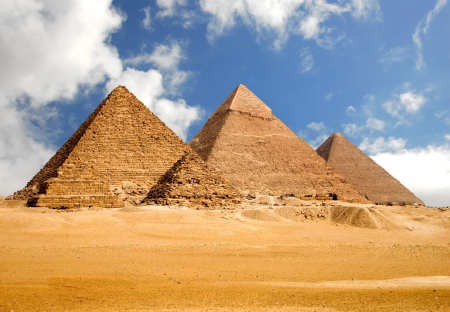
The Pyramid of Menkaure is located on the Giza Plateau near Cairo, Egypt, alongside the pyramids of Khufu and Khafre.
The Pyramid of Menkaure is smaller due to shifts in royal priorities, construction resources, and political conditions during Menkaure’s reign.
The Pyramid of Menkaure stands apart from its larger neighbors and marks a fundamental change in Egyptian pyramid building techniques. This final major pyramid at the Giza complex shows a unique mix of building methods that set it apart from earlier ones. Massive limestone blocks laid in horizontal courses create a stable base that supports the whole structure.
This pyramid's most striking feature is its unusual outer shell. The builders covered the lower sixteen courses with beautiful red granite brought from Aswan, hundreds of kilometers away. Such a decorative choice needed huge amounts of work and resources, showing Menkaure's wish to make his monument stand out among others at Giza.
The pyramid's main role was to provide the pharaoh's body and soul with an eternal home, following core Egyptian beliefs. The ancient Egyptians saw the pyramid as a vital connection between life on earth and the afterlife. Its perfect geometric shape rises from a square base to a precise point, symbolizing the king's path to join the gods in the stars.
The pyramid's inside matches its spiritual purpose with a maze-like layout of chambers. Unlike basic early pyramids, Menkaure's interior has several passages and rooms, including the main burial chamber that once held the king's sarcophagus. These extra chambers played important roles in burial ceremonies and stored offerings and treasures the pharaoh would need after death.
Though smaller than its neighbors, this pyramid's clever design and construction show it was just as important. The builders paid close attention to every detail and used the best materials available. Menkaure's monument upheld the same religious principles and royal dignity as larger pyramids, but on a smaller scale - perhaps due to changes in available resources or royal priorities during its construction.
The Pyramid of Menkaure is unique for its lower casing made of red Aswan granite, a rare and labor-intensive choice in pyramid construction.
Key facts about Menkaure pyramid include its granite exterior, steep angle, complex interior chambers, and evidence of later reuse.
Archeological teams have found amazing discoveries and suffered devastating losses during their explorations of the Pyramid of Menkaure. British colonel Howard Vyse made one of the most important finds in 1837. He unearthed a beautiful basalt sarcophagus with a bold projecting cornice that held a young woman's bones. This remarkable artifact stood out from anything found in other pyramids. The team carefully loaded it onto a merchant ship called the Beatrice in 1838.
The story took a tragic turn when the Beatrice vanished near Spain's coast, taking this priceless treasure to the Mediterranean's depths. Nobody knows where the wreck lies, which makes recovery very challenging. Robert Ballard, the prominent explorer who found the Titanic, tried to lead a search mission in 2008. Political issues forced him to abandon the project.
Vyse had better luck with another discovery - a wooden anthropoid coffin bearing Menkaure's name safely reached the British Museum. Scientific tests later revealed surprising results. The coffin dated to 1212–846 BC (late New Kingdom to Third Intermediate Period), and the male body inside came from the early Islamic Period. This shows people accessed and likely reused the pyramid for burials in later times.
The pyramid's interior architecture amazes visitors to this day. A descending passageway starts at the northern entrance and leads to a chamber with decorative panels - the first carved relief in a major pyramid since Zoser's. Deeper inside lies an antechamber and an intriguing room with six niches, possibly used for treasures or canopic jars.
The main burial chamber showcases a beautifully finished vaulted ceiling and walls covered in massive granite blocks. Scientists have found two air-filled anomalies on the pyramid's eastern side recently, showing there might be an undiscovered second entrance. These voids, detected using advanced imaging technology, have sparked new interest in this ancient structure's unexplored secrets.
The Pyramid of Menkaure was built for Pharaoh Menkaure of the Fourth Dynasty as his eternal burial place and a symbol of divine kingship.
Inside the Pyramid of Menkaure are descending corridors, decorative relief panels, antechambers, and a granite-lined burial chamber.
Recent studies suggest hidden air-filled voids near the Pyramid of Menkaure, indicating possible undiscovered chambers or entrances.
Get in touch with our local experts for an unforgettable journey.
Plan Your TripExplore the wonders of Giza Necropolis Egypt, including the Great Pyramid, Sphinx, and ancient tombs in this ultimate traveler's guide.
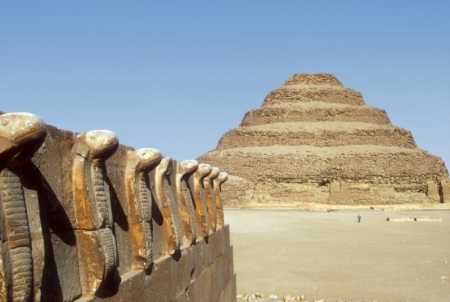
Explore Saqqara Pyramids Egypt, including the iconic Step Pyramid and ancient tombs. Dive into the mysteries of this legendary site now.
Discover the ultimate Egyptian Pyramids Guide with facts on history, construction, and locations to plan your unforgettable adventure.
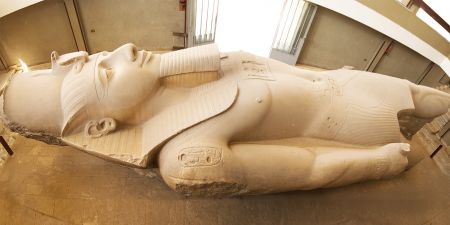
The City of Memphis was one of the oldest and most important cities in ancient Egypt. Located at the entrance to the Nile River Valley near the Giza plateau, it served as the capital of ancient Egypt.
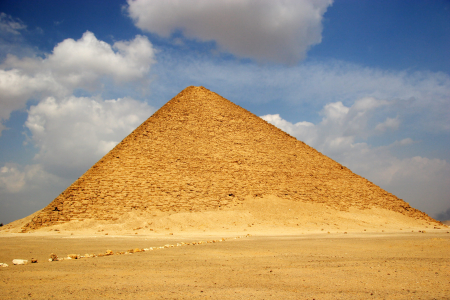
The Dahshur pyramids, located southwest of Cairo, are among Egypt’s most important ancient monuments and home to the iconic Red Pyramid. As part of the historic Dahshur necropolis, they offer a quiet, uncrowded glimpse into early pyramid architecture.
The Pyramid of Khufu, also known as the Cheops Pyramid, is the oldest and largest pyramid in Egypt, located on the Giza Plateau. Built around 2600 BC, it is the only surviving wonder of the ancient world and a symbol of ancient Egyptian engineering.
The Pyramid of Khafre is a remarkable Giza monument with hidden chambers, secret passages, and fascinating facts beyond its exterior.
The Pyramid of Menkaure in Giza is small yet fascinating, revealing granite design, hidden chambers, and discoveries inside.
The Red Pyramid at Dahshur, Egypt, is Sneferu’s architectural masterpiece. Discover its history, design, chambers, and role in ancient Egyptian civilization.
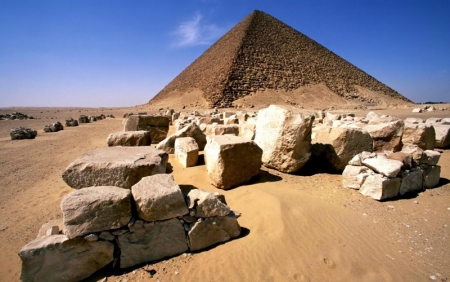
The Bent Pyramid at Dahshur, built by Pharaoh Sneferu around 2600 BCE, features a unique slope change, dual entrances, and intact limestone casing. This architectural innovation influenced later pyramids like the Red Pyramid and the Great Pyramid of Giza.