Luxor Temple
.jpg "Luxor Temple")
Luxor Temple was added to the UNESCO World Heritage Site list in 1979 along with the rest of ancient Thebes. This recognition highlights its universal value and ensures global support for its preservation.
French Egyptologist Gaston Maspero began major excavations in the late 19th century, uncovering huge sections buried under houses, shops, and debris. In recent decades:
These modern techniques help preserve the temple for generations to come.
Luxor Temple is one of those places where ancient Egypt feels wonderfully alive. Set right in the heart of modern Luxor on the east bank of the Nile, this extraordinary temple has witnessed royal coronations, grand festivals, Roman legions, Christian worship, and Islamic traditions—all under the same sky. With more than 3,400 years of history carved into its walls, Luxor Temple remains one of the most accessible and captivating ancient sites in Egypt.
Unlike many temples built mainly for worshipping specific gods, Luxor Temple was dedicated to something deeper: the renewal of kingship and the celebration of divine rebirth. It was here, during the annual Opet Festival, that pharaohs underwent symbolic purification and reconnected with the gods of Thebes. Today, the temple stands as a living journey through layers of history—pharaonic, Roman, Christian, and Islamic—woven together in one extraordinary monument.
This complete guide walks through everything travelers need to know about Luxor Temple: its location, history, architecture, cultural significance, and the highlights they shouldn’t miss.
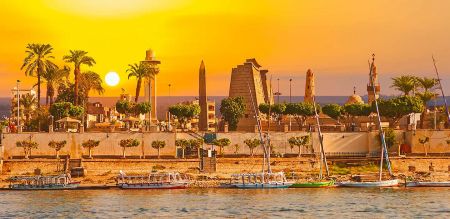
Luxor Temple sits in the very center of modern Luxor city on the east bank of the Nile River in Upper Egypt. Unlike remote desert temples, this one rises right beside busy streets, hotels, cafés, the Corniche, and local markets, making it extremely easy to reach for visitors.
In ancient times, Luxor was known as Thebes, the capital of Egypt during its most powerful dynasties. The temple’s ancient name, Ipet-resyt, means “Southern Sanctuary,” reflecting its role as the southern counterpart to the massive Karnak Temple Complex to the north.
The temple stands parallel to the Nile, and its builders deliberately positioned it to reflect harmony between the river, the city, and the sacred processions that once passed through its gates. Travelers standing at the entrance today can still feel how tightly connected the temple is to the Nile’s natural path.
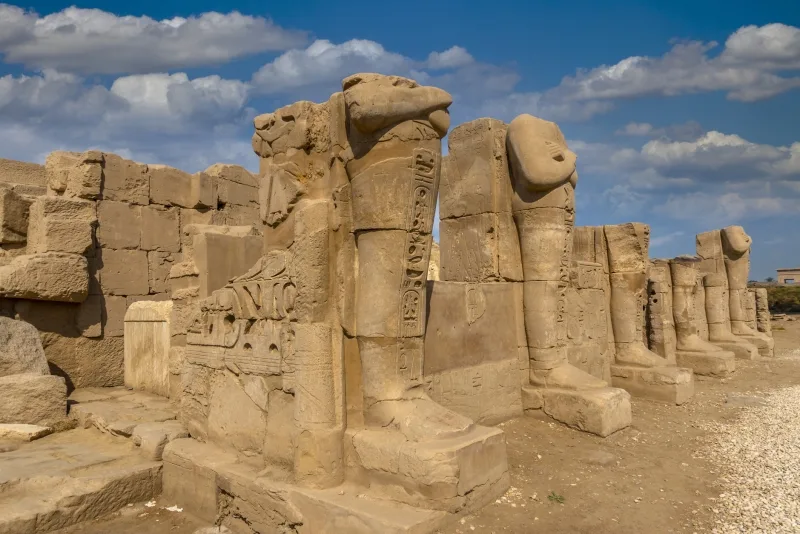
One of Luxor Temple’s most remarkable features is its link to Karnak Temple through the Avenue of Sphinxes, a 2.7-kilometer ceremonial road lined with hundreds of sphinx statues. These statues appear in three styles:
This grand avenue was used during the Opet Festival, when priests carried the sacred barques of Amun, Mut, and Khonsu from Karnak to Luxor Temple to perform rituals of renewal and divine union.
Get in touch with our local experts for an unforgettable journey.
Plan Your Trip
The story of Luxor Temple spans centuries. It wasn’t the vision of a single ruler but the evolving masterpiece of several powerful pharaohs—and later, Roman and Islamic builders.
Construction began around 1400 BCE under Amenhotep III of the 18th Dynasty. He built the main sanctuary, inner chambers, and a large courtyard. His architects used Nubian sandstone from Gebel el-Silsila, giving the temple its warm golden color.
Tutankhamun and his successor Horemheb completed many of Amenhotep III’s structures, adding carvings, reliefs, and decorations—especially scenes from the Opet Festival.
A century later, Ramses II dramatically enlarged the temple by adding:
When the Romans occupied Egypt, they transformed parts of the temple into a legionary fortress and administrative center. They even added frescoes inside certain chambers—rare surviving examples of Roman art in Egypt.
Centuries later:
This remarkable layering makes Luxor Temple one of the only ancient monuments in Egypt that still contains an active place of worship.
Most of the temple is constructed from Nubian sandstone, a durable stone ideal for tall columns and carved reliefs. Obelisks and some statues were crafted from pink granite, black granite, and quartzite, chosen for strength and symbolic meaning.
Traces of paint still cling to some carvings, reminding visitors that the temple was once brightly colored, not bare stone.
Construction began around 1400 BCE under Amenhotep III and continued with contributions from Tutankhamun, Horemheb, and Ramses II, making it one of Egypt’s oldest and most enduring monuments.
Every corner of Luxor Temple has a story to tell, but a few highlights stand out for travelers.
1. The First Pylon of Ramses II
This dramatic gateway is decorated with scenes of Ramses II’s battles. Flanking the entrance are gigantic seated statues of the pharaoh, representing him as both a political and divine leader. Only one original obelisk remains; its twin was gifted to France in the 19th century.
2. The Court of Ramses II
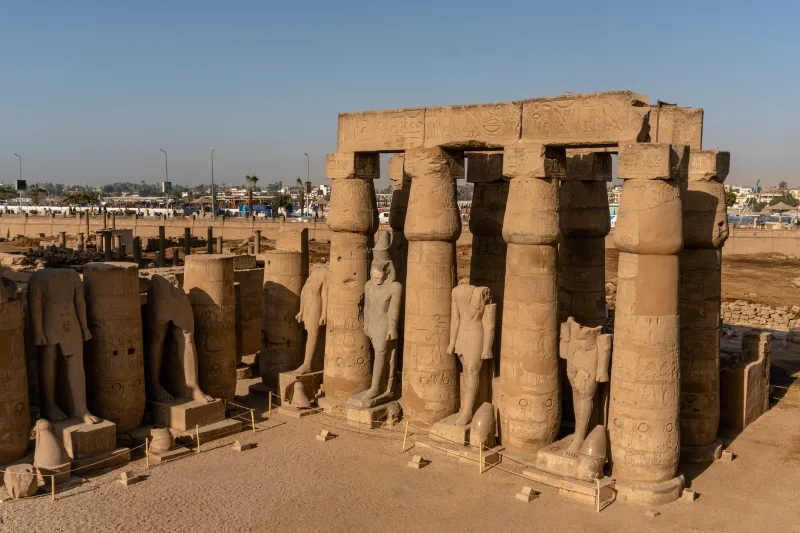
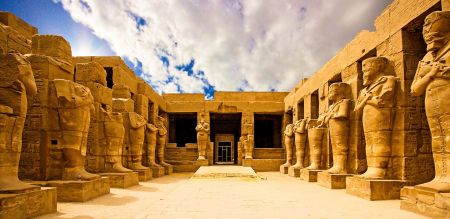
Inside the pylon lies a grand courtyard lined with papyrus columns, statues, shrines, and altars. Many statues in this courtyard show Ramses II in different divine forms, showcasing his influence over the temple.
3. The Great Colonnade of Amenhotep III
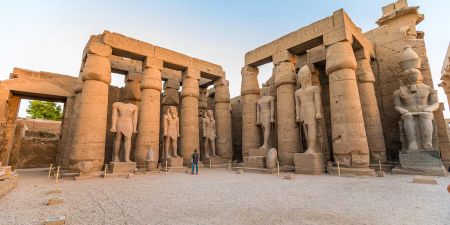
This iconic passageway contains 14 enormous papyrus-bundle columns, each rising nearly 19 meters high. The walls depict detailed scenes from the Opet Festival—drummers, performers, and priests celebrating the renewal of the pharaoh’s divine power.
4. The Great Court of Amenhotep III
A beautifully symmetric courtyard featuring rows of columns and richly carved walls. This space was used for various ceremonies and is among the best places to admire the precision of New Kingdom architecture.
5. The Inner Sanctuary and Barque Shrines
At the heart of the temple sits the sacred barque shrine of Amun. Alexander the Great rebuilt part of it during his rule, leaving behind inscriptions in traditional pharaonic style. Nearby, Amenhotep III’s “birth room” shows his divine origin—depicting the moment the god Amun touched the queen’s hand.
6. Abu Haggag Mosque
Still active today, this 13th-century mosque stands atop ancient temple columns. Its annual Moulid festival includes lively processions and celebrations that echo ancient Opet rituals.
7. The Restored Avenue of Sphinxes
Recently reopened, this ceremonial road connects Luxor Temple to Karnak Temple and features six barque stations used during festival processions.
One of the best things about Luxor Temple is how easy it is to visit. It’s open both day and night, offering two completely different atmospheres.
Generally: 6:00 AM – 10:00 PM
(Night visits are highly recommended.)
Tickets are available at the entrance. Many tours combine Luxor Temple with Karnak Temple, and some allow travelers to walk part of the Avenue of Sphinxes.
October to April offers ideal temperatures. Summer evenings are also pleasant and atmospheric.
Luxor Temple is more than an ancient monument—it is a continuous story of human creativity, faith, and identity. It reflects:
It remains a symbol of how civilizations layer themselves over time, building on the past while creating something new.
For travelers, Luxor Temple is one of Egypt’s most unforgettable sites—a place where they can walk through history, touch ancient stones, and stand where pharaohs once celebrated their divine rebirth.
Luxor Temple is in the heart of Luxor city, Egypt, on the east bank of the Nile River, near hotels, markets, and the famous Avenue of Sphinxes.
Amenhotep III built the main sanctuary, Tutankhamun and Horemheb added decorative reliefs and completed unfinished sections, and Ramses II expanded the temple with colossal statues, obelisks, and a grand entrance. Roman and Islamic additions followed centuries later.
Luxor Temple was the spiritual and ceremonial heart of ancient Thebes, central to the Opet Festival, which celebrated the renewal of kingship. Over centuries, it served as a pharaonic temple, Roman fortress, Christian church, and Islamic mosque, showing continuous cultural significance along the Nile in Luxor.
Luxor Temple celebrated royal renewal and divine kingship. Pharaohs participated in the Opet Festival, traveling along the Nile and ceremonial routes, reinforcing their sacred connection to the gods of ancient Thebes.
Visitors can explore:
The temple is primarily made of Nubian sandstone, with granite and quartzite used for statues, obelisks, and decorative carvings. These materials have allowed Luxor Temple to endure for over 3,400 years.
Explore the best temples and tombs with our Luxor Egypt Guide. Dive into ancient Thebes and start planning your trip today.
Located on the east bank of the Nile, Karnak Temple Complex consists of a number of temples. Its name was given as in Arabic Karnak means fortified village.
Your complete guide to Luxor Temple in Luxor, Egypt. Discover history, key attractions, and expert sightseeing tips for travelers.
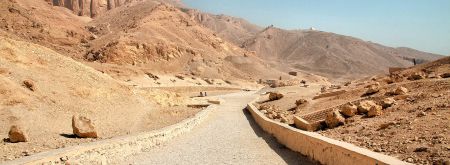
Your guide to the Valley of the Kings—best tombs, history, and insider facts. Get the knowledge you need and start planning your trip today.
Step into history at the Valley of the Queens, Luxor. Explore royal tombs, ancient artifacts, and fascinating facts about this legendary site.
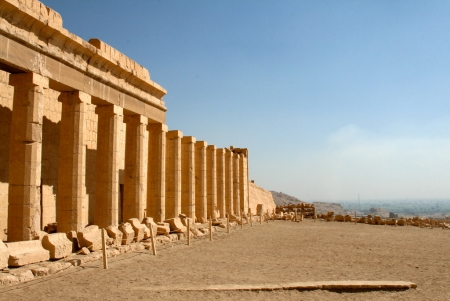
Uncover the history of the Temple of Hatshepsut Luxor. Learn about the remarkable Queen's mortuary temple and essential travel tips in our complete guide.
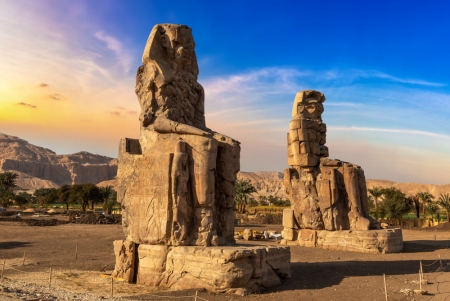
Stand before the Colossi of Memnon and witness Egypt’s engineering marvels. Discover their story and plan your West Bank sightseeing tour today.
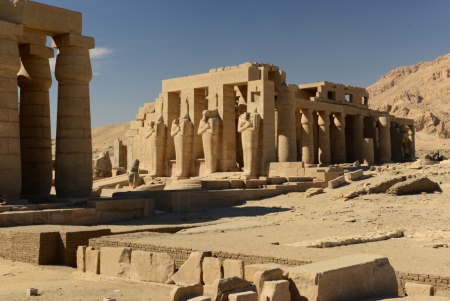
Learn about the Ramesseum in Luxor, Ramses II’s mortuary temple. Explore its history, statues, and hieroglyphs while planning your visit today.
Learn why Medinet Habu is a must-see in Luxor, with its bright reliefs and rich history. Get key travel details and prepare your Egypt visit now!
Discover the village of Pharaoh’s workers, where the skilled artisans of Deir el Medina created royal tombs, lived in unique homes, and practiced their craft over 3,000 years ago.
Explore the Tombs of the Nobles Luxor and discover vivid art scenes depicting ancient Egyptian daily life on this fascinating journey.