Grand Egyptian Museum
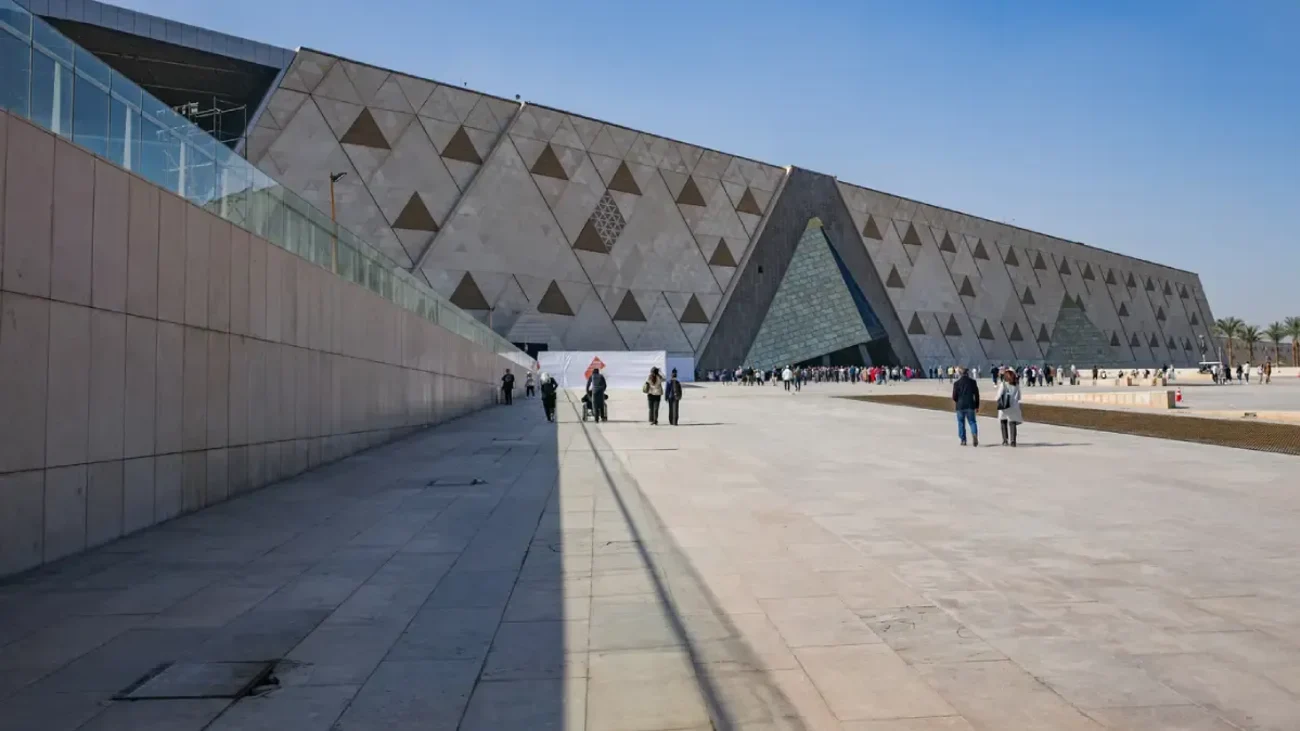
Egypt's newest national museum, known as GEM, is the world's largest museum dedicated to a single civilization. It stands about 2 kilometers from the Pyramids of Giza and holds more than 100,000 Egyptian artifacts, including the complete Tutankhamun treasures shown together for the first time. The museum fully opened to the public on 4 November 2025.
This guide explains what the museum is, how it was built, what visitors can see inside, how much tickets cost and when it is open.
GEM is a national museum created to preserve and display Egypt's cultural heritage in a modern setting. Its galleries tell the story of ancient Egypt from prehistoric times to the Greek and Roman periods. The collection shows how ancient Egyptians lived, worked, worshipped and built one of the world's first great civilizations.
The museum is also a working research center. Its large conservation laboratories are where specialists clean, repair and study objects before they go on display. This makes GEM both a major tourist attraction and an important center for Egyptology.
The museum holds more than 100,000 Egyptian artifacts. They cover ancient Egypt from prehistoric times to the Greek and Roman periods.
For more than a century, Egypt's greatest treasures were kept at the Egyptian Museum in Tahrir Square, central Cairo. That building became crowded, and thousands of objects sat in storage with no room to display them. The new museum was planned to give these treasures more space for display, study and protection.
After many years of planning and construction, some areas opened during a trial period in October 2024. The Grand Egyptian Museum opening ceremony took place on 1 November 2025, with world leaders attending. The full museum, including the Tutankhamun Galleries, opened to the public three days later.
The museum took more than two decades to plan and build. These are its main milestones, from Cairo's first national museum to the present day.
| Year | Milestone |
|---|---|
| 1902 | The Egyptian Museum opens in Tahrir Square and becomes home to the country's ancient treasures. |
| 1922 | Howard Carter discovers the tomb of Tutankhamun in the Valley of the Kings. |
| 2002 | The foundation stone of the new museum is laid, and an international design competition begins. |
| 2003 | Heneghan Peng Architects wins the competition from more than 1,500 entries. |
| 2006 | The Ramses II statue is moved from Ramses Square to the museum site. |
| 2010 | The conservation center opens to prepare objects for display. |
| 2012 | Construction of the main museum building begins. |
| 2018 | The Ramses II statue is placed in the Grand Hall. |
| 2021 | Khufu's boat is moved from beside the Great Pyramid to the museum. |
| 2024 | Some galleries open to visitors during a trial period. |
| 2025 | The official opening ceremony is held on 1 November, and the full museum opens to the public on 4 November. |
| 2026 | The museum welcomes around four million visitors by August and marks its first anniversary in November. |
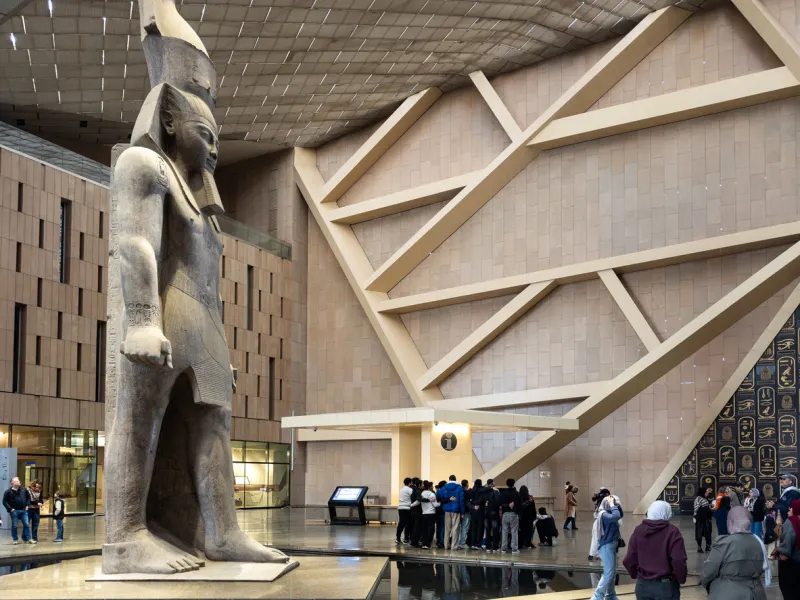
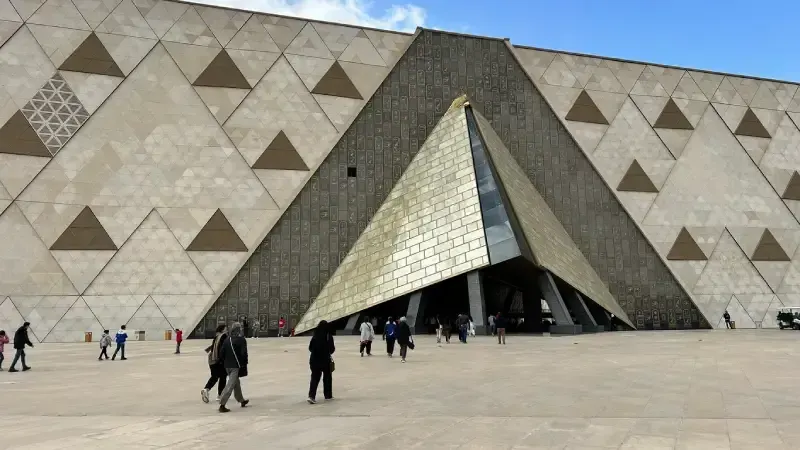
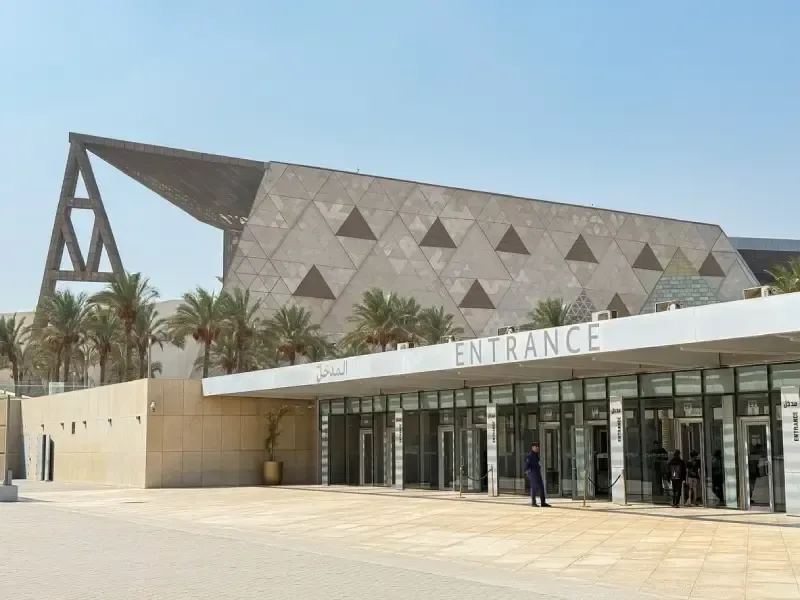
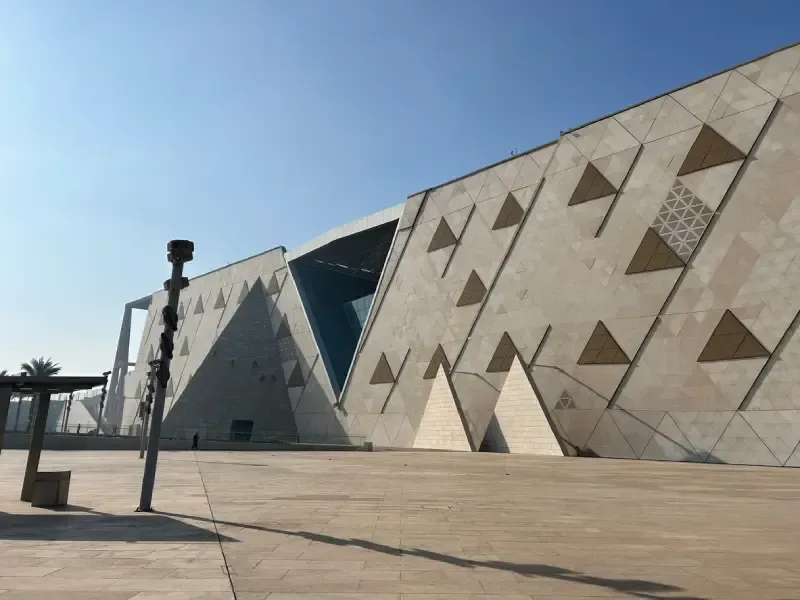
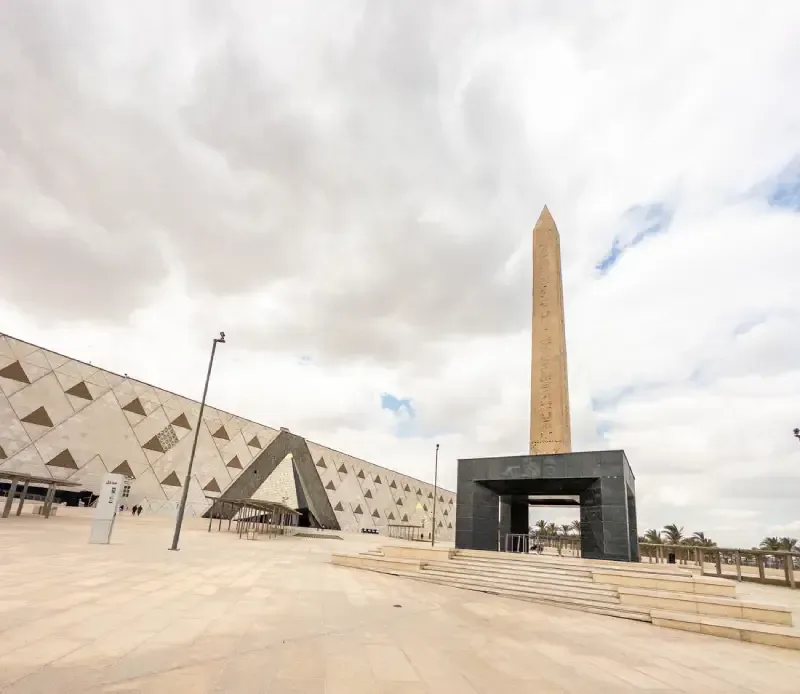
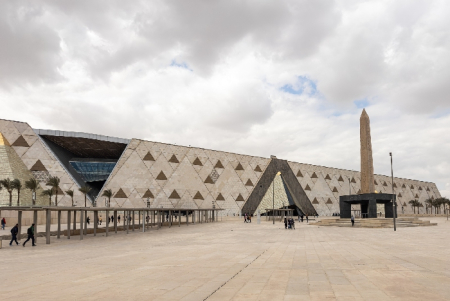
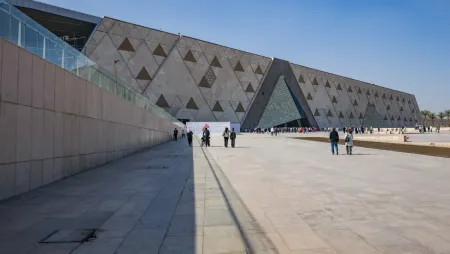
The building is one of the first things visitors notice. It was chosen through an international design competition and created by the Irish firm Heneghan Peng Architects. The design mixes modern architecture with ideas from ancient Egypt.
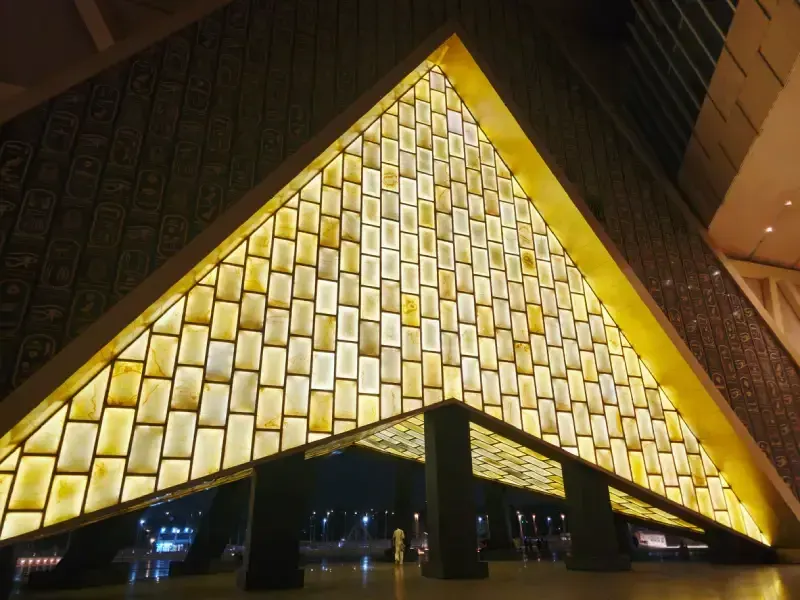
Its front is covered in a pattern of triangles that echoes the shape of the pyramids nearby. Large glass surfaces, high ceilings and modern lighting create a bright and spacious atmosphere. Visitors can enjoy:
Get in touch with our local experts for an unforgettable journey.
Plan Your Trip
The first highlight appears outside the entrance. The Hanging Obelisk of King Ramses II is raised above the ground, so visitors can walk beneath it. This lets them see carvings on its base that are usually hidden.
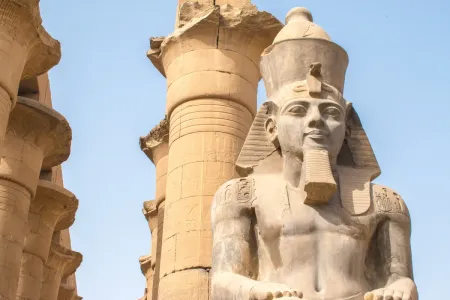
Inside the Grand Hall, visitors are welcomed by the giant Ramses II statue. The granite figure is about 11 meters tall, weighs around 83 tons and is roughly 3,200 years old. It once stood in Ramses Square in central Cairo. It was moved to the museum site in 2006 and placed in the Grand Hall in 2018.
The Grand Staircase rises six floors and is lined with dozens of statues of kings, queens and gods. Walking up the stairs, visitors discover important examples of royal art and history. At the top, large windows open onto a clear view of the pyramids.
The Main Galleries take visitors through the development of Egyptian civilization, from early communities to the Greco-Roman period. Displays are grouped by three themes:
Labels in Arabic and English, along with digital screens, help visitors of all ages understand each object.
The Tutankhamun Galleries are the heart of the museum. Tutankhamun was a young pharaoh of the 18th Dynasty. British archaeologist Howard Carter found his tomb in the Valley of the Kings in 1922. It held more than 5,000 objects that had stayed hidden for over 3,000 years, making it the most intact royal tomb ever found there. For the first time, the complete collection is shown together.
Visitors can see jewelry, royal furniture, chariots, weapons, clothing and objects linked to his burial and the afterlife. The most famous piece is the King Tut mask. This Tutankhamun mask is made of solid gold, weighs about 10 kilograms and is inlaid with lapis lazuli, colored stones and glass.
A separate building displays the boats of King Khufu, the pharaoh who built the Great Pyramid. The main boat is more than 4,500 years old and over 40 meters long. It was built from cedar wood and buried beside the Great Pyramid. The boats show the skill of ancient Egyptian craftsmen and the belief that kings traveled by boat into the afterlife.
One thing visitors will not find is the royal mummies. They are shown at the National Museum of Egyptian Civilization (NMEC) in Cairo.
The museum stands in Giza, along the Cairo–Alexandria Desert Road, at the edge of the Giza Plateau. It is only a short distance from the Great Pyramids and the Great Sphinx. The pyramids area is part of the UNESCO World Heritage Site of Memphis and its Necropolis.
This location is special for several reasons:
Most travelers arrive by taxi, ride-hailing app or tour car. The drive from downtown Cairo takes 30 to 60 minutes, depending on traffic. Metro users can ride to Giza station and then take a taxi of about 10 to 15 minutes.
New prices started on 1 November 2026, and foreign adult tickets rose by US$5 to US$35.
| Visitor category | Ticket price |
|---|---|
| Foreign or Arab adult | EGP 1,830 (about US$35) |
| Foreign student (with valid ID) or child aged 6 to 12 | EGP 920 |
| Foreign resident of Egypt (adult) | EGP 920 |
| Egyptian adult | EGP 220 |
| Children under 6 | Free |
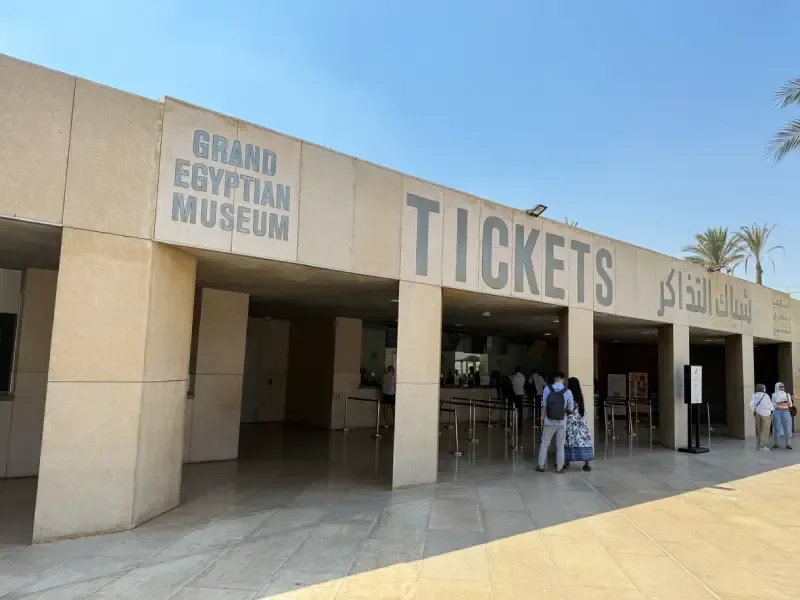
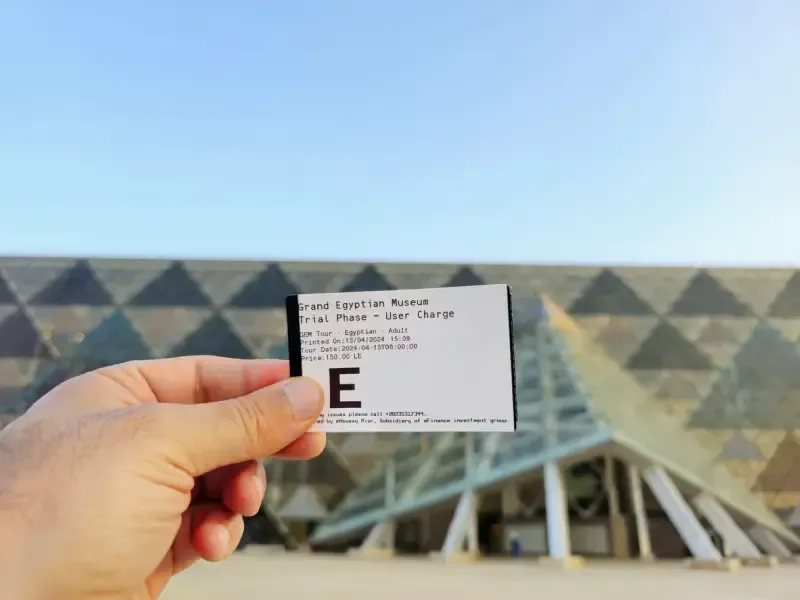
Tickets are booked online for a set date and entry time through the official GEM ticketing website, the only official sales channel. They are non-refundable and non-transferable. Guided tour tickets and an evening immersive show called "Eternal Sun" can be added for an extra fee. Visitors with disabilities enter free, and foreign spouses of Egyptians pay the Egyptian price.
The museum is open every day, with late openings on Wednesdays and Saturdays.
| Days | Galleries | Museum complex |
|---|---|---|
| Sunday, Monday, Tuesday, Thursday, Friday | 9:00 AM – 6:00 PM | 8:30 AM – 7:00 PM |
| Wednesday and Saturday | 9:00 AM – 9:00 PM | 8:30 AM – 10:00 PM |
Last entry is one hour before the galleries close. Hours may change during Ramadan and public holidays. For official updates, visitors can follow Egypt's Ministry of Tourism and Antiquities.
Many of the museum's stories are easier to understand with a licensed Egyptologist guide. Many travelers combine the museum with the Pyramids of Giza and the Great Sphinx in one day. Travelers who want help planning can fill in the inquiry form on this page, and a local Egypt travel specialist will reply with a tailor-made plan.
No. The royal mummies are displayed at the National Museum of Egyptian Civilization (NMEC) in Fustat, Cairo.
Most visitors need 3 to 4 hours. Travelers who want to see every gallery in detail should plan a full day.
Yes. Large windows at the top of the Grand Staircase give a clear view of the pyramids on the Giza Plateau.
Yes, personal photos are allowed in most areas. Flash, tripods, selfie sticks and drones are not allowed, and photos are limited in parts of the Tutankhamun Galleries.
No. The museum and the Pyramids of Giza need separate tickets. Many travelers visit both on the same day because they are so close.
Most travelers go by taxi, ride-hailing app or tour car, which takes 30 to 60 minutes from downtown Cairo. Metro users can ride to Giza station, then take a short taxi.
Yes, for most first-time visitors. A licensed Egyptologist guide explains the stories behind the objects and helps visitors see the highlights without wasting time.
Explore every famous Ramses II statue, from the Grand Egyptian Museum colossus and Memphis to Abu Simbel and the newest finds in Egypt.
Learn about Sham el Nessim, Egypt's national spring festival, covering its meaning, ancient roots, dates, foods, traditions and travel tips.
Step inside QV66, Queen Nefertari's vividly painted tomb in Luxor's Valley of the Queens.
Discover the ancient Egyptian religion, covering Ma'at, the pharaoh, creation myths, temples and where to see it today.
Step inside the Grand Egyptian Museum, covering Tutankhamun’s treasures and Ramses II statue.
Explore life, religion, and architecture in the old kingdom of ancient Egypt. Learn more and prepare your trip to Egypt’s ancient wonders today.
Middle Kingdom of Egypt: Archaeologists refer to the second period of stability in Ancient Egypt as the Middle Kingdom (2055–1650 BC)
Uncover the glory of the New Kingdom of Ancient Egypt—learn about its pharaohs, remarkable power, and lasting cultural legacy.
Discover the incredible story of Queen Hatshepsut, Egypt's most famous female pharaoh. Explore the legacy of pharaoh queen hatshepsut.
Ramesses II, or Ramesses the Great, is one of the most famous figures in the history of Ancient Egypt.
Learn about the Greco-Roman period in Egypt and the must-see sites shaped by Greek, Roman, and Egyptian culture. Start planning your trip today.
Discover the fascinating life, reign, and lasting legacy of Queen Cleopatra, Egypt’s iconic and influential last pharaoh.
Follow Alexander the Great’s path across Egypt—historic cities, temples, and oases await. Discover history and plan your epic trip today.
Learn about Islamic Egypt’s transformation under powerful dynasties. Discover the stories that shaped Cairo’s history!
Learn about Amr Ibn Al-As: his life story, legacy, and vital role in shaping early Islamic history. Explore history's influential figures today.
Learn about Salahuddin Ayyubi and his impact on Egypt. Visit monuments, uncover fascinating stories, and plan your historical adventure now!
Journey through Ottomans in Egypt and witness the final chapters of Mamluk history. Get expert insights—start exploring the article today.
Learn how Mohamed Ali Egypt shaped the nation’s future. Uncover his achievements, reforms, and enduring legacy in Egyptian history.
Uncover the dynamic story of Modern Egypt, tracing its journey and major transformations. Dive into the history that defines modern Egypt.