Agha Khan Mausoleum

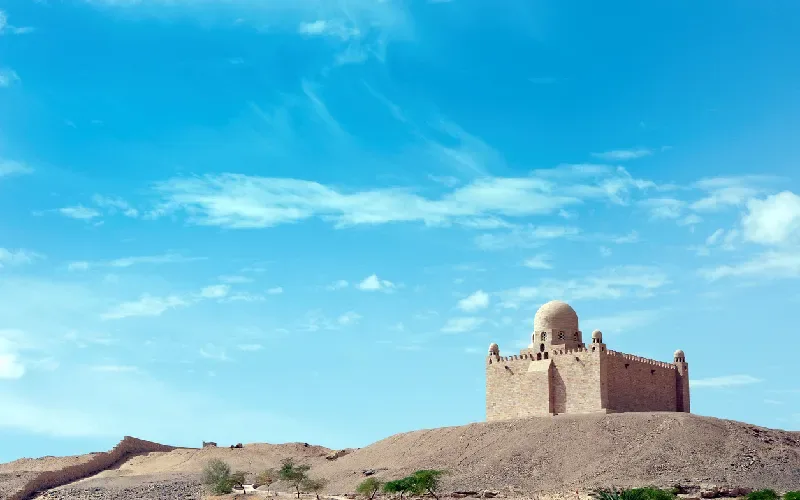
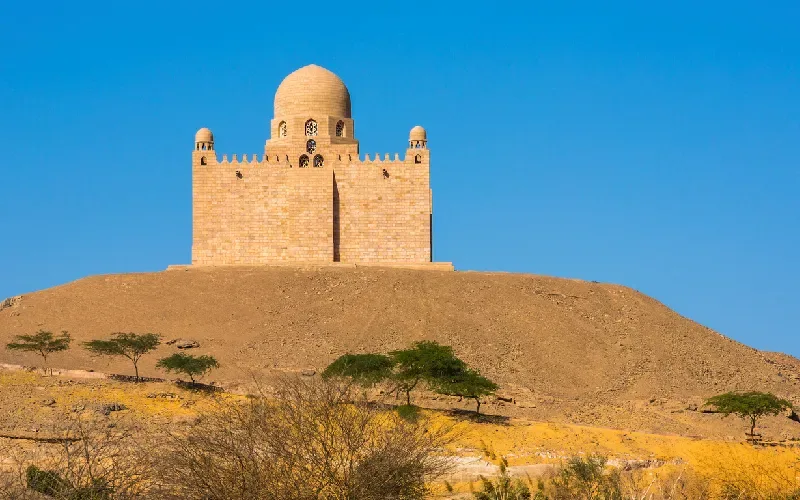
A touching tradition lives on at the Agha Khan Mausoleum, one of Aswan's most precious historical sites. Someone places a single red rose on the tomb each day - a practice that Begum Om Habibeh Aga Khan started. The elegant structure sits high on a hill beside the Nile's west bank and houses the remains of Aga Khan III (Sir Sultan Muhammed Shah), who passed away in 1957.
The mausoleum's construction started in 1956 and workers completed it in 1960. Aga Khan III's body first rested in Switzerland, but his final burial took place in this majestic structure on February 20, 1959. More than 2,000 guests attended the ceremony, including his successor Aga Khan IV and his widow. The building offers views of Prince Sadruddin Aga Khan's House, which the family used as their winter home. Visitors rate this architectural masterpiece 3.9 out of 5, ranking it #15 among 51 Aswan attractions. Many travelers who visit Egypt's famous landmarks still haven't found this hidden gem.
The Agha Khan Mausoleum sits high on a hill beside the Nile's west bank in Aswan, Egypt. This elegant structure offers stunning views of the Nile and is located near Prince Sadruddin Aga Khan's House, which the family used as their winter home.
Construction of the mausoleum started in 1956 and workers completed it in 1960. Aga Khan III's final burial took place in this majestic structure on February 20, 1959, with more than 2,000 guests attending the ceremony, including his successor Aga Khan IV and his widow.
Sir Sultan Muhammad Shah, Aga Khan III, was born in Karachi in 1877. The 48th Imam of the Nizari Ismaili Muslims led his community for 72 remarkable years. He became a prominent global figure and served as the president of the All-India Muslim League. His influence grew further as he became President of the League of Nations in 1937.
The sort of thing I love about his story is his connection to Aswan, which started in 1954. He came to the city to seek treatment for rheumatism and bone inflammation. His doctor suggested an unusual therapy - he went through a treatment that involved lying buried in Aswan's hot sands for three hours daily over a week. This treatment worked so well that he decided to make the Egyptian city his winter home.
Aga Khan's love for Egypt began during his first visit in 1935. "Egypt is the flag of Islam," he once said. He wrote in his memoirs: "Those who have not been lucky enough to fall under Egypt's spell will find it difficult to realize the sheer magic of the first sight of Egypt".
His connection to Aswan deepened when he bought a villa named Noor al Salaam. Egyptian President Gamal Abdel Nasser gave him a plot of land that would later become the site of his mausoleum. His wife Om Habibeh shared their experience: "We used to come for one or two months and stay at the Cataract Hotel and have lovely promenades on the Nile".
The mausoleum houses the remains of Aga Khan III (Sir Sultan Muhammed Shah), the 48th Imam of the Nizari Ismaili Muslims, who passed away in 1957. His body initially rested in Switzerland before being transferred to Aswan for final burial.
Sir Sultan Muhammad Shah, Aga Khan III, was born in Karachi in 1877. He served as the 48th Imam of the Nizari Ismaili Muslims for 72 remarkable years, was president of the All-India Muslim League, and became President of the League of Nations in 1937.
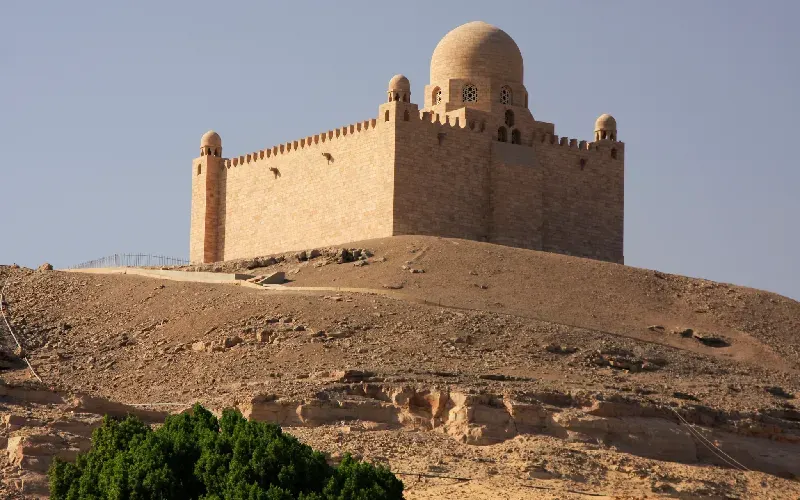
The Agha Khan Mausoleum stands proudly on the Nile's western bank, and its unique architectural beauty fascinates everyone who visits. The structure blends pink granite with calcareous sandstone to mirror the Fatimid tombs of Cairo. Its flower-like design seems to bloom right next to the Nile. A white Carrara marble tomb rests inside, creating a beautiful contrast against the pink exterior.
The mausoleum's magic lies in its amazing views. A stepped path leads visitors to the hilltop where they can see stunning views of Aswan and the snaking Nile below. This spot offers one of southern Egypt's most peaceful views.
The site tells a touching love story too. The Aga Khan's widow placed a fresh red rose on his tomb every day until she died in 2000. People still honor her wish by continuing this beautiful tradition today.
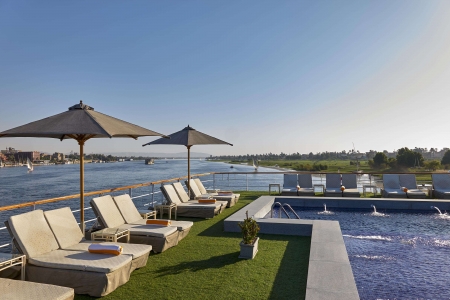
The mausoleum has grown into a cherished pilgrimage site for Ismaili followers from around the world. Nile cruise boats slow down so their passengers can take pictures of this beautiful building. Yet it stays away from the busy tourist spots.
Beautiful gardens surround this peaceful sanctuary. The mausoleum remains one of Aswan's hidden treasures where visitors can find moments of quiet reflection.
Aga Khan III came to Aswan in 1954 seeking treatment for rheumatism and bone inflammation. His doctor suggested an unusual therapy involving lying buried in Aswan's hot sands for three hours daily over a week. The treatment worked so well that he decided to make the Egyptian city his winter home.
Get in touch with our local experts for an unforgettable journey.
Plan Your Trip
Visitors to the Agha Khan Mausoleum start their trip from the hill's bottom, looking up at the impressive structure above them. The hillside has about 120 carved steps, and each step reveals more stunning views as you climb higher. The Egyptian heat makes the climb challenging, but the panoramic views make it worth the effort.
A peaceful silence greets visitors at the mausoleum's entrance. This quiet creates a stark contrast with the busy city below. The interior's simple elegance shines through its design. A white Carrara marble tomb stands in the center, usually decorated with a single red rose.
The site welcomes visitors from 8 AM to 5 PM, though times can change with seasons. Most people spend 30-45 minutes at the site to take in both its architecture and views.
The mausoleum is a photographer's dream, especially during early morning or late afternoon. The sunlight creates a warm glow on the pink granite walls. The building's position against the Nile's backdrop offers perfect photo opportunities.
The site leaves visitors with a deep sense of peace. Its mix of history, architectural beauty, and natural setting creates more than just a tourist stop. People often find themselves lost in genuine reflection and appreciation of this special place.
The Agha Khan Mausoleum stands as an extraordinary treasure in Aswan. Most travelers miss it while rushing to Egypt's famous attractions.
This elegant structure means so much more than just a tomb. Built in pink granite and styled after Fatimid tombs, the building shows the deep bond between Aga Khan III and Egypt. He found healing and peace in Aswan during his final years.
Those 120 steps might look daunting, but the climb rewards you generously. The stunning Nile views and surrounding landscape create a viewpoint unmatched anywhere else in southern Egypt. The mausoleum's peaceful atmosphere gives visitors a break from Egypt's busy tourist spots.
A beautiful love story makes this hidden gem even more special. Someone places a single red rose on the white Carrara marble tomb each day.
This touching tradition continues decades after Aga Khan III and his devoted widow passed away. Both pilgrims and tourists come to witness this moving gesture at this sacred place.
Travelers heading to Aswan should add this remarkable site to their plans. The mausoleum sits away from regular tourist routes but offers a rare mix of history, architecture, romance, and natural beauty. Few places can match this combination. The Agha Khan Mausoleum shows why stepping away from prominent attractions helps you find hidden stories and unexpected treasures that make a trip unforgettable.
A touching tradition continues at the mausoleum where someone places a single red rose on the tomb each day. Begum Om Habibeh Aga Khan (his widow) started this practice and continued it until her death in 2000. People still honor her wish by continuing this beautiful tradition today.
The structure blends pink granite with calcareous sandstone to mirror the Fatimid tombs of Cairo. Its flower-like design seems to bloom right next to the Nile. Inside, a white Carrara marble tomb creates a beautiful contrast against the pink exterior.
Visitors start their journey from the hill's bottom and climb approximately 120 carved steps to reach the mausoleum. Each step reveals more stunning views as you climb higher. The Egyptian heat makes the climb challenging, but the panoramic views make it worth the effort.
The mausoleum welcomes visitors from 8 AM to 5 PM, though times can change with seasons. Most people spend 30-45 minutes at the site to take in both its architecture and views.
Visitors rate this architectural masterpiece 3.9 out of 5, ranking it #15 among 51 Aswan attractions. Despite its beauty, many travelers visiting Egypt's famous landmarks still haven't discovered this hidden gem.