Great Sand Sea

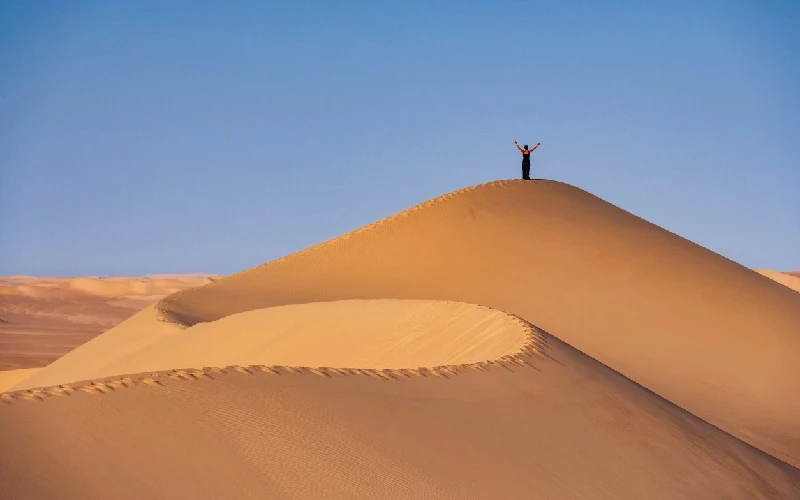
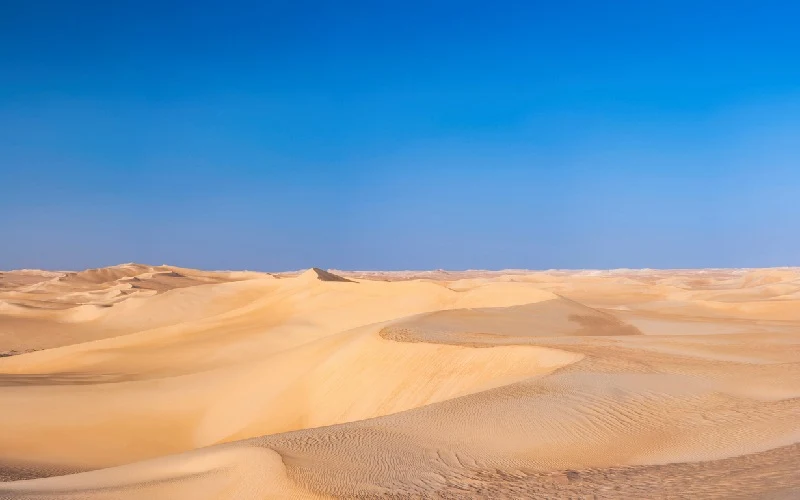
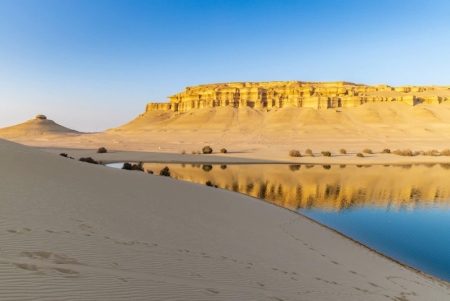
The Great Sand Sea showcases one of Earth's most breathtaking desert landscapes in North Africa. This natural wonder extends about 650 km from north to south and 300 km from east to west. The sea of sand covers nearly 72,000 square kilometers between western Egypt and eastern Libya. Massive dunes rise up to 140 meters high, creating a landscape that looks like an ocean frozen in time.
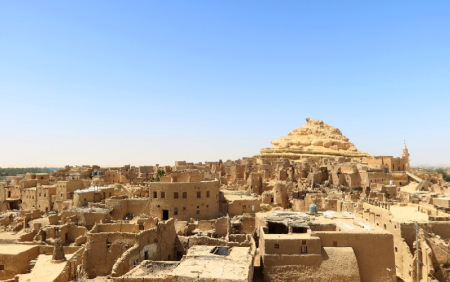
This remarkable desert feature covers about 10% of Egypt's Western Desert. The area stands out as one of Earth's most concentrated dune fields, with sand formations dominating over 70% of its expanse. The desert wraps around Siwa Oasis, which serves as Egypt's most enchanting destinations. Located about 750 kilometers from Cairo, Siwa is the main gateway for desert explorers. This golden wilderness has evolved from an ancient caravan route for exotic goods to a modern adventure destination. Today, it gives visitors a chance to experience the raw beauty of the Sahara.
The Great Sand Sea covers nearly 72,000 square kilometers between western Egypt and eastern Libya. This natural wonder extends about 650 km from north to south and 300 km from east to west, covering about 10% of Egypt's Western Desert.
The Great Sand Sea spans approximately 72,000 square kilometers, though some estimates suggest it could reach up to 114,000 square kilometers. It ranks as Earth's second-largest sand-covered area and one of the planet's most concentrated dune fields.
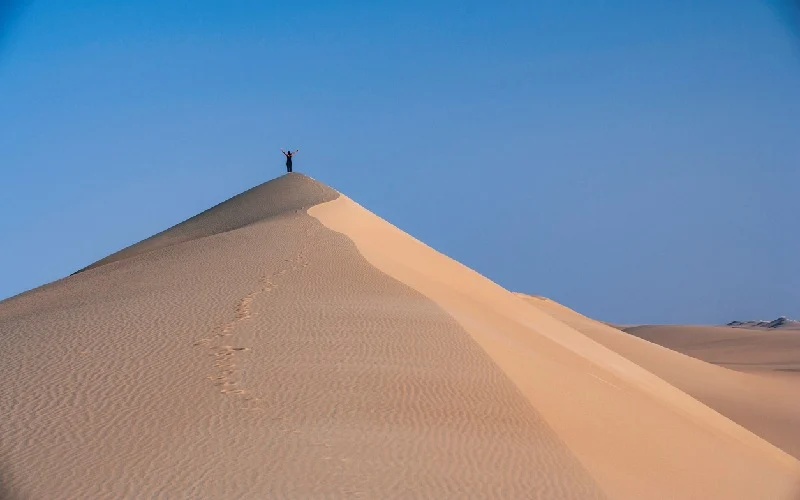
Massive sand dunes in the Great Sand Sea tower up to 140 meters high, creating an otherworldly landscape. These dunes maintain a fascinating regular spacing of 1.5 to 2.5 kilometers between each ridge.
The Great Sand Sea stands out as a remarkable natural wonder with its massive size and unique geography. This vast sand-covered area ranks second largest on Earth, spanning about 72,000 square kilometers. Some estimates suggest it could reach up to 114,000 square kilometers.
The desert's distinctive dune formations set it apart from others. Massive sand dunes tower up to 140 meters high and create an otherworldly landscape. These dunes maintain a fascinating regular spacing of 1.5 to 2.5 kilometers between each ridge. This spacing suggests nature's perfect balance between wind strength and available sand.
Strong winds from the north have sculpted the sand into longitudinal seif dunes that extend for hundreds of kilometers. These parallel ridges align north to south, which makes travel along these directions easier. However, crossing east to west requires navigating challenging dune formations.
The Great Sand Sea's extreme aridity makes it one of Earth's driest environments, with annual rainfall below 5mm. This bone-dry climate preserves ancient dune structures next to newer formations. The result is a natural museum that showcases the desert's rise over time.
Viewed from above, this golden expanse looks like an ocean frozen in waves - a breathtaking sight where only wind exists and sand moves endlessly.
Strong winds from the north have sculpted the sand into longitudinal seif dunes that extend for hundreds of kilometers. These parallel ridges align north to south, making travel easier along these directions while crossing east to west requires navigating challenging dune formations.
The Great Sand Sea's extreme aridity makes it one of Earth's driest environments, with annual rainfall below 5mm. This bone-dry climate preserves ancient dune structures alongside newer formations, creating a natural museum showcasing the desert's evolution over time.
The great sand sea holds remarkable stories of human achievement and timeless legends. Ancient trade routes crossed this challenging terrain since predynastic times. Oases dotted along these routes became vital "supply and re-fuelling stations" for caravans loaded with gold, ivory, and spices.
The sort of thing I love is the legend of Zarzura, a mysterious oasis said to hide ancient civilization's treasures. Explorers found three lush valleys with ancient cave paintings in 1927, and many believed they had finally located the legendary Zarzura.
Cambyses II's army presents one of the desert's most intriguing mysteries. Herodotus tells us the Persian ruler sent 50,000 soldiers to attack the Oracle of Amun at Siwa around 525 BCE. The whole ordeal ended when a massive sandstorm buried his forces, and they seemed to "wholly disappear".
The Oracle of Amun gained more fame when Alexander the Great made his trip there in 331 BCE. The priests' declaration of Alexander as "son of Amun" helped legitimize his rule over Egypt.
Ralph Bagnold's expeditions (1929-1932) marked the beginning of modern desert exploration. He created clever techniques to cross the seemingly impossible dunes. His methods included lower tire pressure and improved sun-compasses that worked without magnetic interference.
Adventurers still come to the great sand sea egypt today, especially near great sand sea siwa, drawn by these rich historical connections.
Zarzura is a mysterious oasis said to hide ancient civilization's treasures. In 1927, explorers found three lush valleys with ancient cave paintings, and many believed they had finally located the legendary Zarzura hidden within the Great Sand Sea.
According to Herodotus, Persian ruler Cambyses II sent 50,000 soldiers to attack the Oracle of Amun at Siwa around 525 BCE. A massive sandstorm buried the entire force, causing them to "wholly disappear"—one of the desert's most intriguing unsolved mysteries.
Ralph Bagnold led pioneering expeditions through the Great Sand Sea from 1929-1932, marking the beginning of modern desert exploration. He created clever techniques to cross the seemingly impossible dunes, including lower tire pressure and improved sun-compasses that worked without magnetic interference.
Get in touch with our local experts for an unforgettable journey.
Plan Your Trip
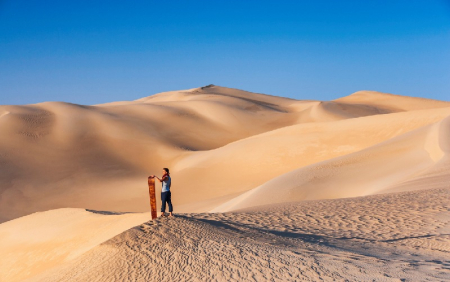
The Great Sand Sea beckons adventure seekers with a perfect blend of excitement and peace. Golden dunes create ideal conditions to try sandboarding. Visitors can grab rental boards and zoom down steep sandy slopes. The thrill matches skiing, but sand replaces snow as your playground.
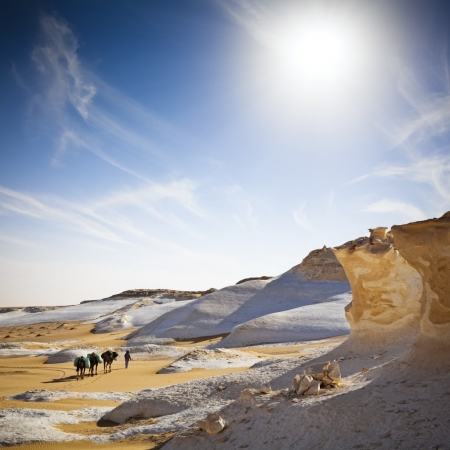
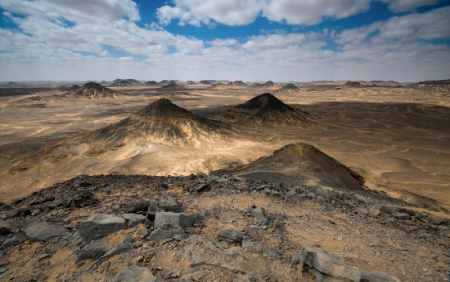
The most popular way to explore this vast expanse is through 4x4 desert safaris. Expert guides lead these adventures deep into the dunes. The journey includes stops at stunning locations like the White Desert, Black Desert, and Crystal Mountain. Nature's artistic touch becomes evident in unique rock formations that wind has sculpted through millions of years.
The desert's magic truly comes alive at night. A pristine sky untouched by city lights makes this spot a stargazer's dream. Many travelers say drifting off to sleep under thousands of twinkling stars creates moments they'll never forget.
The Great Sand Sea is a photographer's paradise. Dawn and dusk paint the dunes with dramatic shadows and golden light. Lucky wildlife watchers might spot rare creatures like Rhim gazelle, Dorcas gazelle, and several fox species that call this desert home.
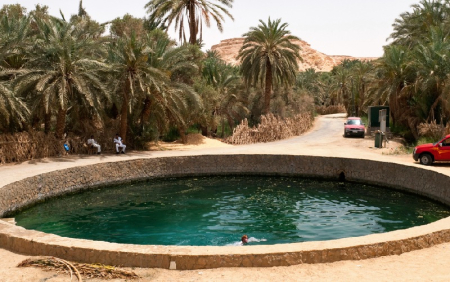
The area near Siwa adds another dimension to desert exploration. Travelers can alternate between Bir Wahed's hot springs and Shiata's refreshing cold lakes. These natural pools provide the perfect way to unwind after desert adventures, all while surrounded by stunning views.
Sandboarding allows visitors to grab rental boards and zoom down steep sandy slopes up to 140 meters high. The thrill matches skiing, but sand replaces snow as your playground on the golden dunes.
Near Siwa, travelers can visit Bir Wahed's hot springs and Shiata's refreshing cold lakes. These natural pools provide the perfect way to unwind after desert adventures while surrounded by stunning desert views.
The Great Sand Sea ranks among the world's most amazing natural wonders. This big ocean of golden dunes spreads across western Egypt and eastern Libya. Its massive sand formations rise up to 140 meters high and create a landscape that looks like nothing else on Earth.
These challenging sands tell stories of ancient trade caravans, lost armies, and legendary explorers who looked for mythical places like Zarzura. Alexander the Great walked these same dunes to visit the Oracle of Amun. Each dune holds centuries of stories that modern adventurers can now uncover.
Modern visitors can try many activities in this sandy wilderness. Adventure seekers love to sandboard down the towering dunes. The 4x4 safaris take travelers deep into this golden sea where they can see hidden treasures and stunning views. The crystal-clear desert sky makes camping here an unforgettable experience that connects you with nature.
The sand sea near Siwa Oasis works perfectly as a starting point for exploration. Visitors get both the excitement of desert adventures and relaxing natural springs. This mix makes it great for all types of travelers - from thrill-seekers to those who want peaceful moments in beautiful surroundings.
The Great Sand Sea means more than just a desert. It's a living museum of geological wonders, historical mysteries, and natural beauty.
People who want something different from typical tourist spots will see this magnificent landscape as proof of nature's artistry and Egypt's timeless desert magic.
The Great Sand Sea is located about 750 kilometers from Cairo. Siwa Oasis serves as the main gateway for desert explorers seeking to experience this golden wilderness.
Alexander the Great traveled through the Great Sand Sea in 331 BCE to visit the Oracle of Amun at Siwa. The priests' declaration of Alexander as "son of Amun" helped legitimize his rule over Egypt.
Activities include sandboarding down steep sandy slopes, 4x4 desert safaris to White Desert, Black Desert, and Crystal Mountain, stargazing under pristine dark skies, photography during dramatic sunrise/sunset, and wildlife watching for rare species like Rhim gazelle and Dorcas gazelle.
The Great Sand Sea is home to rare creatures including Rhim gazelle, Dorcas gazelle, and several fox species adapted to the extreme desert conditions. Lucky wildlife watchers might spot these elusive animals during desert safaris.
Ancient trade routes crossed this challenging terrain since predynastic times, with oases serving as vital "supply and re-fuelling stations" for caravans loaded with gold, ivory, and spices. The area contains centuries of exploration history, from ancient caravans to modern adventurers.
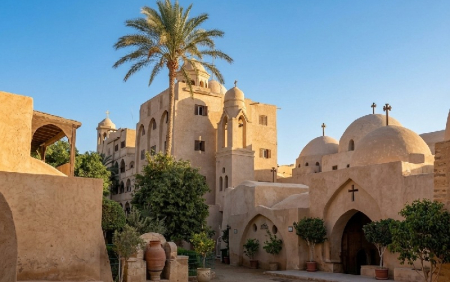
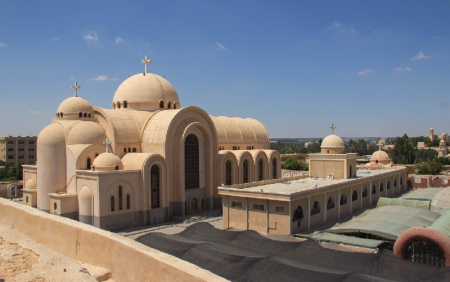
Monastery of Syrians in Wadi Natrun, founded 984 AD, houses oldest Syriac manuscript (411 AD) & Church of Virgin Mary (645 AD) with frescoes.
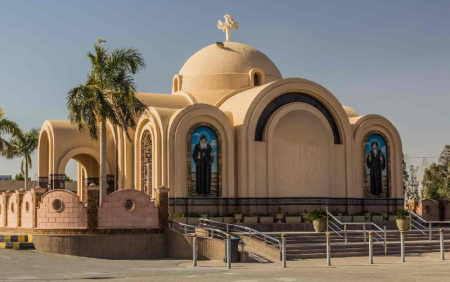
Wadi El Natrun is Egypt's sacred valley located 100km from Cairo, 23 meters below sea level. Features 4 ancient Coptic monasteries from 330 AD with Saint Pishoy's incorrupt body.
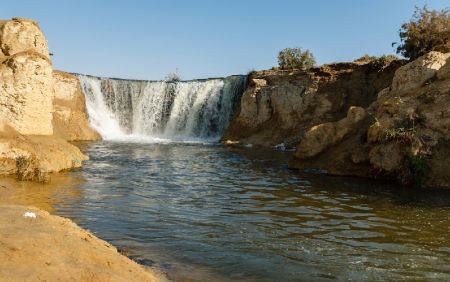
Wadi El Rayan is Egypt's premier desert sanctuary spanning 1,759 km² with two crystalline lakes, cascading waterfalls and 13 permanent bird species plus 26 migratory species.
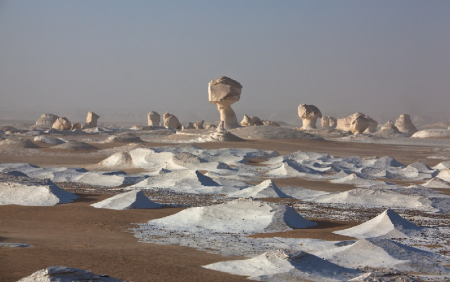
White Desert Egypt spans 300 km² of chalk formations 45km from Farafra with Crystal Mountain, Black Desert & Valley of Agabat. Rated 5.0/5.
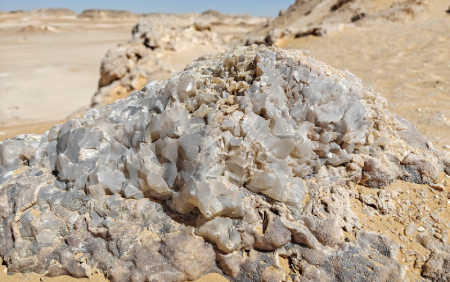
Discover Crystal Mountain Egypt—stunning barite & calcite arch between Bahariya & Farafra. Features hidden crystal caves, Bedouin secrets & sunrise views.
Mountain of the Dead in Siwa contains 3,000 tombs including Si-Amun, Mesu-Isis, Niperbathot & Crocodile with vivid wall paintings. 1km from town.
Great Sand Sea extends 650km with seif dunes up to 140m high between Egypt-Libya. Covers 10% of Egypt's Western Desert, gateway Siwa Oasis.
Black Desert, rated 4.5/5, features 100m basalt formations from ancient volcanic activity. Includes Agabat Valley, Crystal Mountain & desert fox.
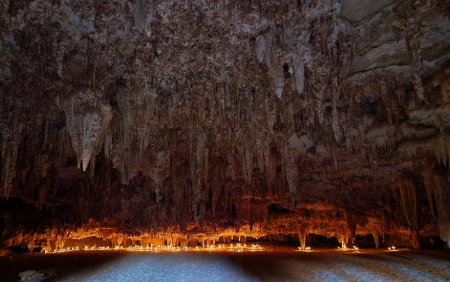
Djara Cave stretches 1,000m with 188+ murals from 10,200 BC, "frozen waterfall" stalactites, Cathedral chamber & Neolithic gazelle rock art.
Cleopatra Bath in Siwa is a bubbling spring 752km from Cairo where Queen allegedly bathed. Mineral-rich healing waters, temperature-regulated.
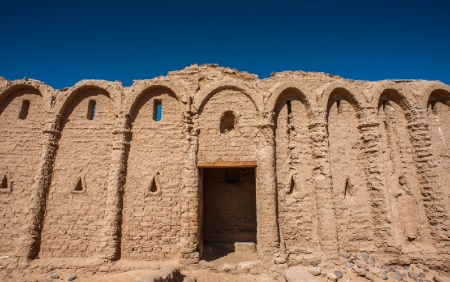
El Bagawat is the world's oldest Christian cemetery with 263 chapels from 3rd-7th century. Features Chapel of Exodus & Peace with biblical art.
Qarun lake is considered the oldest natural lakes in the world, the third largest lake in Egypt and the rest of lake Old Maurice. Know more!
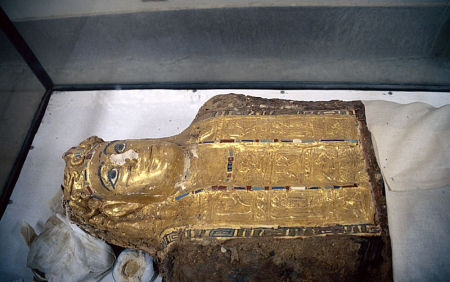
Valley of the Golden Mummies located in Bahariya Oasis, about 380 km west of the pyramids, It was built during the Greco - Roman period exhibits a variety of styles and a range of social status.
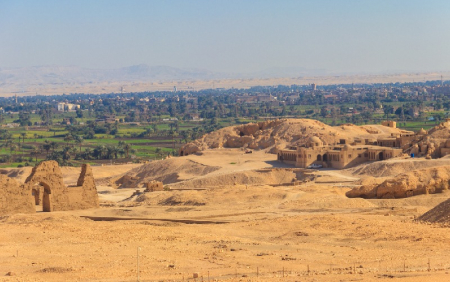
Find out what makes Deir el Bahari unique! Explore Hatshepsut's terraced temple, ancient Luxor monuments & Egyptian architectural genius. Learn more!
Learn the story of the Monastery of Saint Bishoy in Egypt: Saint Bishoy's incorrupt body, 5 churches & Coptic Orthodox history. Read the complete guide!
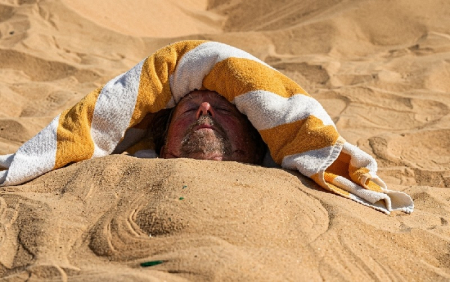
Siwa sand bathing: centuries-old Bedouin treatment using mineral-rich sand (40-50°C) for arthritis, chronic pain & stress. 7-10 daily sessions.
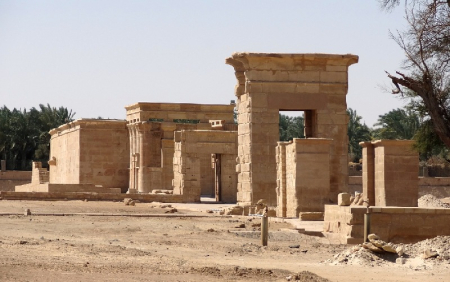
Uncover Temple of Hibis in Egypt's western desert. Explore the best-preserved Persian temple, Darius I's contributions & Amun-Ra shrine. Learn today!