Babylon Fortress in Cairo

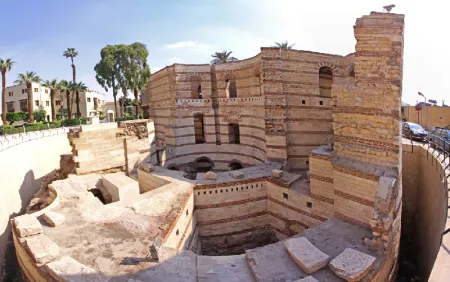
Babylon Fortress ranks among Egypt's most remarkable ancient Roman structures from approximately 300 AD. The historical stronghold sits on the Nile Delta's eastern bank in today's Old Cairo or Coptic Cairo. Emperor Diocletian built it to protect the entrance of an ancient canal that connected the Nile with the Red Sea.
Babylon Fortress played a crucial role in Egypt's history. The fortress marked the boundary between Lower and Middle Egypt and served as a toll collection point for river vessels traveling the Nile. The fortress's impressive towers reach 10 meters high with a 31-meter diameter, while its walls measure approximately 3 meters thick. These features are evidence of Roman engineering excellence. The fortress's origins trace back to the 1st century AD, though most of the structure visible today comes from extensive construction in the early 4th century. In this piece, visitors will find details about the site's attractions, visiting information, and the fortress's most important historical significance in Egypt.
Babylon Fortress sits on the Nile Delta's eastern bank in today's Old Cairo or Coptic Cairo. The fortress is easily accessible via Cairo Metro Line 1 at Mar Girgis station, which is about 12 minutes from central Cairo.
Babylon Fortress was built approximately 300 AD, though its origins trace back to the 1st century AD. Most of the structure visible today comes from extensive construction in the early 4th century under Emperor Diocletian.
Emperor Diocletian built Babylon Fortress to protect the entrance of an ancient canal that connected the Nile with the Red Sea. Roman Emperor Trajan commissioned the actual fortress in 107 BC, constructing "a fortress with a powerful and impregnable citadel, having an abundant supply of water."
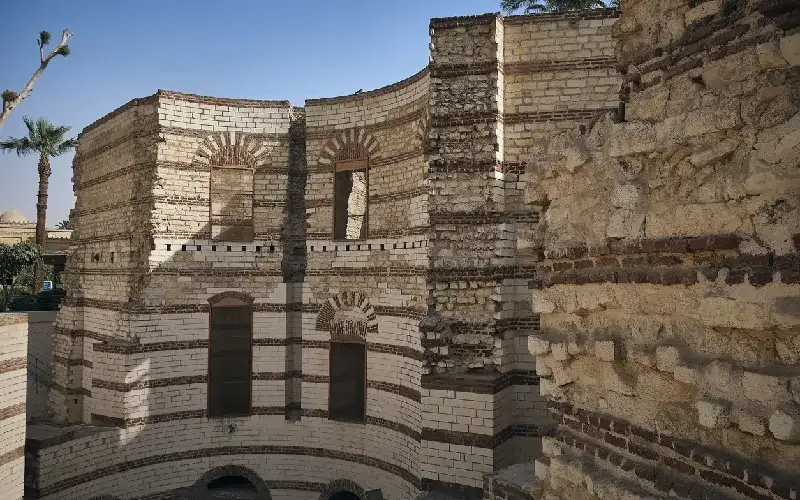
The ancient Roman engineering still amazes visitors who come to learn about Babylon Fortress. Its remarkable round towers soar 10 meters high with 31-meter diameters. The fortress's walls stretch 3 meters thick and showcase classic Roman building patterns. These patterns alternate between five limestone blocks and three red brick blocks.
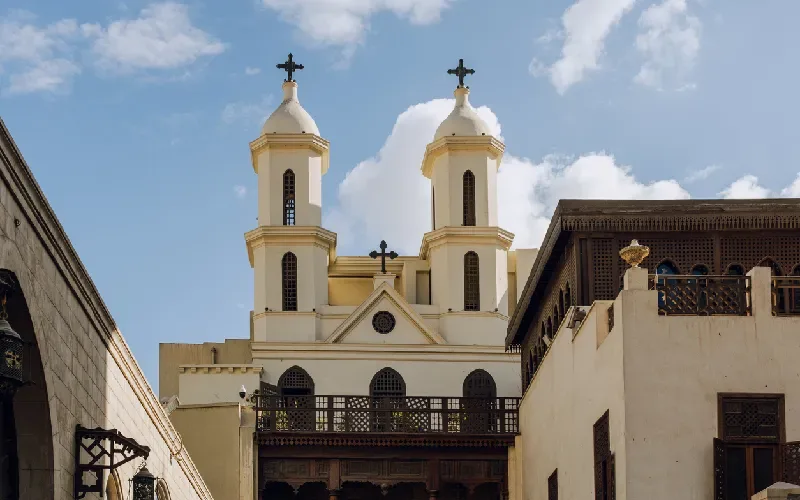
The fortress grounds house several religious landmarks that tell fascinating stories. The Hanging Church got its name because it sits above the fortress's south gate. On top of that, the circular Church of St. George proudly stands on the northern tower foundations. A fire led to its rebuilding in 1909.
St. Barbara Church, the Church of St. Sergius and Bacchus (Abu Serga), and the Ben Ezra Jewish Synagogue add to this sacred space. These structures blend together and create a remarkable multi-faith historical site.
The 113-year old Coptic Museum holds an amazing collection of 16,000 Coptic artifacts. This museum stands as the world's largest of its kind. Precious manuscripts, stonework, textiles, woodwork, and metalwork showcase Egypt's rich Christian heritage.
Centuries of urban growth have buried the original fortress floor about 6 meters below today's street level. Visitors can take a fascinating journey through time as they descend into this historical treasure.
The Hanging Church got its name because it sits above the fortress's south gate. This remarkable structure is one of several religious landmarks housed within the fortress grounds, representing the site's rich Christian heritage.
The fortress grounds house several religious landmarks including the circular Church of St. George (rebuilt in 1909 after a fire) on the northern tower foundations, St. Barbara Church, and the Church of St. Sergius and Bacchus (Abu Serga). These structures create a remarkable multi-faith historical site.
Babylon Fortress welcomes visitors best between October and April at the time temperatures stay cooler yet pleasant. Daytime temperatures reach the high 60s Fahrenheit during winter months (December-February), though this brings peak tourist crowds.
You'll find the fortress open daily from 9 AM to 4 PM, but some sources suggest it closes on Mondays. This historical attraction in Cairo doesn't charge an entrance fee, making it available to everyone.
Getting to the site is easy. Cairo Metro Line 1 takes you to Mar Girgis station, which sits close to the fortress. The experience from central Cairo takes about 12 minutes. Taxis or Uber services provide another option, with fares ranging between 20-30 EGP.
You need 2-3 hours to really explore the fortress and its surrounding religious sites. Note that modest dress is important since many areas within the complex serve as active worship places. The uneven pathways make comfortable shoes necessary.
Old Cairo's area offers various food choices. You can try traditional Egyptian snacks from street vendors or enjoy local and international dishes at nearby restaurants. Summer temperatures can hit above 90°F, so carry water and sun protection if you visit during warmer months.
Get in touch with our local experts for an unforgettable journey.
Plan Your Trip
Babylon Fortress's importance reaches way beyond the reach and influence of its impressive architecture. The site started as a harbor entrance, not a military installation.
The Ptolemies created it for a canal that connected the Red Sea to the Nile between 246 and 46 BC.
Roman Emperor Trajan commissioned the actual fortress in 107 BC. Historians recorded that Trajan "built a fortress with a powerful and impregnable citadel, having an abundant supply of water".
The fortress's strategic value came from its control of vital trade routes and river traffic. By the time of the Arab conquest in 640 AD, it had grown substantially with forty-foot outer walls and a moat.
Babylon Fortress earned recognition as a "refuge of Coptic Christians, who were persecuted by the Roman Christians in Alexandria". Yes, it is the fortress became Egypt's center of Christian faith and housed many churches within its walls.
The fortress played a crucial role in Egypt's political changes. Arab forces under 'Amr ibn al-'As captured it in 641 AD after a seven-month siege.
The city of Fustat emerged beside it, and Babylon, not Alexandria, became Islamic Egypt's capital.
Babylon Fortress saw civilizations rise and fall through time. The name itself carries an interesting irony - its Assyrian meaning translates to "House of Peace".
Babylon Fortress is evidence of Egypt's rich historical layers. This ancient Roman structure has witnessed civilizations rise and fall over centuries while guarding Egyptian heritage. The fortress walls still stand impressively after almost 2,000 years and tell stories of Roman engineering, Christian refuge, and Islamic conquest.
Modern visitors can experience this mixture of history up close. Roman military architecture stands among Coptic churches and a Jewish synagogue to create an extraordinary cultural blend unique to Cairo. The Coptic Museum tucks into this setting and showcases Egypt's Christian artistic traditions through its big collection of artifacts.
This site holds immense strategic value. The fortress started as a harbor gateway, became a military stronghold, and evolved into a religious sanctuary while staying relevant through time. This historical treasure gives modern travelers a chance to experience multiple chapters of Egyptian history in one place.
A visit to Babylon Fortress is easy to arrange. Free admission combines with a central location and great metro access to make this site a must-see while in Cairo. The visible remains still amaze visitors with their scale and craftsmanship, even though much of the original structure sits below street level.
The fortress means more than just ancient stones and mortar. This lasting monument shows how Egyptian culture stayed strong through centuries of change. Visitors gain deeper insights into Egypt's complex historical story as they admire the unique Roman brickwork, visit the Hanging Church, or reflect on how this place changed from a military post to a spiritual center.
The fortress's impressive towers reach 10 meters high with a 31-meter diameter, while its walls measure approximately 3 meters thick. These features demonstrate Roman engineering excellence with walls showcasing classic building patterns that alternate between five limestone blocks and three red brick blocks.
The fortress earned its name from Babylon, which carries an Assyrian meaning translating to "House of Peace." Despite the name, this is an Egyptian fortress in Cairo, not related to ancient Mesopotamian Babylon.
Yes, the Ben Ezra Jewish Synagogue is located within the fortress complex. Together with the Coptic churches, it creates an extraordinary blend of religious and cultural heritage unique to this historical site.
The 113-year-old Coptic Museum holds an amazing collection of 16,000 Coptic artifacts, making it the world's largest museum of its kind. The collection showcases precious manuscripts, stonework, textiles, woodwork, and metalwork representing Egypt's rich Christian heritage.
Babylon Fortress is open daily from 9 AM to 4 PM, though some sources suggest it closes on Mondays. The fortress doesn't charge an entrance fee, making this historical attraction accessible to everyone.
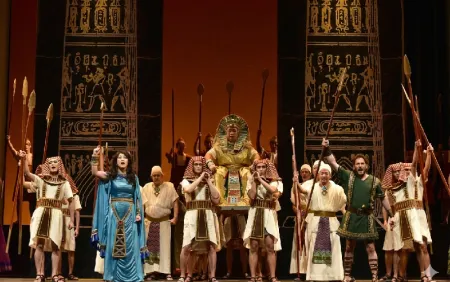
Opera Aida premiered in Cairo 1871, telling a timeless love story in ancient Egypt. Performed at Pyramids & temples, Verdi's masterpiece captivates audiences.
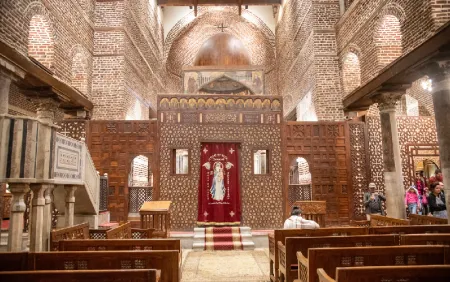
Saints Sergius and Bacchus Church were built to be dedicated to two Martyrs (Sergius and Bacchusand) traditionally believed to have been built on the spot where the Holy Family rested at the end of their journey into Egypt.
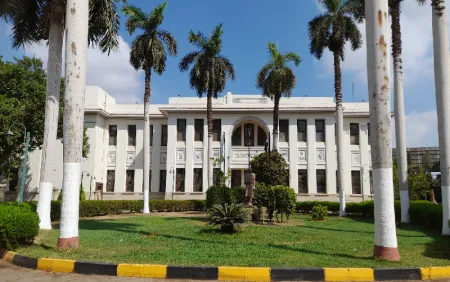
Cairo's Agricultural Museum, established 1938, features 7 halls showcasing 7,000 years of Egyptian farming history and ancient agricultural artifacts.
Fustat, founded 641 CE, was Egypt's first Islamic capital with 200,000 residents. This Silk Road trade hub beneath Old Cairo was deliberately destroyed in 1168.
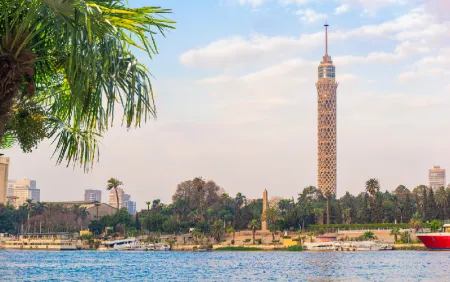
Cairo Tower's 187m lotus design offers 360° views & rotating restaurant. Discover hidden terrace & local secrets for Egypt's iconic landmark built 1956-1961.
Explore Birqash Camel Market in Cairo, where tradition and culture meet. Witness camel trading, local life, and a unique Egyptian market experience.
El Mosky is Cairo's authentic medieval marketplace from Ayyubid era. Serves locals with genuine prices, traditional crafts & spices. Metro accessible.
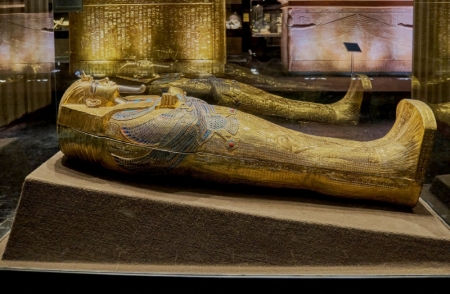
Learn about King Tutankhamun treasures and explore the secrets of his tomb, royal rituals, and preserved artifacts.
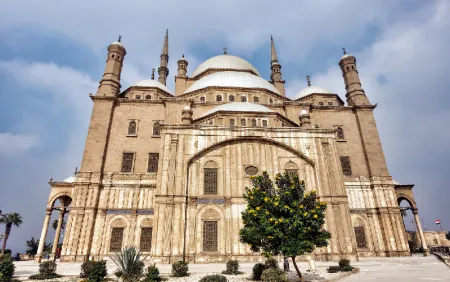
The Mohamed Ali Mosque is an Ottoman masterpiece built 1832-1857 inside Cairo Citadel. Called the Alabaster Mosque for its distinctive walls, it features a 52-meter central dome.
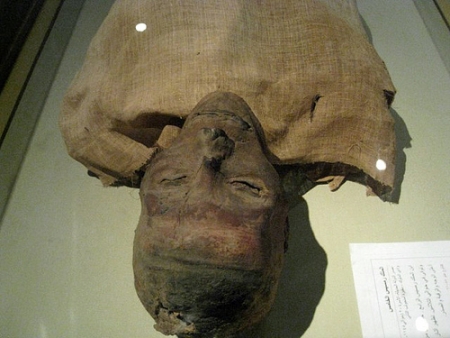
Egyptian mummies at Cairo's museums include 22 royal pharaohs moved in 2021 to NMEC. Features Tutankhamun, Hatshepsut, Seti I and 4,300-year-old preservation techniques.
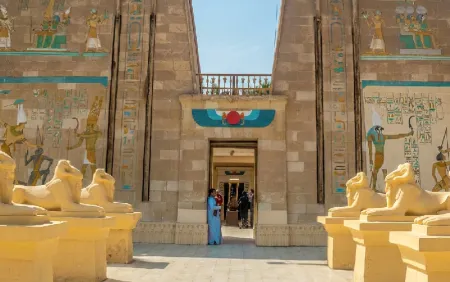
Pharaonic Village in Cairo, founded 1984, is a 30-acre living museum with 12 museums, King Tut's tomb replica & live ancient Egyptian demonstrations.
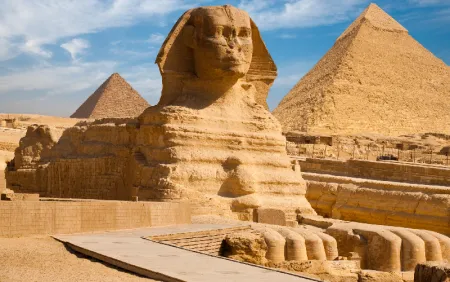
Great Sphinx of Giza, carved 2500 BCE, measures 73m long and 20m high. Contains three tunnels, hidden chambers & traces of red, blue & yellow paint.
Babylon Fortress in Old Cairo, built 300 AD by Diocletian, features 10m Roman towers, Coptic churches, Ben Ezra Synagogue & museum with 16,000 artifacts.
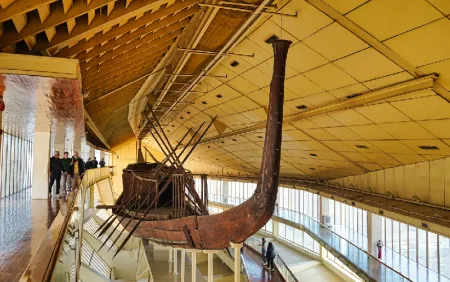
The Khufu Ship is a 4,600-year-old solar boat measuring 43.4 meters long. Built without nails using mortise-and-tenon joints, it's displayed at Grand Egyptian Museum.
Experience the Valley Temple of Khafre like never before. Explore its purpose, design, and must-see highlights—read the full guide now!