Beni Hassan Tombs
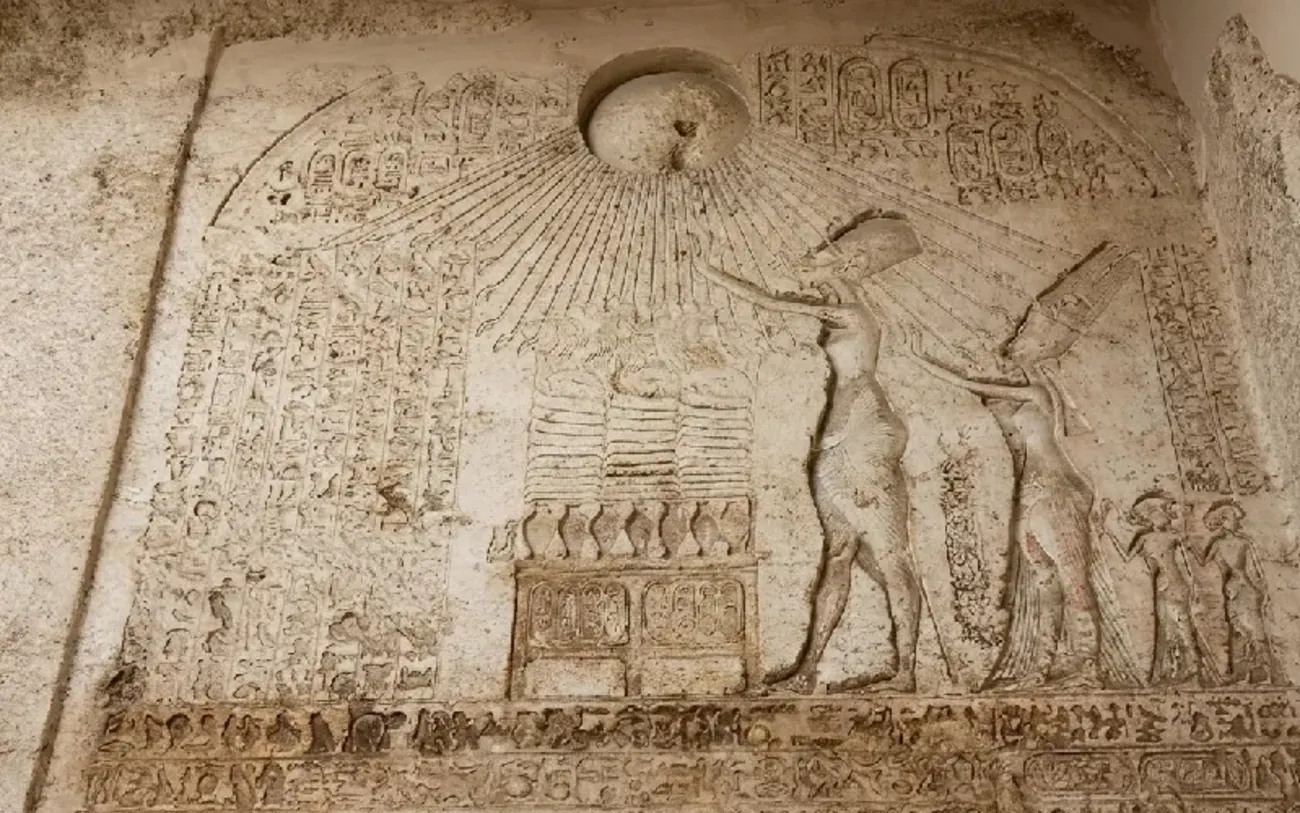
The Beni Hassan tombs stand as one of Egypt's most remarkable archeological sites. These 39 rock-cut tombs date back to the Middle Kingdom period (2055–1065 BC). Located in Middle Egypt, provincial governors of the Oryx nome from Hebenu made these ancient burial chambers their final resting place. The tombs showcase ancient Egyptian artistry and craftsmanship that has endured for millennia.
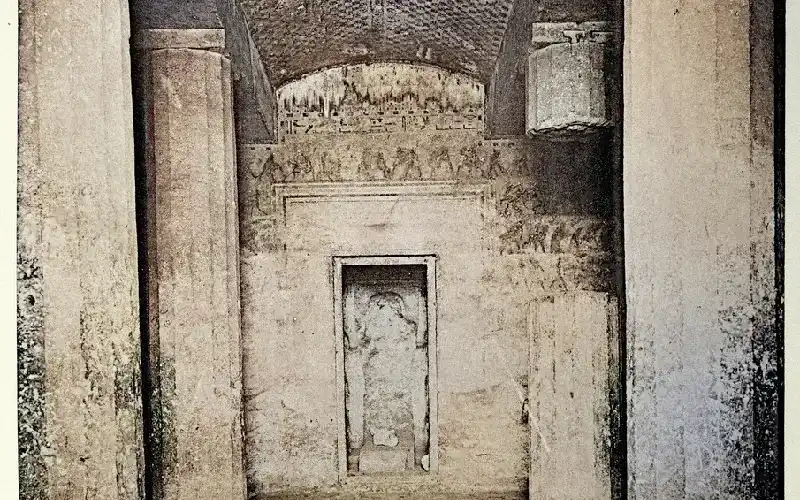
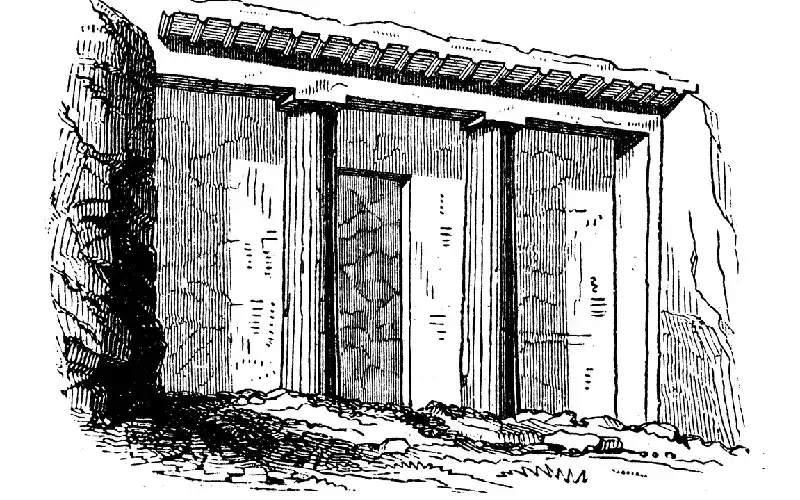
Beni Hassan features two distinct burial areas. The upper cemetery served as the exclusive domain of society's elite, who built impressive tombs to reflect their social and political power. The lower cemetery holds 888 shaft tombs from the Middle Kingdom period. These elite tombs followed a standard layout with an outer court and a rock-cut pillared room that connected to the burial chamber through a shaft.
The vibrant paintings and detailed inscriptions that adorn these tombs make them extraordinary. Scenes of daily life, military campaigns, and religious practices cover the walls and provide a fascinating glimpse into this ancient civilization. Some walls feature decorative kheker friezes at the top, while others display battle scenes, besieged fortresses, and an impressive collection of 220 wrestling pairs. This piece helps visitors understand what they need to know before they experience these ancient marvels in person.
The Beni Hassan tombs are located in Middle Egypt, approximately 20 kilometers south of Minya and 245 kilometers south of Cairo. These 39 rock-cut tombs rise from limestone cliffs about 20 meters above the valley floor.
The Beni Hassan tombs date back to the Middle Kingdom period (2055-1065 BC). Provincial governors of the Oryx nome from Hebenu created these ancient burial chambers as their final resting places, showcasing ancient Egyptian artistry that has endured for millennia.
The ancient tombs at Beni Hassan catch every visitor's eye as they rise from the limestone cliffs, about 20 meters above the valley floor. These age-old chambers provide a remarkable glimpse into ancient Egyptian provincial life.
Provincial governors left behind four of the best-preserved and available tombs: Amenemhat (Tomb 2), Khnumhotep II (Tomb 3), Baqet III (Tomb 15), and Khety (Tomb 17). Each tomb showcases its own architectural features and artistic styles that developed across different eras.
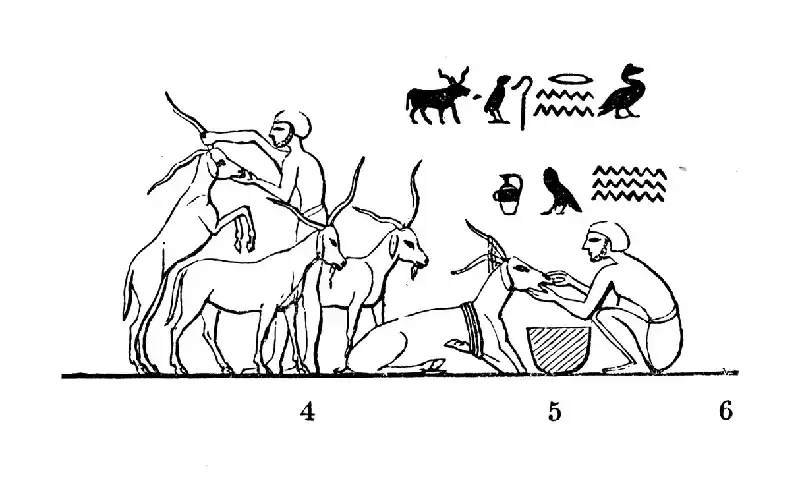
Vibrant wall paintings cover almost every surface inside these rock-cut chambers. These artistic treasures capture diverse scenes of life - from agricultural work to hunting expeditions, musical performances to wrestling matches. The details are stunning, from the figures' facial expressions to their clothing's intricate patterns.
The tombs' architecture stands out just as much as their artwork. Most feature entrance porticos, main chambers with carved columns, and deep shafts that lead to burial chambers below. The columns show an evolution from simple geometric designs to more complex lotus-bud and papyriform styles.
The sort of thing I love are the everyday scenes showing bakers at work with dough, farmers gathering crops, and shipbuilders at their craft. These vivid snapshots give us an exceptional view into the lives of ordinary Egyptians from 4,000 years ago.
Beni Hassan features 39 rock-cut tombs total. The site has two distinct burial areas: the upper cemetery served society's elite with impressive tombs, while the lower cemetery holds 888 shaft tombs from the Middle Kingdom period.
The wall paintings at Beni Hassan captivate viewers with their remarkable artistic techniques and rich symbolism. Artists used mineral pigments on plastered walls to create a limited but vivid palette of red, yellow, green, blue, white, and black. These colors bring life to scenes that have survived for nearly 4,000 years.
The murals document ancient Egyptian society through diverse themes. Agricultural activities, hunting expeditions, and religious rituals appear with rare depictions of wrestlers in training. Tomb 15 of Baqet III contains about 400 pairs of wrestlers who show various holds and techniques. This makes it the earliest known artistic representation of a systematic fighting method from around 2000 BCE.
Khnumhotep II's tomb (Tomb 3) features a famous caravan scene that depicts 37 Asiatics bringing stibium (black eye paint) to Egypt. The artists paid careful attention to ethnic features. They captured real differences in skin tone, clothing styles, and physical characteristics between Egyptians and foreigners.
The tombs' animal imagery serves two purposes - it documents natural life and conveys symbolic meaning. Hunting scenes with birds represent victory over chaos, while cats hold spiritual significance tied to the local goddess Pakhet. The artwork also includes mythological creatures like the falcon-headed canine from Egyptian mythology.
The vibrant wall paintings cover almost every surface, capturing diverse scenes of agricultural work, hunting expeditions, musical performances, and wrestling matches. Artists used mineral pigments (red, yellow, green, blue, white, black) on plastered walls, creating vivid scenes that have survived nearly 4,000 years.
Get in touch with our local experts for an unforgettable journey.
Plan Your Trip
The Beni Hassan tombs need some practical planning before your visit. These ancient marvels sit about 20km south of Minya and 245km south of Cairo, providing a less crowded alternative to Egypt's more famous sites.
The site currently allows access to all but one of these 39 tombs. Visitors can explore from 8:00 am until the last entry at 4:00 pm throughout the year, though closing time shifts to 3:00 pm during Ramadan. Foreign adults pay 200 EGP while students pay 100 EGP, with substantially reduced rates available for Egyptian citizens. Entry is free for children under six, Egyptians with special needs, and those over 60.
The best time to explore these tombs is between October and April. Summer temperatures can make climbing the cliff face quite challenging. You'll need sturdy, comfortable shoes because of the uneven terrain.
Getting there is straightforward with several options:
The site features a ticket office and a rest house where you can grab coffee. Your mobile phone camera works fine without extra fees, but the tombs' interiors are off-limits for photography. The climb makes carrying water essential, especially when you have warmer weather.
Visitors can explore from 8:00 AM until the last entry at 4:00 PM throughout the year, though closing time shifts to 3:00 PM during Ramadan. The site currently allows access to all but one of the 39 tombs.
The Beni Hassan tombs are extraordinary time capsules that showcase ancient Egyptian provincial life during the Middle Kingdom. These rock-cut chambers feature well-preserved wall paintings that give visitors a rare look into the daily activities, religious practices, and artistic achievements of a civilization from over 4,000 years ago.
Beni Hassan remains less crowded than other Egyptian archeological sites, which creates a more personal connection with history. The detailed wrestling scenes, farming activities, and the famous caravan of Asiatics tell stories no textbook can match. The architectural progress visible across these tombs shows how Egyptian craftsmanship grew through the centuries.
Ancient artists at Beni Hassan created masterpieces that deserve special recognition. They used a limited color palette to capture Egyptian life's essence through vibrant scenes that still fascinate modern visitors. These paintings hold symbolic elements that enrich the experience for those who explore their meaning.
These tombs deserve a spot in any complete Egyptian travel plan, even though they're less famous than the Valley of the Kings or Abu Simbel. Their location away from tourist hotspots makes them more appealing, and visitors can connect with Egypt's past without crowds.
Visitors should prepare for a climb up the cliff face, but the authentic archeological experience makes it worthwhile. Each tomb chamber acts like a page in an open history book that reveals another fascinating chapter of ancient Egyptian provincial life.
Beni Hassan tombs are more than just another tourist stop - they're a window into the past. Their walls tell rich stories about how people lived, worked, celebrated, and honored their dead thousands of years ago, making them true treasures of world heritage.
Four of the best-preserved and accessible tombs belonged to provincial governors: Amenemhat (Tomb 2), Khnumhotep II (Tomb 3), Baqet III (Tomb 15), and Khety (Tomb 17). Each tomb showcases unique architectural features and artistic styles from different eras.
Tomb 15 of Baqet III contains approximately 400 pairs of wrestlers showing various holds and techniques, making it the earliest known artistic representation of a systematic fighting method from around 2000 BCE. Some walls feature collections of 220 wrestling pairs.
Khnumhotep II's tomb (Tomb 3) features a famous caravan scene depicting 37 Asiatics bringing stibium (black eye paint) to Egypt. Artists carefully captured ethnic features, showing real differences in skin tone, clothing styles, and physical characteristics between Egyptians and foreigners.
Most tombs feature entrance porticos, main chambers with carved columns, and deep shafts leading to burial chambers below. The columns show evolution from simple geometric designs to more complex lotus-bud and papyriform styles, demonstrating architectural progress across centuries.
Foreign adults pay 200 EGP while students pay 100 EGP, with substantially reduced rates for Egyptian citizens. Entry is free for children under six, Egyptians with special needs, and those over 60 years old.
The best time to explore these tombs is between October and April. Summer temperatures can make climbing the cliff face quite challenging, so the cooler months provide more comfortable conditions for exploring.
Upper Egypt features world's largest collection of ancient buildings at Luxor and Karnak, plus Abu Simbel, Temple of Horus & Nubian villages along the Nile.
Beni Hassan, 20km south of Minya, features 39 Middle Kingdom tombs with 4,000-year-old wall paintings. Highlights include 400 wrestling pairs and caravan of Asiatics.
The Hathor Temple at Dendera is one of Egypt's best-preserved temples. Built starting 54 BCE, it features hidden crypts, exceptional acoustics and astronomical ceiling paintings.