Al Rifai Mosque: Hidden Royal Stories Behind Cairo's Majestic Monument
The Al Rifai Mosque stands as one of Cairo’s most impressive landmarks, blending history, architecture, and spiritual significance. Also known as "The Royal Mosque," it accommodates up to 10,000 worshipers within its 6,500 m² (70,000 sq ft) interior. Construction spanned 43 years, from 1869 to 1912, reflecting both the ambition of its royal patrons and the challenges of its time. The mosque is not only a place of worship but also a royal mausoleum for Egypt’s Muhammad Ali dynasty, housing the tombs of King Farouk, King Fuad, Khedive Ismail, and other royals, along with Iran’s last Shah.
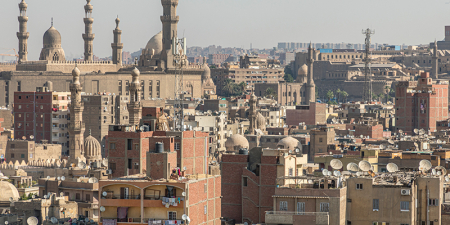
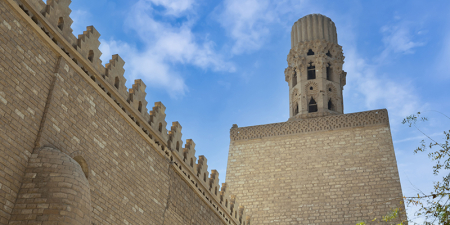
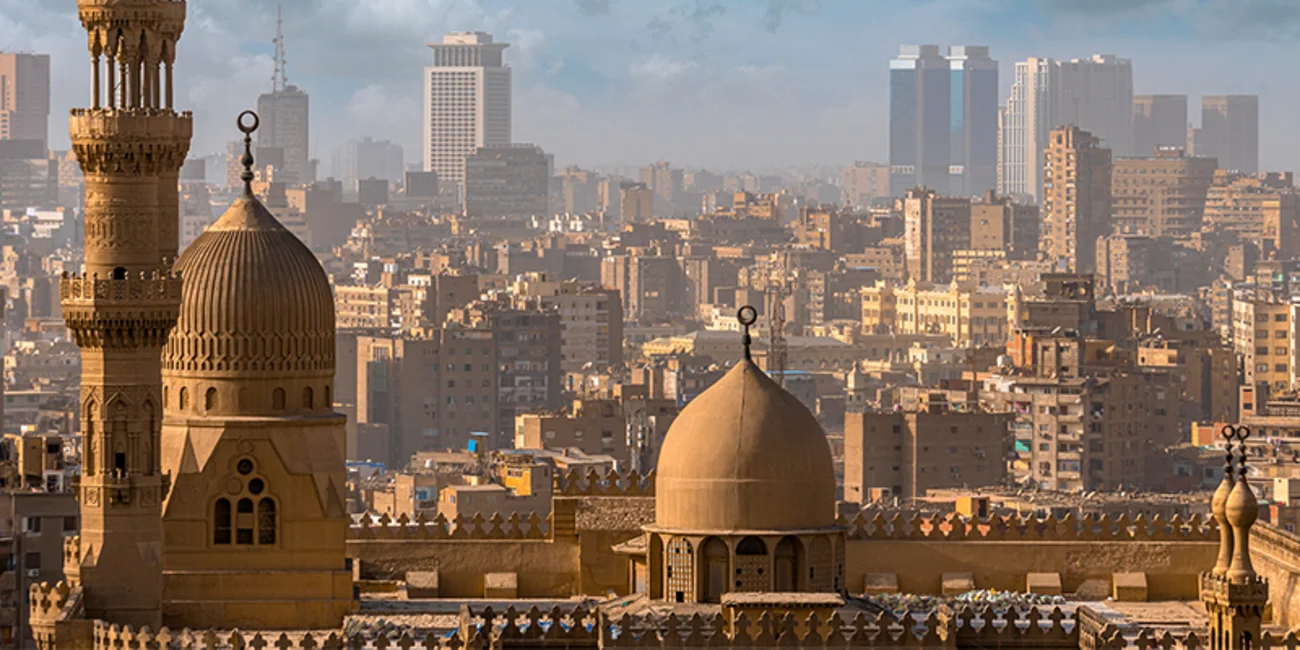
Situated in the heart of Islamic Cairo, Al Rifai Mosque cairo captures the attention of both visitors and worshipers. Its neo-Mamluk style, imported materials, and European design influences make it a unique architectural marvel, standing directly opposite the 14th-century Sultan Hassan Mosque. This juxtaposition creates a historic dialogue between Cairo’s medieval and modern Islamic architectural traditions.
The site of Al Rifai Mosque egypt has a rich history dating back to the 12th century. Originally, a small Fatimid-era mosque, the Al-Dakhirah Mosque, served local communities. By the mid-13th century, the site had evolved into Al-Bayda Zawiya, reflecting its growing connection with Sufi practices.
The burial of Ali Abu Shubbak al-Rifa’i, grandson of Ahmad al-Rifa’i—the founder of the Rifa’i Sufi order—transformed the site into a spiritual center. Later, the revered Sufi mystic Yahya al-Ansari was also laid to rest here, further cementing the mosque’s religious significance.
In 1869, Hoshiyar Qadin, mother of Khedive Ismail Pasha, initiated the transformation of the old zawiya into a grand mosque. She aimed to create a monumental structure that would serve as both a royal mausoleum and a place of worship. The project was initially led by Hussein Fahmi Pasha, a relative of Muhammad Ali trained in European architectural techniques. This effort aligned with Khedive Ismail's broader vision to modernize Cairo with European-style boulevards and grand buildings.
Construction faced significant interruptions. Khedive Ismail's abdication in 1880 and Hussein Fahmi Pasha’s death delayed progress. After Hoshiyar Qadin’s death in 1885, the mosque remained incomplete for about 25 years. The project resumed under Khedive Abbas II in 1905, with Hungarian architect Max Herz overseeing the final phase. Al Rifai Mosque cairo was ultimately completed in 1912, preserving the graves of Ali Abu Shubbak and Yahya al-Ansari throughout the process.
Al Rifai Mosque is located in Salah al-Din Square, Islamic Cairo, Egypt, next to the Cairo Citadel.
Built between 1869 and 1912, it transformed from a Fatimid shrine into a royal mausoleum for Egypt’s Muhammad Ali dynasty.
Ali Abu Shubbak al-Rifa’i and Yahya al-Ansari. Their tombs make the mosque a spiritual center for pilgrims seeking blessings.
Al Rifai Mosque is an architectural masterpiece, blending Islamic tradition with European innovation. Its design demonstrates a careful balance between neo-Mamluk heritage and 19th-century European styles, particularly Beaux-Arts classical revival.
The mosque embodies the neo-Mamluk style popular among late 19th-century Egyptian elites. Its decorative elements draw inspiration from historic Mamluk monuments, while European architectural techniques influence the overall layout and construction methods. Max Herz’s supervision ensured the seamless integration of oriental and occidental designs, creating a unique visual and structural harmony.
Al Rifai Mosque egypt marked a major architectural milestone as the first Egyptian Islamic monument to use cement. Columns, walls, and structural features showcase marble imported from seven different countries. Gold, wood, and marble decorations adorn the doors and windows, emphasizing the mosque’s royal and sacred status. The mosque’s interior covers 6,500 m² (70,000 sq ft), with 1,767 m² dedicated to prayer space.
Built directly across from the 14th-century Sultan Hassan Mosque, Al Rifai Mosque cairo establishes a remarkable architectural dialogue. Both feature twin minarets, towering facades, and detailed ornamentation. While striving to match Sultan Hassan’s grandeur, Max Herz’s European influence ensured structural stability and a harmonious blend of old and new styles.
The mosque combines neo-Mamluk Islamic architecture with European Beaux-Arts influences.
Imported marble from seven countries, Italian marble columns, gold and wood ornaments, and cement.
Al Rifai Mosque faces Sultan Hassan Mosque, creating a five-century architectural dialogue between neo-Mamluk and 14th-century Mamluk styles
Covers 6,500 m² (70,000 sq ft) and accommodates up to 10,000 worshippers.
Get in touch with our local experts for an unforgettable journey.
Plan Your Trip
Beyond its architectural beauty, Al Rifai Mosque serves as a royal mausoleum. Members of the Muhammad Ali dynasty chose it as their final resting place, including Hoshiyar Qadin, Khedive Ismail Pasha, Sultan Hussein Kamel, King Fuad I, and King Farouk, Egypt’s last monarch. Khedive Tewfik and Khedive Abbas II Hilmi, however, were buried at Qubbat Afandina, a separate royal site.
The mosque holds international significance as the temporary resting place of Mohammad Reza Pahlavi, Iran’s last Shah, who died in Cairo in 1980 after the Iranian Revolution. His father, Reza Shah, was also temporarily interred here in 1944 before his remains were returned to Iran.
Al Rifai Mosque egypt retains its spiritual heritage with the tombs of Sufi saints Ali Abu Shubbak al-Rifa’i and Yahya al-Ansari. Pilgrims visit these shrines seeking blessings (baraka), making the mosque a site of ongoing spiritual importance.
The mosque preserves Sufi shrines attracting pilgrims seeking baraka, maintaining spiritual importance alongside royal burials.
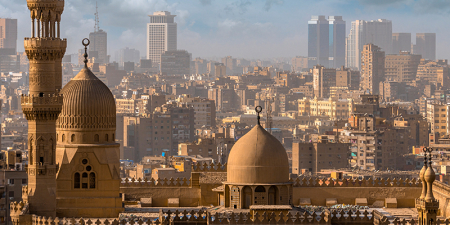
Located in Salah al-Din Square, adjacent to the Cairo Citadel and opposite Sultan Hassan Mosque, Al Rifai Mosque cairo contributes to a stunning historical panorama. Its tranquil gardens provide visitors with a peaceful retreat amid bustling Cairo streets. The mosque is an essential stop for tourists exploring Islamic Cairo’s heritage.
Open daily from 8 am to 4:30 pm, the mosque welcomes visitors with tickets priced at LE 60 for adults and LE 30 for students. Rules for visitors include modest dress, shoe removal, hair covering for women, and avoiding valuables. Al Rifai Mosque remains an active worship center, hosting Friday prayers, Ramadan taraweeh, and other celebrations, accommodating up to 10,000 worshipers.
Restoration between 2018 and 2020 by the Arab Contractors Company focused on structural stability, roof repairs, and insulation against heat and water. While some areas still require attention, Al Rifai Mosque egypt continues to inspire visitors through its blend of architectural brilliance, royal history, and spiritual significance.
For over a century, Al Rifai Mosque cairo has stood as more than an architectural wonder. From its 12th-century Fatimid origins to its role as a royal mausoleum and spiritual center, the mosque reflects Cairo’s complex history. Hoshiyar Qadin’s vision and Max Herz’s expertise created a structure that marries neo-Mamluk style with European innovation.
The mosque’s use of cement, imported materials from seven countries, and ornate decorations highlight its architectural importance. Its royal tombs, Sufi shrines, and active worship spaces demonstrate its dual religious and historical roles. Facing Sultan Hassan Mosque, Al Rifai Mosque egypt represents a living dialogue between Egypt’s medieval and modern Islamic traditions.
Today, despite preservation challenges, Al Rifai Mosque remains a vital religious site and tourist attraction, embodying Cairo’s Islamic identity. Its grandeur, spiritual significance, and royal connections make it a symbol of faith, history, and artistic achievement that continues to captivate all who visit.
Open daily from 8 am to 4:30 pm; tickets LE 60 adults, LE 30 students. Visitors should dress modestly, remove shoes, cover hair (for women), and avoid valuables.
El Sayeda Zeinab is a historic Cairo district known for the Sayeda Zeinab Mosque, Islamic heritage, vibrant markets, and authentic local culture.
Al-Hakim Mosque is a historic Fatimid mosque in Cairo near Bab al-Futuh, completed in 1013 CE and known for its large scale, unique minarets, and importance in Islamic architecture.
Al Rifai Mosque Cairo is a historic neo-Mamluk mosque in Egypt, serving as a royal mausoleum and spiritual center with Sufi shrines and architectural grandeur.