Bagawat

The world's oldest Christian cemetery, Bagawat, lies peacefully in the Kharga Oasis of southern-central Egypt. This remarkable site served the community from the 3rd century AD until the 7th century. The cemetery's active period stretched from pre-Christian legalization through the Islamic conquest of Egypt.
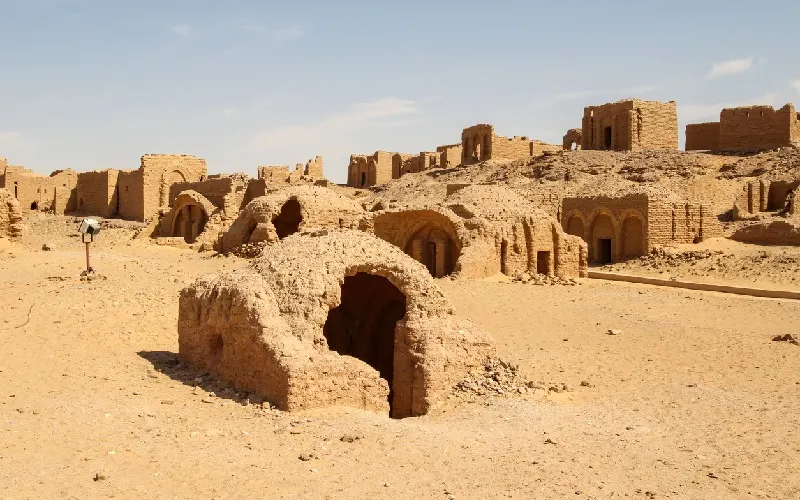
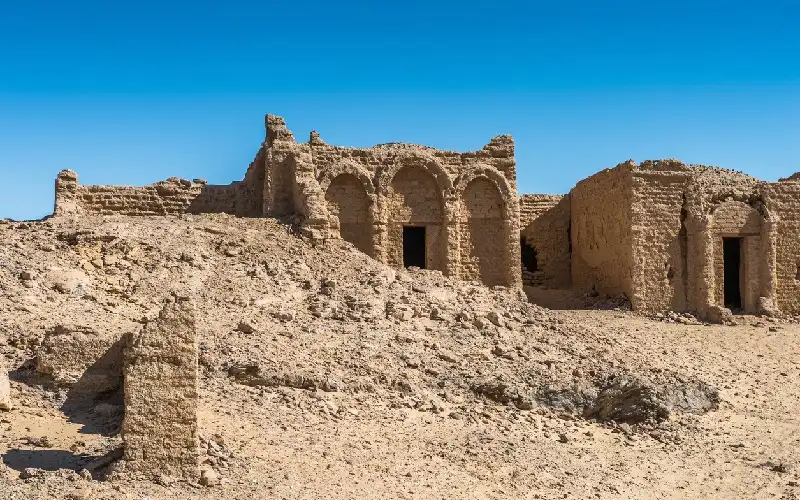
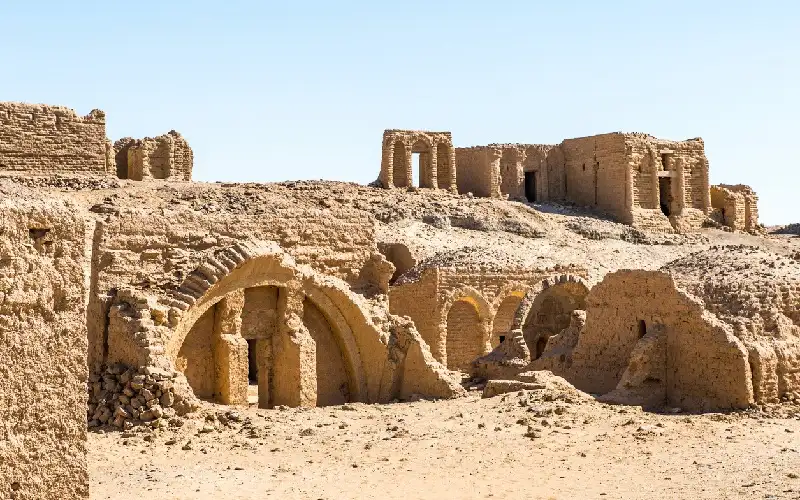
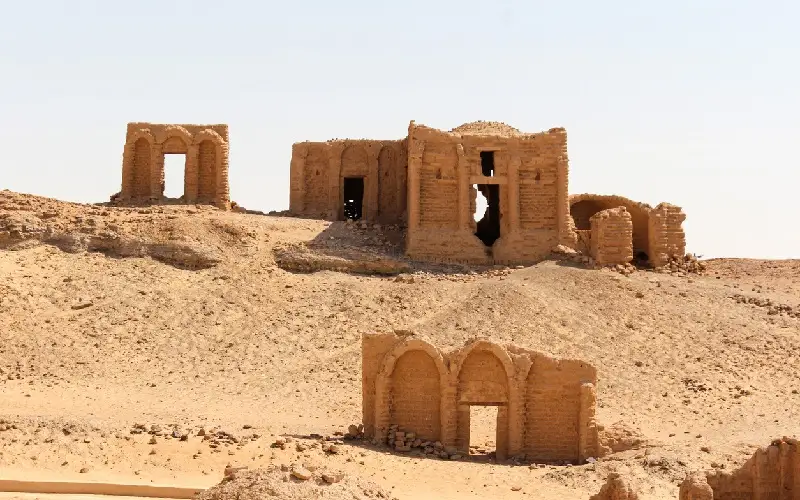
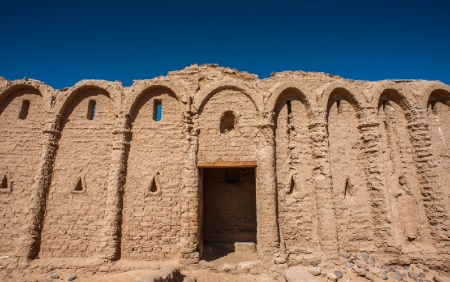
Modern visitors can explore El Bagawat's exceptionally preserved grounds and get a rare glimpse into early Christian burial customs. The cemetery features 263 funerary chapels with distinctive dome structures. The Chapel of Exodus, built in the first half of the 4th century, and the Chapel of Peace from the 5th or 6th century showcase the finest preserved frescoes. The cemetery's walls display Coptic paintings that represent some of Christianity's earliest surviving artwork. The site's remarkable preservation makes it a fascinating window into ancient Christian practices and artistry.
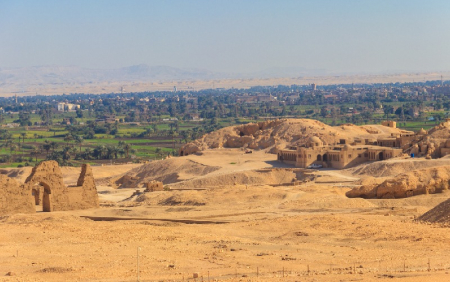
El Bagawat stands in the Kharga Oasis in Egypt's Western Desert, about 650 km from Cairo. The archaeological site rests just 3 kilometers from el-Kharga's center and 1 kilometer north of the Temple of Hibis, spreading across the lower southern foothills of Gebel El-Teir, 34 meters below sea level.
Archaeologists believe Bagawat's story began during the 3rd century AD, though some researchers suggest it dates back even earlier to the 2nd century AD. The cemetery's active period stretched from pre-Christian legalization through the Islamic conquest of Egypt in the 7th century.
El Bagawat contains 263 tomb chapels featuring distinctive domed mud-brick architecture. The necropolis spans an impressive area of 500 by 200 meters, making it one of the largest early Christian burial sites.
The ancient necropolis of El Bagawat stands in the heart of Egypt's Western Desert. Located in the Kharga Oasis, this remarkable site lies about 650 km from Cairo. The archeological site rests just 3 kilometers from el-Kharga's center and 1 kilometer north of the Temple of Hibis. It spreads across the lower southern foothills of Gebel El-Teir, 34 meters below sea level.
This site began as a pre-historic pagan burial ground. The remarkable cemetery transformed over time, and archeologists believe Bagawat's story began during the 3rd century AD. Some researchers suggest it dates back even earlier to the 2nd century AD. The necropolis spans an impressive area of 500 by 200 meters. Within its boundaries, 263 tomb chapels showcase their distinctive domed architecture.
Kharga Oasis and El Bagawat's location proved vital to ancient civilizations. The oasis served as a crossroads where caravan routes connected Sudan's Darfur province to the Nile Valley - a 1,082-mile trip. The region marked part of the Roman Empire's limes (border). It became a gateway between South Africa in Nubia and Egypt through a forty-day route.
British archeologist Flinders Petrie found this "Pompeii of Egypt" in 1892. His discovery became a rich source of information about early Christian traditions.
British archaeologist Flinders Petrie discovered this "Pompeii of Egypt" in 1892. His discovery became a rich source of information about early Christian traditions and burial practices.
The chapel walls bring to life stories of Moses and the Exodus, Noah's Ark, Adam and Eve, Daniel in the lion's den, Jonah and the whale, and Abraham sacrificing Isaac. These represent some of Christianity's earliest surviving artwork.
Flinders Petrie gave El Bagawat this nickname when he discovered it in 1892 because of its exceptional preservation state. Like Pompeii, the site provides a remarkably intact glimpse into ancient daily life and religious practices.
El Bagawat's rise from pagan roots to Christian significance tells a captivating story in religious history. This necropolis started as a prehistoric burial ground that served non-Christian communities before it became a Christian cemetery. The changes reflected broader religious moves across Egypt as Christianity gained ground between the 3rd and 7th centuries.
Egyptian traditional religion lasted for thousands of years despite invasions from Libyans, Nubians, Assyrians, Persians, Greeks, and Romans. The ancient Egyptian faith showed remarkable strength by knowing how to absorb outside influences.
The cemetery's architectural progress reveals clear signs of this transition. Many chapels combine pagan and Christian elements beautifully. The largest structure (mausoleum no. 180) started as a pagan mausoleum and went through several changes to become a proper Christian worship space. Later excavations found that while early burials had no Christian elements, the newer tomb chapels featured rich Christian motifs and paintings.
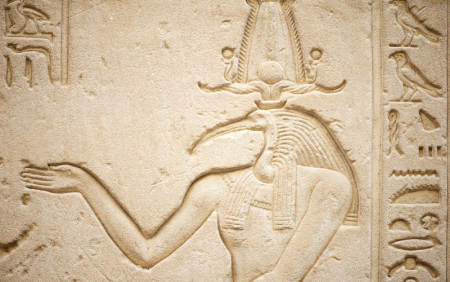
The early Christians at Kharga kept the "pagan" tradition of embalming their dead long after other places had stopped. Some burial items were even reused from earlier Egyptian burials, with Horus and Thoth's paintings still visible. Christians also mummified their dead at other Egyptian sites.
Yes, El Bagawat began as a prehistoric pagan burial ground serving non-Christian communities before transforming into a Christian cemetery. The transition reflected broader religious movements across Egypt as Christianity gained ground between the 3rd and 7th centuries.
Get in touch with our local experts for an unforgettable journey.
Plan Your Trip
El Bagawat's 263 mud-brick structures feature two chapels that showcase remarkable Christian artwork. The Chapel of Exodus, which ranks among the cemetery's oldest structures, displays stunning watercolors on stone that depict biblical scenes in concentric bands. The dome's artwork shows Moses guiding the Israelites through the Sinai desert while Pharaoh's army follows them. The chapel's walls bring to life stories of Noah's Ark, Adam and Eve, Daniel in the lion's den, and Jonah and the whale.
The Chapel of Peace dates back to the 5th-6th century AD and takes its name from the allegorical figure of Peace (Eirene) adorning its dome.
The chapel's sophisticated artwork displays labeled figures of Prayer, Justice, Peace, Daniel, Jacob, Noah, Mary, Paul, Thekla, Eve, Adam, Sarah, Isaac, and Abraham. These paintings demonstrate superior craftsmanship compared to other decorative works in the necropolis.
Artistic treasures grace several other tombs across the site. Chapel 25 depicts Abraham sacrificing Isaac, while Chapel 30 showcases figurative decorations. The Chapel of Grapes (Anaeed Al Ainab) earned its name from its beautiful grapevine imagery.
Bagawat's iconography reveals a distinctive Pharaonic-Coptic style characterized by expressive eyes and Egyptian symbols, such as peacocks representing immortality. This artistic progress reflects the shift from pre-Christian Judeo-Hellenic tradition toward a unique Egyptian-Christian visual expression.
Bagawat's iconography reveals a distinctive Pharaonic-Coptic style characterized by expressive eyes and Egyptian symbols, such as peacocks representing immortality. This artistic style reflects the shift from pre-Christian Judeo-Hellenic tradition toward a unique Egyptian-Christian visual expression.
El Bagawat is an extraordinary proof of early Christian history. This remarkable necropolis contains 263 mud-brick chapels and gives us a rare glimpse into ancient Christian communities' practices and artistry. The site transformed from a pagan burial ground into one of Christianity's earliest cemeteries. This change reflected the broader religious shifts in Egypt between the 3rd and 7th centuries.
The sort of thing I love about El Bagawat is how it shows the cultural fusion in early Egyptian Christianity. Local communities embraced Christian beliefs but kept some Egyptian traditions alive. They continued mummification practices even after other regions had stopped. The artistic style in these chapels creates a unique Egyptian-Christian visual language by mixing Pharaonic influences with biblical stories.
The Chapel of Exodus and Chapel of Peace are the crown jewels of this archeological wonder. They house some of the oldest Christian artwork still in existence. Modern visitors can connect directly with ancient expressions of faith through these vivid paintings of biblical scenes and allegorical figures.
Without doubt, El Bagawat deserves recognition among other famous historical sites. Very few places on Earth preserve such clear evidence of Christianity's early development and its interaction with established cultural traditions. This "Pompeii of Egypt" stands as a silent witness to a pivotal era. It shows how one faith gradually replaced another and left these remarkable structures as evidence of that profound change.
El Bagawat is the world's oldest Christian cemetery, serving the community from the 3rd century AD until the 7th century. This remarkable necropolis features 263 funerary chapels with distinctive dome structures and exceptionally preserved Coptic Christian artwork.
The Chapel of Exodus, built in the first half of the 4th century, ranks among the cemetery's oldest structures. It displays stunning watercolors depicting biblical scenes including Moses guiding the Israelites through the Sinai desert, Noah's Ark, Adam and Eve, Daniel in the lion's den, and Jonah and the whale.
The Chapel of Peace dates back to the 5th-6th century AD and takes its name from the allegorical figure of Peace (Eirene) adorning its dome. The chapel's sophisticated artwork displays labeled figures including Prayer, Justice, Peace, Daniel, Jacob, Noah, Mary, Paul, Thekla, Eve, Adam, Sarah, Isaac, and Abraham.
Yes, early Christians at Kharga kept the "pagan" tradition of embalming their dead long after other places had stopped. Some burial items were even reused from earlier Egyptian burials, with paintings of Horus and Thoth still visible.
Chapel 25 depicts the biblical scene of Abraham sacrificing Isaac. This is one of several chapels featuring artistic treasures beyond the famous Chapel of Exodus and Chapel of Peace.
The Chapel of Grapes (Anaeed Al Ainab) earned its name from its beautiful grapevine imagery. This decorative motif demonstrates the artistic variety found across El Bagawat's 263 tomb chapels.
Kharga Oasis served as a crossroads where caravan routes connected Sudan's Darfur province to the Nile Valley—a 1,082-mile journey. The region marked part of the Roman Empire's limes (border) and became a gateway between South Africa in Nubia and Egypt through a forty-day route.
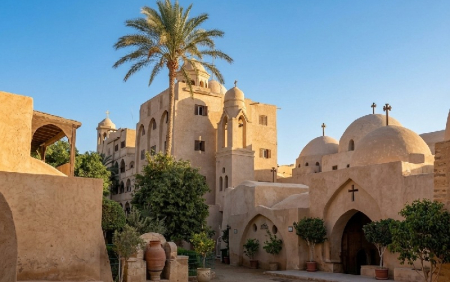
Monastery of Syrians in Wadi Natrun, founded 984 AD, houses oldest Syriac manuscript (411 AD) & Church of Virgin Mary (645 AD) with frescoes.
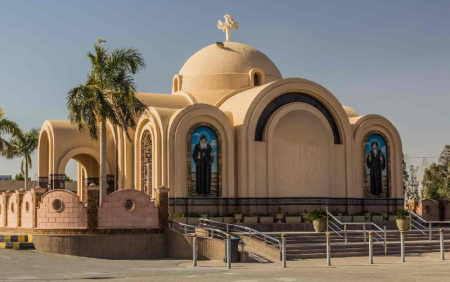
Wadi El Natrun is Egypt's sacred valley located 100km from Cairo, 23 meters below sea level. Features 4 ancient Coptic monasteries from 330 AD with Saint Pishoy's incorrupt body.
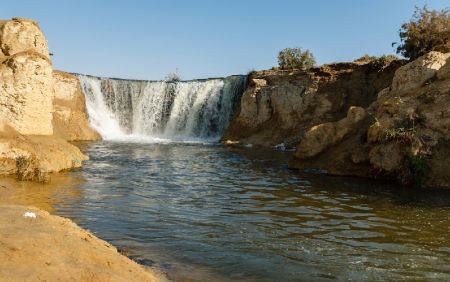
Wadi El Rayan is Egypt's premier desert sanctuary spanning 1,759 km² with two crystalline lakes, cascading waterfalls and 13 permanent bird species plus 26 migratory species.
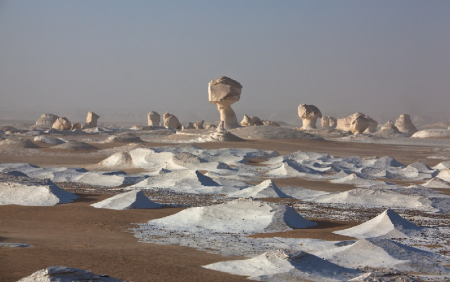
White Desert Egypt spans 300 km² of chalk formations 45km from Farafra with Crystal Mountain, Black Desert & Valley of Agabat. Rated 5.0/5.
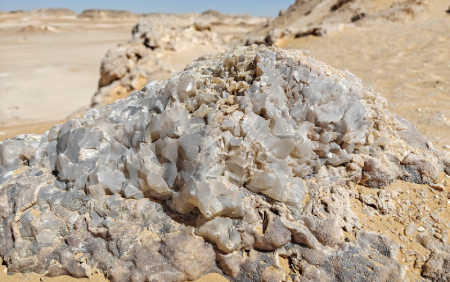
Discover Crystal Mountain Egypt—stunning barite & calcite arch between Bahariya & Farafra. Features hidden crystal caves, Bedouin secrets & sunrise views.
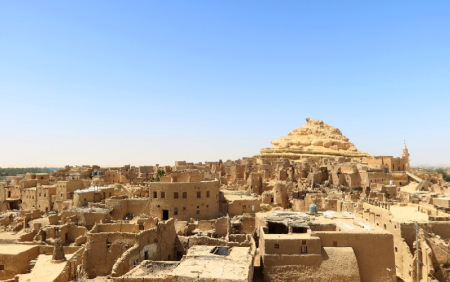
Mountain of the Dead in Siwa contains 3,000 tombs including Si-Amun, Mesu-Isis, Niperbathot & Crocodile with vivid wall paintings. 1km from town.
Great Sand Sea extends 650km with seif dunes up to 140m high between Egypt-Libya. Covers 10% of Egypt's Western Desert, gateway Siwa Oasis.
Black Desert, rated 4.5/5, features 100m basalt formations from ancient volcanic activity. Includes Agabat Valley, Crystal Mountain & desert fox.
Djara Cave stretches 1,000m with 188+ murals from 10,200 BC, "frozen waterfall" stalactites, Cathedral chamber & Neolithic gazelle rock art.
Cleopatra Bath in Siwa is a bubbling spring 752km from Cairo where Queen allegedly bathed. Mineral-rich healing waters, temperature-regulated.
El Bagawat is the world's oldest Christian cemetery with 263 chapels from 3rd-7th century. Features Chapel of Exodus & Peace with biblical art.
Qarun lake is considered the oldest natural lakes in the world, the third largest lake in Egypt and the rest of lake Old Maurice. Know more!
Valley of the Golden Mummies located in Bahariya Oasis, about 380 km west of the pyramids, It was built during the Greco - Roman period exhibits a variety of styles and a range of social status.
Find out what makes Deir el Bahari unique! Explore Hatshepsut's terraced temple, ancient Luxor monuments & Egyptian architectural genius. Learn more!
Learn the story of the Monastery of Saint Bishoy in Egypt: Saint Bishoy's incorrupt body, 5 churches & Coptic Orthodox history. Read the complete guide!
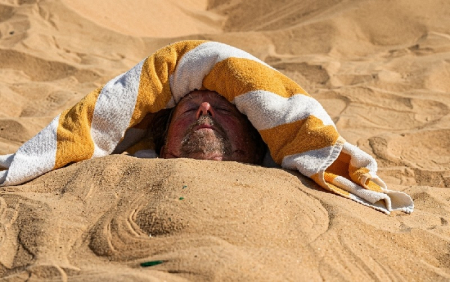
Siwa sand bathing: centuries-old Bedouin treatment using mineral-rich sand (40-50°C) for arthritis, chronic pain & stress. 7-10 daily sessions.
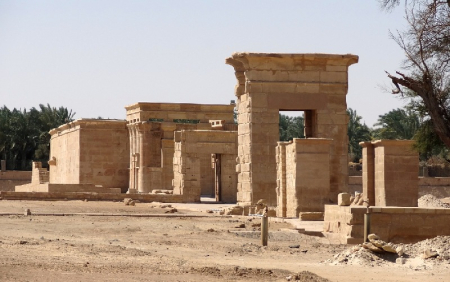
Uncover Temple of Hibis in Egypt's western desert. Explore the best-preserved Persian temple, Darius I's contributions & Amun-Ra shrine. Learn today!