Upper Egypt's Hidden Treasures

Upper Egypt extends along the Nile River valley south of the delta and the 30th parallel North. The region starts at Beni Suef and reaches down to Lake Nasser, created by the Aswan High Dam. This vast area, which was actually separate from Lower Egypt during late predynastic times, represents a major geographic and cultural part of Egypt.
The region once powered Ancient Egypt's growth for many years. Upper Egypt's temples stand as remarkable testaments to history. The temples of Luxor and Karnak make up the world's largest collection of ancient buildings. Beautiful temples from the Pharaonic and Ptolemaic eras dot the landscape. These ancient settlements and temple towns attract thousands of visitors yearly. Luxor, the ancient city of Thebes, stands out as the highlight of many people's trips. The city combines amazing temples and tombs with great places to stay and excellent winter weather.
This piece shows you how locals see the hidden gems of this history-rich region. You'll learn about both famous monuments and lesser-known sites that showcase ancient Egyptian civilization's remarkable achievements.
Upper Egypt extends along the Nile River valley south of the delta and the 30th parallel North. The region starts at Beni Suef and reaches down to Lake Nasser, created by the Aswan High Dam, representing a major geographic and cultural part of Egypt.
Upper Egypt's Nile region holds ancient treasures and some of humanity's most spectacular monuments. The Great Temple at Abu Simbel, carved from solid rock in the 13th century BCE, stands as proof of Ramses II's power. Sunlight reaches its innermost chamber twice a year during the equinoxes. This massive structure found a new home 65 meters higher and 200 meters inland in the 1960s to protect it from rising waters.
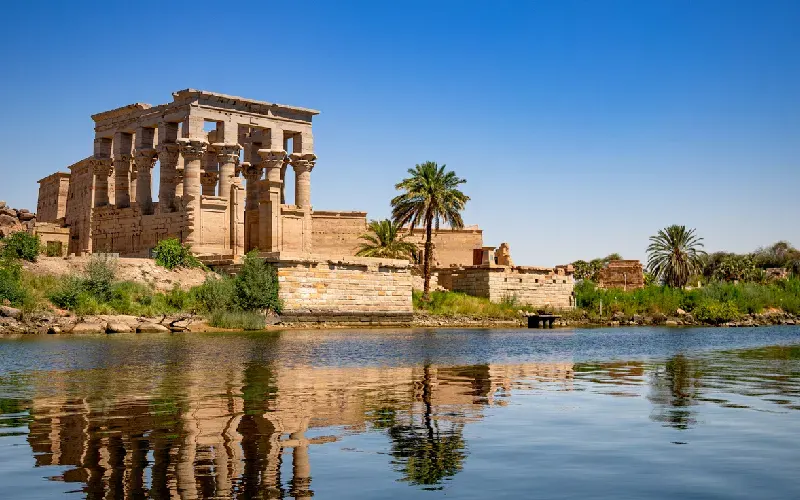
The Temple of Philae showcases remarkable engineering skills. Built in 690 BCE, this classical Egyptian temple kept ancient religious practices alive until the 9th century CE. UNESCO led a rescue mission between 1960 and 1980 to move it stone by stone, similar to Abu Simbel.
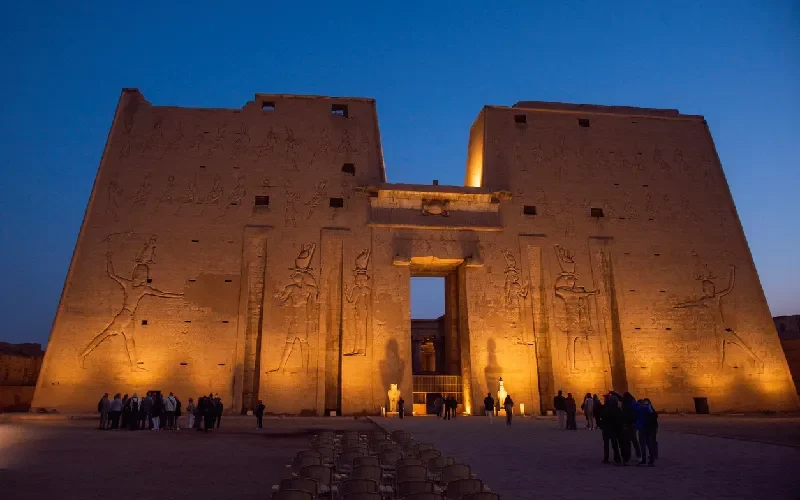
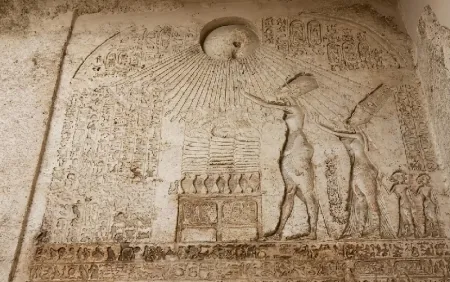
Built between 237 BCE and 57 BCE, the Temple of Horus at Edfu remains Upper Egypt's best-preserved temple. Intricate hieroglyphics and detailed scenes of ancient ceremonies cover its walls.
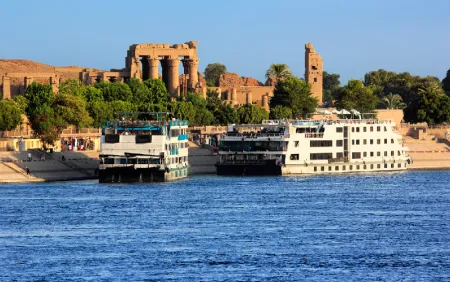
The Ptolemaic Temple of Kom Ombo is a chance to see a rare double temple that honors both Horus the falcon god and Sobek the crocodile god. The nearby Crocodile Museum displays mummified Nile crocodiles stretching up to 4.30 meters.
These monuments, along with the Valley of the Kings and Hatshepsut's terraced temple, highlight Upper Egypt's architectural heritage and religious importance.
Main attractions include the Great Temple at Abu Simbel, Temple of Philae, Temple of Horus at Edfu, Ptolemaic Temple of Kom Ombo, Valley of the Kings, Hatshepsut's terraced temple, and the temples of Luxor and Karnak—the world's largest collection of ancient buildings.
The Great Temple at Abu Simbel was carved from solid rock in the 13th century BCE as proof of Ramses II's power. The massive structure was relocated 65 meters higher and 200 meters inland in the 1960s to protect it from rising waters of Lake Nasser.
Built in 690 BCE, the Temple of Philae is a classical Egyptian temple that kept ancient religious practices alive until the 9th century CE. UNESCO led a rescue mission between 1960 and 1980 to move it stone by stone, similar to Abu Simbel, to save it from flooding.
The Ptolemaic Temple of Kom Ombo is a rare double temple honoring both Horus the falcon god and Sobek the crocodile god. The nearby Crocodile Museum displays mummified Nile crocodiles stretching up to 4.30 meters, showcasing ancient animal worship.
The Sa'idi people of Upper Egypt live by centuries-old traditions that create a unique daily rhythm. These residents of the region show more conservative and religious tendencies than their northern neighbors. Their strength of character, generosity, and distinct spoken dialect set them apart. The harsh climate shapes their daily routines, pushing most activities to the cooler hours of morning and evening.
Community activities form the heart of village life in Upper Egypt. Social interactions center around tea, which spreads through every gathering as a symbol of hospitality. Local artisans keep traditional crafts alive, especially in handmade weaving that demands exceptional patience and generational skills. The town of Akhmim stands out for its artisans who create detailed embroidered textiles using pure Egyptian cotton.
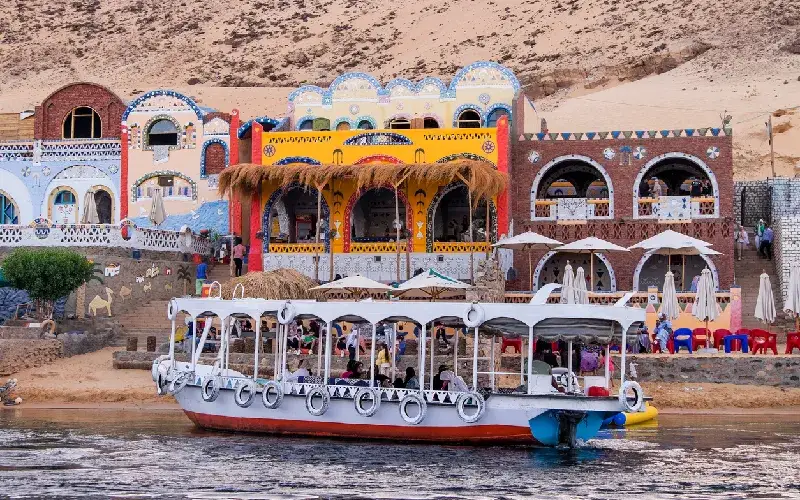
Near Aswan, Nubian villages showcase their distinctive cultural heritage. Residents paint their bright homes with symbols that represent protection and blessings. Their wedding celebrations can stretch across 40 days with complex gift exchanges and traditional ceremonies.
The Aswan Souk displays the region's finest handwoven baskets, pottery, and traditional textiles. Daraw hosts Upper Egypt's largest livestock market, where traders still follow centuries-old practices.
The Sa'idi people of Upper Egypt live by centuries-old traditions creating a unique daily rhythm. They show more conservative and religious tendencies than northern Egyptians, characterized by strength of character, generosity, and a distinct spoken dialect.
Nubian villages showcase distinctive cultural heritage with residents painting bright homes using symbols representing protection and blessings. Their wedding celebrations can stretch across 40 days with complex gift exchanges and traditional ceremonies.
Get in touch with our local experts for an unforgettable journey.
Plan Your Trip
Upper Egypt has several ways to get around while learning about this historically rich region. A Nile cruise between Luxor and Aswan is the best way to experience the area.
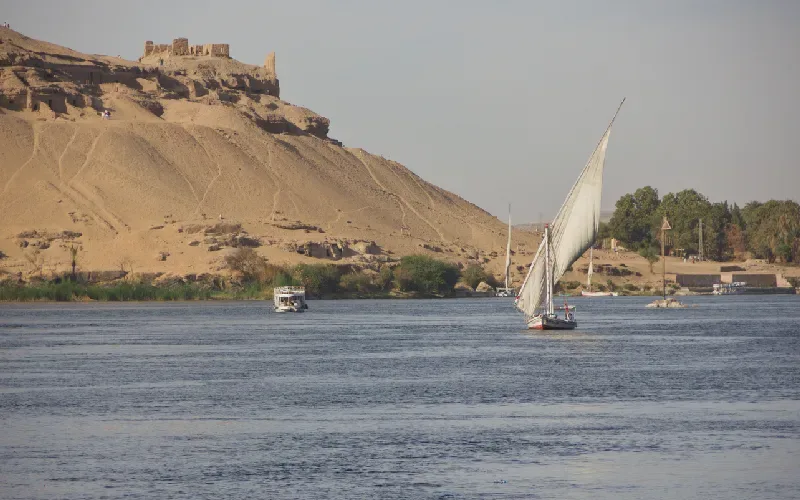
Travelers can find ancient temples along the riverbanks and enjoy comfortable accommodations. Traditional Dahabiya sailing boats are a more intimate option. These boats have just 3-12 cabins and can stop at places that larger vessels can't reach.
The railway network connects major cities throughout Upper Egypt and is perfect for travelers on a budget. Trains run regularly between Cairo, Luxor, and Aswan. First-class cabins on overnight sleeper trains make long trips more comfortable.
Air-conditioned busses connect all major destinations in the region at affordable rates.
Local taxis are available within cities, and many drivers will take you on day-long trips.
You need five to seven days to see Upper Egypt's main attractions. The best time to visit is between November and April. Temperatures stay cool during these months, usually below 26°C. Summer months from May to September bring intense heat that can reach 40°C, but you'll find fewer tourists and better deals.
Upper Egypt is a living museum where ancient wonders and vibrant local traditions naturally mix along the Nile's banks. This amazing region gives travelers a real look into one of humanity's greatest civilizations through its magnificent temples and tombs. The relocated wonders of Abu Simbel and Philae Temple show both ancient ingenuity and modern determination to protect cultural heritage.
Sa'idi culture's distinctiveness adds depth to the visitor's experience. Local communities keep their centuries-old traditions alive, from intricate textile crafts to colorful Nubian villages with their unique architecture and customs. Tea ceremonies and traditional markets show how daily life hasn't changed much over generations.
You can learn about this historically rich area in several ways. Nile cruises create the most memorable experiences, while trains, busses, and traditional Dahabiya sailing boats give you options based on your budget and preference. The weather makes a big difference in planning your trip - the months between November and April are usually the most pleasant.
Upper Egypt rewards visitors who go beyond the famous sites. Each temple, village, and market tells a piece of an ongoing story that goes back thousands of years. Anyone who wants to understand ancient Egyptian civilization or experience authentic Egyptian culture will find Upper Egypt unforgettable. This place makes history feel alive and available. The treasures hidden throughout this region deserve their place among the world's most important historical landmarks.
Sunlight reaches Abu Simbel's innermost chamber twice a year during the equinoxes, demonstrating ancient Egyptian astronomical and architectural knowledge. This remarkable alignment showcases the precision and sophistication of ancient Egyptian temple construction.
Built between 237 BCE and 57 BCE, the Temple of Horus at Edfu remains Upper Egypt's best-preserved temple. Intricate hieroglyphics and detailed scenes of ancient ceremonies cover its walls, offering exceptional insights into ancient Egyptian religious practices.
Local artisans keep traditional crafts alive, especially handmade weaving requiring exceptional patience and generational skills. The town of Akhmim stands out for artisans creating detailed embroidered textiles using pure Egyptian cotton. The Aswan Souk displays handwoven baskets, pottery, and traditional textiles.
A Nile cruise between Luxor and Aswan is the best way to experience the area, with ancient temples along riverbanks and comfortable accommodations. Traditional Dahabiya sailing boats offer a more intimate option with just 3-12 cabins, stopping at places larger vessels can't reach.
You need five to seven days to see Upper Egypt's main attractions properly. This allows time to visit major temples, tombs, and cultural sites while experiencing Nile cruises and local markets without rushing.
The railway network connects major cities throughout Upper Egypt, perfect for budget travelers. Trains run regularly between Cairo, Luxor, and Aswan. First-class cabins on overnight sleeper trains make long trips more comfortable and affordable.
Upper Egypt features world's largest collection of ancient buildings at Luxor and Karnak, plus Abu Simbel, Temple of Horus & Nubian villages along the Nile.
Beni Hassan, 20km south of Minya, features 39 Middle Kingdom tombs with 4,000-year-old wall paintings. Highlights include 400 wrestling pairs and caravan of Asiatics.
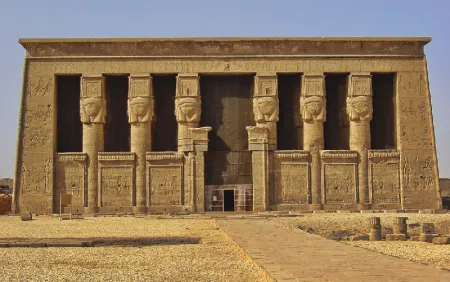
The Hathor Temple at Dendera is one of Egypt's best-preserved temples. Built starting 54 BCE, it features hidden crypts, exceptional acoustics and astronomical ceiling paintings.