Syrian Monastery
Syrian monastery culture stands out as one of history's most remarkable religious developments since the fourth century AD. The Dead Cities region west of Aleppo holds a wealth of religious architecture. More than 2,000 churches spread across 820 settlements provide evidence of this rich heritage. Syrian monastic life reached its peak by the mid-fifth century. No proper settlement existed without monasteries within a 1.5-mile radius.
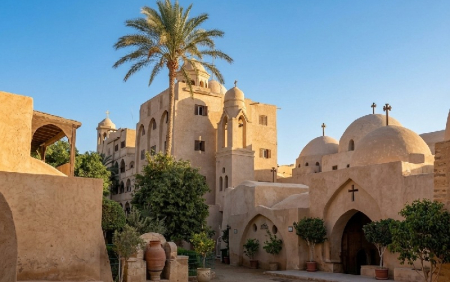
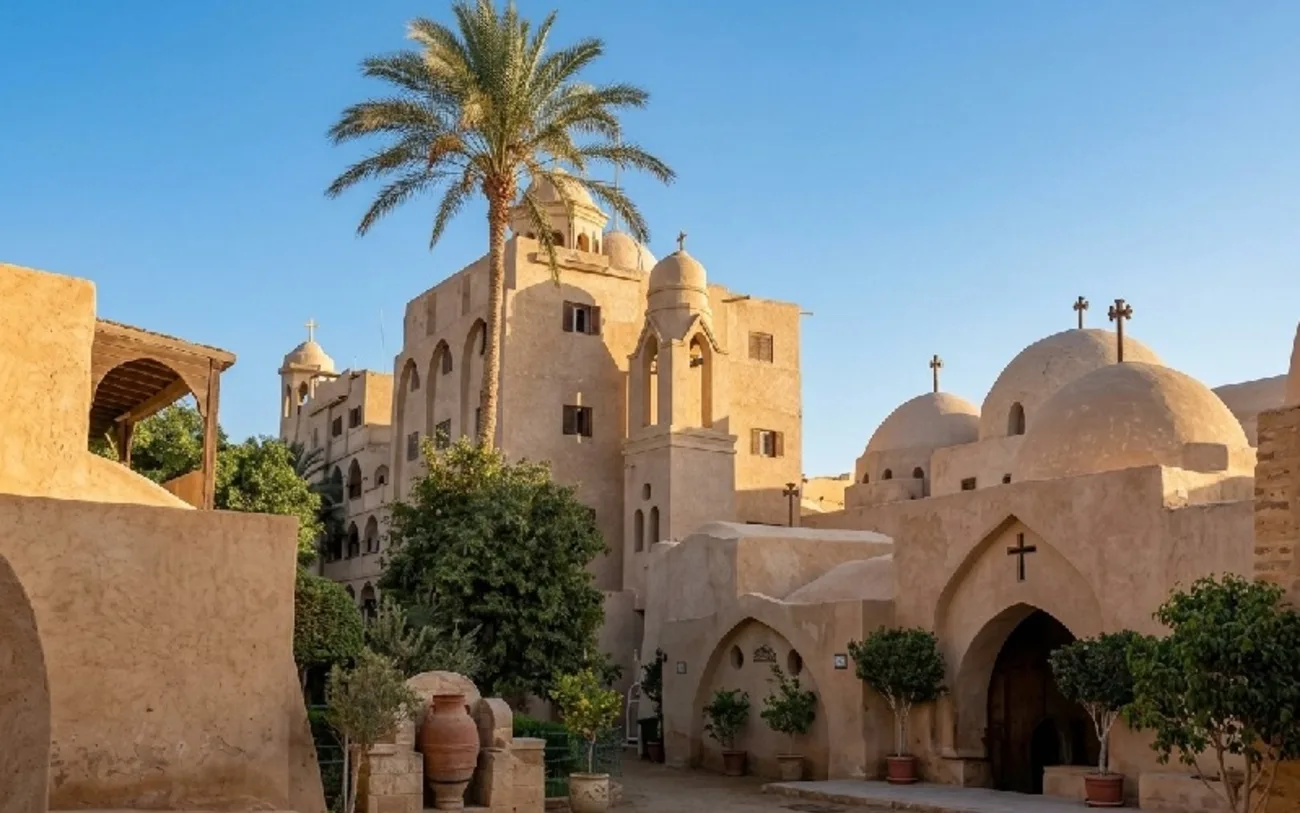
The Monastery of the Syrians (al-Surian) in Egypt's Wadi Natrun carries this legacy forward. Syrian monks made this place their home in 984 AD, though its origins trace back to the fourth century AD. This sacred site guards extraordinary historical treasures. Hundreds of ancient Syriac manuscripts rest within its walls, including the oldest dated Syriac manuscript from 411 AD. The monastery's Church of the Virgin Mary, built in 645 AD, reveals another hidden gem. Researchers found remarkable frescos in 1994 while removing plaster layers. These artworks span from the seventh to eighteenth centuries. Syrian monks lived by strict daily routines that balanced prayer and work. The Benedictine program of Ora et Lavora (pray and work) later picked up on this approach. This combination of spiritual practice and practical work created lasting centers of learning that preserved ancient wisdom through time.
The Monastery of the Syrians (al-Surian) is located in Egypt's Wadi Natrun. Syrian monks made this place their home in 984 AD, though its origins trace back to the fourth century AD. This sacred site guards extraordinary historical treasures including ancient Syriac manuscripts.
Bar Hebraeus traced Syrian monasticism's roots to the 2nd century AD. The 3rd century saw many ascetics, worshippers, and hermits emerge in regions under Antioch's See. Christianity's legal recognition came through Emperor Constantine's Milan decree in 313 AD, and this momentum grew as monks received exemption from military service.
Syrian monks practiced extreme asceticism that was nowhere near as lenient as their Egyptian counterparts. Saint Anthony (251-356) earned recognition as the "father of monastic life" and "star of the desert," while Saint Paul of Thebes marked the difference as the first anchorite.
Caves, cliffs, and hollows served as homes to Syria's earliest monks. In spite of that, Syrian asceticism evolved into two distinct forms. Some practitioners stayed completely stationary, like Simeon Stylites who spent 37 years on a column. Others became wanderers who never slept twice in the same location.
Protection against persecution drove isolated hermits to form communities, which led to monasteries. Sozomen documented about 30 well-known ascetics in northern and central Syria by the 4th century. These individuals had outdone Egyptian ascetics in their practices.
This monastery culture marked a radical alteration from martyrdom to asceticism as faith's ultimate expression. Syrian monks then became spiritual fathers and intercessors, and many served as bishops in broader communities.
Bar Hebraeus traced Syrian monasticism's roots to the 2nd century AD. The 3rd century saw many ascetics, worshippers, and hermits emerge in regions under Antioch's See. Christianity's legal recognition came through Emperor Constantine's Milan decree in 313 AD.
Hundreds of ancient Syriac manuscripts rest within the monastery's walls, including the oldest dated Syriac manuscript from 411 AD. These manuscript collections are a rich source of human knowledge and culture, with works dating to the 6th century.
Syrian monasteries' physical design reflected their spiritual role as "cities on a hill" that showed a different way of living. The monastery church stood at the center, while nearby buildings were laid out to support the community's daily needs.
Archeological studies at sites like Deir Mar Musa show several building phases. Monks rather than professional masons built the core stonework, though later additions display more sophisticated architectural features. The churches typically had a basilical plan common in the 6th century. Builders placed them on the north side with courtyards extending to the south.
Syrian monasteries' frescoes are their most striking features. Mar Musa's paintings exist in three distinct layers from 1058-1088, 1095, and 1208. These artworks combine Byzantine, Syriac, and Crusader styles and include some of Jesus's earliest known depictions.
Life in these sacred spaces had a clear daily rhythm. Monks came together seven times each day to pray and celebrated the Holy Qurbono on Sundays and feast days. Their lives centered on three core practices: prayer, fasting, and spiritual warfare. Their fasting ranged from complete abstinence to eating just once after sunset. The monks also kept vigils and limited their sleep to spend more time in contemplation.
These Syrian monasteries served as spiritual sanctuaries and preserved ancient wisdom through centuries of upheaval.
Get in touch with our local experts for an unforgettable journey.
Plan Your Trip
Syrian monasteries shine as beacons of hope and resilience after decades of conflict. The refreshed ancient Mar Musa Monastery near Nebek stands as a modern symbol of reconciliation. Eight monks and sisters from different Christian denominations now live and work together there.
Syrian Christianity battles existential challenges today. The Christian population has dropped from 1.5 million before the 2011 civil war to just 300,000. But monastic communities stay committed to their mission. They provide humanitarian aid, help with rebuilding projects, and give psychological support to everyone, whatever their faith.
"We are a mission. We don't only have a mission," a monk from Mar Musa explains. "Our presence in Syria is meaningful to the kingdom of God".
Monasteries like Saydnaya remain powerful symbols of faith and cultural preservation through ongoing instability. Monks maintain dialog with local Muslim communities even in war-torn areas. These relationships proved vital during the worst fighting, building mutual understanding between faiths.
Syrian monasticism's impact reaches far beyond religion. Their manuscript collections are a rich source of human knowledge and culture, with works dating to the 6th century. These monasteries protect this heritage and connect us to ancient wisdom that teaches lessons in resilience, coexistence, and spiritual depth.
Mar Musa's paintings exist in three distinct layers from 1058-1088, 1095, and 1208. These artworks combine Byzantine, Syriac, and Crusader styles and include some of Jesus's earliest known depictions, making them invaluable historical treasures.
The ancient Mar Musa Monastery is located near Nebek in Syria. Archaeological studies show several building phases, with monks rather than professional masons building the core stonework, though later additions display more sophisticated architectural features.
Syrian monasteries connect ancient wisdom with modern spiritual practices. These sacred spaces have protected valuable cultural treasures over centuries while adapting to change. Their strict ascetic lifestyle, distinctive architecture, and structured daily routines created learning centers that protected knowledge through history's most difficult times.
These monasteries mean much more than just religious landmarks. Ancient manuscripts from the 6th century hold priceless knowledge about human art and culture. The amazing frescos we found under layers of plaster show us artistic styles that span more than a thousand years.
Recent conflicts have threatened Syrian monastic communities, yet they stay strong. Their numbers have dropped sharply, but they continue their mission with steadfast dedication. Today, these communities bring people together and help rebuild lives through humanitarian work, welcoming people from all faiths.
Early Syrian monks showed us how to balance deep thinking with practical work - a lesson that fits perfectly in today's world. They protect cultural heritage and bring different faiths together, proving ancient wisdom can solve modern problems. These monasteries show us how spiritual traditions stay meaningful even as society changes dramatically.
Syrian monasticism tells a story of human determination and spiritual persistence. These sacred spaces have survived countless challenges while staying true to their purpose. Though much has changed since the fourth century, their core mission lives on. They still preserve wisdom, offer sanctuary, and build communities just as they always have.
The monastery's Church of the Virgin Mary was built in 645 AD. Researchers found remarkable frescos in 1994 while removing plaster layers. These artworks span from the seventh to eighteenth centuries, showing artistic styles across more than a thousand years.
Saint Anthony (251-356) earned recognition as the "father of monastic life" and "star of the desert." While Saint Paul of Thebes was the first anchorite, Syrian monks practiced extreme asceticism that differed from their Egyptian counterparts.
Syrian asceticism evolved into two distinct forms: some practitioners stayed completely stationary, like Simeon Stylites who spent 37 years on a column, while others became wanderers who never slept twice in the same location.
The monastery church stood at the center with nearby buildings laid out to support the community's daily needs. Churches typically had a basilical plan common in the 6th century, placed on the north side with courtyards extending to the south.
"We are a mission. We don't only have a mission," explains a monk from Mar Musa. Their presence provides humanitarian aid, helps with rebuilding projects, offers psychological support to everyone regardless of faith, and maintains dialogue with local Muslim communities.
Syrian monastery manuscript collections preserve priceless knowledge about human art and culture, with works dating to the 6th century. These monasteries protect this heritage and connect us to ancient wisdom that teaches lessons in resilience, coexistence, and spiritual depth.
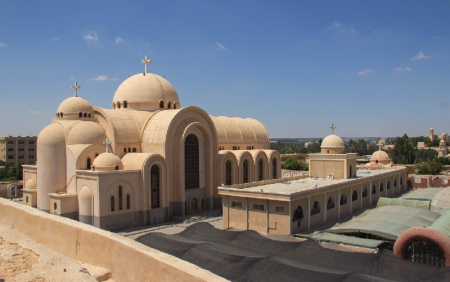
Monastery of Syrians in Wadi Natrun, founded 984 AD, houses oldest Syriac manuscript (411 AD) & Church of Virgin Mary (645 AD) with frescoes.
Wadi El Natrun is Egypt's sacred valley located 100km from Cairo, 23 meters below sea level. Features 4 ancient Coptic monasteries from 330 AD with Saint Pishoy's incorrupt body.
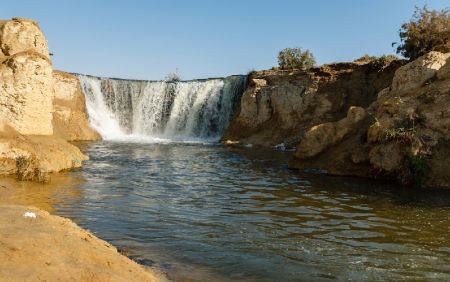
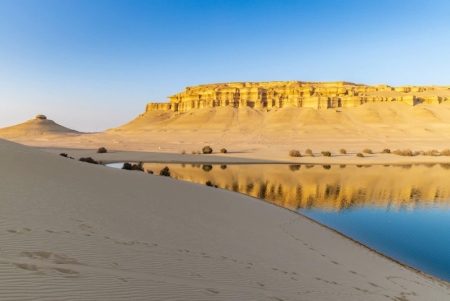
Wadi El Rayan is Egypt's premier desert sanctuary spanning 1,759 km² with two crystalline lakes, cascading waterfalls and 13 permanent bird species plus 26 migratory species.
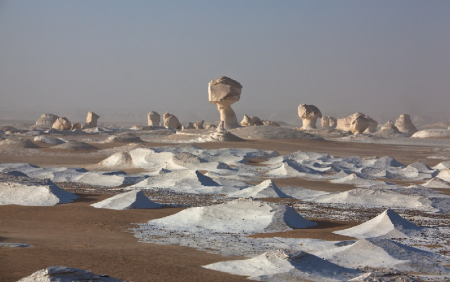
White Desert Egypt spans 300 km² of chalk formations 45km from Farafra with Crystal Mountain, Black Desert & Valley of Agabat. Rated 5.0/5.
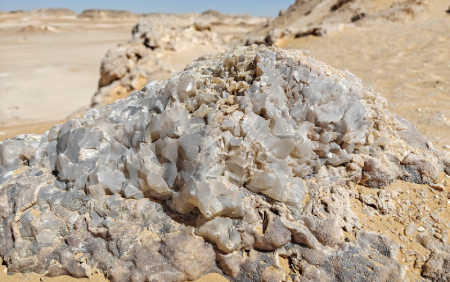
Discover Crystal Mountain Egypt—stunning barite & calcite arch between Bahariya & Farafra. Features hidden crystal caves, Bedouin secrets & sunrise views.
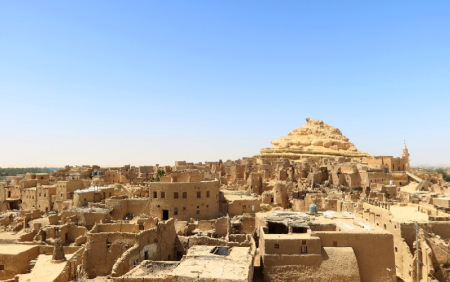
Mountain of the Dead in Siwa contains 3,000 tombs including Si-Amun, Mesu-Isis, Niperbathot & Crocodile with vivid wall paintings. 1km from town.
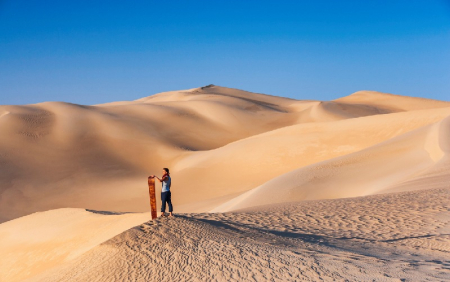
Great Sand Sea extends 650km with seif dunes up to 140m high between Egypt-Libya. Covers 10% of Egypt's Western Desert, gateway Siwa Oasis.
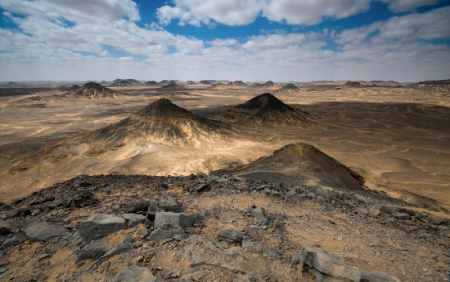
Black Desert, rated 4.5/5, features 100m basalt formations from ancient volcanic activity. Includes Agabat Valley, Crystal Mountain & desert fox.
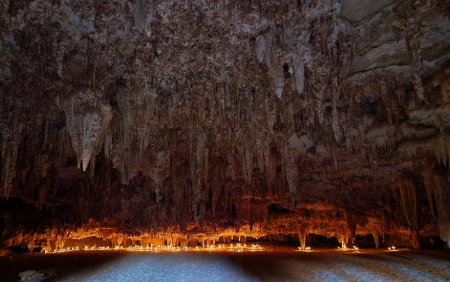
Djara Cave stretches 1,000m with 188+ murals from 10,200 BC, "frozen waterfall" stalactites, Cathedral chamber & Neolithic gazelle rock art.
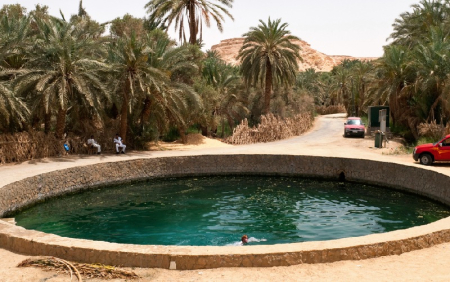
Cleopatra Bath in Siwa is a bubbling spring 752km from Cairo where Queen allegedly bathed. Mineral-rich healing waters, temperature-regulated.
El Bagawat is the world's oldest Christian cemetery with 263 chapels from 3rd-7th century. Features Chapel of Exodus & Peace with biblical art.
Qarun lake is considered the oldest natural lakes in the world, the third largest lake in Egypt and the rest of lake Old Maurice. Know more!
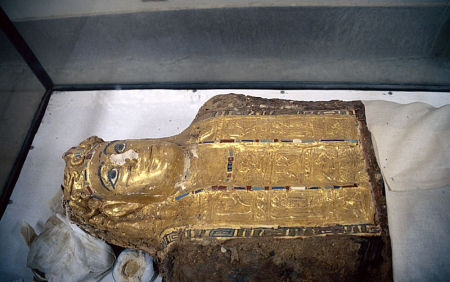
Valley of the Golden Mummies located in Bahariya Oasis, about 380 km west of the pyramids, It was built during the Greco - Roman period exhibits a variety of styles and a range of social status.
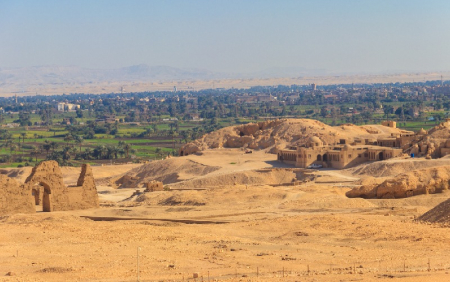
Find out what makes Deir el Bahari unique! Explore Hatshepsut's terraced temple, ancient Luxor monuments & Egyptian architectural genius. Learn more!
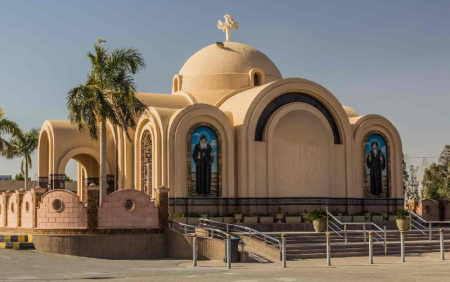
Learn the story of the Monastery of Saint Bishoy in Egypt: Saint Bishoy's incorrupt body, 5 churches & Coptic Orthodox history. Read the complete guide!
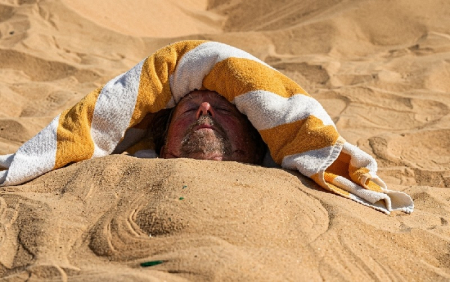
Siwa sand bathing: centuries-old Bedouin treatment using mineral-rich sand (40-50°C) for arthritis, chronic pain & stress. 7-10 daily sessions.
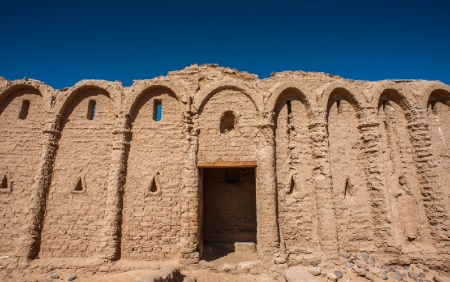
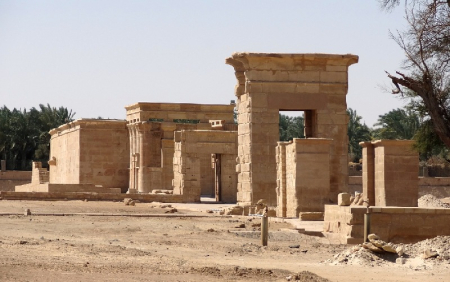
Uncover Temple of Hibis in Egypt's western desert. Explore the best-preserved Persian temple, Darius I's contributions & Amun-Ra shrine. Learn today!