Temple of Amun Karnak

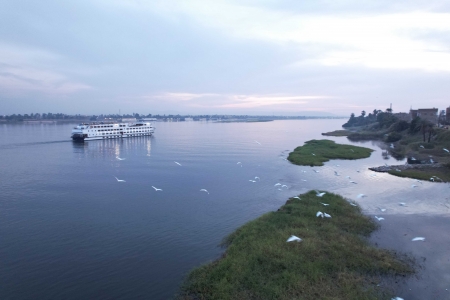
Ancient Egypt's architectural brilliance shines through the Temple of Amun at Karnak, which stands on the east bank of the Nile in modern-day Luxor. Multiple pharaohs commissioned this magnificent structure over 2,000 years, beginning around 2055 BCE in the ancient capital of Thebes.
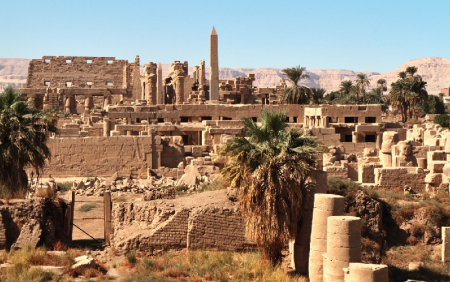
This sacred complex covers approximately 200 acres (80 hectares), making it one of the largest religious sites ever built. The temple's story began with modest origins in the Middle Kingdom. Successive pharaohs including Hatshepsut, Thutmose III, Seti I, and Ramesses II expanded the complex until it became Egypt's most important religious center. The temple grew into a powerful spiritual heart of ancient Egypt, highlighting this monumental landmark's religious and political significance. Egyptian architectural traditions shaped the temple's design with its towering pylons, massive courtyards, halls, and sanctuaries. The complex served as a divine dwelling for Amun-Ra, the Egyptian pantheon's king of gods, who was believed to reside within this sacred space.
The Temple of Amun at Karnak stands majestically on the east bank of the Nile in Luxor (ancient Thebes), a city that served as Egypt's capital during the New Kingdom. This massive temple complex captivates visitors with its towering columns, colossal statues, and monumental gateways.
The modern city of Luxor in southern Egypt hosts this remarkable UNESCO World Heritage site. Karnak's position places it perfectly within ancient Thebes, which once served as the religious and political capital of Egypt for over 1,500 years. The temple sits approximately 3 kilometers north of Luxor Temple, connected by the historic Avenue of Sphinxes.
The temple's layout tells an extraordinary story. The main east-west axis aligns with the sunrise, symbolizing rebirth and renewal associated with Amun-Ra, the sun god. Ancient Egyptians saw this as sacred cosmic alignment connecting heaven and earth.
The Karnak temple became the most powerful religious center in ancient Egypt because of its location in Thebes, the political capital. Pharaohs from the New Kingdom made it their primary duty to expand and beautify this temple, demonstrating their devotion and legitimacy to rule.
Luxor's dry climate has helped preserve many architectural details and vibrant painted reliefs that might have vanished in more humid regions. The Nile's annual flooding enriched the surrounding lands, making Thebes wealthy and enabling the temple's continuous expansion.
The Temple of Amun at Karnak showcases the most remarkable architectural achievement in ancient Egypt. The complex evolved over 2,000 years with each pharaoh adding pylons, courts, halls, and sanctuaries. The temple follows a traditional Egyptian layout but on an unprecedented massive scale.
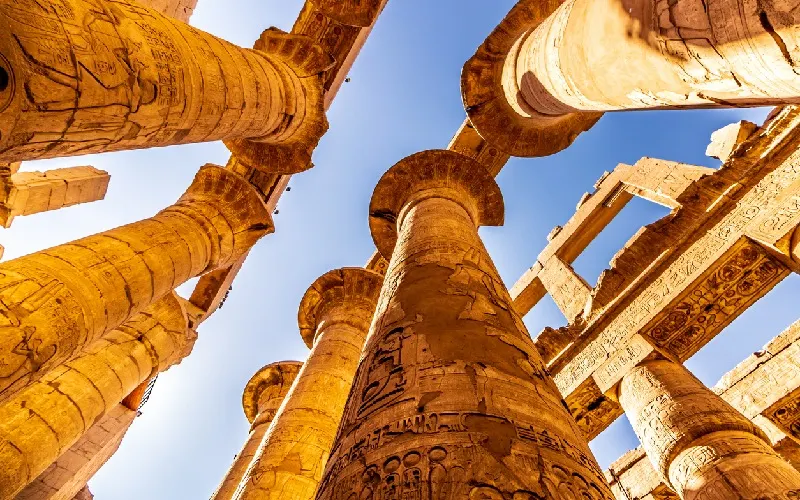
The Great Hypostyle Hall stands as Karnak's most breathtaking feature, covering 50,000 square feet with 134 massive sandstone columns arranged in 16 rows. The 12 central columns rise 69 feet (21 meters) high with capitals wide enough to hold 50 people standing. This grand space was built primarily by Seti I and completed by Ramesses II, creating a stone forest that once supported a roof.
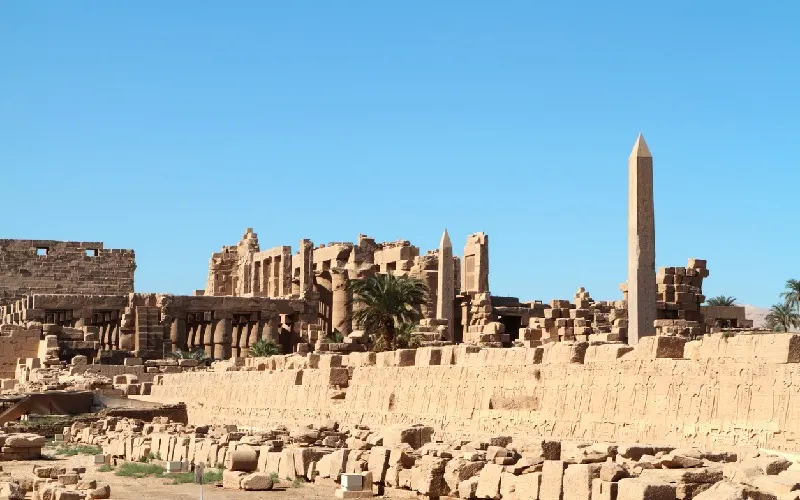
The temple's processional way leads through 10 massive pylons (monumental gateways), each built by different pharaohs. The First Pylon, though never completed, measures 371 feet (113 meters) wide and stands 141 feet (43 meters) high - the largest pylon in Egypt.
The temple's daily activities revolved around ritual worship. Priests would visit the Sacred Lake - a man-made reservoir measuring 393 feet by 252 feet - to purify themselves before entering the temple. These cleansing ceremonies happened several times each day to maintain ritual purity. The lake also housed sacred geese associated with Amun.
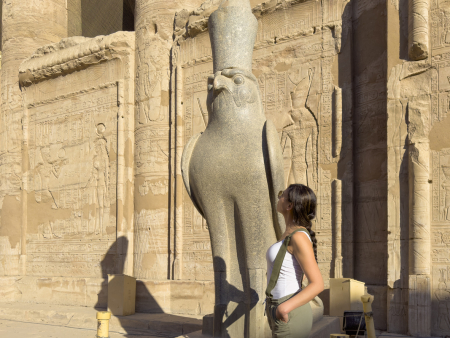
The temple walls display detailed relief carvings showing pharaohs presenting offerings to gods, military victories, and religious festivals. These carvings, once painted in vibrant colors, helped priests narrate sacred stories during ceremonies. The complex included workshops for crafting religious items, storehouses, administrative buildings, and priests' living quarters.
The sanctuary floor rises gradually as one walks deeper inside, following ancient Egyptian temple design representing the primeval mound's emergence from creation waters. This architectural feature connected the temple to "zep tepi" - the mythological first moment of creation.
Get in touch with our local experts for an unforgettable journey.
Plan Your Trip
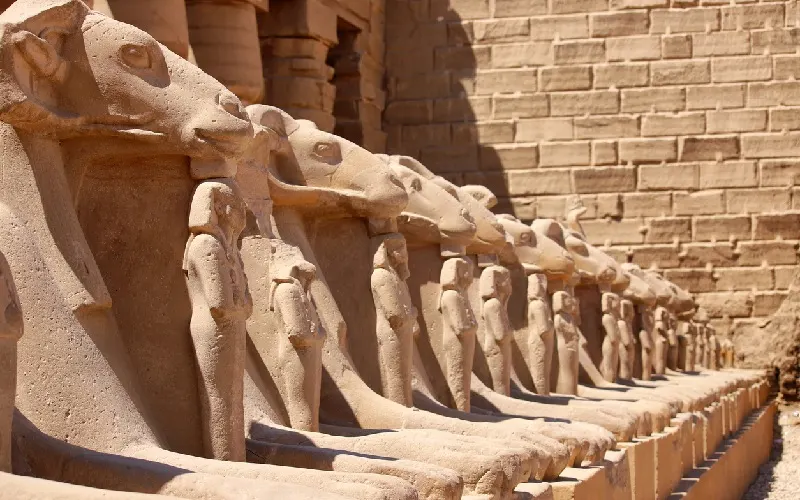
A 1.7-mile (2.7 km) ceremonial pathway lined with over 1,000 sphinx statues once connected Karnak Temple to Luxor Temple. This Avenue of Sphinxes (also called the Way of God) served as the processional route during the annual Opet Festival, ancient Egypt's most important religious celebration.
During Opet Festival, priests carried sacred barque boats containing statues of Amun, Mut, and Khonsu from Karnak to Luxor Temple. This journey symbolized the annual flooding of the Nile and the renewal of pharaoh's divine power. Thousands of Egyptians lined the avenue, celebrating with music, dancing, and offerings.
The sphinxes along this sacred way have different forms. Ram-headed sphinxes (criosphinxes) protect small statues of pharaohs between their paws, while human-headed sphinxes line other sections. The ram represented Amun, making these guardian statues particularly sacred.
Recent restoration projects have reopened sections of this ancient avenue, allowing modern visitors to walk the same path ancient Egyptians traveled 3,000 years ago.
The Temple of Amun at Karnak stood not just as an architectural marvel, but as the heart of Egyptian religion and politics. Ancient pharaohs knew that control of Karnak meant legitimacy to rule all Egypt. This magnificent temple served dual purposes - a spiritual sanctuary and a powerful tool for demonstrating divine favor and royal authority.
Every pharaoh from the Middle Kingdom through the Ptolemaic period made expanding Karnak a priority. Adding new pylons, halls, or obelisks demonstrated the ruler's devotion to Amun-Ra and their right to rule. The temple inscriptions record military victories, territorial expansion, and divine blessings that legitimized pharaonic power.
The High Priests of Amun wielded enormous influence. By the late New Kingdom, they controlled vast wealth and land, sometimes rivaling the pharaoh's own power. These priests acted as intermediaries between gods and humans, and their pronouncements could make or break a ruler's legitimacy.
The temple's economic power was staggering. At its height, Karnak owned 81,000 enslaved people, 421,000 head of cattle, 433 gardens and orchards, 691,000 acres of land, 65 cities, and 83 ships. Annual offerings included 2,395 square miles of land throughout Egypt. This made Karnak not just a religious center but an economic empire.
The annual Opet Festival brought together priests, pharaohs, and common people in massive celebrations. While ordinary Egyptians couldn't enter the inner sanctuaries, they participated in festivals and left offerings in outer courtyards, maintaining their connection to divine power.
Location: East bank of the Nile in Luxor, approximately 3 km north of Luxor Temple
Opening Hours: Daily from 6:00 AM to 5:30 PM (winter) and 6:00 AM to 6:00 PM (summer)
Entry Fees: Approximately 200 EGP for adults, 100 EGP for students with valid ID
Best Time to Visit:
Sound and Light Show: Evening shows available in multiple languages, showcasing the temple's history through illumination and narration. Shows run at 6:30 PM, 7:45 PM, and 9:00 PM depending on season.
What to See:
Practical Tips:
Getting There:
The Temple of Amun at Karnak is located on the east bank of the Nile in Luxor (ancient Thebes), southern Egypt. It sits approximately 3 kilometers north of Luxor Temple and covers about 200 acres, making it one of the largest religious complexes in the world.
Construction began around 2055 BCE during the Middle Kingdom and continued for over 2,000 years. Multiple pharaohs including Hatshepsut, Thutmose III, Seti I, and Ramesses II contributed to the complex, each adding pylons, halls, and sanctuaries.
The Great Hypostyle Hall is Karnak's most famous feature, covering 50,000 square feet with 134 massive sandstone columns arranged in 16 rows. The 12 central columns rise 69 feet (21 meters) high. It was built primarily by Seti I and completed by Ramesses II.
Karnak Temple covers approximately 200 acres (80 hectares), making it the largest religious complex ever built. The complex includes 10 massive pylons, numerous courtyards, halls, sanctuaries, and the Sacred Lake measuring 393 feet by 252 feet.
The Avenue of Sphinxes is a 1.7-mile (2.7 km) ceremonial pathway lined with over 1,000 sphinx statues connecting Karnak Temple to Luxor Temple. It served as the processional route during the annual Opet Festival and has been partially restored for visitors.
The Opet Festival was ancient Egypt's most important religious celebration where priests carried sacred barque boats containing statues of Amun, Mut, and Khonsu from Karnak to Luxor Temple. This symbolized the Nile's flooding and renewal of pharaoh's divine power.
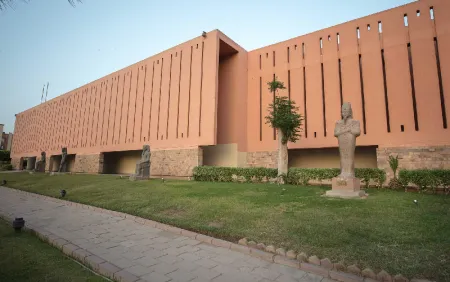
Luxor Museum, opened 1975 on Nile Corniche, features Tutankhamun treasures, 26 Temple Cachette statues & royal mummies. Rated 4.6/5 by 1,600+ visitors.
Temple of Amun at Karnak, Luxor, covers 200 acres with Great Hypostyle Hall (134 columns), Sacred Lake & 10 pylons. Built 2055 BCE-Ptolemaic era.