Agricultural Museum Egypt, Cairo

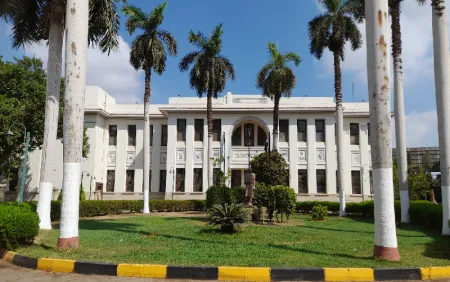
Cairo's Agricultural Museum ranks as the world's second oldest museum of its kind since opening its doors in 1938. Recent reports indicate the museum might be closed now. This historic institution previously displayed more than 1,000 ancient animal and geological artifacts that Egypt's Central Department of Archeological Acquisitions reviewed and documented as of 2017.
The museum boasts seven distinct exhibition halls that showcase different aspects of natural history and agricultural science. Visitors can explore several specialized sections like the Ancient Egyptian agriculture museum, scientific models museum, plant wealth museum. The unique Cotton Museum, hosted in 1920, welcomed its first visitors in 1926. Though the museum remains closed in recent years, it stands as a vital cultural landmark that brings together Greek, Roman, Coptic, and Islamic agricultural heritage under one roof.
The Agricultural Museum is located in Cairo, Egypt, and ranks as the world's second oldest museum of its kind. Established in 1938, it sits as a historic institution showcasing Egypt's agricultural heritage across different civilizations.
The Agricultural Museum opened its doors in 1938, making it the world's second oldest museum of its kind. The Cotton Museum section, which is part of the complex, was hosted in 1920 and welcomed its first visitors in 1926.
The agricultural museum in Cairo holds more than just its main exhibits. Hidden halls, rarely mentioned in regular tour guides, house some of the museum's most captivating artifacts that most casual visitors never see.
A remarkable collection of traditional farming tools lies tucked away in the museum complex. These artifacts showcase centuries of Egyptian agricultural history through handcrafted wooden plows and complex irrigation devices that tell the story of farming's development through different periods.
The museum's quiet corners hold something even more special - displays of ancient seed varieties from pharaonic times. This collection stands as one of the world's oldest documented seed banks and gives researchers a great way to get genetic material from Egypt's agricultural past.
These lesser-known halls contain an impressive collection of historical documents that detail land ownership systems and agricultural taxation methods from various Egyptian dynasties. These texts show how farming practices shaped economic structures over thousands of years.
Skilled conservators work in several restoration workshops that visitors rarely see. They carefully preserve delicate artifacts - from papyrus scrolls filled with agricultural knowledge to fragile models showing ancient farming methods.
Small exhibition rooms feature stunning dioramas of rural Egyptian life from different historical periods. These carefully crafted scenes give visitors a glimpse into the daily lives of farmers who supported Egyptian civilization for millennia.
The museum features seven distinct exhibition halls that showcase different aspects of natural history and agricultural science. These specialized sections include the Ancient Egyptian Agriculture Museum, Scientific Models Museum, Plant Wealth Museum, and the unique Cotton Museum.
The Museum of Ancient Egyptian Agriculture stands as the masterpiece of the agricultural museum complex. Since its opening in 1938, this section has housed the museum's most precious exhibits. Visitors can explore artifacts that tell the story of farming over 7,000 years, providing a complete look at Egypt's agricultural rise.
This section captivates visitors by showing agriculture's vital role in ancient Egyptian civilization. Rare specimens of extinct plants are on display, including the sacred "barasa" plant that ancient Egyptians considered spiritually important. The exhibits also showcase ancient farming tools - wooden plows pulled by oxen, along with shovels and hoes that farmers used to plant and harvest crops.
Visitors can see the powerful connection between the Nile River and Egyptian farming practices. The river's yearly floods left rich silt deposits on the floodplains, which created perfect conditions for farming. Historical records show that King Menes built a massive stone dam around 4875 BP to control the Nile's flow and irrigate the land.
Agriculture's influence reached deep into religious life. The Egyptians linked their god Osiris to farming and represented him through growing crops, especially wheat and barley. The museum shows how farming remained crucial to Egyptian society through Greek, Roman, Coptic, and Islamic periods, even as agricultural methods changed and advanced.
Get in touch with our local experts for an unforgettable journey.
Plan Your Trip
The reference library at Cairo's agricultural museum sits quietly away from its busy exhibition areas. This peaceful haven has become a rich source of knowledge for researchers and history buffs. Thousands of rare manuscripts, journals, and books fill its shelves, telling stories of agricultural practices, botanical research, and rural development throughout Egypt's remarkable past.
The library holds much more than the artifacts displayed in museum halls. Its fragile documents reveal the stories behind various tools and techniques. Scholars regularly visit to get into handwritten field notes from early 20th century botanists. They study hand-drawn illustrations of extinct crop varieties and detailed agricultural census records that span generations.
A climate-controlled archive room protects priceless photographic collections. These images showcase farming communities in different Egyptian regions. They capture traditional cultivation methods, irrigation systems, and seasonal harvest celebrations that have gradually faded from rural life.
New visitors often react with amazement when they find this hidden scholarly treasure. Many agricultural researchers believe this specialized library holds greater value than the museum's visible displays. The archived materials help them understand Egypt's agricultural heritage in its full context.
The museum offers research passes to serious scholars. These passes grant extended access to archived materials, making the library a paradise for anyone studying traditional farming methods.
Yes, the reference library sits quietly within the complex and houses thousands of rare manuscripts, journals, and books about agricultural practices, botanical research, and rural development. It includes climate-controlled archives protecting priceless photographic collections of farming communities.
The Agricultural Museum in Cairo is a hidden gem that most world museums can't match. This remarkable place houses treasures from thousands of years of farming history, though it's currently closed to visitors. Seven exhibition halls and many unexplored spaces show how Egyptian agriculture grew from pharaonic times through the Greek, Roman, Coptic, and Islamic periods.
The museum has much more to offer than what you see at first glance. Its hidden halls display traditional farming tools, ancient seed varieties, and historical documents that tell Egyptian agriculture's complete story. Some of the most interesting exhibits are tucked away in less-visited areas, where detailed dioramas show rural life from different time periods.
The Museum of Ancient Egyptian Agriculture sits at the heart of the complex with its 7,000-year story. This section shows how farming shaped Egyptian civilization beautifully. You can trace everything from religious beliefs around gods like Osiris to the clever engineering that used the Nile's yearly floods.
The reference library is a quiet haven that surprises most visitors. This peaceful space holds countless manuscripts, photographs, and records that give meaning to all the artifacts displayed in other parts of the museum.
This museum is more than just a collection of farming tools and plant specimens. It's a detailed time capsule that shows how agriculture became the foundation of one of history's greatest civilizations. Regular tourists might pass it by, but this amazing place deserves to be known as one of Cairo's most precious cultural treasures. Here, the past lives on through carefully preserved artifacts and knowledge.
Recent reports indicate the Agricultural Museum might be closed now. While it remains closed in recent years, it continues to stand as a vital cultural landmark preserving Egypt's agricultural history from pharaonic times through Greek, Roman, Coptic, and Islamic periods.
The musum previously displayed more than 1,000 ancient animal and geological artifacts documented by Egypt's Central Department of Archeological Acquisitions as of 2017. Collections include traditional farming tools, ancient seed varieties, irrigation devices, and historical documents.
The Museum of Ancient Egyptian Agriculture is the masterpiece of the complex, housing artifacts that tell the story of farming over 7,000 years. It showcases rare specimens of extinct plants including the sacred "barasa" plant, ancient farming tools like wooden plows, shovels, and hoes.
Hidden halls contain traditional farming tools, ancient seed varieties from pharaonic times (one of the world's oldest documented seed banks), historical documents detailing land ownership and taxation systems, restoration workshops, and detailed dioramas of rural Egyptian life.
The museum's collection of ancient seed varieties from pharaonic times stands as one of the world's oldest documented seed banks. This collection provides researchers invaluable genetic material from Egypt's agricultural past for scientific study.
The Nile River's yearly floods left rich silt deposits on floodplains, creating perfect conditions for farming. Historical records show King Menes built a massive stone dam around 4875 BP to control the Nile's flow and irrigate the land, demonstrating early water management.
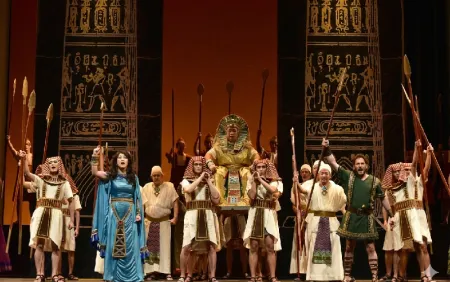
Opera Aida premiered in Cairo 1871, telling a timeless love story in ancient Egypt. Performed at Pyramids & temples, Verdi's masterpiece captivates audiences.
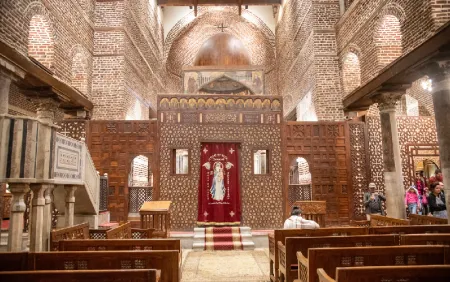
Saints Sergius and Bacchus Church were built to be dedicated to two Martyrs (Sergius and Bacchusand) traditionally believed to have been built on the spot where the Holy Family rested at the end of their journey into Egypt.
Cairo's Agricultural Museum, established 1938, features 7 halls showcasing 7,000 years of Egyptian farming history and ancient agricultural artifacts.
Fustat, founded 641 CE, was Egypt's first Islamic capital with 200,000 residents. This Silk Road trade hub beneath Old Cairo was deliberately destroyed in 1168.
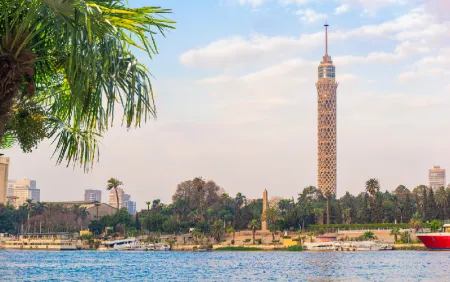
Cairo Tower's 187m lotus design offers 360° views & rotating restaurant. Discover hidden terrace & local secrets for Egypt's iconic landmark built 1956-1961.
Explore Birqash Camel Market in Cairo, where tradition and culture meet. Witness camel trading, local life, and a unique Egyptian market experience.
El Mosky is Cairo's authentic medieval marketplace from Ayyubid era. Serves locals with genuine prices, traditional crafts & spices. Metro accessible.
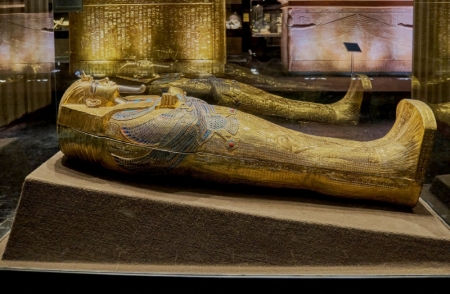
Learn about King Tutankhamun treasures and explore the secrets of his tomb, royal rituals, and preserved artifacts.
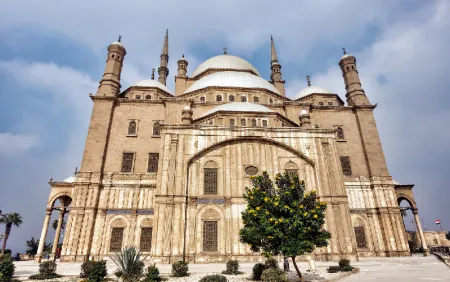
The Mohamed Ali Mosque is an Ottoman masterpiece built 1832-1857 inside Cairo Citadel. Called the Alabaster Mosque for its distinctive walls, it features a 52-meter central dome.
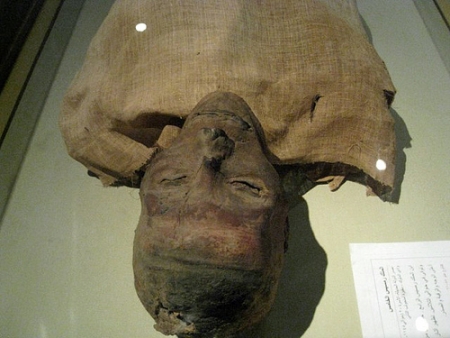
Egyptian mummies at Cairo's museums include 22 royal pharaohs moved in 2021 to NMEC. Features Tutankhamun, Hatshepsut, Seti I and 4,300-year-old preservation techniques.
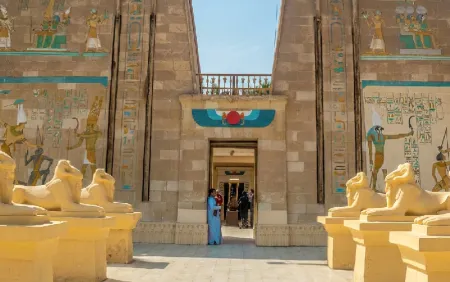
Pharaonic Village in Cairo, founded 1984, is a 30-acre living museum with 12 museums, King Tut's tomb replica & live ancient Egyptian demonstrations.
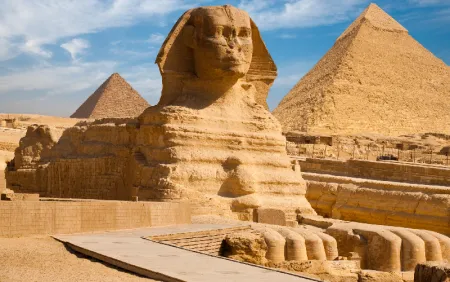
Great Sphinx of Giza, carved 2500 BCE, measures 73m long and 20m high. Contains three tunnels, hidden chambers & traces of red, blue & yellow paint.
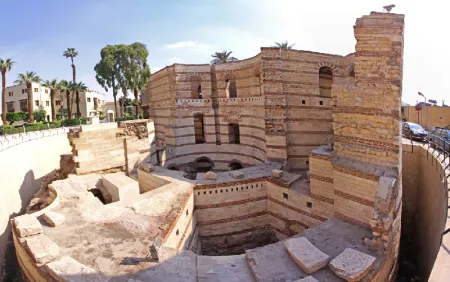
Babylon Fortress in Old Cairo, built 300 AD by Diocletian, features 10m Roman towers, Coptic churches, Ben Ezra Synagogue & museum with 16,000 artifacts.
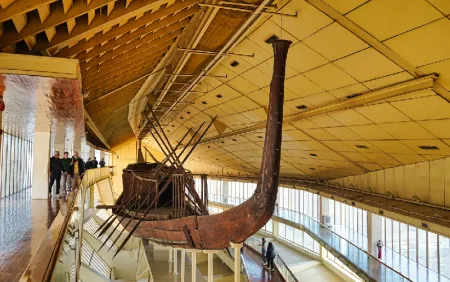
The Khufu Ship is a 4,600-year-old solar boat measuring 43.4 meters long. Built without nails using mortise-and-tenon joints, it's displayed at Grand Egyptian Museum.
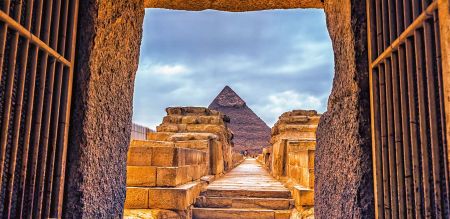
Experience the Valley Temple of Khafre like never before. Explore its purpose, design, and must-see highlights—read the full guide now!