Egyptian Ibis

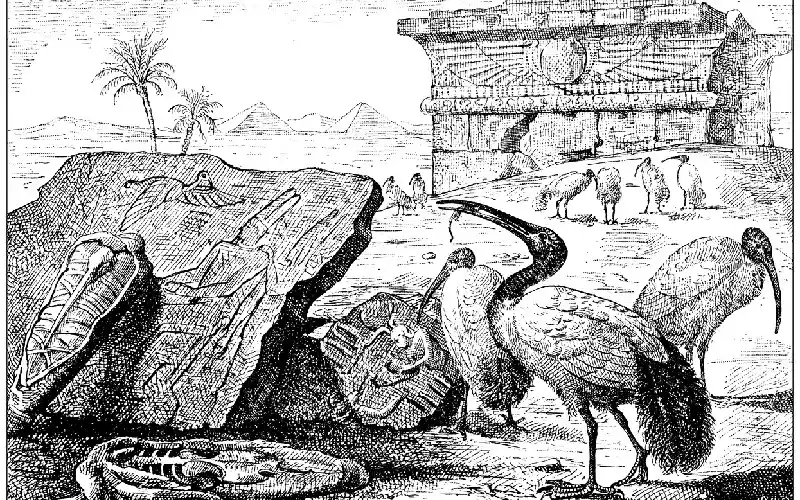
Eight million mummified birds—a figure that staggers modern comprehension—lie entombed across Egypt's ancient burial grounds, each specimen a testament to the extraordinary reverence accorded to the ibis in service of Thoth. These avian emissaries commanded unparalleled sacred authority throughout pharaonic civilization, their presence considered essential protection against serpentine threats and pestilential catastrophes that might otherwise devastate the realm.
The evolutionary heritage of this remarkable species extends an astounding sixty million years into the geological past, establishing its ancient credentials long before human civilization emerged. Sacred mummification protocols governing these birds commenced no later than 1,100 BC, establishing a millennium-long tradition that persisted until Egypt's final pharaonic dynasty concluded around 30 BC. Such unprecedented demand for ritual offerings necessitated the construction of elaborate breeding installations—facilities Herodotus documented as ibiotropheia—where priestly attendants orchestrated systematic egg collection and maintained vast captive populations through artificial incubation techniques. Archaeological investigations have unveiled breathtaking concentrations of these preserved specimens: 1.75 million specimens discovered at Saqqara's sacred precincts, while the necropolis of Tuna el-Gebel yielded an overwhelming four million individual mummies.
Eight million mummified ibis birds lie entombed across Egypt's ancient burial grounds. Archaeological investigations have unveiled breathtaking concentrations: 1.75 million specimens at Saqqara's sacred precincts and an overwhelming four million individual mummies at the necropolis of Tuna el-Gebel.
Threskiornis aethiopicus, the African sacred ibis, transcended mere religious association to achieve unprecedented theological status in ancient Egypt. Egyptian doctrine proclaimed this species as Thoth's living manifestation upon earth, representing wisdom's purest essence.
Sacred mummification protocols governing these birds commenced no later than 1,100 BC, establishing a millennium-long tradition that persisted until Egypt's final pharaonic dynasty concluded around 30 BC—spanning approximately 1,000 years.
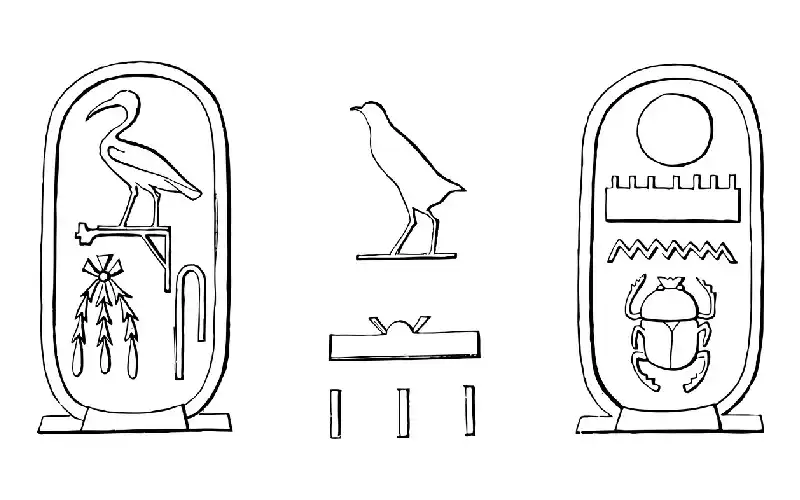
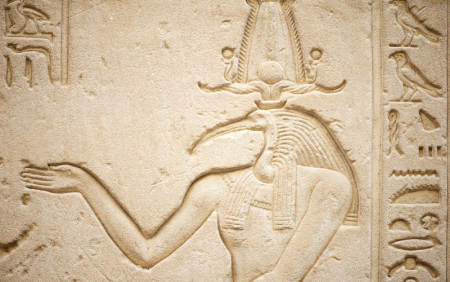
The theological foundations linking the ibis to Egyptian religious doctrine find their apex in the veneration of Thoth, whose iconographic representation dominated pharaonic artistic expression for millennia. Egyptian artisans consistently rendered this paramount deity as an anthropomorphic figure crowned with the distinctive ibis head, a deliberate symbolic choice rooted in profound cosmological understanding. The bird's characteristic curved beak served as a celestial mirror of the lunar crescent, establishing an intrinsic connection between avian form and Thoth's dominion over nocturnal cycles.
Threskiornis aethiopicus, the African sacred ibis, transcended mere religious association to achieve unprecedented theological status—Egyptian doctrine proclaimed this species as Thoth's living manifestation upon earth. Such divine embodiment elevated the bird to represent wisdom's purest essence, scholarly achievement, and celestial intelligence manifest in earthly form. Thoth's cosmic responsibilities encompassed universal maintenance, temporal measurement, event orchestration, and the sacred recording of divine utterances.
Egyptian theological interpretation attributed remarkable geometric significance to ibis anatomy and behavior. Sacred texts proclaimed each step measured precisely one cubit, while the bird's extended limbs created perfect equilateral triangles—geometric forms considered fundamental to cosmic architecture and divine measurement. The species' documented serpent-hunting prowess reflected Thoth's own capacity as divine destroyer of cosmic adversaries.
The ibis cult achieved unprecedented geographical distribution across Egyptian territories, distinguishing it from most sacred animals bound to specific temple complexes. Priestly hierarchies employed elaborate epithets—"the Ibis," "the venerable Ibis," and "Ibis-great-in-magic"—when invoking Thoth's presence. Egyptian scribal communities established universal devotion to this sacred bird, maintaining Thoth's imagery within their professional quarters as constant inspiration for intellectual pursuits.
The evolutionary heritage of the ibis species extends an astounding sixty million years into the geological past, establishing its ancient credentials long before human civilization emerged, making it one of Earth's most ancient bird lineages.
Napoleon's Egyptian expedition of 1798 inadvertently triggered one of paleontology's most contentious debates when his soldiers returned bearing ancient ibis mummies as scientific curiosities. Georges Cuvier, France's preeminent naturalist, wielded these millennia-old specimens as evidence against emerging evolutionary concepts, contending that the morphological consistency between ancient and contemporary birds proved species immutability. This "Sacred Ibis Debate" would ironically impede European acceptance of evolutionary theory for decades.
Archaeological endeavors have continued unveiling the staggering scale of ancient mummification practices. Recent calculations indicate that individual sites processed approximately 10,000 birds annually, creating the immense repositories discovered across Egypt's sacred landscape.
Modern genetic analysis has yielded particularly illuminating revelations about these ancient specimens. DNA extraction demonstrates that mummified birds possessed genetic diversity comparable to wild populations, definitively establishing that these creatures remained undomesticated—captured from natural habitats mere days before their ritual sacrifice.
The archaeological record reveals disturbing details regarding execution methods. Certain birds endured immersion while still alive into vats of molten resin. When shortages occurred, resourceful priests crafted deceptive mummies containing merely feathers or fragments of eggshell.
Beyond religious significance, the ibis fulfilled essential ecological services within ancient Egyptian society. These birds systematically controlled populations of aquatic snails harboring dangerous liver parasites, effectively safeguarding human communities that depended upon the same water sources for survival.
Recent calculations indicate that individual sites processed approximately 10,000 birds annually during the height of ancient Egyptian religious practices, creating the immense repositories of mummified specimens discovered across Egypt's sacred landscape.
The "Sacred Ibis Debate" occurred when Georges Cuvier, France's preeminent naturalist, used millennia-old ibis mummies from Napoleon's 1798 Egyptian expedition as evidence against emerging evolutionary concepts, contending that morphological consistency between ancient and contemporary birds proved species immutability.
Get in touch with our local experts for an unforgettable journey.
Plan Your Trip
The profound irony of extinction marks the African sacred ibis (Threskiornis aethiopicus) within its ancestral homeland—Egypt witnessed the final documented observation in 1891, concluding millennia of sacred association. Multiple anthropogenic pressures converged to eliminate this once-venerated species: habitat degradation, expanding urbanization, hunting pressures, and disrupted breeding territories collectively orchestrated its disappearance.
Contemporary populations flourish across sub-Saharan territories, where 220,000 to 450,000 individuals maintain robust demographic stability. Conservation assessments classify the species under "Least Concern" status, yet this designation masks the complete extirpation from Egypt's landscapes—a striking paradox of abundance elsewhere while absent from its sacred origins.
The Northern Bald Ibis presents a markedly different conservation narrative. Historical distributions once encompassed northern African territories, southern European regions, and Middle Eastern habitats before catastrophic population collapse reduced breeding pairs to a mere 59 individuals. Current wild populations persist precariously: approximately 600 birds inhabit Moroccan territories, while southern Turkey maintains a semi-wild population of roughly 200 individuals.
European territories now host unexpected populations of the African sacred ibis following wildlife facility escapes. France experienced the initial colonization events between 1993 and 2000, subsequently followed by Italian establishments. Italian populations demonstrated remarkable proliferation, achieving 1,249 active nests distributed across 31 distinct colonies by 2019—prompting European Commission designation as an Invasive Alien Species of Union Concern.
Contemporary populations flourish across sub-Saharan territories, where 220,000 to 450,000 individuals maintain robust demographic stability. Conservation assessments classify the species under "Least Concern" status, despite complete extirpation from Egypt's landscapes.
The Northern Bald Ibis presents a markedly different conservation narrative. Catastrophic population collapse reduced breeding pairs to a mere 59 individuals. Current wild populations persist precariously: approximately 600 birds inhabit Moroccan territories, while southern Turkey maintains a semi-wild population of roughly 200 individuals.
Yes, European territories now host unexpected populations of the African sacred ibis following wildlife facility escapes. France experienced initial colonization events between 1993 and 2000. Italian populations demonstrated remarkable proliferation, achieving 1,249 active nests across 31 distinct colonies by 2019.
The sacred ibis exemplifies the profound integration of wildlife within ancient religious frameworks, its significance extending far beyond mere ceremonial function. These magnificent creatures embodied divine wisdom itself, their physical forms serving as earthly vessels for Thoth's celestial authority throughout millennia of pharaonic rule. Such veneration manifests most dramatically through the systematic preservation of millions upon millions of specimens—a testament to devotional practices unparalleled in human history.
The subsequent journey of these mummified remains into European scientific circles reveals another fascinating chapter. When Napoleon's expedition retrieved these ancient specimens, they inadvertently triggered the "Sacred Ibis Debate"—a pivotal controversy where Georges Cuvier wielded these preserved birds as evidence against emerging evolutionary theories, thereby hindering scientific advancement for generations.
The species' complete disappearance from Egyptian soil by the late nineteenth century marks a profound irony. Threskiornis aethiopicus now flourishes across sub-Saharan territories with robust population stability, yet remains forever absent from the very lands where it once commanded divine status. Even more remarkable, these same birds have established themselves as unwelcome colonizers throughout European landscapes following captivity escapes—a complete reversal of their sacred heritage.
This extraordinary narrative arc—spanning divine messenger to scientific catalyst to ecological concern—illuminates humanity's evolving relationship with the natural world. The ibis continues to inspire scientific inquiry and cultural reflection, demonstrating how ancient reverence can transform into modern conservation challenges across the vast expanse of historical time.
The ibis was sacred as the living embodiment of Thoth, the Egyptian god of wisdom, writing, and the moon. The bird's characteristic curved beak served as a celestial mirror of the lunar crescent, establishing an intrinsic connection between avian form and Thoth's dominion over nocturnal cycles.
Ibiotropheia were elaborate breeding installations documented by Herodotus where priestly attendants orchestrated systematic egg collection and maintained vast captive ibis populations through artificial incubation techniques. These facilities supplied birds for sacred mummification rituals.
No, modern genetic analysis and DNA extraction demonstrate that mummified birds possessed genetic diversity comparable to wild populations, definitively establishing that these creatures remained undomesticated—captured from natural habitats mere days before their ritual sacrifice.
Egyptian theological interpretation attributed remarkable geometric significance to ibis anatomy and behavior. Sacred texts proclaimed each step measured precisely one cubit, while the bird's extended limbs created perfect equilateral triangles—geometric forms considered fundamental to cosmic architecture and divine measurement.
Egypt witnessed the final documented observation of the African sacred ibis in 1891, concluding millennia of sacred association. Multiple anthropogenic pressures converged to eliminate this once-venerated species: habitat degradation, expanding urbanization, hunting pressures, and disrupted breeding territories.
Beyond religious significance, the ibis fulfilled essential ecological services within ancient Egyptian society. These birds systematically controlled populations of aquatic snails harboring dangerous liver parasites, effectively safeguarding human communities that depended upon the same water sources for survival.
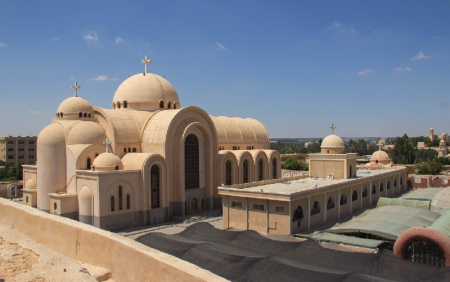
Monastery of Syrians in Wadi Natrun, founded 984 AD, houses oldest Syriac manuscript (411 AD) & Church of Virgin Mary (645 AD) with frescoes.
Wadi El Natrun is Egypt's sacred valley located 100km from Cairo, 23 meters below sea level. Features 4 ancient Coptic monasteries from 330 AD with Saint Pishoy's incorrupt body.
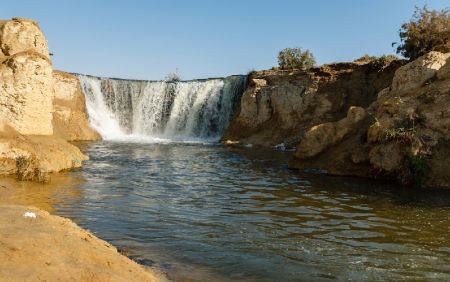
Wadi El Rayan is Egypt's premier desert sanctuary spanning 1,759 km² with two crystalline lakes, cascading waterfalls and 13 permanent bird species plus 26 migratory species.
White Desert Egypt spans 300 km² of chalk formations 45km from Farafra with Crystal Mountain, Black Desert & Valley of Agabat. Rated 5.0/5.
Discover Crystal Mountain Egypt—stunning barite & calcite arch between Bahariya & Farafra. Features hidden crystal caves, Bedouin secrets & sunrise views.
Mountain of the Dead in Siwa contains 3,000 tombs including Si-Amun, Mesu-Isis, Niperbathot & Crocodile with vivid wall paintings. 1km from town.
Great Sand Sea extends 650km with seif dunes up to 140m high between Egypt-Libya. Covers 10% of Egypt's Western Desert, gateway Siwa Oasis.
Black Desert, rated 4.5/5, features 100m basalt formations from ancient volcanic activity. Includes Agabat Valley, Crystal Mountain & desert fox.
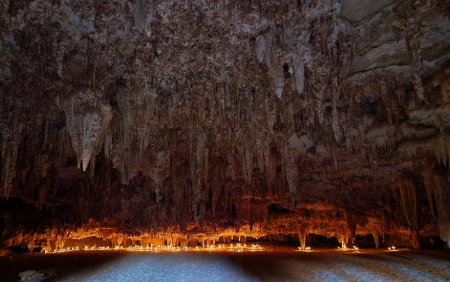
Djara Cave stretches 1,000m with 188+ murals from 10,200 BC, "frozen waterfall" stalactites, Cathedral chamber & Neolithic gazelle rock art.
Cleopatra Bath in Siwa is a bubbling spring 752km from Cairo where Queen allegedly bathed. Mineral-rich healing waters, temperature-regulated.
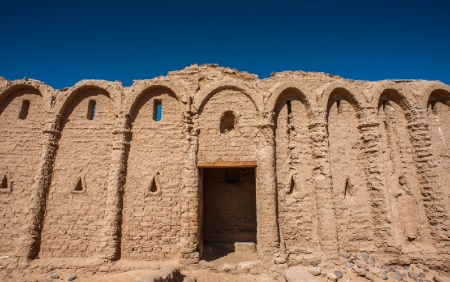
El Bagawat is the world's oldest Christian cemetery with 263 chapels from 3rd-7th century. Features Chapel of Exodus & Peace with biblical art.
Qarun lake is considered the oldest natural lakes in the world, the third largest lake in Egypt and the rest of lake Old Maurice. Know more!
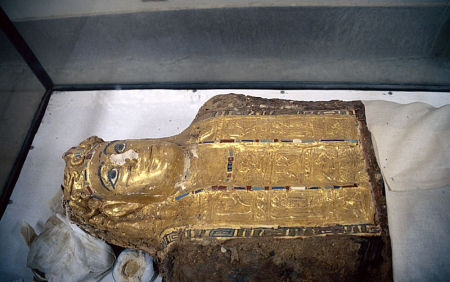
Valley of the Golden Mummies located in Bahariya Oasis, about 380 km west of the pyramids, It was built during the Greco - Roman period exhibits a variety of styles and a range of social status.
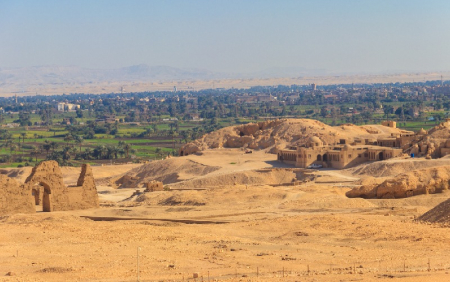
Find out what makes Deir el Bahari unique! Explore Hatshepsut's terraced temple, ancient Luxor monuments & Egyptian architectural genius. Learn more!
Learn the story of the Monastery of Saint Bishoy in Egypt: Saint Bishoy's incorrupt body, 5 churches & Coptic Orthodox history. Read the complete guide!
Siwa sand bathing: centuries-old Bedouin treatment using mineral-rich sand (40-50°C) for arthritis, chronic pain & stress. 7-10 daily sessions.
Uncover Temple of Hibis in Egypt's western desert. Explore the best-preserved Persian temple, Darius I's contributions & Amun-Ra shrine. Learn today!