Deir el Bahari

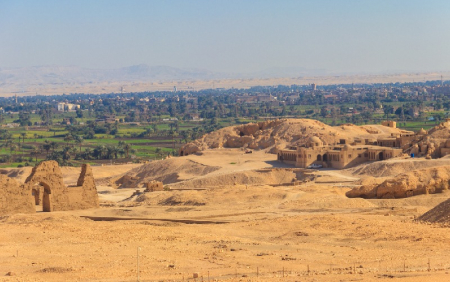
Deir el-Bahari ranks among Egypt's greatest architectural marvels. The complex sits on the Nile's west bank across from Luxor city. Its mortuary temples and tombs showcase centuries of ancient Egyptian brilliance and royal aspirations. These structures, built into towering cliffs, tell stories of Egypt's mightiest rulers and their quest for eternal life.
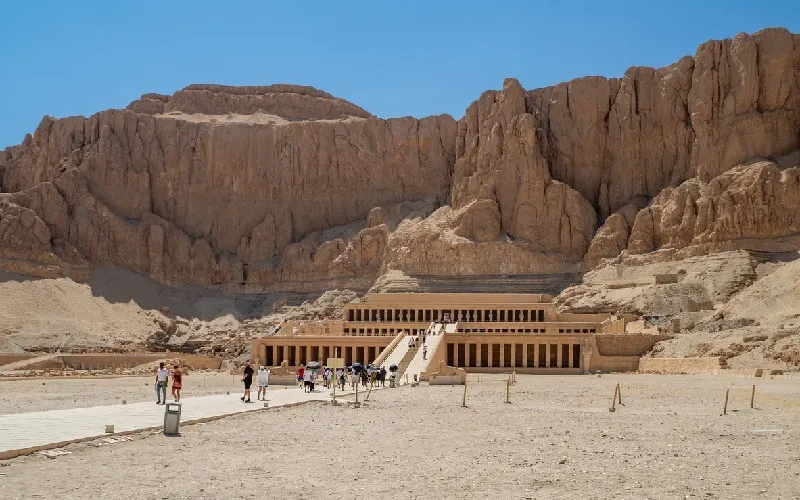
This sacred site's history covers several dynasties. Pharaoh Mentuhotep II (c.2061-2010 BCE) of the 11th Dynasty built the first temple at al Deir al Bahari. His temple marked Egypt's reunification after the First Intermediate Period. Queen Hatshepsut created the site's most impressive structure around 1470 BCE. Her architect, Senenmut, designed the terraced temple, known as Djeser-Djeseru, which remains al deir al bahari temple, Luxor's best-preserved structure today. On top of that, Pharaoh Thutmosis III built his own temple, completing the magnificent trio of monuments we see today.
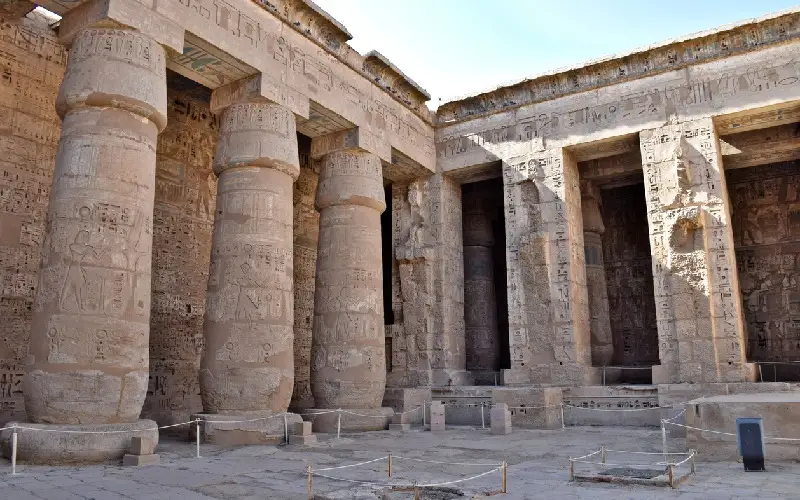
Deir el-Bahari's uniqueness comes from its creative use of the dramatic landscape. Hatshepsut's temple walls feature remarkable scenes. These include her famous expedition to Punt (modern Somalia) and the "Birth Colonnade" that shows her divine ancestry [-4]. The temples are a great way to get insights into Egypt's golden age. Thanks to extensive restoration work, visitors can experience these monuments that pharaohs built to last forever.
Deir el-Bahari rises directly from the cliffs, demonstrating a masterful fusion of natural landscape and human design. Rather than building beside the cliffs, the architects integrated the living rock into the temple’s structure, creating a revolutionary tomb-temple design that set new architectural standards.
Materials and Construction Techniques
Construction took approximately fourteen to sixteen years and began with careful material selection. Builders used local Theban limestone from two nearby sources: Hatshepsut’s quarry near the Valley of the Kings and another at Dababeya between Luxor and Esna. Sandstone and granite were incorporated for specific architectural elements.
The Terraced Design
The temple consists of three massive terraces rising to a height of 97 feet (29.5 metres). Broad ramps once lined with gardens connect the levels. Each terrace served a distinct purpose, with the uppermost level housing the most sacred chambers carved directly into the cliff face.
Artistic and Structural Innovation
Instead of constructing walls against the cliff, architects blended quarried stone with natural rock formations. Single limestone blocks were carved into columns, while walls were decorated with painted reliefs using mineral pigments. The result is a structure admired not only for beauty but also for its innovative adaptation to the site’s topography.
The sacred grounds of Deir el-Bahari contain three distinct temples, each reflecting different political and religious ambitions.
Mentuhotep II’s Temple
Mentuhotep II built the earliest temple after reunifying Egypt. His design broke from Old Kingdom traditions by introducing ceremonies in which kings actively served the gods. This innovation linked the king closely with Osiris and influenced later royal temples.
Queen Hatshepsut’s Temple (Djeser-Djeseru)
Djeser-Djeseru, meaning “Holy of Holies,” forms the heart of the complex. Designed by Senenmut, construction lasted nearly fifteen years. Reliefs on its walls depict Hatshepsut’s famous expedition to Punt, which brought exotic goods to Egypt. The Birth Colonnade portrays her divine origin, showing the god Amun assuming the form of her father, Thutmose I.
Thutmose III’s Temple
Thutmose III built his temple, Djeser-Akhet (“Holy of Horizon”), late in his reign between 1435 and 1425 BCE. Although destroyed by an earthquake early in the Twenty-first Dynasty, it once played a key role during the Beautiful Festival of the Valley, housing the sacred barque of Amun.
Get in touch with our local experts for an unforgettable journey.
Plan Your Trip
Deir el-Bahari, also known as Djeser-Djeseru, stands out for its revolutionary design that harmonises with its surroundings. Unlike most Egyptian temples, it emphasises long horizontal lines that mirror the dramatic vertical cliffs behind it.
Architecture as Royal Propaganda
The temple served as a powerful political tool. Hatshepsut used its reliefs to legitimise her contested rule, portraying herself as the daughter of Amun-Ra, the patron god of Thebes. Scenes of her Punt expedition further reinforced her authority and success.
Statues, Damage, and Restoration
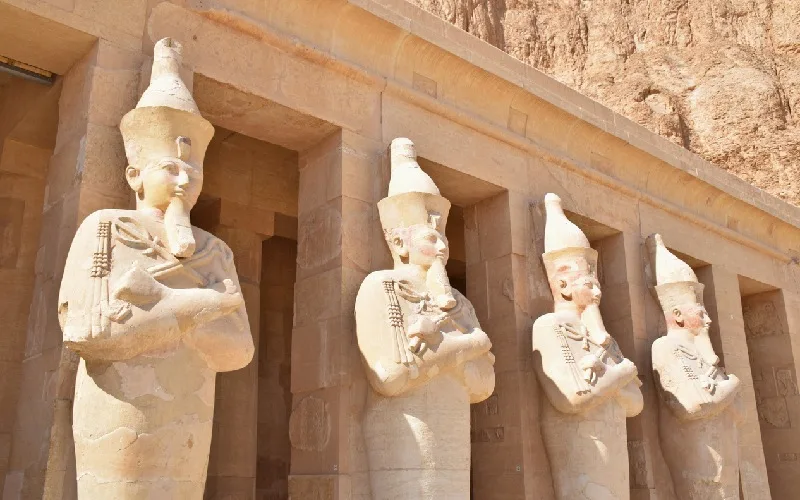
Numerous statues once filled the complex, crafted from various materials and placed strategically throughout the site. After Hatshepsut’s death, Thutmose III ordered many of her statues and images destroyed, though his motives remain debated.
Since 1961, the Polish–Egyptian Expedition has led extensive restoration efforts. Their team reconstructed more than 20 statues by hand, including sphinxes and Osiride figures, without heavy machinery. Despite historical damage and modern threats, including the 1997 terrorist attack, the site has endured.
Deir el-Bahari stands as lasting evidence of ancient Egyptian architectural genius. Its seamless integration with the cliff face represents one of the most innovative monument-building approaches in antiquity. From Mentuhotep II’s pioneering temple to Hatshepsut’s monumental terraces and Thutmose III’s additions, the site reflects centuries of royal ambition.
Politics, religion, and art converge here. Hatshepsut’s strategic use of imagery, divine lineage, and foreign achievements offers rare insight into Egypt’s golden age. Thanks to careful restoration, visitors today can experience much of the site’s original splendour.
Known as the “Holy of Holies,” Deir el-Bahari continues to captivate audiences worldwide. Its temples, carved into living rock, preserve an enduring story of Egypt’s quest for immortality and divine connection across millennia.
Deir el Bahari is located on the west bank of the Nile River in Luxor, Egypt, near the Valley of the Kings.
Deir el Bahari means "Monastery of the North" in Arabic. Its ancient name "Djeser-Djeseru" means "Holy of Holies."
Deir el Bahari is famous for its stunning terraced architecture carved into cliffs, Queen Hatshepsut's magnificent temple, and exceptional ancient reliefs showing the Punt expedition.
Mentuhotep II built the first temple around 2061-2010 BCE, Hatshepsut's temple was built around 1470 BCE, and Thutmose III's temple around 1435-1425 BCE.
Hatshepsut built Deir el Bahari to legitimize her rule as pharaoh and prove her divine right to the throne through religious and political propaganda.
Take a ferry across the Nile to the west bank, then hire a taxi or join an organized tour from Luxor city.
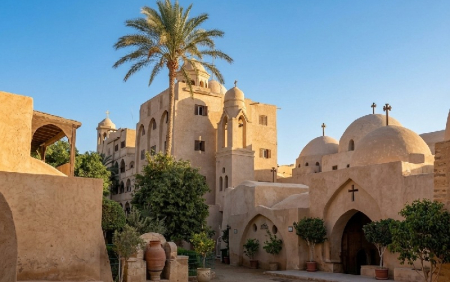
Monastery of Syrians in Wadi Natrun, founded 984 AD, houses oldest Syriac manuscript (411 AD) & Church of Virgin Mary (645 AD) with frescoes.
Wadi El Natrun is Egypt's sacred valley located 100km from Cairo, 23 meters below sea level. Features 4 ancient Coptic monasteries from 330 AD with Saint Pishoy's incorrupt body.
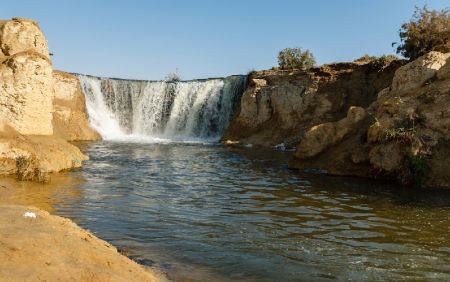
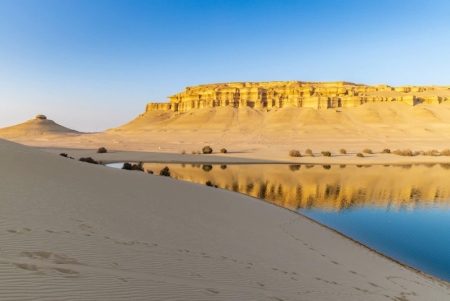
Wadi El Rayan is Egypt's premier desert sanctuary spanning 1,759 km² with two crystalline lakes, cascading waterfalls and 13 permanent bird species plus 26 migratory species.
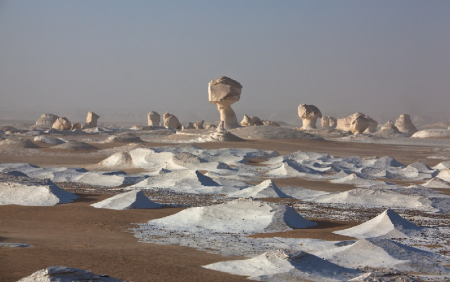
White Desert Egypt spans 300 km² of chalk formations 45km from Farafra with Crystal Mountain, Black Desert & Valley of Agabat. Rated 5.0/5.
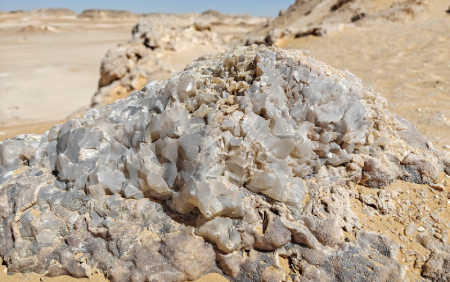
Discover Crystal Mountain Egypt—stunning barite & calcite arch between Bahariya & Farafra. Features hidden crystal caves, Bedouin secrets & sunrise views.
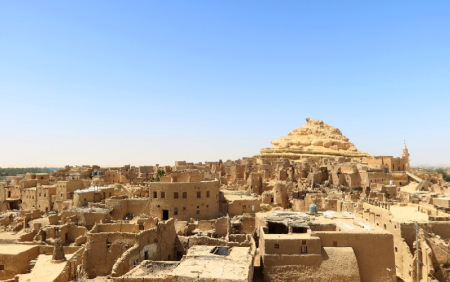
Mountain of the Dead in Siwa contains 3,000 tombs including Si-Amun, Mesu-Isis, Niperbathot & Crocodile with vivid wall paintings. 1km from town.
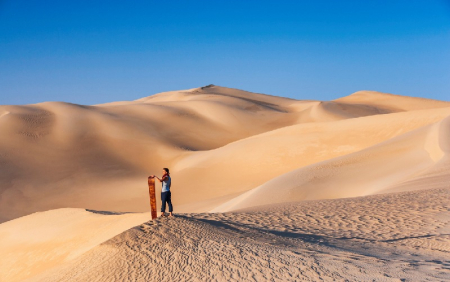
Great Sand Sea extends 650km with seif dunes up to 140m high between Egypt-Libya. Covers 10% of Egypt's Western Desert, gateway Siwa Oasis.
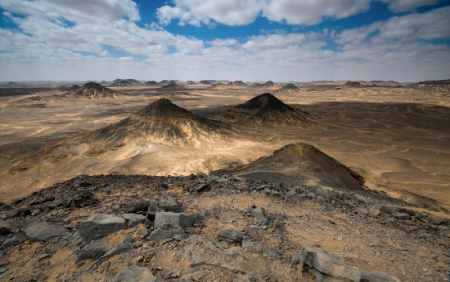
Black Desert, rated 4.5/5, features 100m basalt formations from ancient volcanic activity. Includes Agabat Valley, Crystal Mountain & desert fox.
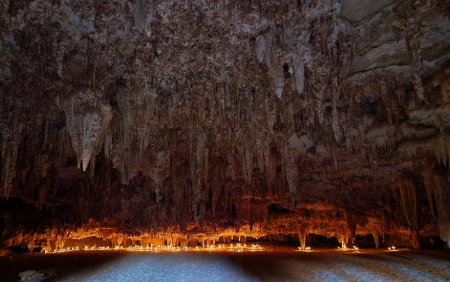
Djara Cave stretches 1,000m with 188+ murals from 10,200 BC, "frozen waterfall" stalactites, Cathedral chamber & Neolithic gazelle rock art.
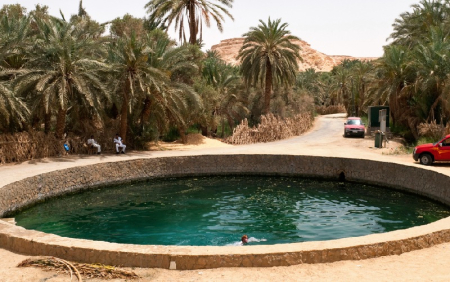
Cleopatra Bath in Siwa is a bubbling spring 752km from Cairo where Queen allegedly bathed. Mineral-rich healing waters, temperature-regulated.
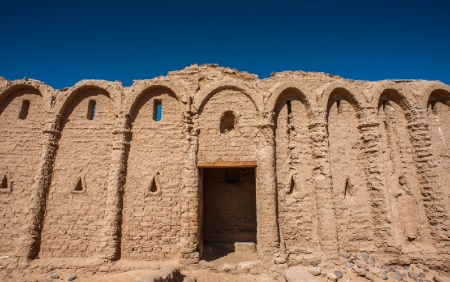
El Bagawat is the world's oldest Christian cemetery with 263 chapels from 3rd-7th century. Features Chapel of Exodus & Peace with biblical art.
Qarun lake is considered the oldest natural lakes in the world, the third largest lake in Egypt and the rest of lake Old Maurice. Know more!
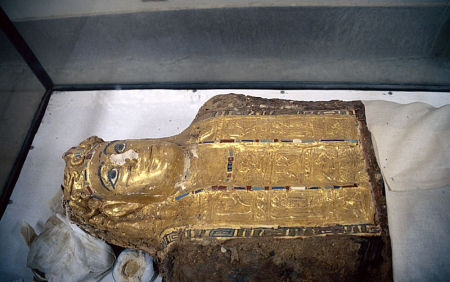
Valley of the Golden Mummies located in Bahariya Oasis, about 380 km west of the pyramids, It was built during the Greco - Roman period exhibits a variety of styles and a range of social status.
Find out what makes Deir el Bahari unique! Explore Hatshepsut's terraced temple, ancient Luxor monuments & Egyptian architectural genius. Learn more!
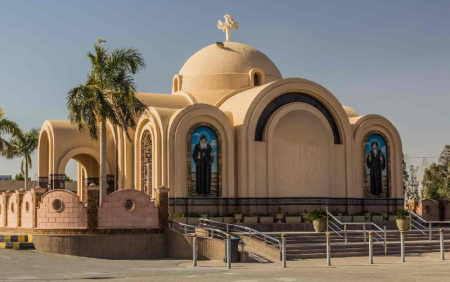
Learn the story of the Monastery of Saint Bishoy in Egypt: Saint Bishoy's incorrupt body, 5 churches & Coptic Orthodox history. Read the complete guide!
Siwa sand bathing: centuries-old Bedouin treatment using mineral-rich sand (40-50°C) for arthritis, chronic pain & stress. 7-10 daily sessions.
Uncover Temple of Hibis in Egypt's western desert. Explore the best-preserved Persian temple, Darius I's contributions & Amun-Ra shrine. Learn today!