Wadi El Rayan

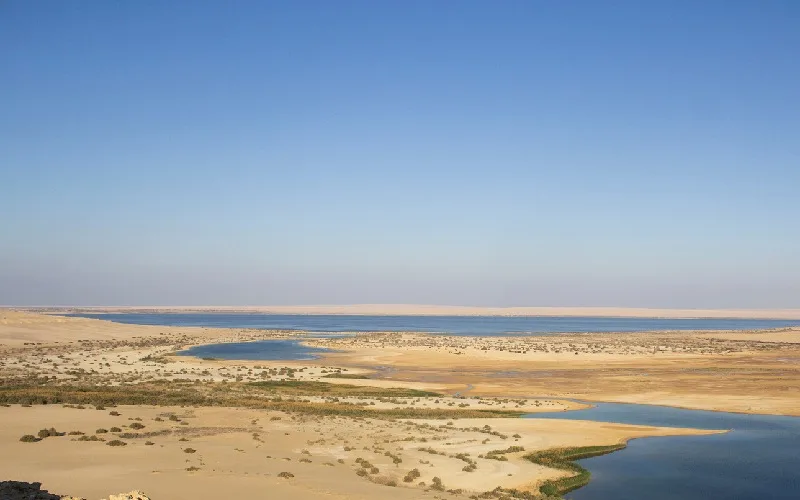
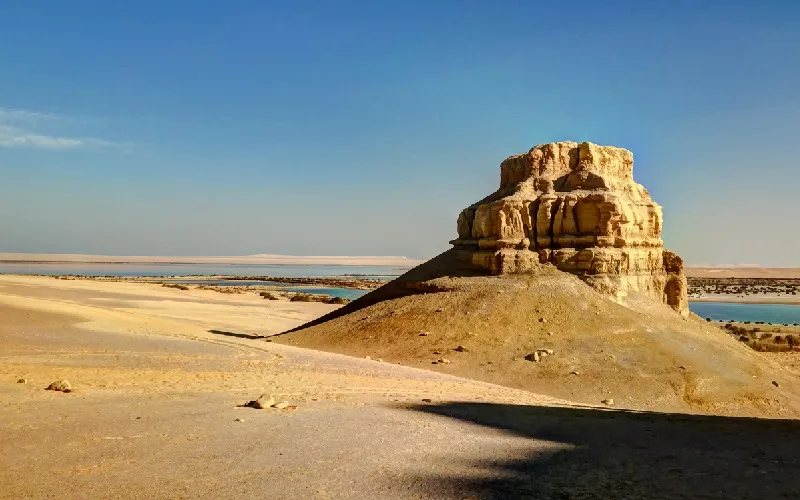
Deep within the Faiyum Governorate lies an extraordinary testament to human ingenuity and natural adaptation—Wadi El Rayan, a meticulously preserved 1759 km² desert sanctuary that defies conventional expectations of Egyptian landscapes. This remarkable protectorate harbors an aquatic anomaly: two crystalline lakes spanning 113 km² of surface area, their azure waters creating a startling juxtaposition against the surrounding ochre expanses.
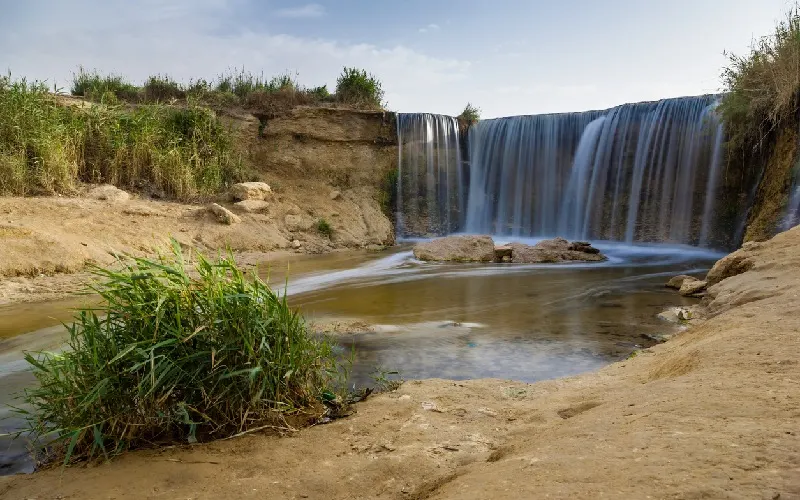
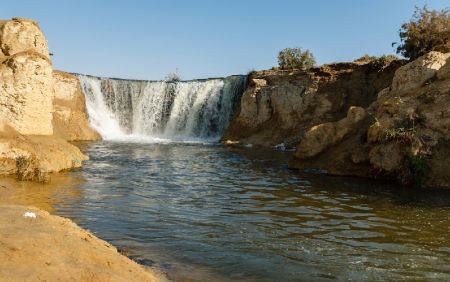
The engineering marvel reaches its crescendo at Egypt's most substantial waterfall system, where cascades tumble between the upper basin (50.90 km²) and its lower counterpart (62.00 km²), creating the nation's most impressive natural water feature. Born from agricultural necessity in 1973 and subsequently elevated to protected status in 1989, this Fayoum jewel has garnered exceptional recognition—achieving a remarkable 4.3/5 visitor rating and securing its position as Al Fayyum's premier natural attraction. The reserve's significance extends far beyond its visual splendor, functioning as a vital refuge for some of Earth's rarest fauna, notably harboring one of the planet's last remaining populations of the critically endangered slender-horned gazelle. This extraordinary convergence of ecological preservation and breathtaking topography represents a unique achievement in conservation, where scientific importance and natural magnificence unite in perfect harmony within Egypt's vast wilderness.
Wadi El Rayan is positioned strategically 65 kilometers southwest of Faiyum city and 80 kilometers west of the Nile River within the Faiyum Governorate. This 1,759 km² desert sanctuary is located in a natural depression positioned 42-60 meters below mean sea level.
Wadi El Rayan was created in 1973 through hydraulic engineering to redirect agricultural drainage from the Faiyum oasis. The area was subsequently elevated to protected status in 1989, transforming it into Egypt's premier desert protectorate.
Positioned strategically 65 kilometers southwest of Faiyum city and 80 kilometers west of the Nile River, Wadi El Rayan's genesis traces back to a sophisticated environmental engineering challenge that demanded unprecedented innovation. Prior to 1973, the Fayoum oasis channeled its entire drainage exclusively into Lake Qarun, a natural basin with finite absorption capacity. The mounting volume of highly saline excess drainage posed an imminent threat to adjacent agricultural territories, effectively constraining regional development potential.
The solution materialized through remarkable hydraulic engineering: a precisely calculated 9-kilometer open channel coupled with an 8-kilometer subterranean tunnel carved through the desert substrate. This ambitious infrastructure project successfully redirected surplus agricultural effluent into the naturally occurring Wadi El Rayan depression, a geological formation positioned 42-60 meters below mean sea level.
The hydraulic system generated a dual-basin configuration linked through controlled flow mechanisms. The Upper Lake established itself initially, encompassing approximately 53 km² at 10 meters below sea level. Upon reaching maximum capacity, overflow proceeds through the connecting waterway into the expansive Lower Lake (110 km²), positioned at 18 meters below sea level with depths extending to 33 meters.
Contemporary hydrological data reveals concerning trends within the Lower Lake, documenting consistent water loss of approximately 1.92 million m² annually over the preceding two decades. Inflow volumes have experienced a precipitous decline from 127.2 million m³/year recorded in 1996 to a mere 35.2 million m³/year by 2014, attributed primarily to intensified agricultural water consumption and expanding aquaculture operations throughout the interconnected lake system.
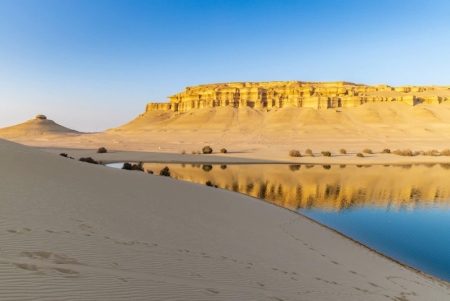
Wadi El Rayan features two crystalline lakes spanning 113 km² of total surface area. The Upper Lake encompasses approximately 50.90 km² at 10 meters below sea level, while the expansive Lower Lake covers 62.00 km² at 18 meters below sea level with depths extending to 33 meters.
Egypt's most substantial waterfall system is located at Wadi El Rayan, where cascades tumble between the upper basin and lower lake through controlled flow mechanisms. Despite their modest vertical drop of mere meters, they represent the nation's most impressive natural water feature.
Prior to 1973, the Fayoum oasis channeled drainage exclusively into Lake Qarun, which had finite absorption capacity. The mounting volume of highly saline excess drainage posed threats to adjacent agricultural territories, prompting engineers to redirect surplus agricultural effluent into the Wadi El Rayan depression.
The ecological tapestry of Wadi El Rayan reveals extraordinary biodiversity within this seemingly austere landscape. This protected sanctuary functions as the sole terrestrial refuge for the critically endangered slender-horned gazelle, representing the species' final bastion alongside eight additional mammalian inhabitants, including the diminutive fennec fox, Rüppell's fox, and the formidable sand wolf.
Ornithological diversity flourishes throughout the reserve's varied habitats, where 13 permanent avian residents coexist with 26 migratory species. Distinguished raptors such as the shahin falcon, deer falcon, and free falcon command the skies, while waterfowl including various ducks, quails, and herons populate the lacustrine environments. Ornithological significance reached new heights when researchers documented the first confirmed Booted Warbler observation in Egypt since 1993, marking a momentous discovery in 2025.
Botanical communities demonstrate remarkable adaptation strategies across distinct ecological zones. Hydrophytic and halophytic species colonize the lake peripheries, while xerophytic vegetation maintains sparse distribution patterns across the surrounding desert terrain. Dominant flora includes Phragmites australis, Tamarix nilotica, Juncus rigidus, and Alhagi graecorum, accompanied by indigenous species such as Aqool, zygoghyllum, Athl Tomarex, and Halfa, which demonstrate exceptional resilience within these harsh environmental conditions.
Paleontological significance elevates this region beyond contemporary ecological importance. Research scientists and archaeological specialists converge here to examine marine fossils and archaeological artifacts. The adjacent Wadi El Hitan (Valley of the Whales) contains prehistoric cetacean remains—representing the earliest specimens ever documented—which earned UNESCO World Heritage recognition for their unparalleled scientific value.
Contemporary ecological pressures threaten this delicate balance. Scientific assessments reveal declining vegetation coverage correlating directly with diminishing water levels, creating cascading effects that jeopardize both wildlife populations and local fishing enterprises.
Wadi El Rayan functions as the sole terrestrial refuge for the critically endangered slender-horned gazelle, representing the species' final bastion. The reserve also houses eight additional mammalian species including the diminutive fennec fox, Rüppell's fox, and the sand wolf.
Ornithological diversity includes 13 permanent avian residents coexisting with 26 migratory species. Distinguished raptors such as the shahin falcon, deer falcon, and free falcon command the skies, while waterfowl including various ducks, quails, and herons populate the lakes.
Get in touch with our local experts for an unforgettable journey.
Plan Your Trip
The reserve's multifaceted landscape presents discerning visitors with an array of scientifically enriching activities that illuminate both natural processes and recreational possibilities. The cascading waterfalls between the interconnected basins command primary attention, representing Egypt's most substantial natural water feature despite their modest vertical drop of mere meters.
Ornithological pursuits reach their zenith during cooler months, when the aquatic environment attracts an impressive assemblage of avian species—grebes, coots, various waterfowl, and shorebirds establish temporary residences along the shorelines. The pristine lake waters offer exceptional swimming conditions, their clarity maintained through the desert's natural filtration processes, providing welcome respite during the region's intense summer temperatures.
Pedestrian exploration reveals intricate trail networks that snake across the valley floor, affording observers commanding perspectives of the dramatic cliff formations and aquatic expanses. Nocturnal enthusiasts increasingly favor camping expeditions beneath the desert's unobstructed celestial canopy, where minimal light pollution creates optimal stargazing conditions at designated sites equipped with fundamental facilities.
Adventure-oriented activities encompass:
A brief 45-minute journey reveals Wadi El Hitan (Valley of Whales), a UNESCO-designated paleontological site containing extraordinary 40-million-year-old cetacean remains. This remarkable fossil repository preserves approximately 1,000 prehistoric whale specimens, including rare examples exhibiting preserved posterior appendages that document evolutionary transitions.
Photographic documentation achieves optimal results during the golden hours of dawn and dusk, particularly around the aquatic margins where seasonal bird populations create dynamic compositional elements against the dramatic geological backdrop.
Ornithological significance reached new heights when researchers documented the first confirmed Booted Warbler observation in Egypt since 1993, marking a momentous discovery in 2025 at Wadi El Rayan.
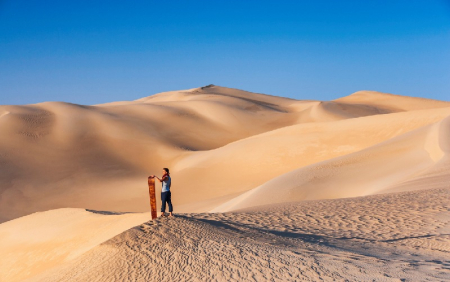
The Magic Lake is located adjacent to Wadi El Rayan's undulating dunes, offering sandboarding expeditions and unique desert landscapes. This area represents one of the reserve's most photographed locations with distinctive aquatic features.
Few destinations exemplify the intersection of human ingenuity and natural adaptation quite like Wadi El Rayan—a monument to engineering vision that has evolved into an ecological masterpiece of unprecedented significance. This extraordinary sanctuary represents far more than a mere tourist attraction; it embodies the remarkable capacity for artificial environments to foster authentic biodiversity and geological importance.
The genesis of these waters from practical agricultural necessity has yielded an ecosystem of global significance, particularly evident in its role as the sole terrestrial refuge for the critically endangered slender-horned gazelle. Such conservation achievements underscore the protectorate's scientific value, extending well beyond its undeniable aesthetic appeal.
Seasonal variations offer distinct experiences for the discerning visitor: winter months reveal optimal conditions for ornithological observation, while summer presents unparalleled aquatic recreation opportunities. The diverse recreational possibilities—from terrestrial navigation across undulating dunes to aquatic exploration of pristine waters—accommodate various adventure preferences. The proximity to Wadi El Hitan further enhances the region's paleontological significance, creating an unmatched concentration of natural and historical treasures.
Contemporary environmental pressures, including diminishing water volumes and vegetation decline, highlight the delicate balance maintaining this artificial oasis. Yet these challenges only amplify the remarkable achievement represented by Wadi El Rayan's continued ecological vitality—a testament to nature's extraordinary adaptability when provided with appropriate conditions.
Egypt's ancient wonders continue to captivate global imagination, yet this modern marvel in the Faiyum depression offers an equally compelling narrative of human achievement and natural resilience. Wadi El Rayan stands as proof that contemporary engineering can create lasting environmental legacies, fostering both ecological preservation and educational enlightenment for generations of future explorers.
Wadi El Rayan has garnered exceptional recognition with a remarkable 4.3 out of 5 visitor rating, securing its position as Al Fayyum's premier natural attraction. This high rating reflects its unique combination of natural beauty and ecological significance.
Wadi El Hitan (Valley of Whales) is a UNESCO-designated paleontological site located a brief 45-minute journey from Wadi El Rayan. It contains extraordinary 40-million-year-old cetacean remains, preserving approximately 1,000 prehistoric whale specimens with rare examples of evolutionary transitions.
Yes, contemporary hydrological data reveals concerning trends with the Lower Lake documenting consistent water loss of approximately 1.92 million m² annually over two decades. Inflow volumes declined from 127.2 million m³/year in 1996 to 35.2 million m³/year by 2014.
Activities include swimming in pristine lake waters, sandboarding across undulating dunes, mechanized desert traverses, watercraft navigation, camping beneath the desert's celestial canopy, birdwatching, and pedestrian exploration across intricate trail networks with commanding cliff perspectives.
Winter months reveal optimal conditions for ornithological observation when aquatic environments attract impressive assemblages of avian species. Summer presents unparalleled aquatic recreation opportunities with welcome swimming conditions. Dawn and dusk offer optimal photographic documentation opportunities.
Botanical communities demonstrate remarkable adaptation with hydrophytic and halophytic species colonizing lake peripheries, while xerophytic vegetation maintains sparse distribution across desert terrain. Dominant flora includes Phragmites australis, Tamarix nilotica, Juncus rigidus, Alhagi graecorum, and indigenous species like Aqool and Halfa.
Monastery of Syrians in Wadi Natrun, founded 984 AD, houses oldest Syriac manuscript (411 AD) & Church of Virgin Mary (645 AD) with frescoes.
Wadi El Natrun is Egypt's sacred valley located 100km from Cairo, 23 meters below sea level. Features 4 ancient Coptic monasteries from 330 AD with Saint Pishoy's incorrupt body.
Wadi El Rayan is Egypt's premier desert sanctuary spanning 1,759 km² with two crystalline lakes, cascading waterfalls and 13 permanent bird species plus 26 migratory species.
White Desert Egypt spans 300 km² of chalk formations 45km from Farafra with Crystal Mountain, Black Desert & Valley of Agabat. Rated 5.0/5.
Discover Crystal Mountain Egypt—stunning barite & calcite arch between Bahariya & Farafra. Features hidden crystal caves, Bedouin secrets & sunrise views.
Mountain of the Dead in Siwa contains 3,000 tombs including Si-Amun, Mesu-Isis, Niperbathot & Crocodile with vivid wall paintings. 1km from town.
Great Sand Sea extends 650km with seif dunes up to 140m high between Egypt-Libya. Covers 10% of Egypt's Western Desert, gateway Siwa Oasis.
Black Desert, rated 4.5/5, features 100m basalt formations from ancient volcanic activity. Includes Agabat Valley, Crystal Mountain & desert fox.
Djara Cave stretches 1,000m with 188+ murals from 10,200 BC, "frozen waterfall" stalactites, Cathedral chamber & Neolithic gazelle rock art.
Cleopatra Bath in Siwa is a bubbling spring 752km from Cairo where Queen allegedly bathed. Mineral-rich healing waters, temperature-regulated.
El Bagawat is the world's oldest Christian cemetery with 263 chapels from 3rd-7th century. Features Chapel of Exodus & Peace with biblical art.
Qarun lake is considered the oldest natural lakes in the world, the third largest lake in Egypt and the rest of lake Old Maurice. Know more!
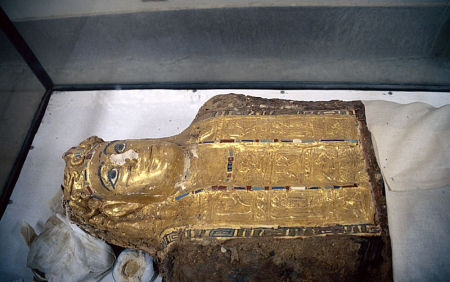
Valley of the Golden Mummies located in Bahariya Oasis, about 380 km west of the pyramids, It was built during the Greco - Roman period exhibits a variety of styles and a range of social status.
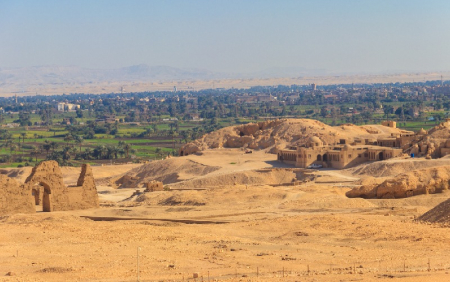
Find out what makes Deir el Bahari unique! Explore Hatshepsut's terraced temple, ancient Luxor monuments & Egyptian architectural genius. Learn more!
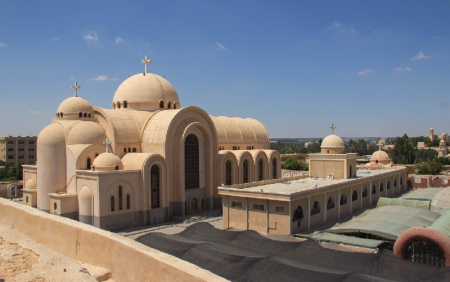
Learn the story of the Monastery of Saint Bishoy in Egypt: Saint Bishoy's incorrupt body, 5 churches & Coptic Orthodox history. Read the complete guide!
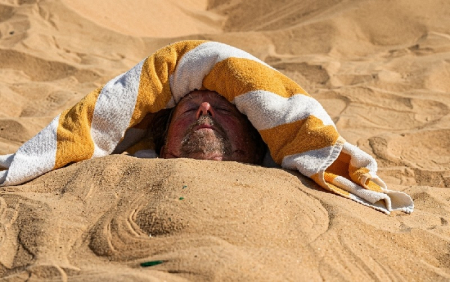
Siwa sand bathing: centuries-old Bedouin treatment using mineral-rich sand (40-50°C) for arthritis, chronic pain & stress. 7-10 daily sessions.
Uncover Temple of Hibis in Egypt's western desert. Explore the best-preserved Persian temple, Darius I's contributions & Amun-Ra shrine. Learn today!