Egypt Transportation Made Easy: Essential Tips for First-Time Visitors

Egypt's transportation system blends ancient history with modern convenience. My first visit to the country revealed something fascinating - Egypt runs Africa and the Middle East's oldest railway system, which started in 1854. The railway network covers 5,085 km and serves about 800 million passengers each year.
My travels showed me how quick and budget-friendly Egypt's public transport really is. The country's transportation network keeps getting better. The National Roads Project expanded roads by 29.8% since 2014, and they will reach 30,500 km by 2024. Cairo's metro system works smoothly and feels just like metro systems you'd find anywhere else in the world. Let me guide you through all your transport options as a first-time visitor - from city navigation to long-distance travel and exploring Egypt's 2,000 miles of waterways.
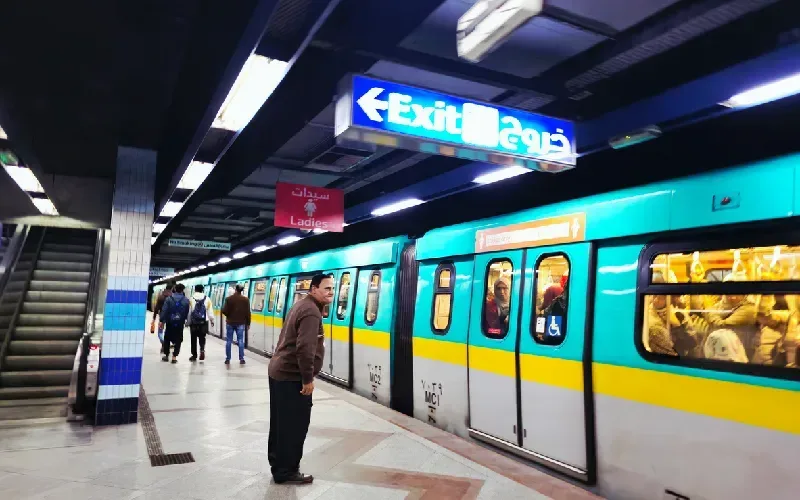
Getting around Egypt's busy cities means knowing your transport options. The Cairo Metro is your best bet to beat traffic, with three lines covering major areas. Trains operate daily from 5:00 AM to 1:00 AM. A ticket costs ₤E8 for 9 stops, ₤E10 for 16 stops, ₤E15 for 23 stops, and ₤E20 if you travel beyond 23 stops. Female travelers should know that the middle two cars (4th and 5th) on each train have been exclusively reserved for women since 1989.
Busses are a great option where the metro doesn't reach. Cairo Transit Authority runs public busses that you can spot by their distinctive blue, red, green, or yellow colors. Microbuses provide a budget-friendly choice for shorter distances.
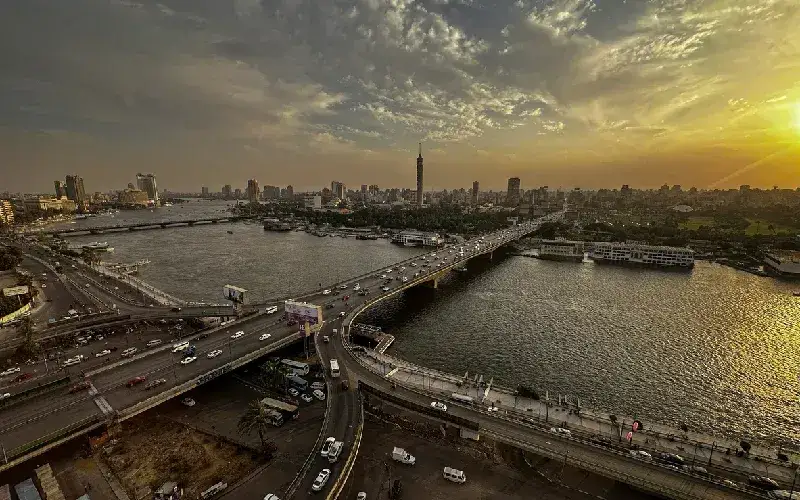
Cairo's traffic can add up to 60% extra time to your journey during peak hours. The roads get most crowded between 7:30-10:00 AM and 4:30-7:30 PM.
Ride-hailing apps like Uber and Careem serve all major cities. These services come with set prices and better comfort than regular taxis. Just keep some cash handy, as drivers might prefer it over app payments.
Smart travelers should avoid rush hours and stick to the metro for longer trips through city centers. This strategy helps dodge the worst traffic jams.
The Cairo Metro is the most efficient way to navigate the city, operating daily from 5:00 AM to 1:00 AM with tickets ranging from ₤E8-20 depending on distance. For areas not covered by the metro, use ride-hailing apps like Uber or Careem, or take public buses and microbuses for budget-friendly options.
Cairo Metro tickets are priced based on distance: ₤E8 for up to 9 stops, ₤E10 for up to 16 stops, ₤E15 for up to 23 stops, and ₤E20 for journeys beyond 23 stops. The metro operates three lines covering major areas of the city.
Yes, the Cairo Metro has designated women-only cars. Since 1989, the middle two cars (4th and 5th) on each train have been exclusively reserved for female passengers, providing a comfortable and safe travel option.
Egypt's major cities offer multiple travel options based on your budget, time and comfort priorities. Domestic flights connect popular tourist spots like Cairo, Luxor, Sharm El Sheik, and Hurghada. You'll find the best deals on flights in January.
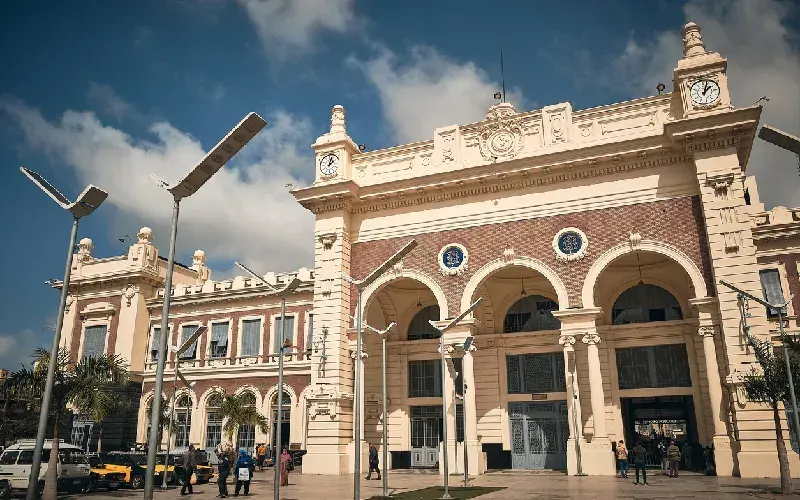
The Egyptian railway system serves as the country's traditional transport backbone. Trains between Cairo and Alexandria take about 2.5-3 hours and cost between EGP 57-130, depending on your class choice. The Cairo-Luxor route runs for 10 hours with tickets priced from EGP 114-202. Travelers can opt for overnight sleeper trains with private cabins at USD 90 per person for shared accommodation.
GoBus has emerged as a reliable option for city-to-city travel with various service levels throughout Egypt. The company's Elite Plus service comes with leather seats, WiFi access, and complimentary snacks. Popular routes include Cairo to Alexandria at 115 EGP for a 2.5-hour ride, Cairo to Hurghada at 225 EGP for 8 hours, and Cairo to Luxor at 255 EGP for a 12-hour journey.
New visitors should know that Egyptian Railways' website has booking restrictions for non-Egyptians and different pricing structures. You'll need to book through third-party websites or visit station "foreigner offices" directly.
Multiple options are available: trains take 2.5-3 hours and cost EGP 57-130, GoBus services take 2.5 hours for 115 EGP with WiFi and snacks, or domestic flights for faster travel. Trains and buses are the most popular choices for this route.
Get in touch with our local experts for an unforgettable journey.
Plan Your Trip
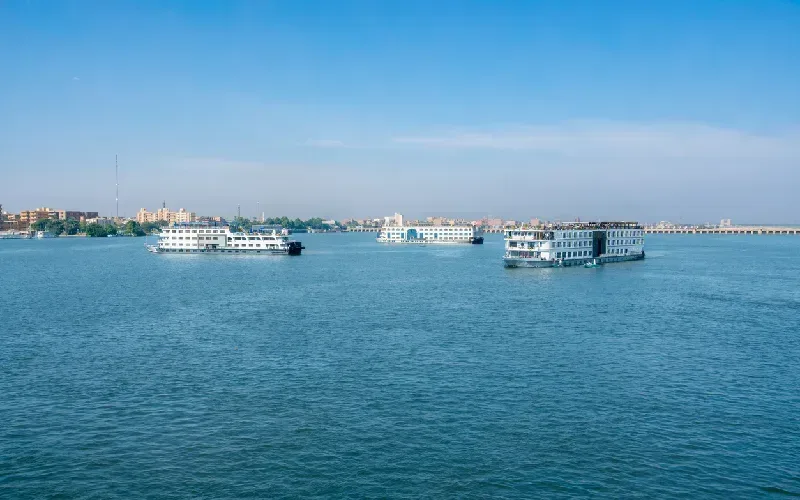
Egypt's waterways provide some of the most authentic transportation experiences. The historic Suez Canal, a sea-level waterway stretching 193 km between Port Said and Suez, stands as one of the world's busiest shipping lanes that handled 21,250 transits by 1966. Ferries serve as vital links across the Nile, with the Luxor Nile Ferry connecting tourists to major archeological sites like the Valley of the Kings and Temple of Hatshepsut.
Traditional wooden feluccas embody the spirit of Egyptian water transport. These ancient Egyptian-invented sailboats carry 8-12 passengers on cushioned decks under shady canopies. These wind-powered vessels operate only during daylight hours and moor at sunset.
Modern breakthroughs complement Egypt's traditional transportation methods. Cairo's first amphibious bus will launch in December 2025, connecting Athar El-Nabi to the Museum of Civilizations through both streets and the Nile. The Nile Taxi service provides speedboat transportation between Cairo's neighborhoods like Maadi, Zamalek, and Downtown. Tickets cost between 100-300 EGP (USD 3-10) for short trips, giving commuters a scenic alternative to busy roads.
Nile Taxi is a speedboat transportation service connecting Cairo neighborhoods like Maadi, Zamalek, and Downtown via the Nile River. Tickets cost 100-300 EGP (USD 3-10) for short trips, providing a scenic alternative to congested roads.
Feluccas are traditional wooden sailboats invented by ancient Egyptians, carrying 8-12 passengers on cushioned decks. These wind-powered vessels operate only during daylight hours on the Nile, offering scenic rides in cities like Cairo, Luxor, and Aswan.
Egypt blends ancient tradition with modern convenience in its transportation system. This piece explores the many ways to get around this historic country that make it surprisingly easy for first-time visitors.
Getting around cities like Cairo gives you multiple options. The metro system works best during peak traffic times. Busses and microbuses serve areas the metro doesn't reach. Ride-hailing apps give you the peace of mind of fixed pricing. You can save a lot of time by planning your travel outside rush hours.
Moving between major destinations is straightforward. Domestic flights connect tourist hotspots quickly. Trains offer budget-friendly options while GoBus services provide comfortable alternatives. The most compelling sign of Egypt's transport development shows in its road network expansion - it has grown by nearly 30% since 2014.
Water transport adds a unique dimension to exploring Egypt. Traditional feluccas still sail the waters as they have for centuries. Newer options like Nile Taxis are a great way to avoid congested roads. The new amphibious bus shows another creative solution to city travel.
My experience with Egypt's transport was much smoother than my original worries suggested. Understanding your options before you go makes everything easier. This lets you spend less time on logistics and more time enjoying Egypt's remarkable heritage and vibrant culture. The journey itself becomes part of the adventure, whether you're cruising down the Nile or riding on the region's oldest railway system.
Avoid traveling during peak hours between 7:30-10:00 AM and 4:30-7:30 PM, when traffic can add up to 60% extra time to your journey. Plan city travel outside these rush hours for a smoother experience.
Egyptian Railways' website has booking restrictions for non-Egyptians with different pricing structures. Foreign visitors should book through third-party websites or visit station "foreigner offices" directly to purchase tickets.
GoBus is a reliable inter-city bus service with various comfort levels, including Elite Plus with leather seats, WiFi, and snacks. Popular routes include Cairo-Alexandria (115 EGP, 2.5 hours), Cairo-Hurghada (225 EGP, 8 hours), and Cairo-Luxor (255 EGP, 12 hours).
Egypt operates Africa and the Middle East's oldest railway system, established in 1854. The network covers 5,085 km and serves approximately 800 million passengers annually, connecting major cities throughout the country.
Yes, domestic flights connect major tourist destinations including Cairo, Luxor, Sharm El Sheikh, and Hurghada. January typically offers the best flight deals, making air travel an efficient option for covering long distances quickly.