Wadi El Natrun

Wadi El Natrun lies 23 meters (75 ft) below sea level and 38 meters (125 ft) below the Nile River level, creating a distinct depression in northern Egypt's landscape. This remarkable valley stretches between 55 and 60 kilometers in length with an average width of 10 kilometers. The region's twelve lakes span a total surface area of 10 square kilometers.
The valley's historical names "Scetis" and "Valley of Salt" have captivated visitors since Pharaonic times. Four monasteries still stand in this extraordinary setting, where more than 400 monks now reside. The valley's natural features include alkaline lakes, natron-rich salt deposits, and both salt and freshwater marshes. Scientists have found impressive prehistoric animal fossils throughout the area. This district of the Behera Governorate sits halfway between Cairo and Alexandria—about 100 km from Cairo and 120 km from Alexandria—and draws thousands of tourists who want to explore its rich history and Coptic Christian heritage.
Wadi El Natrun is located in northern Egypt, sitting 23 meters (75 feet) below sea level and 38 meters (125 feet) below the Nile River level. This remarkable valley sits halfway between Cairo and Alexandria—about 100 km from Cairo and 120 km from Alexandria.
Wadi El Natrun stretches between 55 and 60 kilometers in length with an average width of 10 kilometers. The region features twelve lakes spanning a total surface area of 10 square kilometers, creating a distinct depression in northern Egypt's landscape.
The Nile Valley birthed ancient civilization, yet Egypt's harsh deserts played a significant role in Christian history. This desolate region provided early Christians exactly what they yearned for - solitude, isolation, and freedom from worldly distractions.
Saint Macarius the Great's journey into Wadi El Natrun began around 330 AD. He established the original monastic settlement by 333. His spiritual reputation drew other seekers who built their cells nearby. These early hermits saw the wilderness as a sacred space to find God's presence and followed Christ's own desert retreat.
The community grew exponentially. By the fourth century, thousands of hermits made their homes in caves and cliffs. The population included people from a variety of backgrounds - philosophers and peasants, aristocrats and common folk alike. The monastery's walls sheltered a truly diverse group: Egyptians, Greeks, Ethiopians, Armenians, Nubians, Palestinians, Italians, Gauls, and Spaniards.
These scattered hermit communities transformed into well-laid-out settlements with shared facilities and formal rules. Four distinct monastic centers emerged by the century's end: Baramus, Macarius, Bishoi, and John Kolobos.
Christianity's most sacred desert region reached its zenith with approximately 700 monasteries. Between the 4th and 7th centuries, hundreds of thousands embraced the monastic movement in this spiritual sanctuary.
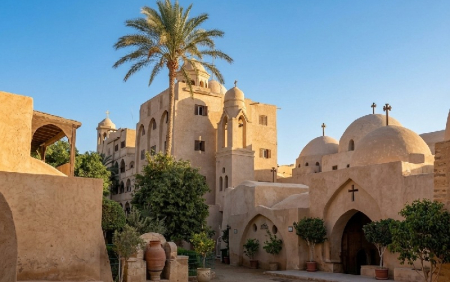
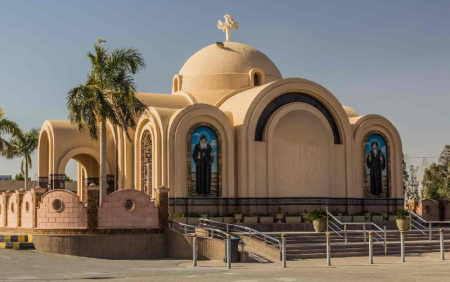
Wadi El Natrun's spiritual significance is evident in its four ancient monasteries. The Monastery of Saint Pishoy, a late 4th century structure, dominates the region. It spans approximately two feddans and 16 qirats. The monastery features a quadrilateral shape with walls surrounding it and an entrance at the western end of the northern wall. Saint Pishoy's remarkably preserved incorrupt body lies inside, along with Saint Paul of Tammah.
The Monastery of the Syrians (al-Surian) draws visitors from around the world with its valuable collections. This smallest surviving monastery dates back to the fourth century. Syrian monks settled here in 984 AD, giving the monastery its name. The monastery's main church, built in 645 AD, showcases beautiful wall paintings from the seventh to eighteenth centuries.
Saint Macarius the Great built Paromeos Monastery around 335 AD, about 9 km northeast of Saint Pishoy's monastery. Five churches stand within its walls. The oldest church, dedicated to the Virgin Mary, safeguards Saint Moses the Black's relics.
Saint Macarius Monastery, 360 AD old, holds remarkable treasures. Restoration work in 1976 led to finding relics of Saint John the Baptist and Elisha the Prophet. These monasteries have preserved ancient manuscripts, architectural wonders, and religious artifacts through centuries. They now serve as vital centers for spiritual pilgrimage and cultural heritage in Wadi El Natrun Egypt.
Saint Macarius the Great's journey into Wadi El Natrun began around 330 AD. He established the original monastic settlement by 333 AD. His spiritual reputation drew other seekers who built their cells nearby, creating the foundation for Christian monasticism.
The Monastery of Saint Pishoy is a late 4th-century structure that dominates the region, spanning approximately two feddans and 16 qirats. It features a quadrilateral shape with surrounding walls. Saint Pishoy's remarkably preserved incorrupt body lies inside, along with Saint Paul of Tammah.
The Monastery of the Syrians (al-Surian) is the smallest surviving monastery, dating back to the fourth century. Syrian monks settled here in 984 AD, giving it its name. The monastery's main church, built in 645 AD, showcases beautiful wall paintings from the seventh to eighteenth centuries.
Saint Macarius the Great built Paromeos Monastery around 335 AD, about 9 km northeast of Saint Pishoy's monastery. Five churches stand within its walls, with the oldest church dedicated to the Virgin Mary safeguarding Saint Moses the Black's relics.
Get in touch with our local experts for an unforgettable journey.
Plan Your Trip
Wadi El Natrun sits about 100 km northwest of Cairo and 120 km from Alexandria. Visitors can reach this spiritual oasis by car in just 1.5-2 hours. The drive is comfortable and straightforward.
October through April gives you the best weather to explore the area. The crisp air during late winter creates perfect conditions for desert photography.
Visitors need to remember a few important things. Religious respect requires modest clothing - everyone must keep their shoulders and knees covered inside these active monasteries. Women should bring a light scarf that might be needed to cover their hair in the sanctuaries.
Each monastery has its own rules about taking pictures. You can usually photograph outdoor spaces, but many sacred areas prohibit cameras to protect their ancient icons and maintain their spiritual atmosphere.
The monasteries welcome hundreds of daily visitors, though access becomes limited during Coptic fasting seasons like Lent or Holy Week. Most people visit several monasteries since they spread across 25 kilometers.
The area works perfectly as a day trip from Cairo or Alexandria, even though local accommodation remains scarce.
October through April provides the best weather to explore the area. The crisp air during late winter creates perfect conditions for desert photography. Visitors should avoid Coptic fasting seasons like Lent or Holy Week when monastery access becomes limited.
Wadi El Natrun is both a natural wonder and a spiritual sanctuary. This desert valley once housed hundreds of monasteries and remains an active center of Coptic Christian faith today. The valley still has four original monasteries that give visitors a fascinating look into Egypt's religious past.
This depression below sea level has always drawn people seeking solitude and spiritual growth. Saint Macarius first made this place his home, and many others followed to escape worldly distractions. The valley's salt lakes and natron deposits became vital resources that helped these religious communities thrive.
The monasteries are architectural and artistic gems. Each structure reveals its story through ancient manuscripts, religious artifacts, and building elements that have survived centuries. The active monastic communities let visitors experience living traditions that link directly to practices from 1,700 years ago.
A trip to this sacred place needs some planning. Visitors should time their visits during cooler months and dress modestly at these religious sites. The trip from Cairo or Alexandria is straightforward, which makes Wadi El Natrun perfect for a day visit.
This hidden valley blends historical importance, spiritual heritage, and natural beauty. People come here as religious pilgrims, history enthusiasts, or cultural explorers and find an enduring symbol of faith in Egypt's desert landscape.
The valley's historical names include "Scetis" and "Valley of Salt." The name "Natrun" refers to the natron-rich salt deposits found throughout the area, which have been valuable resources since Pharaonic times.
Four ancient monasteries still stand in Wadi El Natrun: the Monastery of Saint Pishoy, the Monastery of the Syrians (al-Surian), Paromeos Monastery, and Saint Macarius Monastery. More than 400 monks now reside in these monasteries.
Christianity's most sacred desert region reached its zenith with approximately 700 monasteries. Between the 4th and 7th centuries, hundreds of thousands embraced the monastic movement in this spiritual sanctuary.
Religious respect requires modest clothing—everyone must keep shoulders and knees covered inside these active monasteries. Women should bring a light scarf that might be needed to cover their hair in the sanctuaries.
Each monastery has its own photography rules. Visitors can usually photograph outdoor spaces, but many sacred areas prohibit cameras to protect ancient icons and maintain their spiritual atmosphere. Always ask permission before photographing.
The valley's natural features include alkaline lakes, natron-rich salt deposits, and both salt and freshwater marshes. Scientists have found impressive prehistoric animal fossils throughout the area, demonstrating its geological and historical significance.
Monastery of Syrians in Wadi Natrun, founded 984 AD, houses oldest Syriac manuscript (411 AD) & Church of Virgin Mary (645 AD) with frescoes.
Wadi El Natrun is Egypt's sacred valley located 100km from Cairo, 23 meters below sea level. Features 4 ancient Coptic monasteries from 330 AD with Saint Pishoy's incorrupt body.
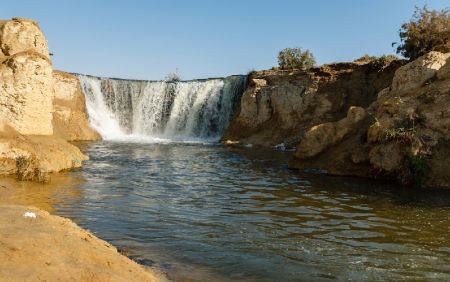
Wadi El Rayan is Egypt's premier desert sanctuary spanning 1,759 km² with two crystalline lakes, cascading waterfalls and 13 permanent bird species plus 26 migratory species.
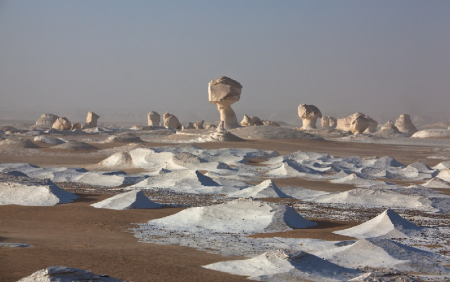
White Desert Egypt spans 300 km² of chalk formations 45km from Farafra with Crystal Mountain, Black Desert & Valley of Agabat. Rated 5.0/5.
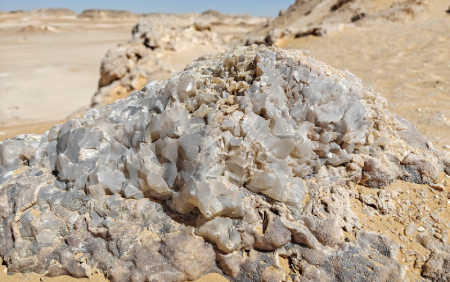
Discover Crystal Mountain Egypt—stunning barite & calcite arch between Bahariya & Farafra. Features hidden crystal caves, Bedouin secrets & sunrise views.
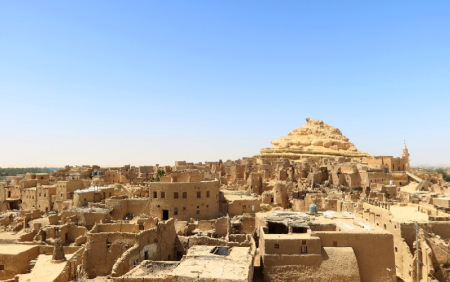
Mountain of the Dead in Siwa contains 3,000 tombs including Si-Amun, Mesu-Isis, Niperbathot & Crocodile with vivid wall paintings. 1km from town.
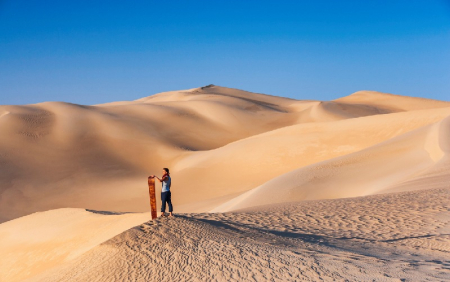
Great Sand Sea extends 650km with seif dunes up to 140m high between Egypt-Libya. Covers 10% of Egypt's Western Desert, gateway Siwa Oasis.
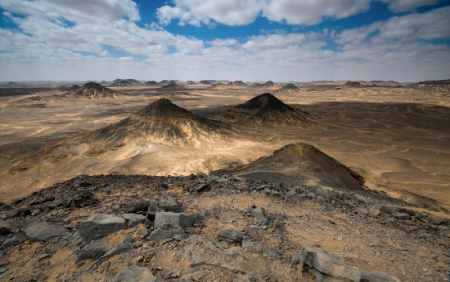
Black Desert, rated 4.5/5, features 100m basalt formations from ancient volcanic activity. Includes Agabat Valley, Crystal Mountain & desert fox.
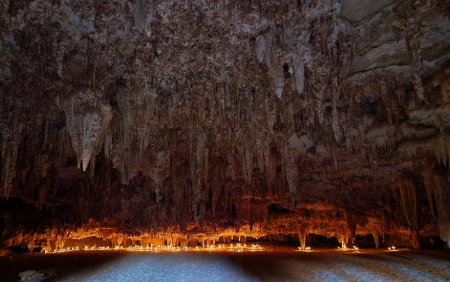
Djara Cave stretches 1,000m with 188+ murals from 10,200 BC, "frozen waterfall" stalactites, Cathedral chamber & Neolithic gazelle rock art.
Cleopatra Bath in Siwa is a bubbling spring 752km from Cairo where Queen allegedly bathed. Mineral-rich healing waters, temperature-regulated.
El Bagawat is the world's oldest Christian cemetery with 263 chapels from 3rd-7th century. Features Chapel of Exodus & Peace with biblical art.
Qarun lake is considered the oldest natural lakes in the world, the third largest lake in Egypt and the rest of lake Old Maurice. Know more!
Valley of the Golden Mummies located in Bahariya Oasis, about 380 km west of the pyramids, It was built during the Greco - Roman period exhibits a variety of styles and a range of social status.
Find out what makes Deir el Bahari unique! Explore Hatshepsut's terraced temple, ancient Luxor monuments & Egyptian architectural genius. Learn more!
Learn the story of the Monastery of Saint Bishoy in Egypt: Saint Bishoy's incorrupt body, 5 churches & Coptic Orthodox history. Read the complete guide!
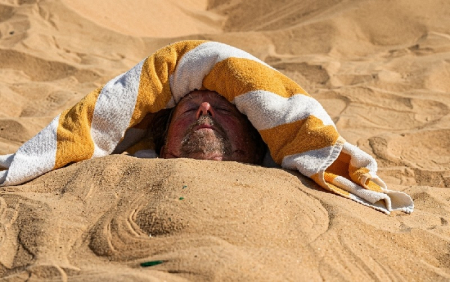
Siwa sand bathing: centuries-old Bedouin treatment using mineral-rich sand (40-50°C) for arthritis, chronic pain & stress. 7-10 daily sessions.
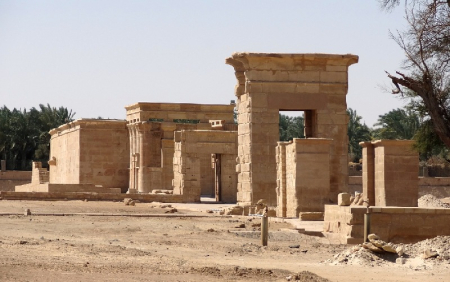
Uncover Temple of Hibis in Egypt's western desert. Explore the best-preserved Persian temple, Darius I's contributions & Amun-Ra shrine. Learn today!