Djara Cave
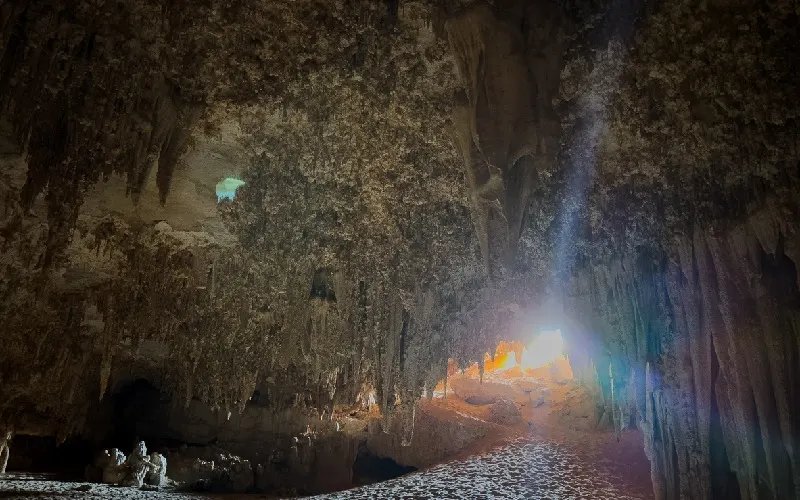
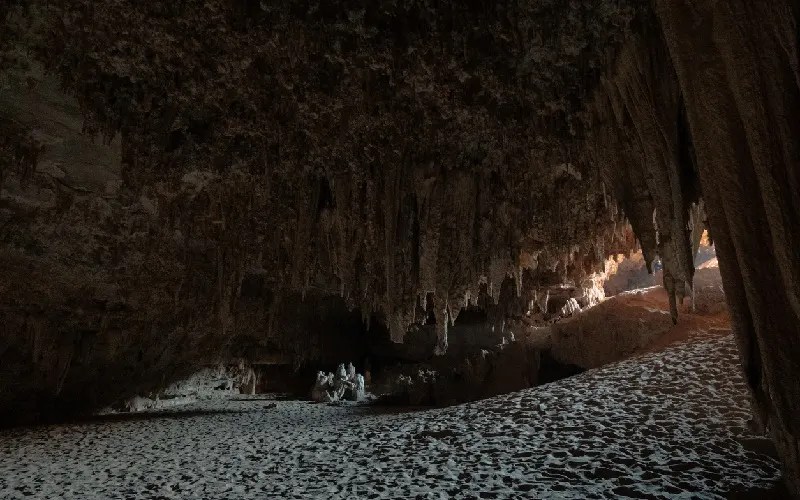
Djara cave is a unique Egyptian treasure that houses the region's only rock-art within 250 kilometers. This underground marvel stretches 30 meters wide and reaches 8 meters high. The cave walls display pristine carvings of gazelles and wild animals etched into its ancient rocks.
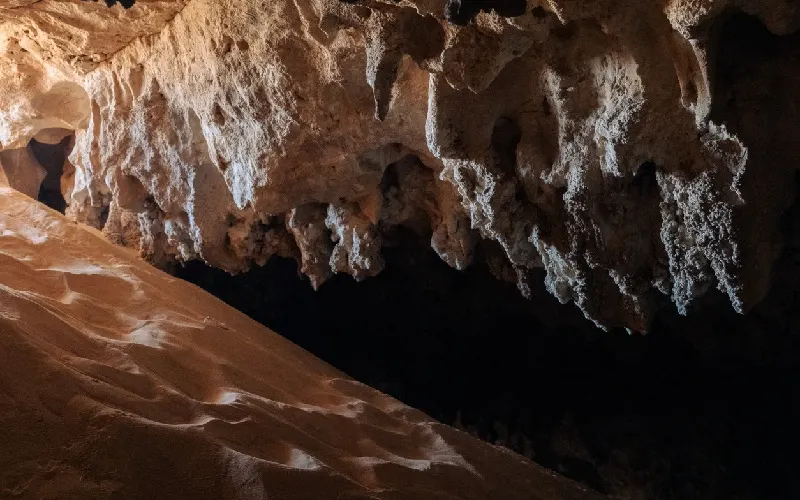
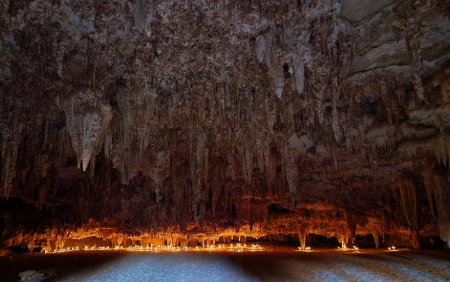
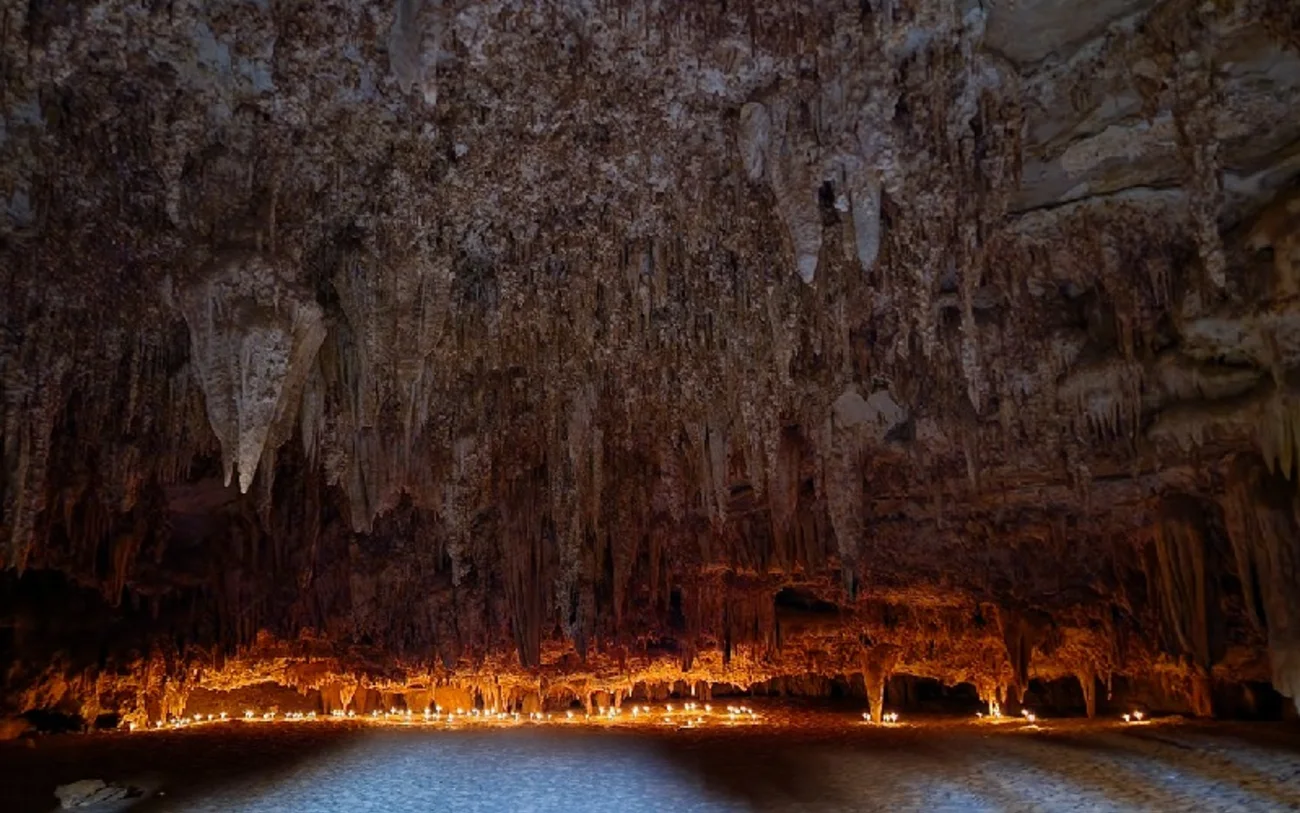
The cave sits along an old Caravan Trail that connects the Farafra Oasis and Assiut, positioned midway between Asyut in the Nile Valley and the Farafra Oasis. Crystal deposits have created a spectacular dripstone roof over millions of years. The cave's stalactites and stalagmites create a magical shimmer throughout the space. The cave's rock art dates back to the Neolithic Age, starting around 10,200 BC, and shows clear signs that humans lived here in prehistoric times.
Djara Cave has become a must-see destination for adventurers exploring Egypt, thanks to its rich history and natural wonders. This piece will help you plan your trip to this hidden gem. You'll learn the ideal times to visit, what you can't miss, and how to best experience this remarkable archeological site.
Djara Cave sits along an old Caravan Trail that connects Farafra Oasis and Assiut, positioned midway between Asyut in the Nile Valley and the Farafra Oasis. The cave is approximately 350 km from Cairo, about 4 hours to Bahariya Oasis.
Djara Cave stretches 30 meters wide and reaches 8 meters high, extending about 1,000 meters in total length. The cave features several chambers, each with distinct geological characteristics, giving explorers plenty of room to move around.
Djara Cave engages visitors with its extraordinary "frozen waterfall" dripstone formations that took millions of years to form. Water seeped through limestone rocks to create these stunning stalactites and stalagmites, making a spectacle unlike anything else in North Africa. The cave extends about 1,000 meters and features several chambers, each with distinct geological characteristics.
The most striking feature is the 'Cathedral,' a vast chamber where towering columns and intricate patterns remind visitors of Gothic architecture.
The cave spans roughly 30 meters in width and reaches 8 meters high, giving explorers plenty of room to move around.
The cave's walls tell an ancient story through more than 188 prehistoric murals. These artworks show hunting scenes, religious rituals, and daily life from a time when this barren region was green and full of life. We identified animals in over 85% of the cave's rock art, with clear depictions of birds, giraffes, and gazelles.
The German Archeological Institute ranks Djara as the Western Desert's second most significant Stone-Age settlement after Nabta Playa. Scientists found evidence of human activity from three different periods, with artifacts dating back to 7700–5300 BC. These discoveries show how prehistoric communities thrived when the Western Desert had enough water to support life.
Djara Cave houses the region's only rock-art within 250 kilometers. It features extraordinary "frozen waterfall" dripstone formations, over 188 prehistoric murals, pristine carvings of gazelles and wild animals, and spectacular stalactites and stalagmites created over millions of years.
The cave's rock art dates back to the Neolithic Age, starting around 10,200 BC. Scientists found evidence of human activity from three different periods, with artifacts dating back to 7700–5300 BC, showing clear signs that humans lived here in prehistoric times.
The 'Cathedral' is a vast chamber where towering columns and intricate patterns remind visitors of Gothic architecture. This most striking feature showcases the cave's impressive scale with its architectural-like dripstone formations.
The cave's walls display more than 188 prehistoric murals. These artworks show hunting scenes, religious rituals, and daily life from a time when this barren region was green and full of life.
The best time to explore Djara Cave falls between October and April. Daytime temperatures stay comfortable at 20–30°C (68–86°F). In spite of that, you should prepare for chilly nights ranging from 5–15°C (41–59°F), so pack the right gear.
Your adventure needs comfortable walking shoes, light clothes for day trips, and warm layers for the evening. You'll need a flashlight or headlamp to explore the cave's darkness. A helmet provides essential protection during your exploration.
The desert environment demands proper hydration. Take small sips every 15 minutes - experts say you need 1 liter of water for each hour of walking. The sun's intensity makes protection mandatory. Pack high-factor sunscreen, lip balm, sunglasses, and a hat.
Cave photography comes with its own set of challenges. You'll need a tripod to stabilize long-exposure shots. Keep ISO settings low and bring a flash to light up the darkness. Adding a person to wider shots helps showcase the cave's massive scale.
A simple first-aid kit should contain pain relievers, band-aids, and sanitizer. Don't forget extra camera batteries - low-light photography drains them quickly.
The best time to explore Djara Cave falls between October and April when daytime temperatures stay comfortable at 20–30°C (68–86°F). However, prepare for chilly nights ranging from 5–15°C (41–59°F).
Essential items include comfortable walking shoes, light clothes for day trips, warm layers for evening, flashlight or headlamp, helmet for protection, high-factor sunscreen, lip balm, sunglasses, hat, and plenty of water (1 liter per hour of walking).
Get in touch with our local experts for an unforgettable journey.
Plan Your Trip
Visitors can explore Djara Cave along with other amazing desert attractions. The trip starts from Cairo, and it takes about 4 hours to cover the 350 km distance to Bahariya Oasis.
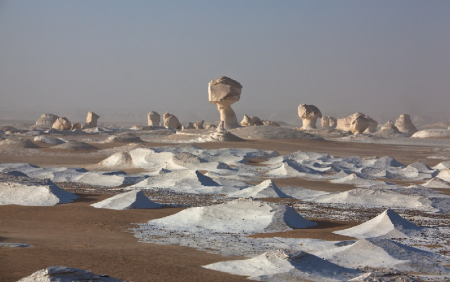
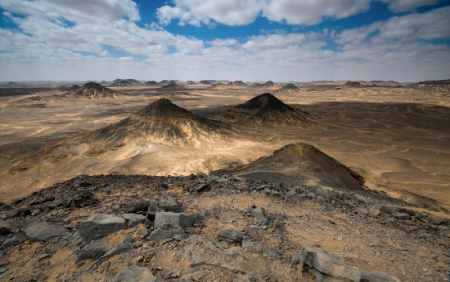
The White Desert National Park shines as the region's main attraction. Its stunning chalk formations look like mushrooms, animals, and tents that light up beautifully during sunset and sunrise. The Black Desert creates an amazing contrast nearby with its dark powder-covered volcanic hills.
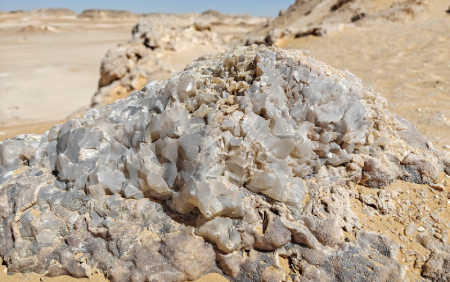
Crystal Mountain (Gebel al-Izzaz) is a must-see spot. People call it the "Jewel of the Desert" because its quartzite crystals shine brightly in the sun. Ain Hadra (Magic Spring) looks like a mirage at first glance, but visitors soon discover it's real, with acacia trees and ancient ruins around it.
Tour packages usually last 3-5 days and include:
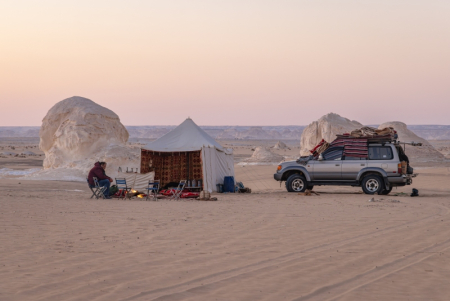
Most trips let you camp under starlit skies and enjoy BBQ dinners around campfires. These multi-day adventures give you more than just a cave visit - they help you experience all the wonders of Egypt's western desert.
Nearby attractions include White Desert National Park with stunning chalk formations, Black Desert with dark volcanic hills, Crystal Mountain (Gebel al-Izzaz) called the "Jewel of the Desert," and Ain Hadra (Magic Spring) with acacia trees and ancient ruins.
Djara Cave stands as a remarkable wonder in Egypt's Western Desert. The cave features frozen waterfall formations and prehistoric engravings that date back thousands of years, giving visitors a glimpse into geological marvels and human history. The spacious chambers, like the 'Cathedral', showcase breathtaking sights you won't find anywhere else in North Africa.
The best time to explore is from October through April, but you should pack for temperature changes between day and night. First-time visitors need proper preparation. Comfortable shoes, layered clothing, flashlights, and plenty of water are essential for a safe trip through this ancient site.
The Western Desert's surroundings are just as fascinating as the cave. The White Desert's chalk formations, Black Desert's volcanic hills, and Crystal Mountain's sparkling quartzite create an unmatched desert adventure. Most visitors choose multi-day tours that combine these sights. These tours let you sleep under brilliant desert skies and enjoy traditional Bedouin meals around campfires.
This hidden treasure goes beyond a simple cave visit. The trip to Djara becomes an unforgettable expedition through Egypt's lesser-known natural wonders and prehistoric heritage. Anyone looking for adventure beyond the typical Egyptian tourist path will find Djara Cave and its surrounding landscape worth exploring.
Animals appear in over 85% of the cave's rock art, with clear depictions of birds, giraffes, and gazelles. The artworks show wildlife that lived in the region when the Western Desert had enough water to support abundant life.
The German Archaeological Institute ranks Djara as the Western Desert's second most significant Stone-Age settlement after Nabta Playa. The discoveries show how prehistoric communities thrived when the Western Desert was a green, life-supporting environment.
Water seeped through limestone rocks over millions of years to create the stunning stalactites and stalagmites. These formations create a "frozen waterfall" effect and a magical shimmer throughout the space, making a spectacle unlike anything else in North Africa.
Cave photography requires a tripod to stabilize long-exposure shots, low ISO settings, flash to light up the darkness, and extra camera batteries (low-light photography drains them quickly). Adding a person to wider shots helps showcase the cave's massive scale.
Tour packages usually last 3-5 days and include 4x4 vehicles, desert camping gear (sleeping bags, tents, mattresses), all meals including traditional Bedouin food, and expert guides. Most trips include camping under starlit skies and BBQ dinners around campfires.
The cave shows evidence of human activity from when the Western Desert was green and full of life. The murals depicting hunting scenes, religious rituals, and daily activities reveal how prehistoric communities thrived in this region between 10,200 BC and 5300 BC.
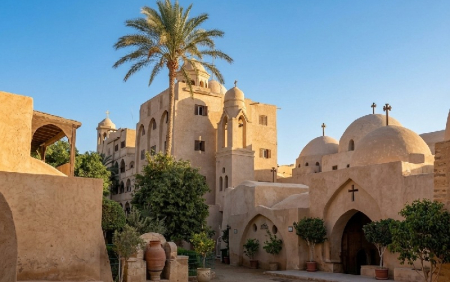
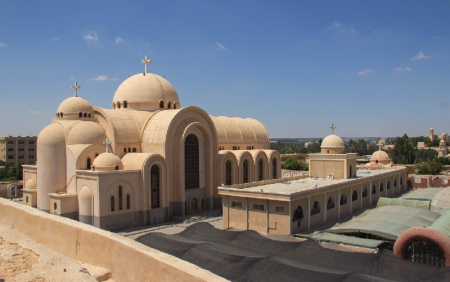
Monastery of Syrians in Wadi Natrun, founded 984 AD, houses oldest Syriac manuscript (411 AD) & Church of Virgin Mary (645 AD) with frescoes.
Wadi El Natrun is Egypt's sacred valley located 100km from Cairo, 23 meters below sea level. Features 4 ancient Coptic monasteries from 330 AD with Saint Pishoy's incorrupt body.
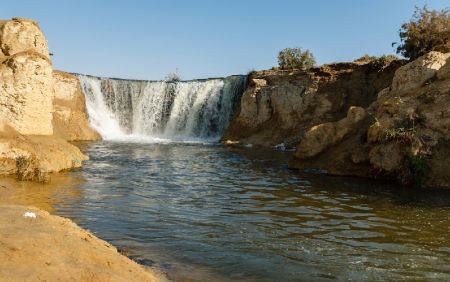
Wadi El Rayan is Egypt's premier desert sanctuary spanning 1,759 km² with two crystalline lakes, cascading waterfalls and 13 permanent bird species plus 26 migratory species.
White Desert Egypt spans 300 km² of chalk formations 45km from Farafra with Crystal Mountain, Black Desert & Valley of Agabat. Rated 5.0/5.
Discover Crystal Mountain Egypt—stunning barite & calcite arch between Bahariya & Farafra. Features hidden crystal caves, Bedouin secrets & sunrise views.
Mountain of the Dead in Siwa contains 3,000 tombs including Si-Amun, Mesu-Isis, Niperbathot & Crocodile with vivid wall paintings. 1km from town.
Great Sand Sea extends 650km with seif dunes up to 140m high between Egypt-Libya. Covers 10% of Egypt's Western Desert, gateway Siwa Oasis.
Black Desert, rated 4.5/5, features 100m basalt formations from ancient volcanic activity. Includes Agabat Valley, Crystal Mountain & desert fox.
Djara Cave stretches 1,000m with 188+ murals from 10,200 BC, "frozen waterfall" stalactites, Cathedral chamber & Neolithic gazelle rock art.
Cleopatra Bath in Siwa is a bubbling spring 752km from Cairo where Queen allegedly bathed. Mineral-rich healing waters, temperature-regulated.
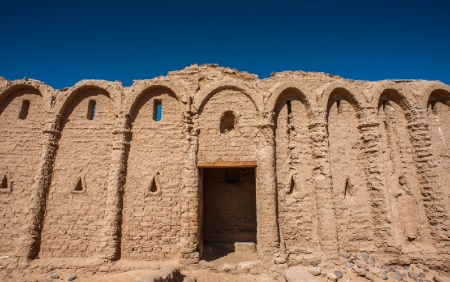
El Bagawat is the world's oldest Christian cemetery with 263 chapels from 3rd-7th century. Features Chapel of Exodus & Peace with biblical art.
Qarun lake is considered the oldest natural lakes in the world, the third largest lake in Egypt and the rest of lake Old Maurice. Know more!
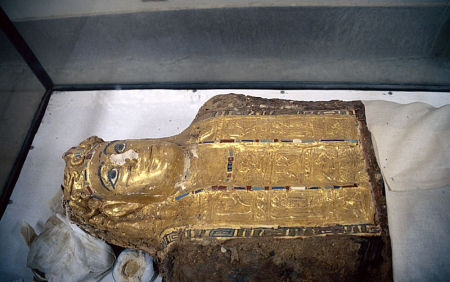
Valley of the Golden Mummies located in Bahariya Oasis, about 380 km west of the pyramids, It was built during the Greco - Roman period exhibits a variety of styles and a range of social status.
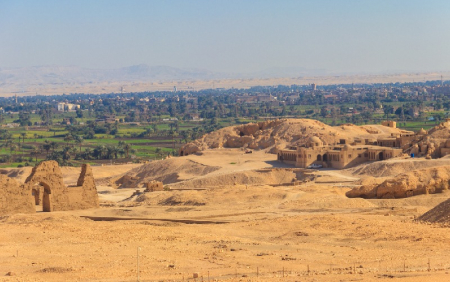
Find out what makes Deir el Bahari unique! Explore Hatshepsut's terraced temple, ancient Luxor monuments & Egyptian architectural genius. Learn more!
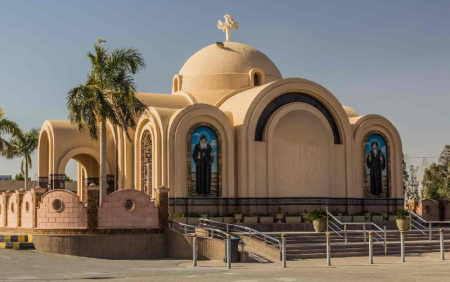
Learn the story of the Monastery of Saint Bishoy in Egypt: Saint Bishoy's incorrupt body, 5 churches & Coptic Orthodox history. Read the complete guide!
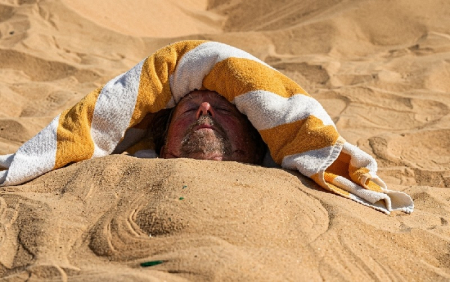
Siwa sand bathing: centuries-old Bedouin treatment using mineral-rich sand (40-50°C) for arthritis, chronic pain & stress. 7-10 daily sessions.
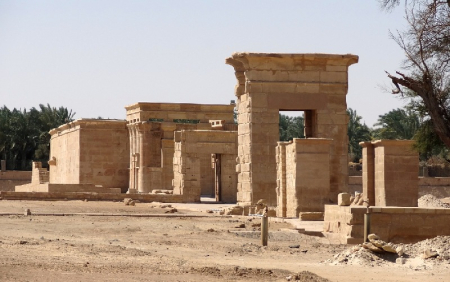
Uncover Temple of Hibis in Egypt's western desert. Explore the best-preserved Persian temple, Darius I's contributions & Amun-Ra shrine. Learn today!