Alexandria National Museum

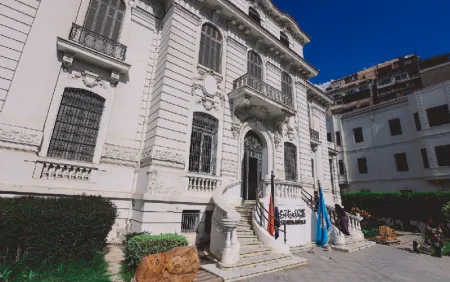
The Alexandria National Museum displays 1,800 artifacts that tell Egypt and Alexandria's compelling story. An elegant Italianate mansion from the early 20th century, once the United States Consulate, houses this rich source of history in Alexandria's heart. The museum spans 3,480 square meters.
The museum's organization sets it apart. Three distinct levels mirror the major phases of Egyptian history, arranged just as archeologists would uncover them. Each floor reveals a different era. The basement holds Prehistoric and Pharaonic collections. Greco-Roman artifacts fill the first floor. The second floor showcases Coptic and Islamic pieces. Recent underwater excavations have yielded fascinating new additions to the collection.
This Egyptian museum goes beyond a basic historical overview. Visitors can see mummies in recreated burial chambers and remarkable pharaonic artifacts from across Egypt. These elements combine to create a detailed experience through time. In this piece, we'll uncover the remarkable treasures that most guidebooks miss in this extraordinary institution.
The Alexandria National Museum is housed in an elegant Italianate mansion from the early 20th century in Alexandria's heart. This beautiful palace from 1926 was once a wealthy wood merchant's residence, later served as the United States consulate, and became a museum in 2003.
The Alexandria National Museum stands apart from typical historical museums with its extraordinary features. A beautiful palace from 1926 serves as its home. This building was once a wealthy wood merchant's residence and later became the United States consulate before becoming a museum in 2003.
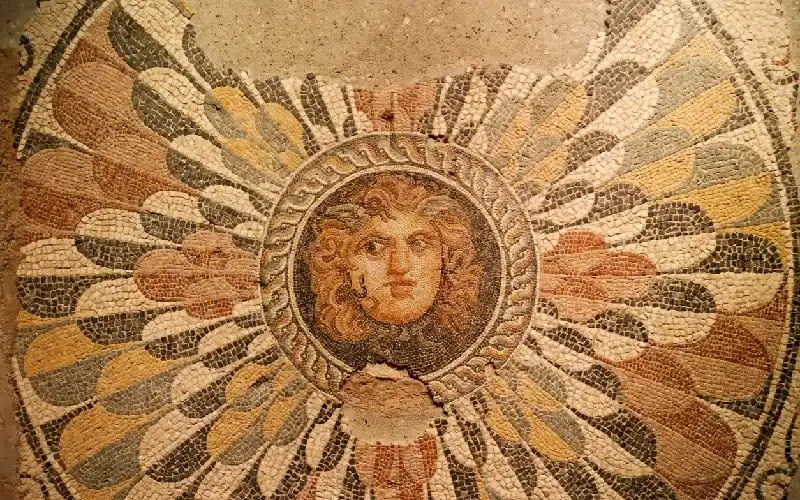
The museum's most remarkable treasures come from sunken antiquities found in Abu Qir Bay excavations. These underwater finds include statues of Isis, priests, marble portraits of Greek gods, and Alexander the Great's head.
The museum's specialized currency hall displays 162 gold and silver coins made in Alexandria. History lovers will enjoy the unique Islamic-era weapons display among rich collections of metals, ceramics, and glassware.
Visitors can see Muhammad Ali Pasha's family's gold, silver, and jewelry collection. These royal treasures showcase bejeweled awards, crystal glasses, gold-plated handbags, and detailed ornamental pieces.
The museum uses creative display methods. Artifacts sit in diagonally-placed cabinets that enhance the building's architecture. The basement workshop offers high-tech audio-visual tours where visitors can see pieces from different angles.
These artifacts were once locked away in storage, and only museum officials could see them. Now, the Alexandria National Museum gives visitors a chance to view historical treasures that stayed hidden from public view for years.
The Alexandria National Museum holds many hidden treasures beyond its popular attractions. Visitors who venture into the basement will discover ancient Egyptian cosmetic tools that most people overlook. These delicate instruments tell fascinating stories about ancient Alexandrians' beauty routines through kohl applicators and bronze mirrors.
The Pharaonic section's small but most important collection of personal amulets deserves special attention. These protective charms provide unique insights into people's personal beliefs and superstitions that standard history books rarely mention.
History enthusiasts will appreciate the Greco-Roman surgical tools on the first floor. These precision-crafted instruments showcase Alexandria's legacy as a center of medical innovation.
The museum's second floor features a remarkable collection of 19th-century photographs. These visual records capture Alexandria's urban evolution in ways that typical tour guides don't mention.
Ancient wooden board games tucked away in corner cases rank among the museum's most captivating artifacts. These entertainment pieces give us a glimpse into how Alexandrians spent their leisure time centuries ago.
The sort of thing I love is a small but exquisite display of ancient perfume bottles. These vessels highlight Alexandria's reputation as the Mediterranean world's premier fragrance producer. Their intricate glasswork and design elements showcase both artistic excellence and commercial success in antiquity.
The Alexandria National Museum displays 1,800 artifacts that tell Egypt and Alexandria's compelling story across 3,480 square meters. These artifacts span from prehistoric times through the Islamic era, representing thousands of years of Egyptian history.
The museum's unique organization features three distinct levels mirroring major phases of Egyptian history, arranged as archaeologists would uncover them. The basement holds Prehistoric and Pharaonic collections, the first floor displays Greco-Roman artifacts, and the second floor showcases Coptic and Islamic pieces.
Get in touch with our local experts for an unforgettable journey.
Plan Your Trip
The Alexandria National Museum welcomes visitors daily between 9:00 AM and 4:30 PM. You'll find plenty of time to explore its collections.
Adult foreign visitors pay 220 EGP while students with valid ID cards pay 110 EGP. The museum accepts credit cards as the primary payment method, and cash payments might not work. Free entry applies to children under 6 years, Egyptians with special needs, and Egyptians over 60.
Early morning visits help you beat the crowds. The best time spans from October through April when Alexandria offers mild and pleasant weather.
Most visitors spend 2-3 hours exploring the museum thoroughly. Some guests complete their tour in 1-2 hours based on their preferred pace.
The museum allows free mobile phone photography. However, flash photography remains strictly off-limits to protect the precious artifacts.
Make sure you check the posted signs that detail specific restrictions.
Taxis serve as the most convenient way to reach the museum from anywhere in Alexandria. The museum's central location offers wheelchair accessibility.
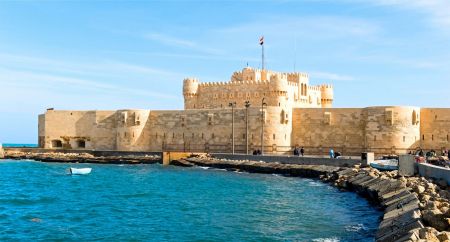
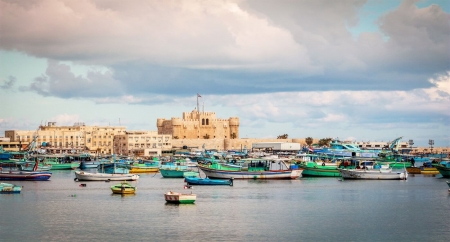
A specialized guide can help you understand the exhibits' historical significance better. You might also want to visit nearby attractions like the Bibliotheca Alexandrina or the Citadel of Qaitbay after your museum tour.
The Alexandria National Museum welcomes visitors daily between 9:00 AM and 4:30 PM, providing plenty of time to explore its collections. Early morning visits are recommended to avoid crowds.
Adult foreign visitors pay 220 EGP while students with valid ID cards pay 110 EGP. The museum accepts credit cards as the primary payment method, and cash payments might not work. Free entry applies to children under 6 years, Egyptians with special needs, and Egyptians over 60.
The Alexandria National Museum is a cultural gem of Egypt. Its three floors take visitors through thousands of years of Egyptian history. From ancient pharaonic treasures to Islamic-era masterpieces, this former palace gives visitors a unique experience as history unfolds naturally from the basement to upper floors.
The museum's underwater artifacts from Abu Qir Bay are its most extraordinary pieces. These items, among the royal treasures of Muhammad Ali Pasha's family and specialized currency collections, show Alexandria's rich past that travelers often miss when they focus only on Egypt's famous sites.
Ancient cosmetics, personal amulets, medical instruments, and perfume bottles tell intimate stories about daily life in Alexandria's history. These small artifacts reveal more about ancient Alexandrians than the monumental pieces found in other locations.
Visitors should plan their museum visit carefully. Early morning visits work best. They should check photography rules beforehand. A knowledgeable guide can boost their appreciation of the collections.
The Alexandria National Museum shines because it shows Alexandria's layered heritage in a complete and available way. This museum is a perfect starting point to understand how ancient Egyptian, Greek, Roman, Coptic, and Islamic influences shaped this Mediterranean jewel over the centuries.
The museum's most remarkable treasures come from sunken antiquities found in Abu Qir Bay excavations, including statues of Isis, priests, marble portraits of Greek gods, and Alexander the Great's head. The museum also features Muhammad Ali Pasha's family's gold, silver, and jewelry collection.
The museum's specialized currency hall displays 162 gold and silver coins made in Alexandria. This collection provides insights into Alexandria's economic history and minting traditions throughout different historical periods.
The basement contains ancient Egyptian cosmetic tools including kohl applicators and bronze mirrors, a small but important collection of personal amulets (protective charms), and the Pharaonic section featuring artifacts that reveal ancient Alexandrians' beauty routines and personal beliefs.
The first floor features Greco-Roman artifacts, including precision-crafted surgical tools that showcase Alexandria's legacy as a center of medical innovation. These instruments demonstrate the advanced medical practices of ancient Alexandria.
The second floor showcases Coptic and Islamic pieces, including a remarkable collection of 19th-century photographs capturing Alexandria's urban evolution, Islamic-era weapons, and rich collections of metals, ceramics, and glassware.
The small but exquisite display of ancient perfume bottles highlights Alexandria's reputation as the Mediterranean world's premier fragrance producer. Their intricate glasswork and design elements showcase both artistic excellence and commercial success in antiquity.
Alexandria, Egypt's "Bride of the Mediterranean" founded 331 BC, is the second-largest city with 5.4 million people and main seaport handling 40% of trade.
Alexandria National Museum displays 1,800 artifacts in a 1926 palace. Three floors showcase prehistoric to Islamic treasures including Abu Qir Bay finds.
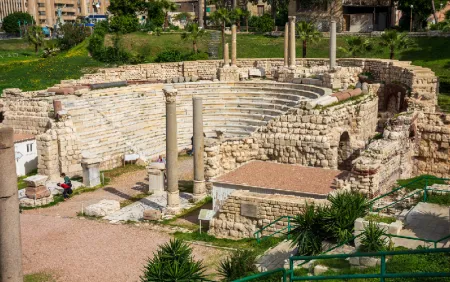
Alexandria Roman Amphitheater at Kom El-Dikka, discovered 1960, is Egypt's only Roman theater. Built 4th century AD with 13 marble rows for 600 spectators.