Crystal Mountain Egypt

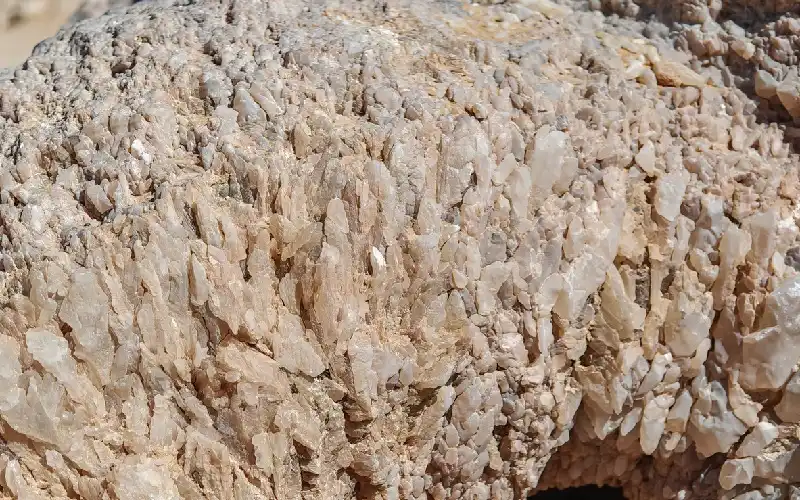
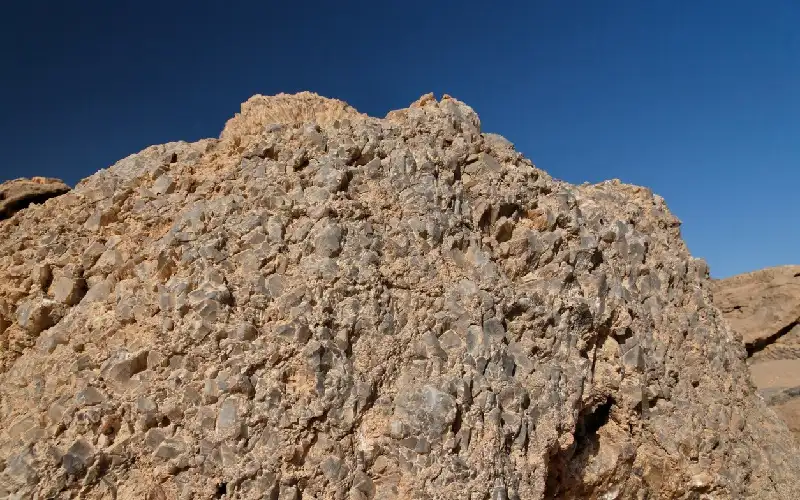
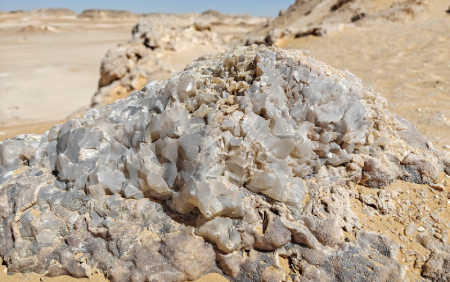
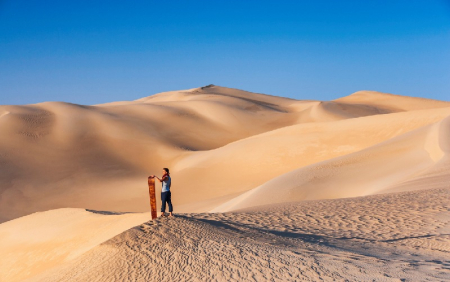
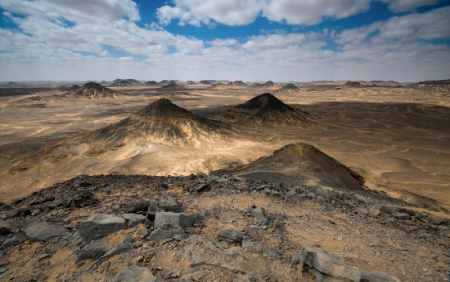
Crystal Mountain reigns as Egypt's most spectacular natural wonder in the Western Desert. This stunning formation spans several meters and offers spectacular views of the surrounding golden dunes. Travelers have flocked to its crystalline slopes since tourism began in the region, drawn to its glittering barite and calcite formations and unique geological features. The terrain ranges from gentle sandy approaches to challenging rock scrambles that test even seasoned desert explorers. Nature has created this masterpiece over millions of years, and enthusiasts can enjoy the journey through Egypt's Black Desert and White Desert en route. The mountain's appeal extends far beyond what visitors see in standard tour photos. Local Bedouin guides have found secret spots and developed special techniques that elevate a regular desert day into something remarkable. These insider secrets, from hidden crystal caches to perfect lighting times, remain a mystery to most casual visitors even after decades.
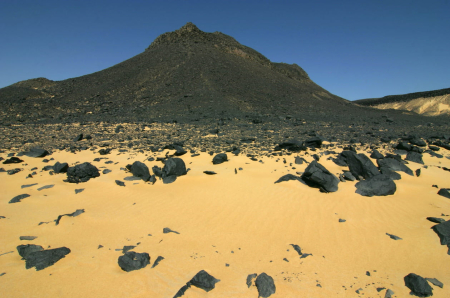
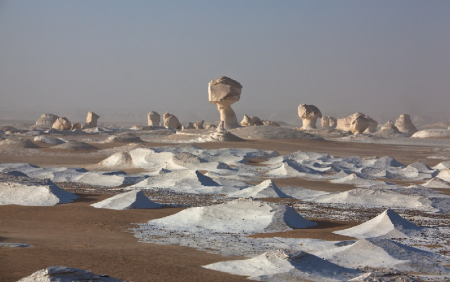
Crystal Mountain is located in Egypt's Western Desert between Bahariya Oasis and Farafra Oasis. This stunning natural wonder sits along the route through Egypt's Black Desert and White Desert, making it a popular stop on desert safari tours.
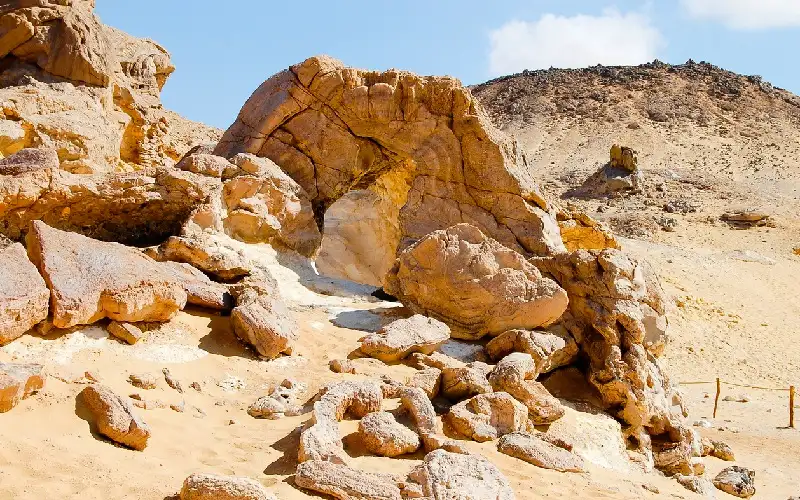
Crystal Mountain features sparkling barite crystals, 11% calcite formations, 54% quartz deposits, and 35% mixed minerals. Nature has created this masterpiece over millions of years, forming a spectacular natural arch that's the Western Desert's most photographed geological feature.
Crystal Mountain appears to most visitors as a pristine natural arch with impressive features: sparkling barite crystals, 11% calcite formations, 54% quartz deposits, and 35% mixed minerals. Tourists love stopping for photos at the main arch—the Western Desert's most photographed geological feature. They capture the crystal's brilliance and grab traditional tea at nearby Bedouin camps.
The local guides see Crystal Mountain differently than these tourist attractions suggest. A Bedouin elder's description of "a sacred mountain paradise" reveals geological wonders that match the White Desert and Siwa's mystical power.
New visitors typically explore the main archway's easily accessible crystals or the front-facing formations with their obvious sparkle. The experienced guides head straight to the northern face and hidden cavities for "undiscovered crystal pockets." Some even climb to the summit to find "sometimes untouched mineral deposits" on cooler days.
This difference becomes clear in the hidden spots. A local guide puts it simply: "There's so much great crystal hunting... I can make any day a good day at Crystal Mountain." Regular visitors know the mountain's secrets—the eastern slope stays quiet and offers amazing morning light on crystals. Skilled climbers might test themselves on the vertical western face—a "true no-fall zone with loose rocks"—while most tourists never know it exists.
Your guide's experience completely transforms the mountain's character.
The main arch is the Western Desert's most photographed geological feature where tourists typically stop for photos. While beautiful and easily accessible, it represents just a small portion of Crystal Mountain's hidden treasures and crystal deposits.
Crystal Mountain's seasoned Bedouin guides share a knowing smile when protecting their favorite spots. These eight insider tips showcase what experienced desert travelers have discovered about this natural paradise:
Yes, experienced climbers can explore beyond the main arch. The northern slope offers hidden cavities with undiscovered crystal pockets, while skilled climbers might test themselves on the vertical western face, though this is considered a "true no-fall zone with loose rocks."
Essential items include pocket snacks and extra water—the nearest facilities are 30km away at Farafra Oasis. Desert provisions can be expensive at tour stops. Bring sun protection, comfortable climbing shoes, and a camera for the spectacular formations.
Get in touch with our local experts for an unforgettable journey.
Plan Your Trip
Crystal Mountain's regular Bedouin guides feel protective about their sacred spot, and they have good reasons. The tourism traffic has turned into a real concern—popular days now see dozens of 4x4 convoys creating dust clouds that obscure the formations. The overcrowding crisis peaked in 2019 when several days saw hundreds of tourists and fragile crystal sections were damaged.
The mountain's regulars know what makes this place truly special—its untouched natural beauty. The area's delicate crystal formations cover the entire structure, and you need careful respect to preserve it. "You can't be careless here. You have to honor the mountain," as one seasoned Bedouin guide puts it. This creates a community where people value environmental stewardship.
The secrecy around crystal locations makes sense. The formation contains rare minerals, but its proximity to Cairo puts huge pressure on preservation. Local authorities acknowledge that "at times, managing tourism sustainably is the most difficult challenge for our community."
The locals also consider conservation concerns carefully. "As desert lovers, we're all evaluating our environmental impacts more closely now," according to Western Desert conservation groups.
The regular guides want to keep the mountain's sacred character intact. They understand tourism's economic importance but cherish its reputation as "a place for true desert explorers." This quality sets it apart from commercialized destinations, something rare in Egypt's tourism industry.
Local Bedouin elders describe Crystal Mountain as "a sacred mountain paradise" with geological wonders that match the White Desert and Siwa's mystical power. The formation is considered sacred and requires respectful treatment to preserve its natural beauty.
The overcrowding crisis peaked in 2019 when several days saw hundreds of tourists arriving in dozens of 4x4 convoys. This created dust clouds that obscured the formations and caused damage to fragile crystal sections, raising serious conservation concerns.
Crystal Mountain has so much more to it than what you see at first glance. A world of hidden crystal deposits, secret formations, and Bedouin wisdom lies beyond the impressive main arch and standard tour stops. These secrets have been passed down by dedicated guides over generations, and most visitors never get to know about them.
The breathtaking sparkle and accessible arch might satisfy first-time visitors, but they miss out on the "sacred mountain paradise" that regular desert travelers treasure. The eight insider tips shared here give you a peek into this hidden world. These suggestions help close the gap between tourist and authentic experiences, from the best sunrise spots to locations where you can find untouched crystals.
Regular Crystal Mountain guides have good reasons to be protective. The authentic desert experience they value faces threats from overcrowding, environmental damage, and crystal theft. Their careful sharing of secrets makes sense because they want to preserve what makes this mountain special.
Armed with this insider knowledge, you can now take a different approach to Crystal Mountain. You'll know how to avoid crowds during peak hours and find pristine formations when others can't. The mountain shows its true character to those who skip the obvious paths, climb a bit more, and respect its delicate geology.
Crystal Mountain has stayed true to its roots as a sacred natural wonder rather than becoming just another tourist photo stop. This makes it stand out in an industry that focuses more on quick visits than real desert experiences. Visitors who respect this culture and use these local tips will see why Crystal Mountain holds such a special place in Egypt's Western Desert community.
Hidden crystal caves can be discovered by traversing right from the main formation. These pristine caves stay untouched because most casual visitors avoid the extra climbing required to reach them, preserving undiscovered crystal deposits.
Checking wind patterns helps pick your ideal approach time. The north-facing slopes stay protected with less sand accumulation when southern winds blow, providing better visibility and crystal viewing conditions.
The main arch is the Western Desert's most photographed geological feature where tourists typically stop for photos. While beautiful and easily accessible, it represents just a small portion of Crystal Mountain's hidden treasures and crystal deposits.
Yes, nearby Bedouin camps offer traditional tea and hospitality to visitors. These camps provide rest stops and cultural experiences, though they're located away from the main formation to protect the delicate crystal environment.
Major concerns include overcrowding, environmental damage, and crystal theft. Local authorities acknowledge that "managing tourism sustainably is the most difficult challenge." Western Desert conservation groups emphasize evaluating environmental impacts carefully.
Regular Bedouin guides protect their sacred spot to preserve its untouched natural beauty and prevent further damage to delicate crystal formations. They cherish its reputation as "a place for true desert explorers" rather than a commercialized tourist photo stop.
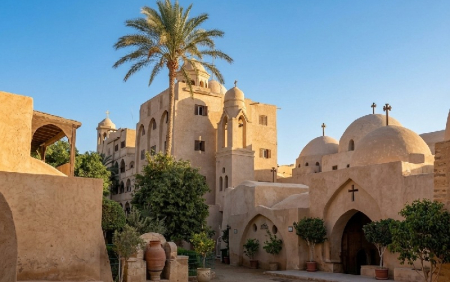
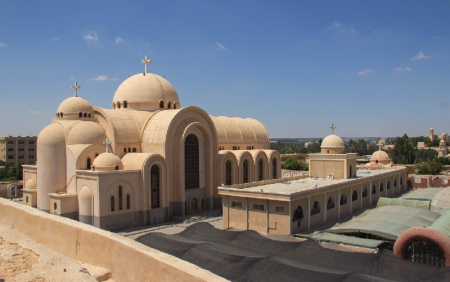
Monastery of Syrians in Wadi Natrun, founded 984 AD, houses oldest Syriac manuscript (411 AD) & Church of Virgin Mary (645 AD) with frescoes.
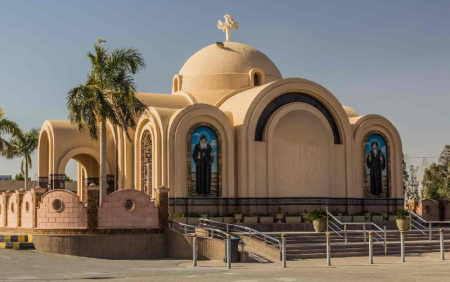
Wadi El Natrun is Egypt's sacred valley located 100km from Cairo, 23 meters below sea level. Features 4 ancient Coptic monasteries from 330 AD with Saint Pishoy's incorrupt body.
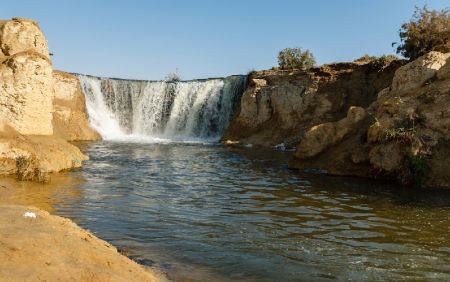
Wadi El Rayan is Egypt's premier desert sanctuary spanning 1,759 km² with two crystalline lakes, cascading waterfalls and 13 permanent bird species plus 26 migratory species.
White Desert Egypt spans 300 km² of chalk formations 45km from Farafra with Crystal Mountain, Black Desert & Valley of Agabat. Rated 5.0/5.
Discover Crystal Mountain Egypt—stunning barite & calcite arch between Bahariya & Farafra. Features hidden crystal caves, Bedouin secrets & sunrise views.
Mountain of the Dead in Siwa contains 3,000 tombs including Si-Amun, Mesu-Isis, Niperbathot & Crocodile with vivid wall paintings. 1km from town.
Great Sand Sea extends 650km with seif dunes up to 140m high between Egypt-Libya. Covers 10% of Egypt's Western Desert, gateway Siwa Oasis.
Black Desert, rated 4.5/5, features 100m basalt formations from ancient volcanic activity. Includes Agabat Valley, Crystal Mountain & desert fox.
Djara Cave stretches 1,000m with 188+ murals from 10,200 BC, "frozen waterfall" stalactites, Cathedral chamber & Neolithic gazelle rock art.
Cleopatra Bath in Siwa is a bubbling spring 752km from Cairo where Queen allegedly bathed. Mineral-rich healing waters, temperature-regulated.
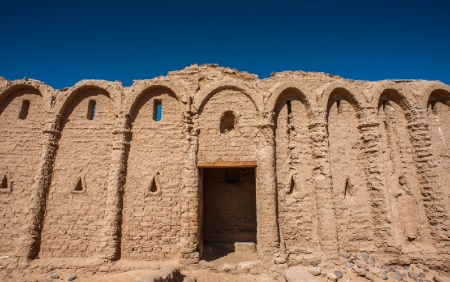
El Bagawat is the world's oldest Christian cemetery with 263 chapels from 3rd-7th century. Features Chapel of Exodus & Peace with biblical art.
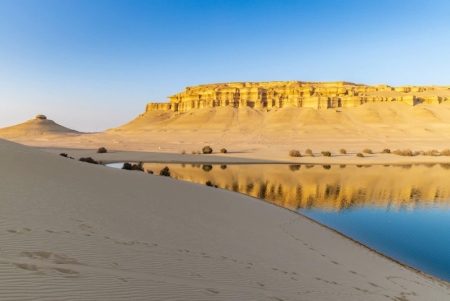
Qarun lake is considered the oldest natural lakes in the world, the third largest lake in Egypt and the rest of lake Old Maurice. Know more!
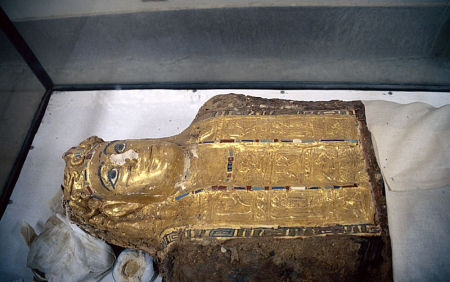
Valley of the Golden Mummies located in Bahariya Oasis, about 380 km west of the pyramids, It was built during the Greco - Roman period exhibits a variety of styles and a range of social status.
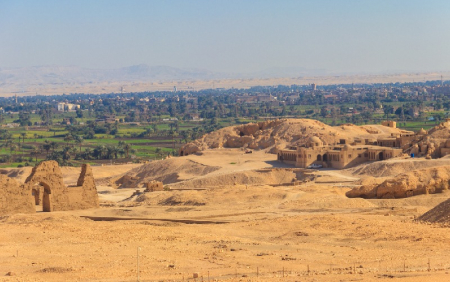
Find out what makes Deir el Bahari unique! Explore Hatshepsut's terraced temple, ancient Luxor monuments & Egyptian architectural genius. Learn more!
Learn the story of the Monastery of Saint Bishoy in Egypt: Saint Bishoy's incorrupt body, 5 churches & Coptic Orthodox history. Read the complete guide!
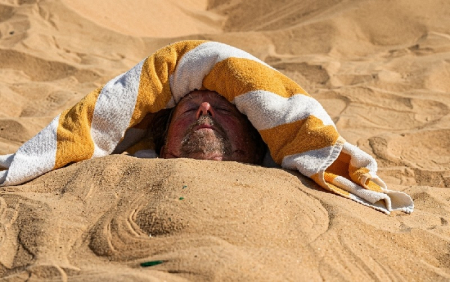
Siwa sand bathing: centuries-old Bedouin treatment using mineral-rich sand (40-50°C) for arthritis, chronic pain & stress. 7-10 daily sessions.
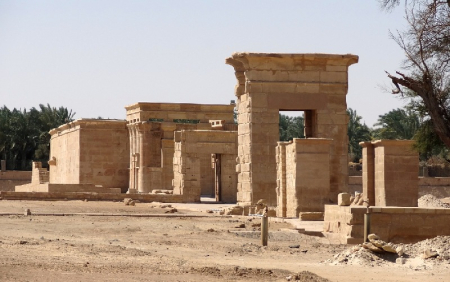
Uncover Temple of Hibis in Egypt's western desert. Explore the best-preserved Persian temple, Darius I's contributions & Amun-Ra shrine. Learn today!