Sinai Egypt

The Sinai Peninsula of Egypt covers an impressive 23,000 square miles. This vast expanse makes it larger than the modern state of Israel and spans two-thirds of Jordan's size. About 600,000 people call this remarkable landform home, which represents roughly 6 percent of Egypt's total area.
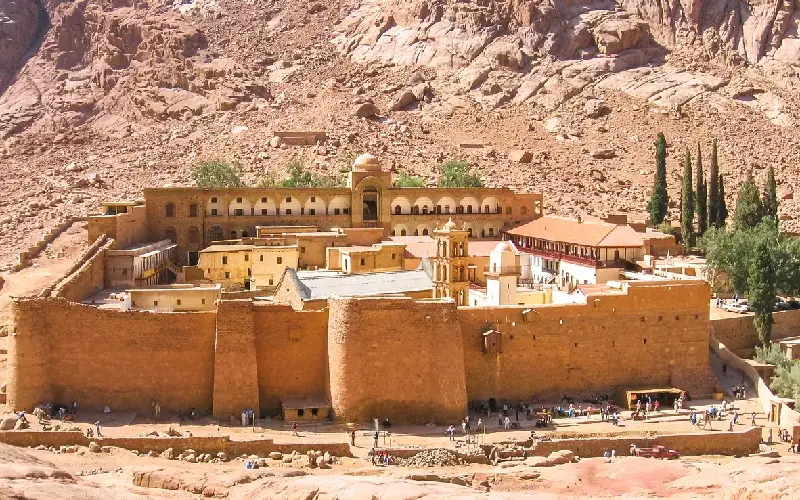
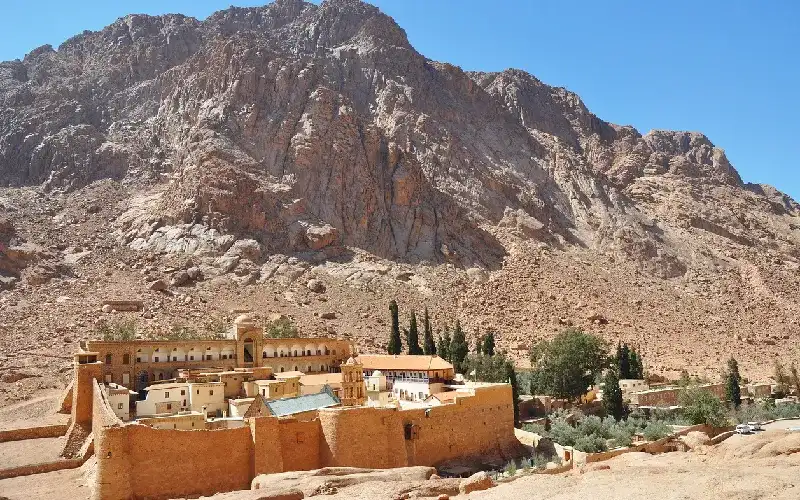
This peninsula serves as more than just a geographical wonder. The region stands as a sacred intersection of three major world religions. The cultural heritage of Islam, Christianity, and Judaism converges in Sinai, which has historically connected Africa and Asia. The peninsula's administration splits between two governorates - North Sinai and South Sinai. Its diverse terrain features Saint Catherine's Monastery, the world's oldest Christian monastery still in operation. This sixth-century structure rests at Mount Sinai's base, which locals know as Jebel Musa. Ancient Egyptians provided the earliest written accounts of this region. They began to colonize the area in the late fourth millennium BCE. The region thrives with unique ecosystems and inhabitants, supported by more than 1.6 million acre-feet of annual local rainfall.
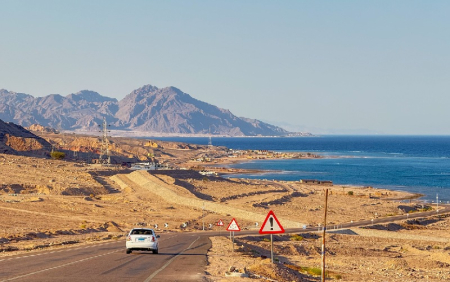
The Sinai Peninsula is located in Egypt's northeastern corner, serving as Egypt's only Asian territory. The Mediterranean Sea borders it to the north, the Gulf of Suez and Suez Canal mark its western edge, and the Gulf of Aqaba and Red Sea define its southern boundary.
The Sinai Peninsula covers an impressive 23,000 square miles, making it larger than the modern state of Israel and spanning two-thirds of Jordan's size. It represents roughly 6 percent of Egypt's total area with about 600,000 people calling this region home.
The Sinai Peninsula's triangular shape makes it Egypt's only Asian territory and creates a vital link between continents. This unique landmass sits in Egypt's northeastern corner. The Mediterranean Sea borders it to the north, while the Gulf of Suez and Suez Canal mark its western edge. The Gulf of Aqaba and Red Sea define its southern boundary. This piece of land stands as the only bridge between Africa and Asia.
Throughout history, armies, trade caravans, and cultural exchanges have moved through this most important corridor.
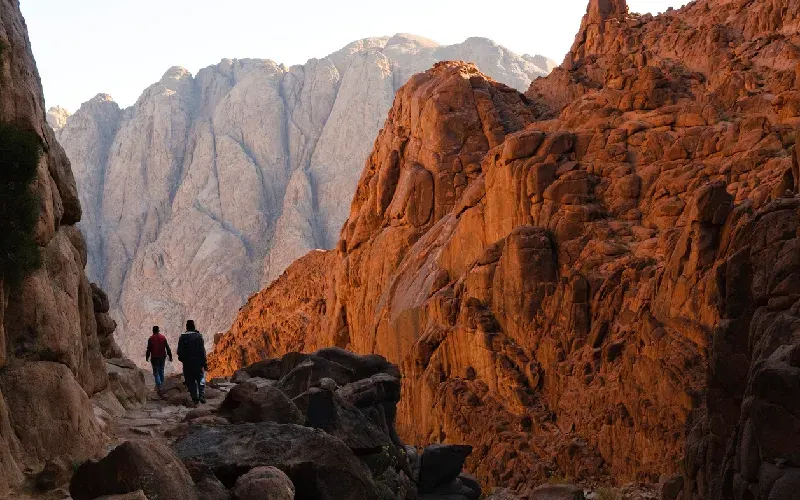
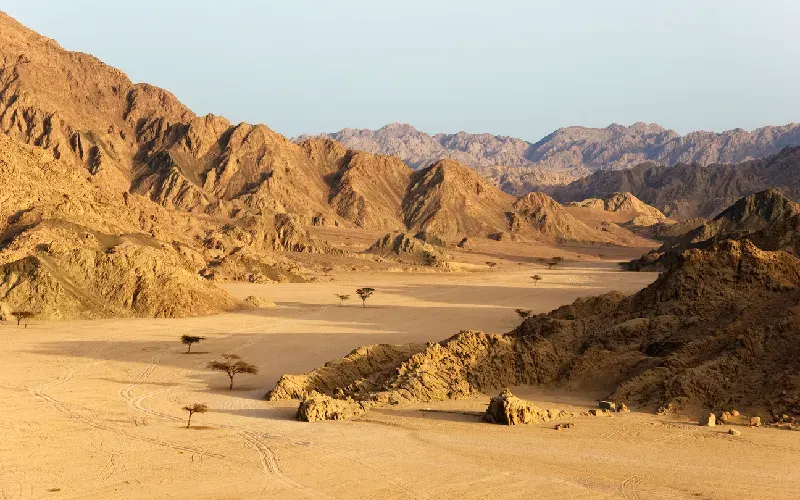
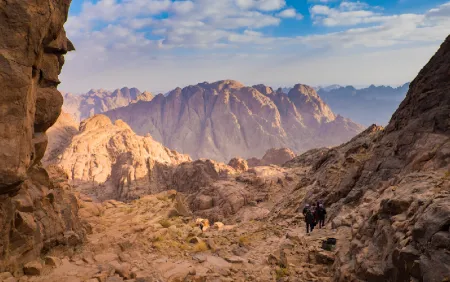
The landscape of Sinai shows remarkable variety. Coastal plains dominate the north, and impressive granite mountains rise in the south. Mount Kātrīnā reaches 8,668 feet, making it Egypt's highest peak. The historically significant Mount Sinai stands at 7,497 feet. The peninsula is mostly desert, yet it receives more than 1.6 million acre-feet of water yearly from rainfall. This water sustains scattered plant life and Bedouin communities across the region.
Weather patterns change dramatically throughout Sinai. Mediterranean conditions bring winter rains up to 5 inches in the north. The southern mountain areas can see ice form at times. Climate change now threatens this fragile ecosystem. Recent information shows worrying patterns of less rainfall and higher temperatures.
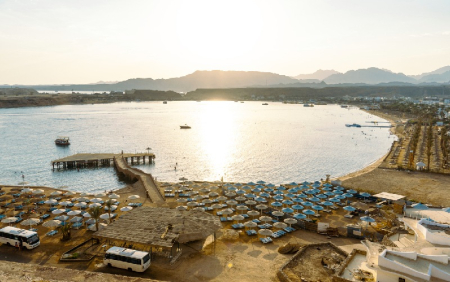
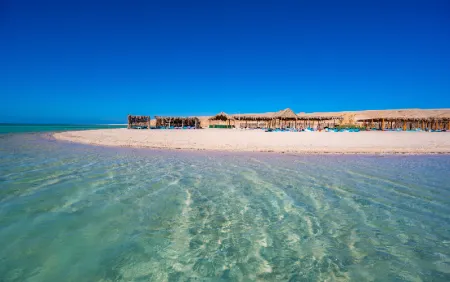
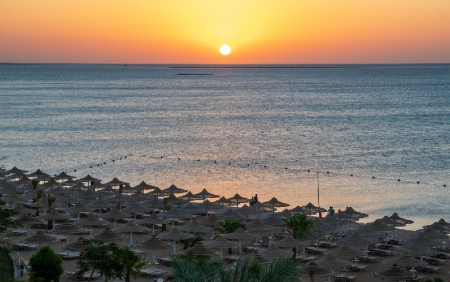
Sinai has grown into a popular tourist spot. The Red Sea's pristine beaches and coral reefs draw visitors to coastal resorts. Many people also come to explore the peninsula's biblical heritage. Mount Sinai holds special significance as the place where Moses is said to have received the Ten Commandments.
Mount Kātrīnā (also spelled Mount Catherine) reaches 8,668 feet, making it Egypt's highest peak. The historically significant Mount Sinai stands at 7,497 feet. Both mountains are located in the southern part of the Sinai Peninsula.
Sinai's rich mixture of history dates back thousands of years, with human activity traces from prehistoric times. Egyptian miners first extracted valuable turquoise and copper from the region around 3000 BCE. These resources became so valuable that pharaohs dispatched military forces to maintain control over these mining sites.
Sinai became a meeting point for major civilizations throughout ancient times. Persians, Greeks, Romans, and Byzantines recognized its vital importance and ruled this significant territory in succession. The region's religious history stands out prominently - Mount Sinai became sacred to Judaism, Christianity, and Islam as the legendary site where Moses received the Ten Commandments.
Arab forces gained control of Sinai during the 7th century CE Islamic conquest. The region turned into disputed territory during the Crusades.
Ottoman Empire's rule lasted nearly four centuries until British forces took over in 1882.
Recent conflicts have shaped modern Sinai's story. Israeli forces occupied the peninsula after the 1967 Six-Day War and returned it to Egypt gradually following the 1979 peace treaty. Notwithstanding that, security issues persist, especially when you have ongoing challenges in North Sinai.
This ancient land continues to connect continents and time periods. Visitors can explore landscapes that have witnessed millennia of human stories, conflicts, and cultural interactions.
Sinai stands as a sacred intersection where Islam, Christianity, and Judaism converge. Mount Sinai (Jebel Musa) holds special significance as the legendary site where Moses received the Ten Commandments, making it sacred to all three Abrahamic religions.
Get in touch with our local experts for an unforgettable journey.
Plan Your Trip
The Bedouins are the life-blood of Sinai Egypt's cultural identity. Their name translates to "desert dwellers" in Arabic. These indigenous Arab tribes have made the rugged peninsula their home for centuries and live in perfect balance with the harsh desert environment. The Jebeleya tribe stands out as one of the most prominent groups. They have served as guardians of St. Catherine's Monastery since 529 CE, after Emperor Justinian sent them as Roman Christian soldiers to protect the monks.
Hospitality runs deep in Bedouin ethics, along with courage, family loyalty, and ancestral pride. Their profound sense of welcoming comes from a simple desert truth - today's stranger could be you seeking shelter tomorrow. Their traditional coffee ceremonies illustrate this warmth through three meaningful servings: al-dayf (for the guest), al-kayf (for pleasure), and al-sayf (for the sword).
These nomadic people base their traditional livelihood on herding goats, sheep, and camels. They use these animals to produce meat, dairy products, and wool. Rich oral traditions fill their cultural life with storytelling, poetry, and music. The community comes alive during holidays and weddings with vibrant poetry circles.
Modern times have brought serious challenges to the Bedouin way of life. The Great Transfiguration Project near St. Catherine has created uncertainty about displacement and demographic shifts. Local hiking tourism, once an environmentally responsible income source, has decreased as authorities limit trail permits. The winds of modernization continue to reshape ancient Bedouin customs, yet many community members work hard to keep their cultural heritage alive.
The Bedouins are indigenous Arab tribes who have made the Sinai Peninsula their home for centuries. Their name translates to "desert dwellers" in Arabic, and they live in perfect balance with the harsh desert environment while maintaining strong traditions of hospitality and family loyalty.
Sinai Egypt stands as proof of nature, history, and human resilience. This triangular peninsula connects two continents and serves as a bridge between different cultures and religions across thousands of years. Its varied landscapes stretch from coastal paradises to towering mountains, giving visitors experiences they won't find anywhere else on Earth.
The rise and fall of civilizations have shaped Sinai's history while preserving its cultural importance. Mount Sinai attracts pilgrims from three major world religions, and ancient trade routes highlight the peninsula's strategic value. Notwithstanding that, the land's people bring it to life.
Bedouin tribes keep their ancient traditions of hospitality and desert harmony alive, though they face modern challenges.
Let's take a closer look at this region of contrasts. Luxury resorts dot pristine beaches while Bedouin communities preserve their centuries-old lifestyle just miles away. Ancient monasteries stand as monuments to faith surrounded by stunning natural beauty. Of course, climate change and development projects threaten both the natural environment and traditional cultures. But the resilient spirit that has defined Sinai for thousands of years lives on.
Sinai means more than just a spot on the map. This unique corner of Egypt serves as a living museum where geology, history, spirituality, and culture meet. Anyone who wants to understand the Middle East's rich heritage should take a closer look at this magical desert peninsula, where ancient wisdom and modern life continue their delicate dance.
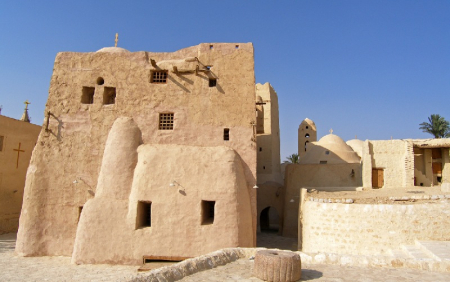
Saint Catherine's Monastery is the world's oldest Christian monastery still in operation, built in the sixth century. This remarkable structure rests at Mount Sinai's base and has been protected by the Jebeleya Bedouin tribe since 529 CE when Emperor Justinian sent them as guardians.
The peninsula's administration splits between two governorates: North Sinai and South Sinai. This division helps manage the diverse terrain and different regional needs across this vast territory.
Ancient Egyptians began colonizing the Sinai area in the late fourth millennium BCE, around 3000 BCE. Egyptian miners first extracted valuable turquoise and copper from the region, and pharaohs dispatched military forces to maintain control over these mining sites.
The Jebeleya tribe stands out as one of Sinai's most prominent Bedouin groups. Emperor Justinian sent them as Roman Christian soldiers in 529 CE to protect St. Catherine's Monastery, and they have served as guardians of the monastery ever since.
Weather patterns change dramatically throughout Sinai. Mediterranean conditions bring winter rains up to 5 inches in the north, while southern mountain areas can see ice form at times. Despite being mostly desert, the peninsula receives more than 1.6 million acre-feet of water yearly from rainfall.
The Sinai Peninsula in northeastern Egypt spans 23,000 square miles bridging Africa and Asia. Home to Mount Sinai, 6th-century Saint Catherine's Monastery and Bedouin tribes.
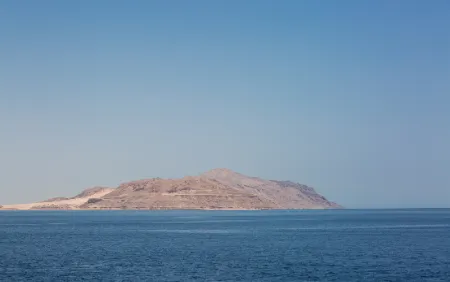
Tiran Island, 25km from Sharm El Sheik, spans 80 square kilometers with 4 legendary reef systems. Offers snorkeling tours, diving and encounters with dolphins, sharks and sea turtles.
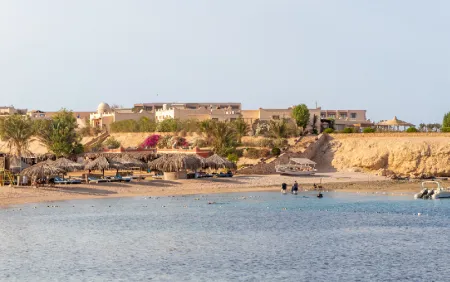
Sharm El Naga, 40km south of Hurghada, is a Red Sea paradise rated 4.3/5. Features shore-accessible reef, 200+ coral species, sea turtles & beach resort.
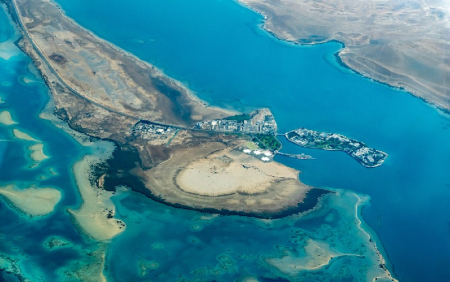
Ras Mohammed, 25km from Sharm El Sheik, features 220+ coral species, Magic Lake, rare mangroves & Earthquake Crack. Rated 4.6/5 stars.
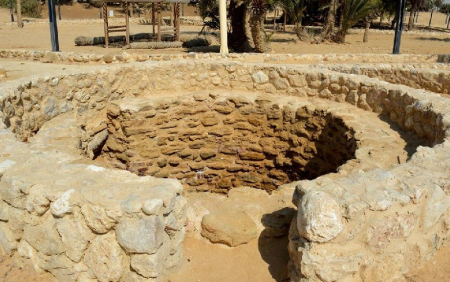
Nuweiba features 15km coastline, 70km south of Taba. Offers Bedouin camps, pristine beaches, Colored Canyon & eco-friendly lodges.
Naama Bay Sharm El Sheik—vibrant nightlife with promenade sunset walks, Egyptian dining, belly dancing shows, shisha cafés, night diving & Casino Royale.
Moses Springs in Pinnacles National Park is a 2.4-mile trail with talus caves, California condors, Bear Gulch Reservoir & volcanic cliffs.
Giftun Island near Hurghada features 6 beaches including Orange Bay, 196 coral species & 1,000+ fish species. Egypt's first marine park since 1986.
Soma Bay is a gated peninsula 45km from Hurghada with 6 luxury hotels, 20 dive sites & 300-day kitesurfing. Hurghada offers vibrant city culture.
St Anthony Monastery in Egyptian desert is the world's oldest, inhabited 2,000 years. Built 356 AD with 4th-century cells beneath glass flooring.
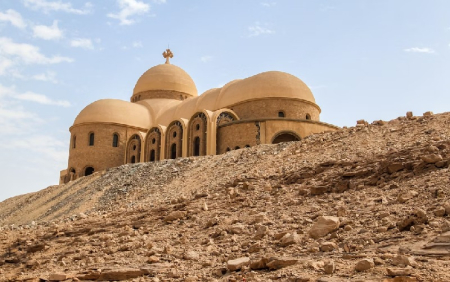
St Paul's Monastery, founded 4th century, houses the cave where Paul of Thebes lived from 250 AD. Features natural spring flowing 4 cubic meters daily and 500 active monks.