Ras Mohammed National Park

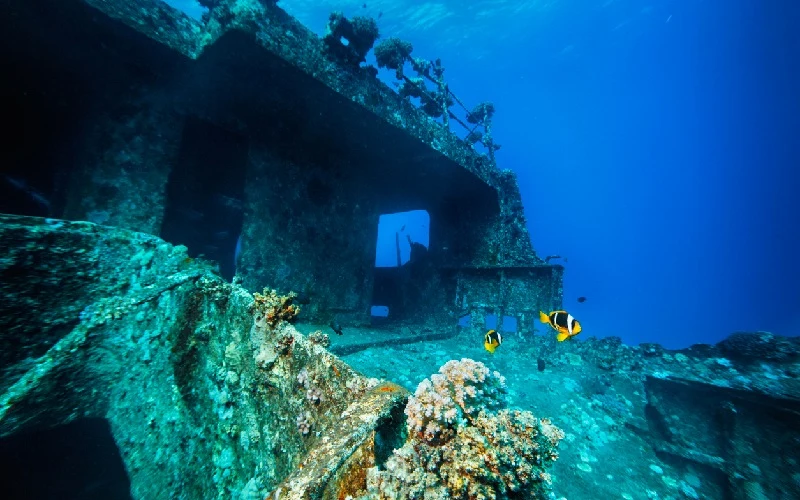
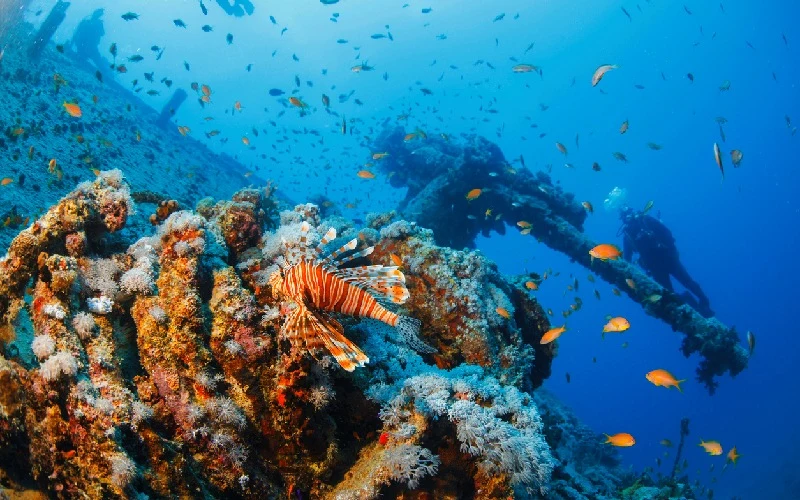
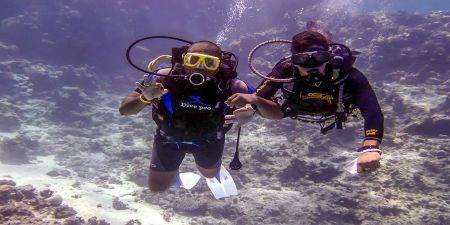
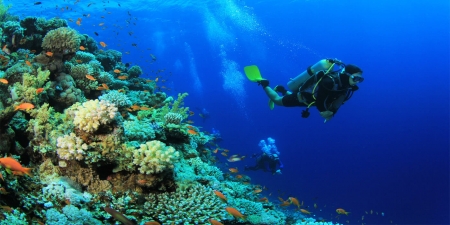
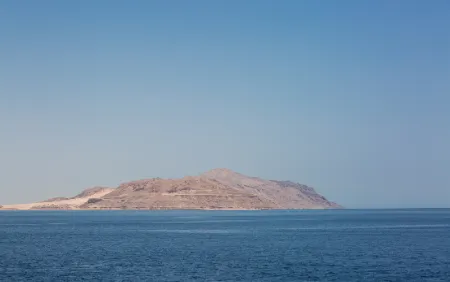
The sort of thing I love about Ras Mohammed National Park is its underwater wonderland. The park teems with life - over 1,000 fish species swim through its waters and 220+ coral species create vibrant seascapes. Some areas showcase an astounding 90% live coral coverage. This natural sanctuary stretches across 480 square kilometers at the southern tip of the Sinai Peninsula, and most of it - 345 square kilometers - lies underwater.
Travelers give this Egyptian treasure glowing reviews, with an impressive 4.6 out of 5 rating from 7,577 visitors. While the coral reefs steal the spotlight, the park's mystical lakes, peaceful shorelines, and geological wonders deserve attention too. Nature's raw power reveals itself in a remarkable narrow waterway that formed within a 42-meter seismic crack after a 1968 earthquake. The park's outstanding conservation efforts earned global recognition when it received the prestigious IUCN Green List certificate in 2018, marking it as one of the world's best-protected marine sanctuaries.
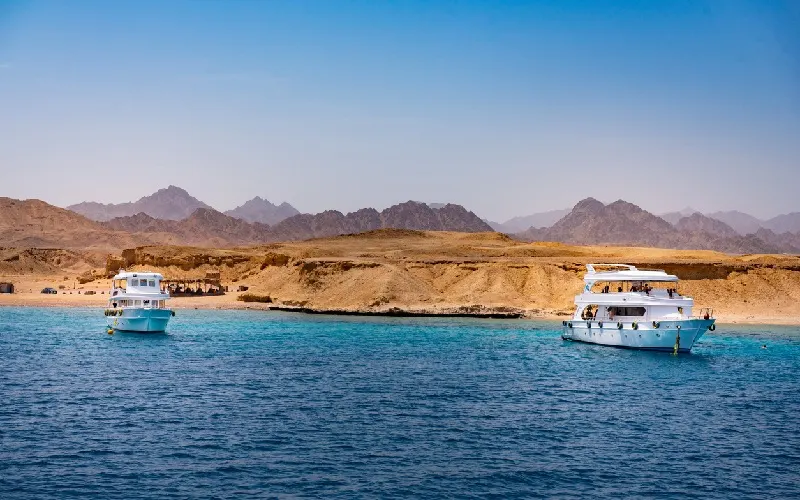
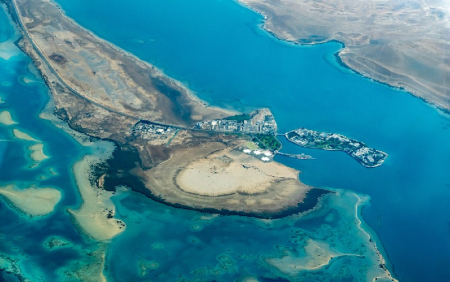
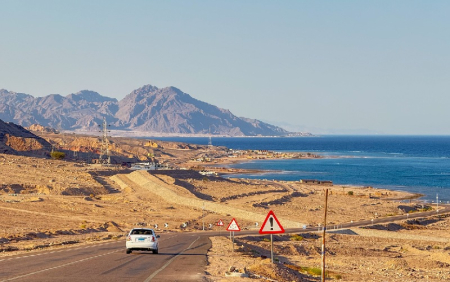
Ras Mohammed National Park stretches across 480 square kilometers at the southern tip of the Sinai Peninsula, with 345 square kilometers lying underwater. The park sits just 25 kilometers from Sharm El Sheik, accessible by a 30-45 minute drive.
Ras Mohammed National Park's unique character comes from its strategic spot in Egypt. Three tectonic plates meet here - the Arabian plate, African plate, and Sinai subplate - right where the Gulf of Suez and Gulf of Aqaba join forces. This meeting point creates strong currents year-round that bring in countless schools of fish.
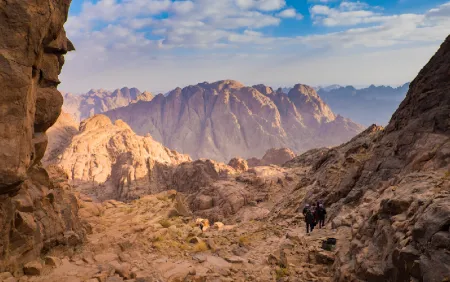
This 40-year-old national park, Egypt's first, is home to an amazing mix of environments. You'll find coral reefs, mangrove forests, desert ecosystems, sand dunes, wadis, and coastal mud plains. The reserve also holds some incredible geological treasures like fossil corals, raised terraces, and a spectacular fault.
The park's marine conservation efforts have led to a soaring win. The coral cover here reaches up to 90% in some spots and averages over 65%. This is a big deal as it means that these numbers are much higher than the 20-30% coral cover found outside the protected area.
Scientists have found that the northern Red Sea's coral reef ecosystem seems to handle climate change better than reefs anywhere else in the world.
Migratory birds know this place well - it's a vital pit stop on their journey. Bird watchers have spotted 241 different species here. The mangroves do double duty by serving as nurseries for young fish and providing birds with safe shelter.
The park's unique character comes from its strategic location where three tectonic plates meet—the Arabian plate, African plate, and Sinai subplate—right where the Gulf of Suez and Gulf of Aqaba join forces. This meeting point creates strong currents year-round that bring countless schools of fish.
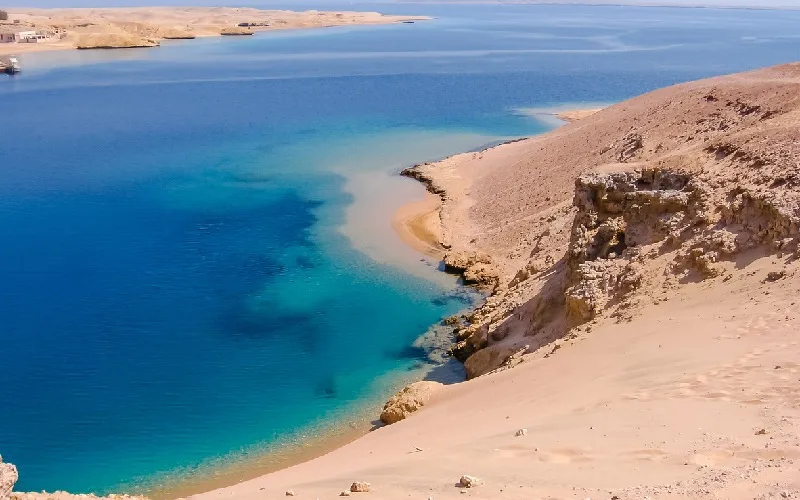
Ras Mohammed National Park holds remarkable secrets that most travelers miss, even beyond its famous coral reefs. The Magic Lake stands out as a fascinating saltwater lagoon that changes its colors up to seven times each day. Bedouin legends tell of its wish-granting and healing powers, and some say the lake's color-changing nature comes from gem deposits resting on its bottom.
The rare Mangrove Channel sits close to the shore, making it one of just four locations worldwide where these salt-absorbing plants flourish. These amazing trees naturally filter seawater and push salt out through their leaves. This process creates a vital habitat where young fish grow and migratory birds thrive.
The park's Earthquake Crack is a stunning natural formation - a massive 40-meter fissure that plunges deeper than 14 meters. This impressive crack emerged during a powerful earthquake in 1969. Strange pools inside these cracks stretch down more than 14 meters.
Sea caves throughout the park shelter vibrant marine life, including friendly butterflyfish and bright fire reefs. Ancient earthquakes carved out these underwater caverns that now protect countless species.
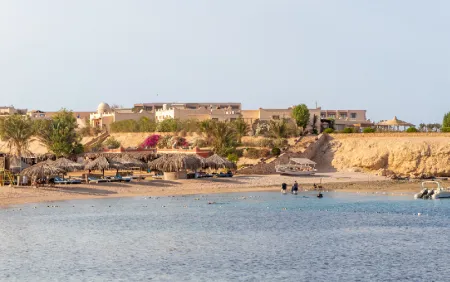
Quiet beaches line the coast and give visitors a peaceful escape from busy tourist areas. Visitors often find themselves alone on these shores, gazing at star-filled skies, well away from the busy resort towns nearby.
The Magic Lake is a fascinating saltwater lagoon that changes its colors up to seven times each day. Bedouin legends tell of its wish-granting and healing powers, and some say the lake's color-changing nature comes from gem deposits resting on its bottom.
The rare Mangrove Channel is one of just four locations worldwide where these salt-absorbing plants flourish. These amazing trees naturally filter seawater and push salt out through their leaves, creating a vital habitat where young fish grow and migratory birds thrive.
The Earthquake Crack is a stunning natural formation—a massive 40-meter fissure that plunges deeper than 14 meters. This impressive crack emerged during a powerful earthquake in 1969, with strange pools inside stretching down more than 14 meters.
Get in touch with our local experts for an unforgettable journey.
Plan Your Trip
A trip to Ras Mohammed National Park needs some planning to find its hidden treasures. The park sits just 25 kilometers from Sharm El Sheik, and you can reach it by a 30-45 minute drive.
The park welcomes visitors daily from sunrise to sunset, and you need to pay entrance fees in cash. You have several ways to get there:
The best time to visit is between March-May and September-November. During these months, you'll enjoy pleasant temperatures and clear underwater views. The summer can get very hot.
Pack these essential items:
Note that the park has strict rules: no fishing, no coral collection, no disturbing wildlife, and no plastic waste. These environmentally responsible practices will give this remarkable sanctuary a chance to stay pristine for future visitors.
The park welcomes visitors daily from sunrise to sunset. Entrance fees must be paid in cash. The best time to visit is between March-May and September-November when you'll enjoy pleasant temperatures and clear underwater views.
Ras Mohammed National Park stands as a natural wonder at the tip of the Sinai Peninsula. This remarkable sanctuary has much more to offer than most visitors ever find. The park boasts world-famous coral reefs with an impressive 90% live coral cover. You'll also find magical color-changing lakes, ancient earthquake fissures, rare mangrove ecosystems, and peaceful secluded beaches.
The park sits where three tectonic plates meet, creating perfect conditions for marine life to thrive. Its status as Egypt's first national park has led to great conservation success. The park's ecosystem is nowhere near as damaged as surrounding areas. The park earned the prestigious IUCN Green List certificate, proving its place among the world's best-protected marine reserves.
Taking time to explore beyond typical snorkeling spots will reward you greatly. The Magic Lake's colors shift throughout the day while sea caves shelter colorful marine creatures. The dramatic Earthquake Crack shows the powerful geological forces that shaped this unique landscape.
You won't need much effort to plan a trip to these hidden treasures, but the rewards are extraordinary. You can pick from guided tours, private transport, or even camping inside the park. The best time to visit is during spring or fall when temperatures stay pleasant and underwater visibility peaks.
This underwater paradise and land of geological wonders beckons visitors year-round. People who venture off the beaten path will find themselves in a pristine natural sanctuary unlike any other on Earth. The park's hidden treasures show nature's remarkable resilience and beauty – an unforgettable experience for anyone lucky enough to find them.
The park teems with over 1,000 fish species swimming through its waters and 220+ coral species creating vibrant seascapes. Bird watchers have spotted 241 different bird species, making it a vital pit stop for migratory birds.
Coral coverage reaches up to 90% in some spots and averages over 65%. These numbers are significantly higher than the 20-30% coral cover found outside the protected area, demonstrating the park's outstanding conservation success.
Ras Mohammed is a 40-year-old national park and Egypt's first national park. The park's outstanding conservation efforts earned global recognition when it received the prestigious IUCN Green List certificate in 2018, marking it as one of the world's best-protected marine sanctuaries.
Travelers give this Egyptian treasure glowing reviews, with an impressive 4.6 out of 5 rating from 7,577 visitors. The park is recognized as one of the top natural attractions in the Sharm El Sheik region.
Scientists have discovered that the northern Red Sea's coral reef ecosystem, including Ras Mohammed, seems to handle climate change better than reefs anywhere else in the world. The park's high coral coverage and successful conservation make it crucial for marine research.
Yes, sea caves throughout the park shelter vibrant marine life, including friendly butterflyfish and bright fire reefs. Ancient earthquakes carved out these underwater caverns that now protect countless species, creating unique diving and snorkeling opportunities.
The Sinai Peninsula in northeastern Egypt spans 23,000 square miles bridging Africa and Asia. Home to Mount Sinai, 6th-century Saint Catherine's Monastery and Bedouin tribes.
Tiran Island, 25km from Sharm El Sheik, spans 80 square kilometers with 4 legendary reef systems. Offers snorkeling tours, diving and encounters with dolphins, sharks and sea turtles.
Sharm El Naga, 40km south of Hurghada, is a Red Sea paradise rated 4.3/5. Features shore-accessible reef, 200+ coral species, sea turtles & beach resort.
Ras Mohammed, 25km from Sharm El Sheik, features 220+ coral species, Magic Lake, rare mangroves & Earthquake Crack. Rated 4.6/5 stars.
Nuweiba features 15km coastline, 70km south of Taba. Offers Bedouin camps, pristine beaches, Colored Canyon & eco-friendly lodges.
Naama Bay Sharm El Sheik—vibrant nightlife with promenade sunset walks, Egyptian dining, belly dancing shows, shisha cafés, night diving & Casino Royale.
Moses Springs in Pinnacles National Park is a 2.4-mile trail with talus caves, California condors, Bear Gulch Reservoir & volcanic cliffs.
Giftun Island near Hurghada features 6 beaches including Orange Bay, 196 coral species & 1,000+ fish species. Egypt's first marine park since 1986.
Soma Bay is a gated peninsula 45km from Hurghada with 6 luxury hotels, 20 dive sites & 300-day kitesurfing. Hurghada offers vibrant city culture.
St Anthony Monastery in Egyptian desert is the world's oldest, inhabited 2,000 years. Built 356 AD with 4th-century cells beneath glass flooring.
St Paul's Monastery, founded 4th century, houses the cave where Paul of Thebes lived from 250 AD. Features natural spring flowing 4 cubic meters daily and 500 active monks.