Cleopatra Bath

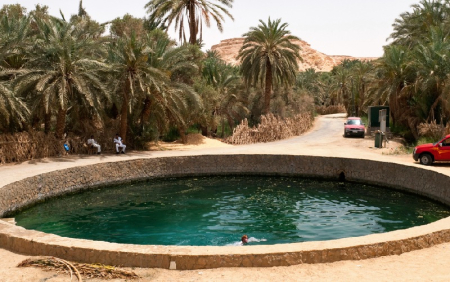
The legendary Cleopatra Bath ranks among Egypt's natural wonders. Ancient stories tell us the famous Egyptian queen bathed in these crystal-clear waters. The spring lies nestled in Siwa Oasis's palm groves and gives visitors a window into Egypt's ancient beauty traditions.
This historic bathing spot sits 752 kilometers from Cairo. The spring's water appears invisible except for its constant bubbles rising to the surface. The bath's purpose has evolved through time. Royal families claimed it first, then local brides used it to enhance their skin's beauty. Today, tourists flock here to relax and heal in its waters. The natural stone pool's location near the Temple of Amun draws visitors who value both its past and the water's healing properties.
Cleopatra Bath lies in Siwa Oasis, nestled in palm groves 752 kilometers from Cairo. The spring sits in Siwa Oasis's town center and is considered the most popular spring in the entire Siwa region.
Local residents also call Cleopatra Bath "Ain Juba" or "Ain al Hammam." This bubbling freshwater spring has captured people's imagination for generations as one of Siwa's most remarkable landmarks.
Historians continue to debate whether Cleopatra VII actually bathed in this spring. Local folklore tells that the Egyptian queen traveled to Siwa Oasis to consult the Oracle of Amun and bathed in these mineral-rich waters to enhance her famous beauty.
A bubbling freshwater spring known as Cleopatra Bath lies in Egypt's remote Siwa Oasis. Local residents also call it Ain Juba or Ain al Hammam, and this spring has captured people's imagination for generations as one of Siwa's most remarkable landmarks.
This site's appeal stems from its legendary connection to Queen Cleopatra VII. Local folklore tells us that the Egyptian queen traveled to Siwa Oasis to ask the Oracle of Amun – the same oracle that proclaimed Alexander the Great a divine son of Zeus. The story suggests that Cleopatra bathed in these mineral-rich waters to improve her famous beauty.
Historians continue to debate Cleopatra's actual visit to this spring, but Siwans have embraced the story completely. Their culture interweaves oral history and myth, making Cleopatra Bath a symbol of the queen's lasting mystique and her ties to Egypt's sacred western lands.
The spring bubbles up from the ground amid palm groves and sand dunes, 752 kilometers from Cairo in Siwa Oasis's town center . Locals and visitors consider it the most popular spring in the entire Siwa region.
Similar claims about Cleopatra's bathing spots exist throughout the Mediterranean. Hammam Bay in Turkey's Fethiye region features ancient ruins called "Cleopatra's Baths". Historical documents also mention different "Baths of Cleopatra" in Alexandria.
The story suggests that Cleopatra bathed here when she traveled to Siwa to consult the Oracle of Amun—the same oracle that proclaimed Alexander the Great a divine son of Zeus. The spring's location near the Temple of Amun reinforces this historical connection.
The spring's water appears invisible except for its constant bubbles rising to the surface. This bubbling freshwater keeps the water fresh and crystal clear as it flows up through desert sands in a large circular stone pool.
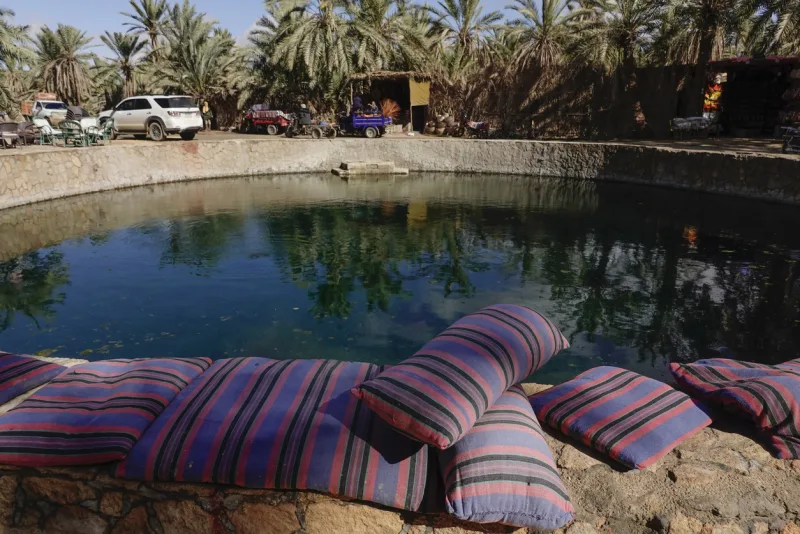
Cleopatra Bath's charm goes beyond its famous name and gives visitors an amazing natural wonder. The bath in Siwa Oasis is a large circular stone pool where natural artesian groundwater bubbles up through desert sands. This constant flow keeps the water fresh and crystal clear. The spring's temperature is just right - warm when winter hits and cool during hot summer days.
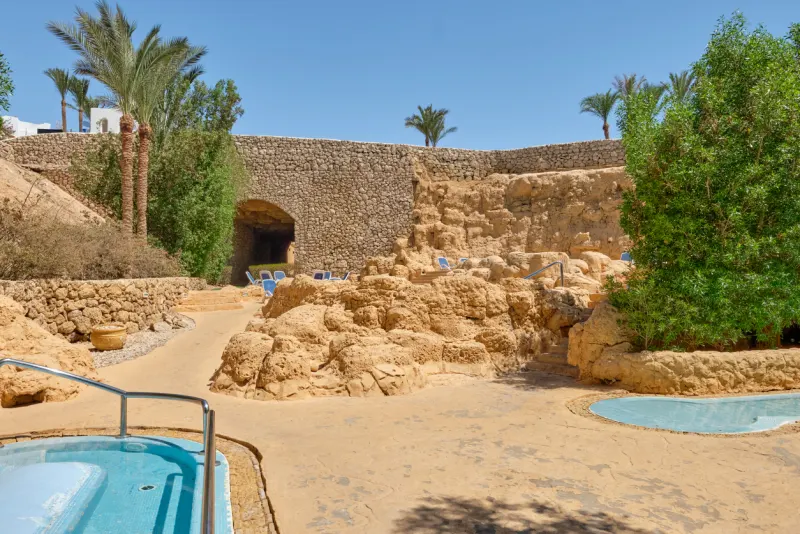
The Cleopatra Bath at Marsa Matrouh tells a different story. Seawater flows through nature's own tunnels in a massive rock formation before it returns to the sea. The rock ceiling's openings let sunlight stream in and warm the water to perfect bathing temperature.
These waters at both sites are rich in minerals with healing powers. Natural minerals and salts in the spring water can improve your skin's health, help you feel renewed, and reduce various physical problems. These spots weren't just for bathing - they became centers where people gathered for purification rituals and relaxation throughout history.
People still come here to heal today. Many find relief from skin problems like eczema, psoriasis, and rosacea in these gentle waters. The springs are a chance to connect with ancient Egyptian traditions - when you swim here, you share waters that people have enjoyed for thousands of years.
The spring's temperature is naturally regulated—warm when winter hits and cool during hot summer days. This unique temperature regulation makes the natural wonder truly remarkable for year-round bathing.
The waters are rich in minerals with healing powers. Natural minerals and salts in the spring water can improve skin health, help with renewal, and reduce various physical problems. Many find relief from skin conditions like eczema, psoriasis, and rosacea.
Get in touch with our local experts for an unforgettable journey.
Plan Your Trip
You need some preparation to enjoy your visit to the famous Cleopatra Bath. The best time to visit Cleopatra Bath in Siwa Oasis is between October and April. The weather stays cool and comfortable during these months. Fall brings beautiful date harvests and festive nights. Winter is perfect for swimming, while spring works best for safaris and salt lake visits. The extreme heat makes summer visits uncomfortable.
Local customs deserve respect, especially when you have dress code considerations. Women must stay fully clothed while bathing since Egyptian cultural norms are different. Female visitors should expect curious glances even with appropriate clothing. The adjacent Tanta Waa Café provides convenient changing facilities.
Siwa Oasis sits 752 kilometers away from Cairo, so your trip needs careful planning. You can choose several ways to reach there. Options include commercial flights that land at the oasis, regular day busses with stops during the five-hour trip, direct night busses, or minibusses from Alexandria.
Cleopatra's Bath is one of Siwa Oasis's most popular spots. Expect crowds here since it shares its route with the Temple of the Oracle and sits close to the Temple of Umm Ubayed. Most tourists combine these three sites in their Siwa plans.
The best time to visit is between October and April when the weather stays cool and comfortable. Fall brings beautiful date harvests and festive nights, winter is perfect for swimming, while spring works best for safaris and salt lake visits. Summer's extreme heat makes visits uncomfortable.
Women must stay fully clothed while bathing since Egyptian cultural norms require modest dress. Female visitors should expect curious glances even with appropriate clothing. The adjacent Tanta Waa Café provides convenient changing facilities.
Siwa Oasis sits 752 kilometers from Cairo. Transportation options include commercial flights to the oasis, regular day buses with stops during the five-hour trip, direct night buses, or minibuses from Alexandria.
Cleopatra Bath is proof of Egypt's natural wonders and rich historical legacy. This bubbling spring is more than just a refreshing dip - it connects visitors to ancient Egyptian beauty traditions that Queen Cleopatra might have enjoyed herself. Historians still debate whether the legendary queen actually bathed in these waters, but the story continues to fascinate visitors worldwide.
These mineral-rich waters' therapeutic qualities explain why this spot has been special for centuries. People still visit these springs to seek the same skin-healing benefits that drew ancient Egyptians here. The springs' unique temperature regulation - cool in summer and warm in winter - makes this natural wonder truly remarkable.
The best time to visit is during the comfortable months between October and April. Women need to respect local customs about appropriate clothing while bathing. The trip to Siwa Oasis takes some effort, but visitors get an unforgettable glimpse of natural beauty and cultural heritage.
Floating in waters that have bubbled continuously for thousands of years creates a unique experience. Cleopatra Bath is a must-visit spot to understand Egypt beyond its pyramids and temples. It provides a living connection to ancient beauty traditions that are still available today.
Yes, Cleopatra Bath at Marsa Matrouh tells a different story. Seawater flows through natural tunnels in a massive rock formation before returning to the sea. Rock ceiling openings let sunlight stream in and warm the water to perfect bathing temperature.
Similar claims about Cleopatra's bathing spots exist throughout the Mediterranean. Hammam Bay in Turkey's Fethiye region features ancient ruins called "Cleopatra's Baths." Historical documents also mention different "Baths of Cleopatra" in Alexandria.
Cleopatra's Bath shares its route with the Temple of the Oracle and sits close to the Temple of Umm Ubayed. Most tourists combine these three sites in their Siwa plans as they're among the oasis's most popular spots.
The bath's purpose evolved through time. Royal families claimed it first, then local brides used it to enhance their skin's beauty before weddings. These spots became centers where people gathered for purification rituals and relaxation throughout history.
Siwans have embraced the Cleopatra story completely. Their culture interweaves oral history and myth, making Cleopatra Bath a symbol of the queen's lasting mystique and her ties to Egypt's sacred western lands, preserving the legend for generations.
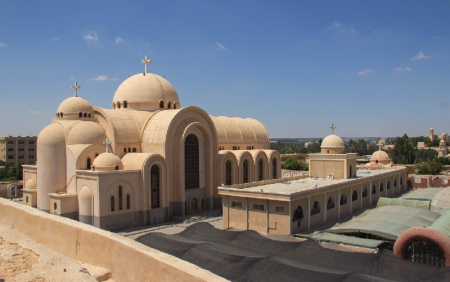
Monastery of Syrians in Wadi Natrun, founded 984 AD, houses oldest Syriac manuscript (411 AD) & Church of Virgin Mary (645 AD) with frescoes.
Wadi El Natrun is Egypt's sacred valley located 100km from Cairo, 23 meters below sea level. Features 4 ancient Coptic monasteries from 330 AD with Saint Pishoy's incorrupt body.
Wadi El Rayan is Egypt's premier desert sanctuary spanning 1,759 km² with two crystalline lakes, cascading waterfalls and 13 permanent bird species plus 26 migratory species.
White Desert Egypt spans 300 km² of chalk formations 45km from Farafra with Crystal Mountain, Black Desert & Valley of Agabat. Rated 5.0/5.
Discover Crystal Mountain Egypt—stunning barite & calcite arch between Bahariya & Farafra. Features hidden crystal caves, Bedouin secrets & sunrise views.
Mountain of the Dead in Siwa contains 3,000 tombs including Si-Amun, Mesu-Isis, Niperbathot & Crocodile with vivid wall paintings. 1km from town.
Great Sand Sea extends 650km with seif dunes up to 140m high between Egypt-Libya. Covers 10% of Egypt's Western Desert, gateway Siwa Oasis.
Black Desert, rated 4.5/5, features 100m basalt formations from ancient volcanic activity. Includes Agabat Valley, Crystal Mountain & desert fox.
Djara Cave stretches 1,000m with 188+ murals from 10,200 BC, "frozen waterfall" stalactites, Cathedral chamber & Neolithic gazelle rock art.
Cleopatra Bath in Siwa is a bubbling spring 752km from Cairo where Queen allegedly bathed. Mineral-rich healing waters, temperature-regulated.
El Bagawat is the world's oldest Christian cemetery with 263 chapels from 3rd-7th century. Features Chapel of Exodus & Peace with biblical art.
Qarun lake is considered the oldest natural lakes in the world, the third largest lake in Egypt and the rest of lake Old Maurice. Know more!
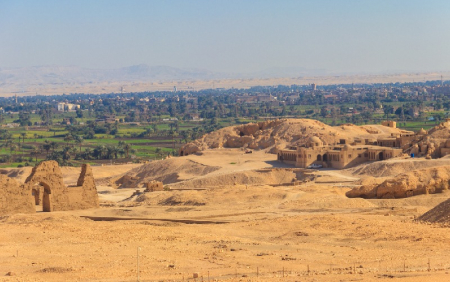
Valley of the Golden Mummies located in Bahariya Oasis, about 380 km west of the pyramids, It was built during the Greco - Roman period exhibits a variety of styles and a range of social status.
Find out what makes Deir el Bahari unique! Explore Hatshepsut's terraced temple, ancient Luxor monuments & Egyptian architectural genius. Learn more!
Learn the story of the Monastery of Saint Bishoy in Egypt: Saint Bishoy's incorrupt body, 5 churches & Coptic Orthodox history. Read the complete guide!
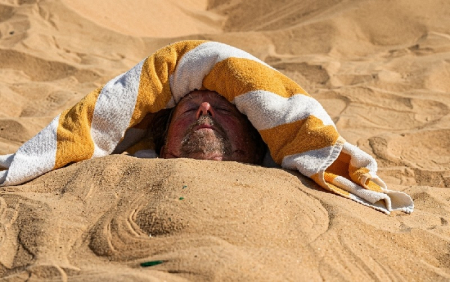
Siwa sand bathing: centuries-old Bedouin treatment using mineral-rich sand (40-50°C) for arthritis, chronic pain & stress. 7-10 daily sessions.
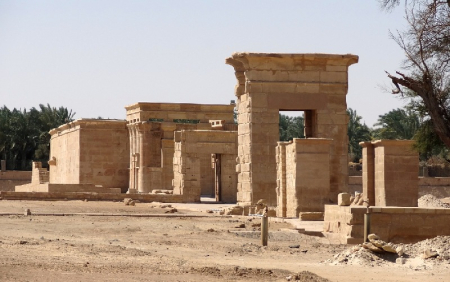
Uncover Temple of Hibis in Egypt's western desert. Explore the best-preserved Persian temple, Darius I's contributions & Amun-Ra shrine. Learn today!