Gebel al Mawta

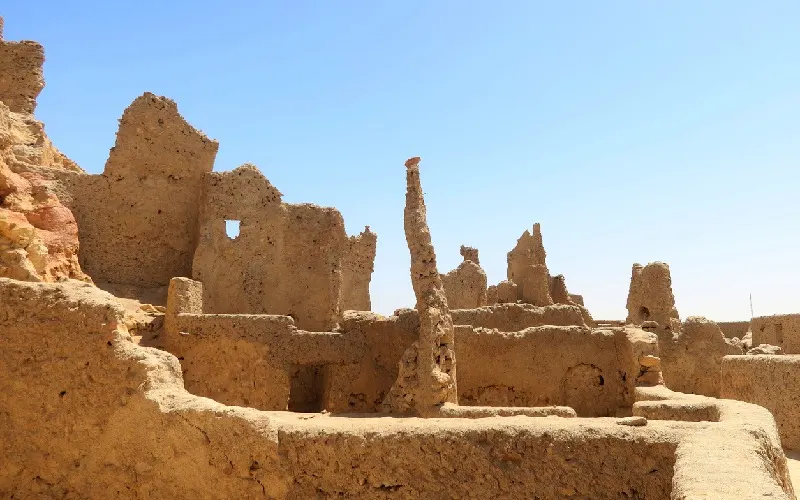
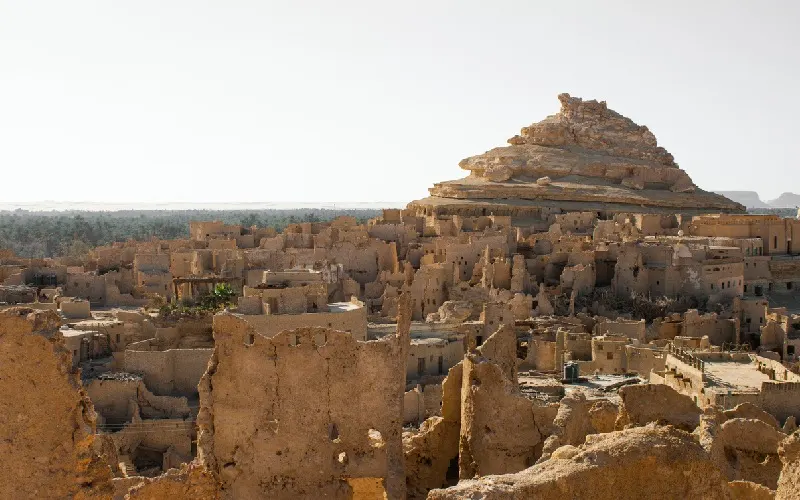
The ancient necropolis of Gebel al Mawta towers 500 meters high in Egypt's Siwa Oasis, containing an impressive 3,000 tombs. The site's name translates to "Mountain of the Dead," which perfectly reflects its role as a burial ground that served the region for over 10 centuries.
This remarkable mountain's history as a cemetery dates back to the 7th century BCE during Egypt's Late Period. The majority of tombs emerged during the 26th dynasty, Ptolemaic and Roman times, and their use continued through the Byzantine era. The site's purpose transformed during World War II when Siwa's residents sought shelter in these tombs to escape Italian bombing raids on the oasis.
A short distance of 1km from the town center, Gebel al Mawta showcases elaborate rock-cut tombs commissioned by Siwa's elite members—priests, landowners, and warriors. These ancient chambers still house mummy remains, pottery, and funerary items that reveal fascinating insights into ancient burial customs. The Niperpathot Tomb stands out among these burial chambers as one of the oasis's oldest structures.
Gebel al Mawta is located in Siwa Oasis, just 1km from the town center and 560 kilometers northwest of Cairo. This ancient necropolis towers 500 meters high, making it easily visible from Siwa town.
Gebel al Mawta contains an impressive 3,000 tombs carved into the limestone mountain. These elaborate rock-cut tombs were commissioned by Siwa's elite members—priests, landowners, and warriors—spanning multiple historical periods.
The site's history as a cemetery dates back to the 7th century BCE during Egypt's Late Period. The majority of tombs emerged during the 26th dynasty, Ptolemaic and Roman times, and their use continued through the Byzantine era—spanning over 10 centuries.
Gebel al Mawta lies 560 kilometers northwest of Cairo. This archeological treasure shows a rich mix of Egyptian, Greek, and Roman burial customs. People know it best for its four remarkable tombs that tell unique stories of ancient life and death.
The Si-Amun tomb is maybe the most beautiful you'll find in the Western Desert. Its walls show a Greek landowner praying to Egyptian gods in vivid colors. This art beautifully blends Egyptian and Greek styles. The ceiling has a wonderful scene where goddess Nut swallows the sun.
The Mesu-Isis tomb fascinates people with striking blue and red cobra paintings on its walls. The Niperbathot tomb's red-ink inscriptions have inspired today's Siwan pottery designs. The Crocodile tomb shows the god Sobek in red ochre and cobalt blue paintings.
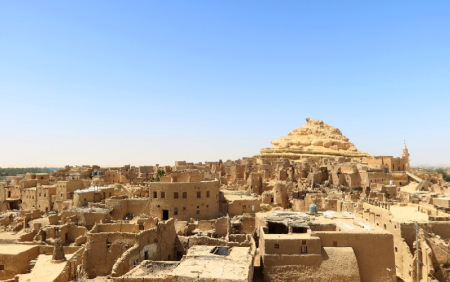
This small hill gives visitors amazing panoramic views of the desert and Siwa's palm groves. The site's history took an interesting turn in 1944. Local people found these pharaonic tombs while looking for shelter from World War II bombing.
The mountain gives everyone a chance to see Egypt's multicultural identity in a desert frontier zone. No visit to Siwa Oasis feels complete without seeing al mawta.
The Si-Amun tomb is considered the most beautiful in the Western Desert. Its walls show a Greek landowner praying to Egyptian gods in vivid colors, beautifully blending Egyptian and Greek artistic styles. The ceiling features goddess Nut swallowing the sun, symbolizing eternal cycles.
The Mesu-Isis tomb fascinates visitors with striking blue and red cobra paintings on its walls. The colors remain incredibly vivid, and detailed cobra paintings still watch over the deceased as protective deities, showcasing remarkable preservation.
The Niperbathot tomb stands as the necropolis's earliest decorated chamber and is one of the oasis's oldest structures. Its red-ink inscriptions have inspired modern Siwan pottery designs, creating a direct link between ancient and contemporary Siwan culture.
The Crocodile tomb draws visitors with striking images of Sobek, the mighty crocodile god linked to pharaonic power. The paintings use red ochre and cobalt blue colors to depict this powerful deity.
The limestone chambers of Gebel al Mawta reveal remarkable burial architecture carved right into the mountain. Narrow, modest entrances lead to unexpectedly large chambers where ancient craftsmen left their masterful work.
The Si-Amun tomb holds breathtaking treasures. Its ceiling shows the goddess Nut as she swallows the sun, symbolizing the eternal cycle of death and rebirth in Egyptian belief. The walls tell their own story through a unique mix of Egyptian religious symbols and Hellenistic art techniques that showcase the cultural fusion of the Ptolemaic era.
Time seems to stand still in the Mesu-Isis tomb. The colors remain incredibly vivid, and detailed cobra paintings still watch over the deceased as protective deities. The Crocodile tomb draws visitors with its striking images of Sobek, the mighty crocodile god linked to pharaonic power. The Niperbathot tomb stands as the necropolis's earliest decorated chamber.
These sacred spaces show how Egyptian builders adapted traditional tomb designs to the mountain's natural shape. False doors, offering niches, and burial chambers blend seamlessly with the rock. The tombs sit close together, creating a maze-like network that served as a community for the dead across centuries.
Get in touch with our local experts for an unforgettable journey.
Plan Your Trip
Gebel al Mawta sits just north of Siwa town, making it easy to reach. You can walk, bike, or catch a tuk-tuk to this archeological gem.
The site shines between October and April with pleasant temperatures and clear skies. A visit in the early morning or late afternoon gives you cooler weather and beautiful golden desert light that photographers love. Summer gets very hot, so you'll need to plan your visit carefully during these months.
Here's what you should bring to al mawta mountain:
A local guide can make your visit exceptional. These guides offer tours rich in storytelling that showcase the site's spiritual importance and help you find significant tombs that might be tricky to spot.
Adults pay around 50 Egyptian pounds while students pay 25. You can pair your visit with stops at Shali Fortress, Cleopatra Spring, and the Temple of Amun to get a complete oasis experience. Many travelers stay in Siwa for at least two days to take in all the area's attractions.
Adults pay around 50 Egyptian pounds while students pay 25 Egyptian pounds. This makes Gebel al Mawta one of Egypt's most accessible and affordable archaeological treasures for visitors.
The site is best visited between October and April with pleasant temperatures and clear skies. Early morning or late afternoon visits offer cooler weather and beautiful golden desert light. Summer gets very hot, requiring careful planning.
Essential items include bottled water (avoid tap water), sunscreen, hat, sunglasses, a flashlight to illuminate tomb details, and comfortable shoes for light climbing. A local guide is recommended to find significant tombs and provide historical context.
Gebel al Mawta proves the rich burial traditions of ancient Egyptians that evolved over ten centuries. This mountain reveals more than historical tombs - it shows how different cultures wove their artistic and religious practices together. The ancient chambers showcase colorful wall paintings and architectural details that tell stories of Siwa Oasis's former inhabitants.
The four notable tombs - Si-Amun, Mesu-Isis, Niperbathot, and Crocodile - create a deep connection with visitors to this unique place where Egyptian, Greek, and Roman influences came together. The artwork's vibrant colors and intricate details have endured centuries of exposure remarkably well.
The mountain's summit rewards climbers with stunning views of Siwa's palm-dotted landscape. This elevated view helps explain why ancient Siwans selected this spot as their final resting place.
No trip to Siwa Oasis feels complete without a visit to this captivating necropolis. The Mountain of the Dead offers visitors a peaceful yet meaningful experience that bridges ancient traditions with modern times. This modest limestone hill, which once protected people during war, now stands as one of Egypt's most authentic and available archeological treasures.
Gebel al Mawta translates to "Mountain of the Dead," which perfectly reflects its role as a burial ground that served the Siwa region for over 10 centuries. The name describes the mountain's function as an ancient necropolis.
The four remarkable tombs are Si-Amun (considered the most beautiful in the Western Desert), Mesu-Isis (featuring striking blue and red cobra paintings), Niperbathot (the oldest decorated chamber with red-ink inscriptions), and the Crocodile tomb (showing god Sobek in vivid colors).
The site's purpose transformed during World War II when Siwa's residents sought shelter in these ancient tombs to escape Italian bombing raids on the oasis. In 1944, local people discovered these pharaonic tombs while seeking protection from bombing.
The tombs showcase a rich mix of Egyptian, Greek, and Roman burial customs and artistic styles. The artwork beautifully blends Egyptian religious symbols with Hellenistic art techniques, representing the cultural fusion of the Ptolemaic era.
Visitors can pair their trip with stops at Shali Fortress, Cleopatra Spring, and the Temple of Amun for a complete oasis experience. Many travelers stay in Siwa for at least two days to explore all the area's attractions.
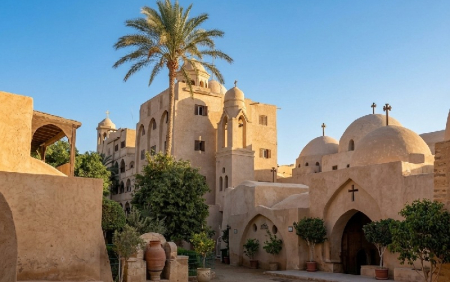
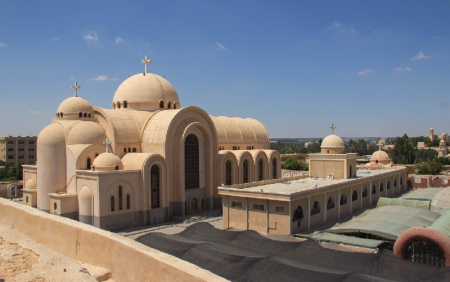
Monastery of Syrians in Wadi Natrun, founded 984 AD, houses oldest Syriac manuscript (411 AD) & Church of Virgin Mary (645 AD) with frescoes.
Wadi El Natrun is Egypt's sacred valley located 100km from Cairo, 23 meters below sea level. Features 4 ancient Coptic monasteries from 330 AD with Saint Pishoy's incorrupt body.
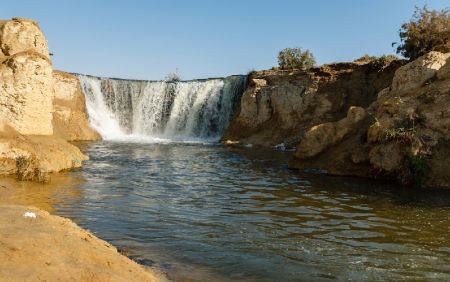
Wadi El Rayan is Egypt's premier desert sanctuary spanning 1,759 km² with two crystalline lakes, cascading waterfalls and 13 permanent bird species plus 26 migratory species.
White Desert Egypt spans 300 km² of chalk formations 45km from Farafra with Crystal Mountain, Black Desert & Valley of Agabat. Rated 5.0/5.
Discover Crystal Mountain Egypt—stunning barite & calcite arch between Bahariya & Farafra. Features hidden crystal caves, Bedouin secrets & sunrise views.
Mountain of the Dead in Siwa contains 3,000 tombs including Si-Amun, Mesu-Isis, Niperbathot & Crocodile with vivid wall paintings. 1km from town.
Great Sand Sea extends 650km with seif dunes up to 140m high between Egypt-Libya. Covers 10% of Egypt's Western Desert, gateway Siwa Oasis.
Black Desert, rated 4.5/5, features 100m basalt formations from ancient volcanic activity. Includes Agabat Valley, Crystal Mountain & desert fox.
Djara Cave stretches 1,000m with 188+ murals from 10,200 BC, "frozen waterfall" stalactites, Cathedral chamber & Neolithic gazelle rock art.
Cleopatra Bath in Siwa is a bubbling spring 752km from Cairo where Queen allegedly bathed. Mineral-rich healing waters, temperature-regulated.
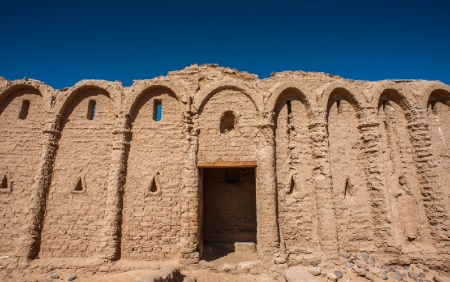
El Bagawat is the world's oldest Christian cemetery with 263 chapels from 3rd-7th century. Features Chapel of Exodus & Peace with biblical art.
Qarun lake is considered the oldest natural lakes in the world, the third largest lake in Egypt and the rest of lake Old Maurice. Know more!
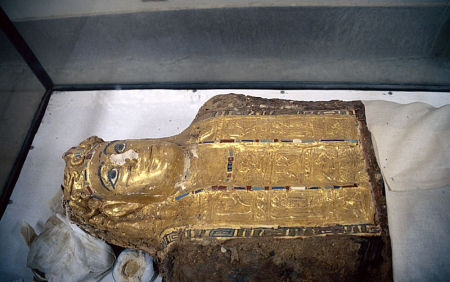
Valley of the Golden Mummies located in Bahariya Oasis, about 380 km west of the pyramids, It was built during the Greco - Roman period exhibits a variety of styles and a range of social status.
Find out what makes Deir el Bahari unique! Explore Hatshepsut's terraced temple, ancient Luxor monuments & Egyptian architectural genius. Learn more!
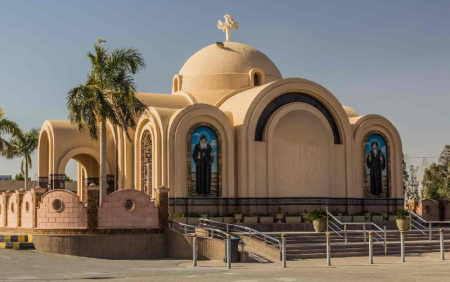
Learn the story of the Monastery of Saint Bishoy in Egypt: Saint Bishoy's incorrupt body, 5 churches & Coptic Orthodox history. Read the complete guide!
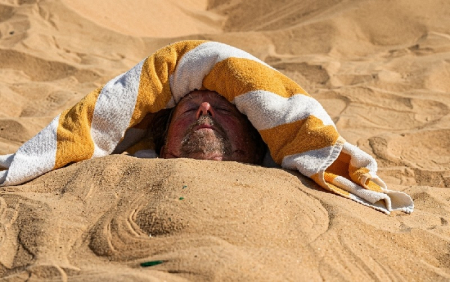
Siwa sand bathing: centuries-old Bedouin treatment using mineral-rich sand (40-50°C) for arthritis, chronic pain & stress. 7-10 daily sessions.
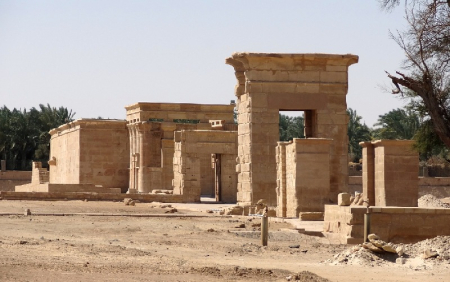
Uncover Temple of Hibis in Egypt's western desert. Explore the best-preserved Persian temple, Darius I's contributions & Amun-Ra shrine. Learn today!